What many people call steam cleaning is often hot-water extraction: a machine applies water or cleaning solution to the carpet and extracts it along with suspended soil. It is not necessarily dry steam. To clean safely, verify that the carpet permits the method, vacuum first, follow the machine and solution instructions, avoid overwetting and dry the carpet completely. A badly soaked or contaminated carpet needs restoration assessment rather than routine extraction.
What steam cleaning means
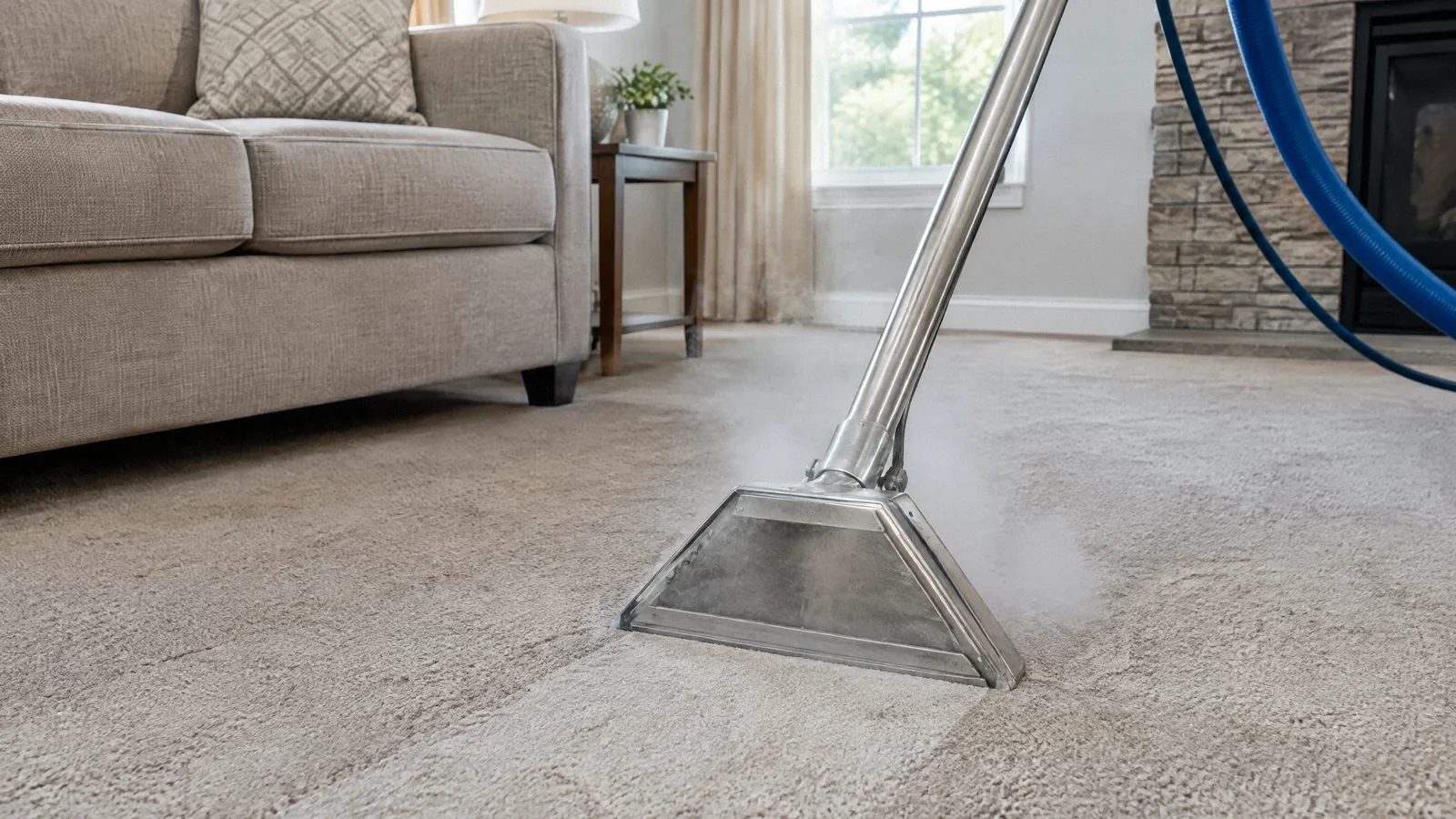
What many people call steam cleaning is often hot-water extraction: a machine applies water or cleaning solution to the carpet and extracts it along with suspended soil. It is not necessarily dry steam. To clean safely, verify that the carpet permits the method, vacuum first, follow the machine and solution instructions, avoid overwetting and dry the carpet completely. A badly soaked or contaminated carpet needs restoration assessment rather than routine extraction.
Check carpet compatibility
Check the carpet maker's instructions and warranty for approved cleaning methods, water temperature and products. Fiber is only part of the decision: dyes, adhesive, backing and underlay also matter. Wool, delicate rugs and unusual construction may require a specialist. If the carpet's identity is unknown, a professional can inspect it and choose a test area. Do not assume that a machine labeled steam cleaner is safe for every surface or that its hottest setting will clean best.
Shampoo and foam machines
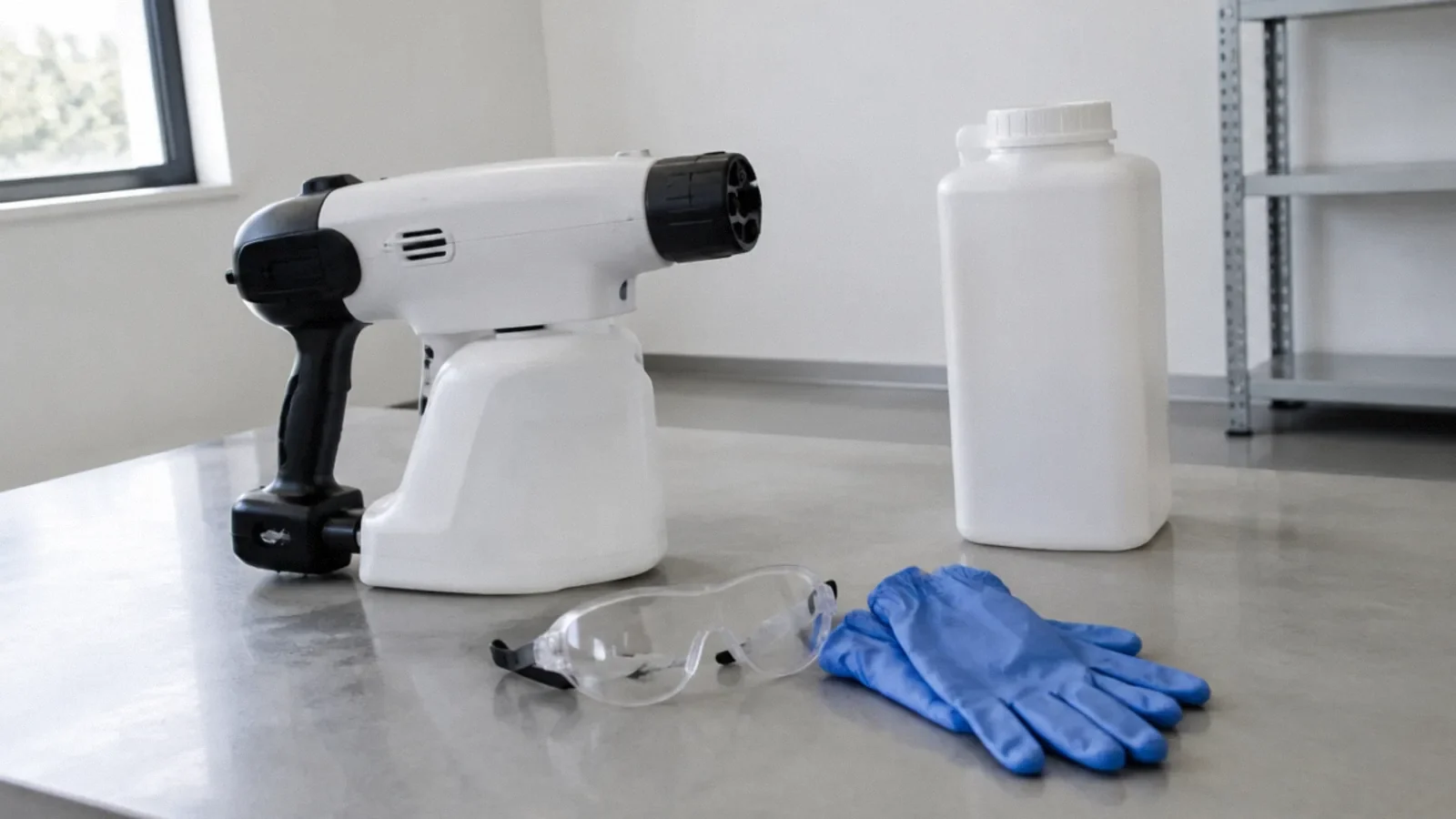
The name shampooing does not identify a single machine or process. Some people use it for an extractor that applies solution and recovers it; other systems use a formulated foam and a different recovery sequence. CRI’s commercial maintenance standard lists different soil-removal approaches for dry foam and water extraction. Confirm which process the carpet maker allows and follow the particular machine and solution instructions. Do not assume a steam-only appliance will recover dirty liquid.
A dry-foam label does not mean no moisture reaches the carpet. Ask how the process removes suspended soil and remaining product, and when the carpet can be used again. Follow any required recovery or vacuuming stages rather than adding a rinse that the product does not specify. If the machine or solution is unfamiliar, a qualified cleaner can explain the method before it is applied to the room.
Understand extraction
Extraction differs from a steam-only appliance. The Carpet and Rug Institute describes hot-water extraction as applying heated water and removing the liquid and soil with vacuum suction. Equipment ranges from small rental units to professional truck-mounted systems. Actual temperature, pressure, solution use and extraction capability differ. The machine's manual and carpet manufacturer's instructions govern the particular job. The visible plume from a machine is not evidence that the carpet has been sanitized or that hidden padding is dry.
Prepare the room
Remove loose objects and movable furniture, then vacuum slowly to remove dry soil. Inspect for loose seams, worn pile and stains; photograph existing damage if a cleaner will be working in the room. Protect furniture that cannot be moved. Make a plan to start at the farthest point and finish at the exit, with a safe route for the power cord. Do not operate electrical equipment in standing water or use damaged cords. Follow the manufacturer's electrical precautions.
Select and test the solution
Choose a solution approved for the machine and carpet. Follow the stated dilution and do not mix chemicals or substitute laundry detergent. Test the full process, including solution and extraction, on an inconspicuous area and let it dry before assessing color and texture. A successful test reduces uncertainty but cannot guarantee every part of the carpet will react identically. If dye transfers, the surface distorts, or you cannot identify the material, stop and seek professional advice.
Apply and recover water
Fill the tanks as directed. Work in small sections using the equipment's specified wet and recovery passes, maintaining good contact between the extraction head and carpet. Keep the recovery tank from becoming overfull so suction can work as intended. Avoid repeated wet passes over a stubborn stain. Excessive moisture can reach the backing and cushion, while excessive solution can leave residue. Follow the product label if a rinse is recommended; not every system has the same procedure.
Prevent overwetting
Empty dirty water as directed by the machine and local disposal requirements. Check the recovery tank and suction path if extraction weakens. Do not assume that a clean-looking surface is dry below. If you accidentally saturate an area or water reaches the underlay, stop adding water and obtain help with extraction and drying. EPA recommends prompt removal of water and thorough drying of wet carpet and backing; a conventional cleaning pass cannot establish that concealed layers are dry.
Dry completely
Provide suitable ventilation and air movement where safe, and keep people and pets off the damp carpet until the solution instructions allow use. Protect furniture feet against staining and rust; replace furnishings only once the surface and underlying materials are dry. Drying time depends on the equipment, amount applied, pile, padding, humidity and airflow. Touch alone may not reveal trapped moisture under a carpet. A professional can assess persistent dampness or odor rather than repeatedly applying heat or fragrance.
Know the limits
Hot-water extraction is not a guaranteed disinfection process. Temperature at the machine, the carpet surface and the underlying materials may differ, and the whole assembly may not be exposed uniformly. Follow any disinfectant label exactly if a product is intended for that use, and never claim that a routine cleaning eliminated every organism. If the carpet has been affected by sewage, floodwater or suspected mold, consult a qualified restoration professional. The Carpet and Rug Institute advises against saving sewage-contaminated carpet and cushion.
When to hire a cleaner
Hire a trained cleaner when the carpet is delicate, heavily soiled, stained by an unknown substance or difficult to dry. Ask which process and products will be used, how furniture is protected, what drying conditions are needed and what limitations apply to stains or wear. After cleaning, check the room again once dry; persistent dampness, musty odor or recurring stains warrants investigation. Keep the manufacturer's care directions and the cleaner's record for future maintenance.
Your next-step checklist
- Confirm the carpet and machine instructions.
- Vacuum and test the product.
- Extract water without overwetting.
- Dry fully and investigate persistent moisture.
Related questions
Is steam cleaning always dry steam?
No. The term commonly describes hot-water extraction, which applies and recovers liquid.
Does steam cleaning guarantee disinfection?
No. A routine extraction pass does not establish uniform disinfection of the carpet and its underlying layers.
Sources & context
Public guidance supports the principles in this article. The practical questions and examples are editorial interpretation, not a site assessment or a coverage decision. State-specific rules apply only where identified.
- CRI extraction cleaning principlesprimary
- EPA mold courseprimary
- CRI carpet FAQprimary
- Carpet and Rug Institute: CRI 204 commercial carpet maintenance standardindustry maintenance guidance
- Carpet and Rug Institute: Carpet cleaning basicsindustry care guidance