Start by clearing safe walking paths and sorting one manageable area at a time. Separate items to keep, donate, recycle or dispose of, and set aside chemicals and other hazardous materials for the local collection program. Address leaks, damaged wiring or suspected contamination before ordinary cleaning.
Plan the work around access and safety
Choose a dry day and set aside a sorting area that does not obstruct doors, sidewalks or vehicle traffic. Work in small sections rather than emptying the whole garage at once. Keep children and pets away from tools, chemicals and unstable piles.
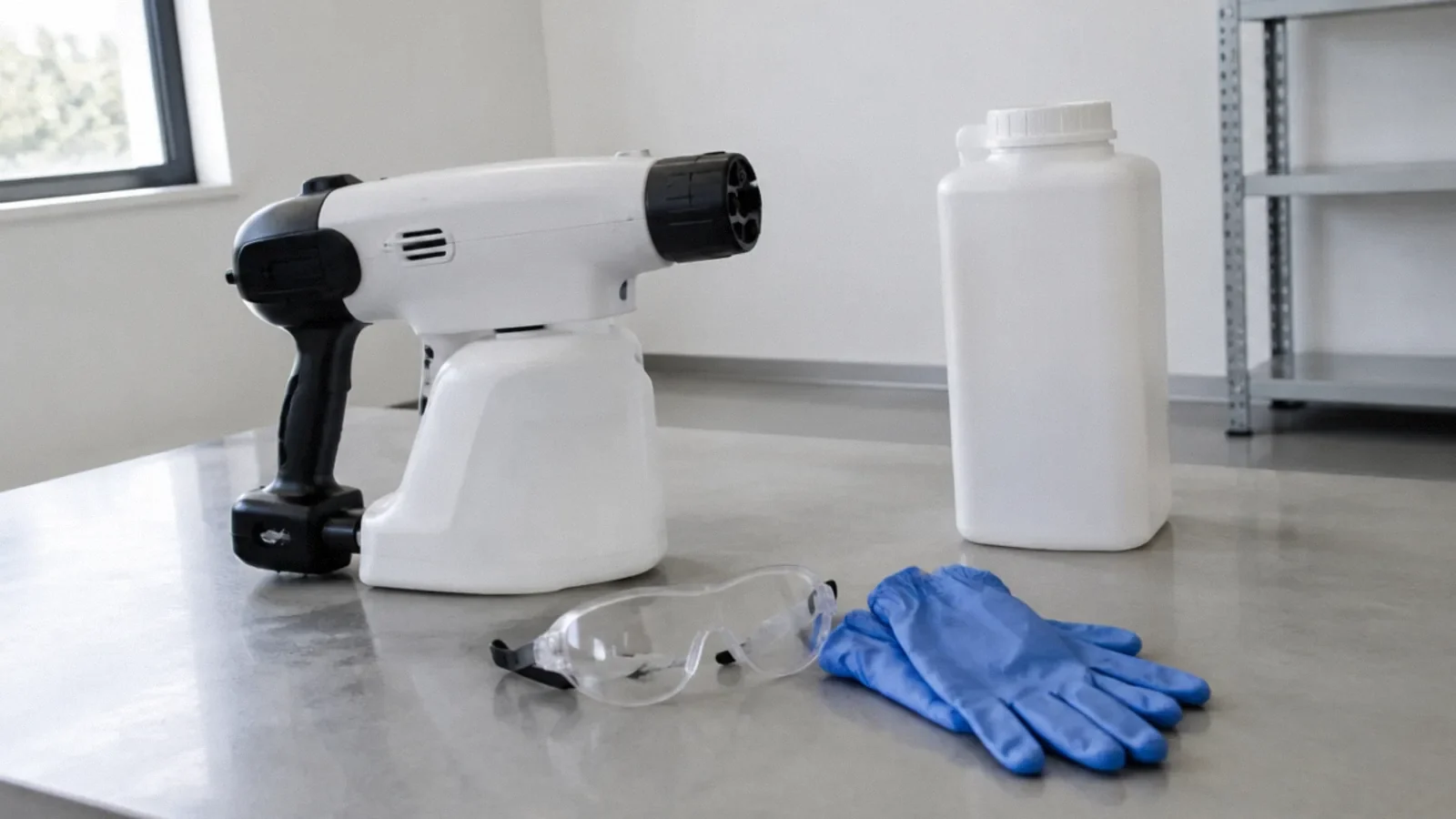
Wear suitable gloves and sturdy footwear. Do not lift more than you can safely handle, climb on unstable stacks or move heavy appliances alone. Arrange help for bulky or dangerous items.
Check for hazards before disturbing materials
Look from a safe location for leaks, damaged electrical equipment, unstable shelving, rodent activity or other hazards. Do not touch a wet electrical device or sweep unknown residue into the air. A strong fuel or chemical odor calls for leaving the area and contacting emergency services from a safe place.
If there is suspected extensive mold, sewage, asbestos-containing material or another uncertain contaminant, arrange appropriate assessment. An organizational cleanout is not a substitute for remediation or structural repair.
Sort by what happens next
Group belongings into keep, donate, recycle, ordinary disposal and items requiring special handling. Keep family documents or valuables in a separate protected place. Set reasonable limits for each category so the sorting space does not become another long-term pile.
Check donation and recycling rules before transporting items. Household batteries, electronics, paint, oil and pesticides can have special collection requirements. Do not mix products or place unknown chemicals in an ordinary donation box.
Handle hazardous products separately
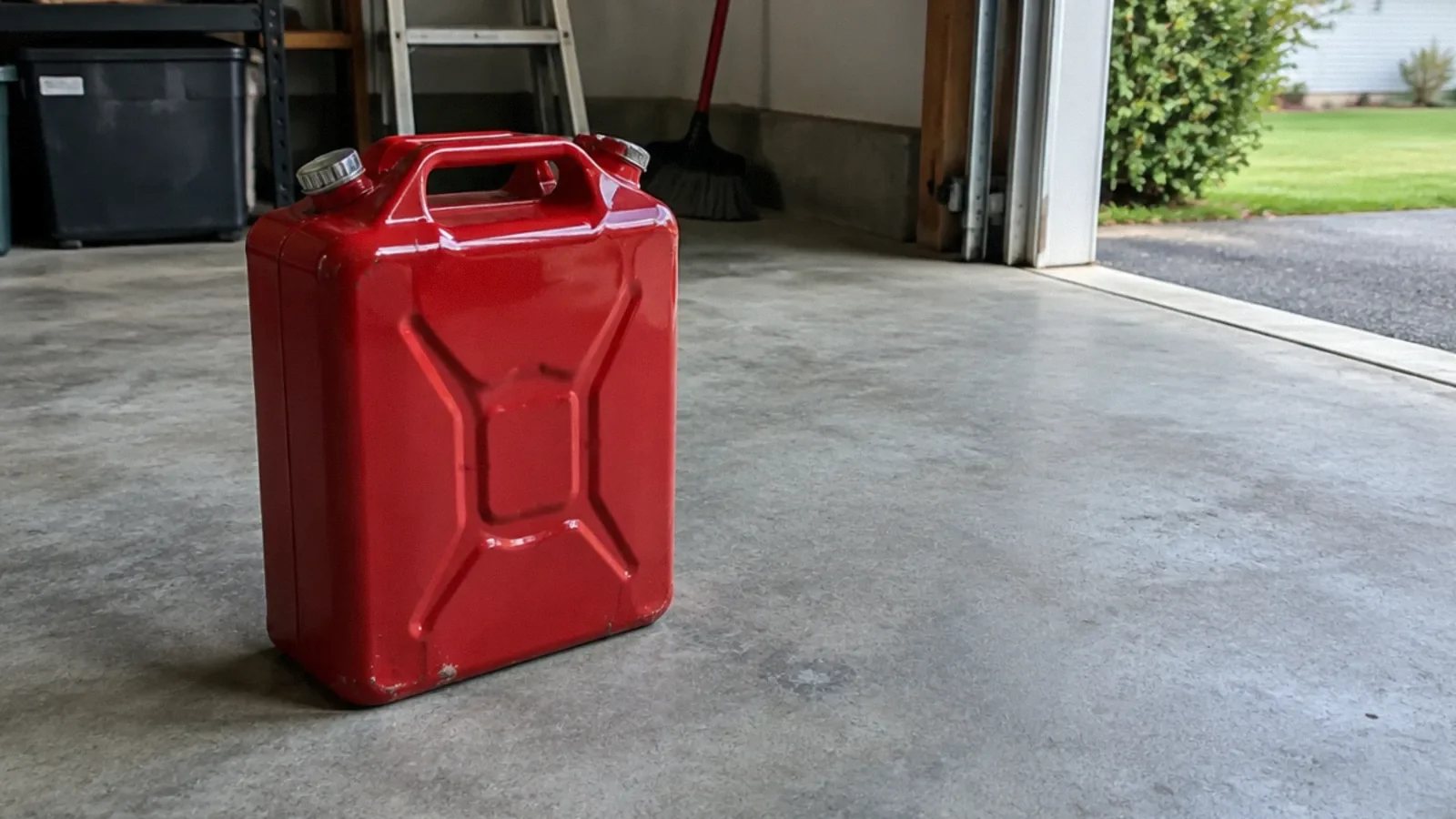
EPA identifies paints, solvents, oils, batteries, cleaners and pesticides as examples of household products that may require special care. Keep products in their original containers where possible and follow label instructions. Do not pour them into a drain, onto the ground or into a storm sewer.
Contact the local solid-waste, environmental or household hazardous waste program for accepted items and delivery instructions. Rules and collection locations vary across Bay Area communities. If a container leaks or its contents are unknown, ask the program how to handle it before moving it.
Clean suitable surfaces
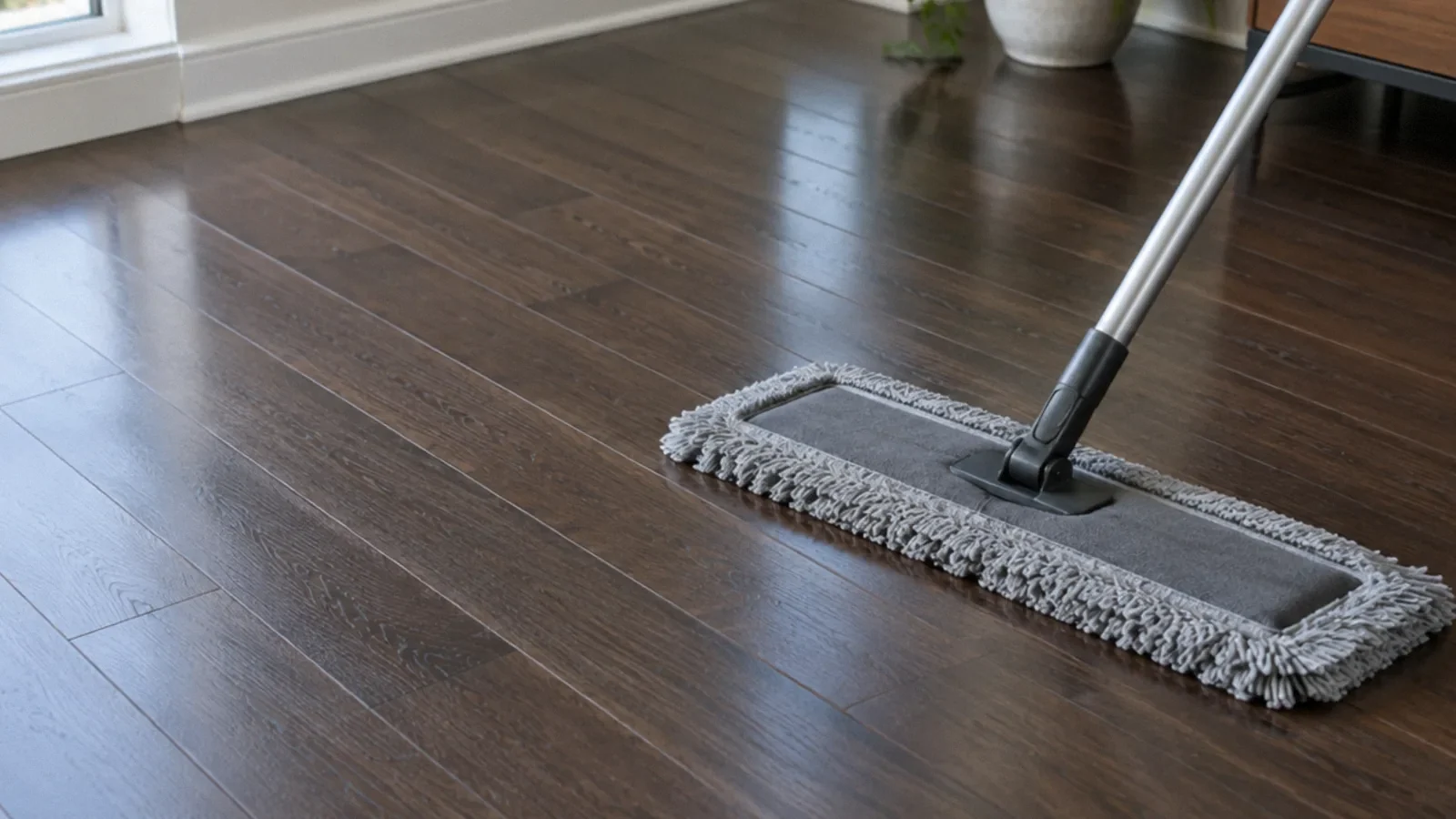
Once a section is clear, remove ordinary loose dust and clean the floor and shelves using methods suitable for their materials. Avoid generating unnecessary dust and follow cleaning-product instructions. Never mix cleaners.
A garage floor with fuel, unknown chemicals or sewage needs a different response from ordinary dirt. Do not wash contaminants into a drain. If the floor remains wet, identify and repair the water source before putting absorbent belongings back.
Organize the items you keep
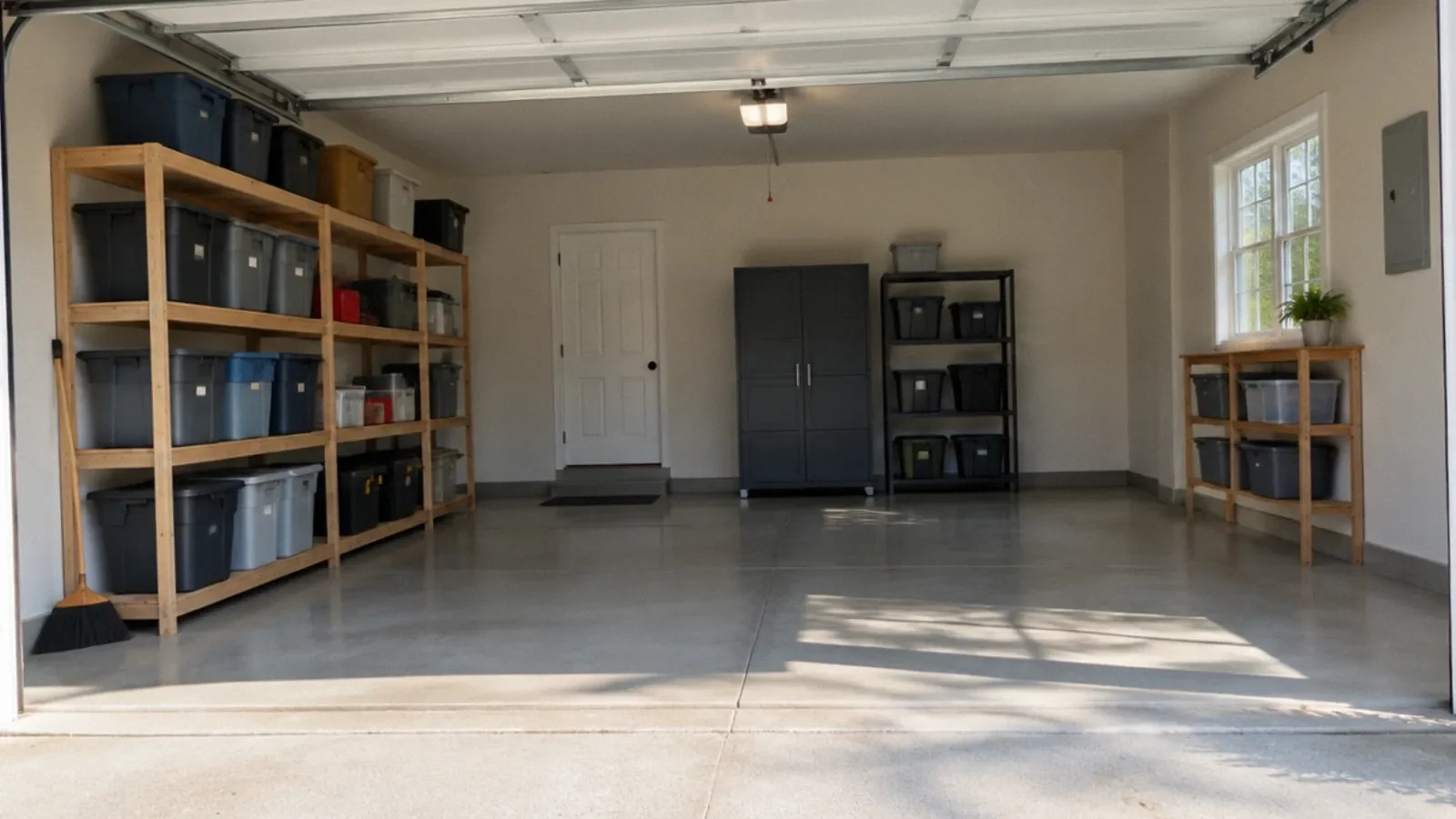
Store frequently used items where they can be reached safely. Use stable shelving with weight limits, keep heavy objects low and leave working space around electrical panels, water heaters and other service equipment. Secure hazardous products away from children and pets as required.
Use clear labels for your own storage bins and keep similar items together. Maintain access to exits and do not stack items where they can fall onto a vehicle or person. Follow product and local fire-safety instructions for fuels and chemicals.
Make the result easier to maintain
Set a short recurring time to return tools, check for leaks and remove items already designated for donation or disposal. Review seasonal supplies before adding duplicates. A simple layout should make the floor and essential equipment accessible.
If the volume of belongings, heavy lifting or contamination exceeds what you can safely handle, request an appropriately qualified service. Ask what the quote includes, how waste will be handled and whether hazardous items are excluded.
Your next-step checklist
- Clear exits and safe walking paths.
- Sort one area at a time.
- Separate hazardous products and follow local collection rules.
- Never mix chemicals or pour them into drains.
- Keep equipment access and stable storage.
Related questions
What is the first step in cleaning out a garage?
Create safe access and sort one manageable section at a time, separating hazardous products from ordinary belongings.
Can I pour old paint or oil down a drain?
No. Contact the local household hazardous waste program for disposal instructions.
What if I find a strong gasoline smell?
Leave the area and contact emergency services from a safe location; do not operate switches or search for the source.
How can I keep a garage organized?
Use stable storage, keep exits and equipment clear, and schedule brief regular checks for clutter and leaks.
Sources & context
Public guidance supports the principles in this article. The practical questions and examples are editorial interpretation, not a site assessment or a coverage decision. State-specific rules apply only where identified.
- U.S. EPA: Household hazardous wastefederal environmental guidance
- U.S. EPA: Household hazardous waste and demolitionfederal environmental guidance
- U.S. EPA: Poison prevention checklistfederal safety guidance