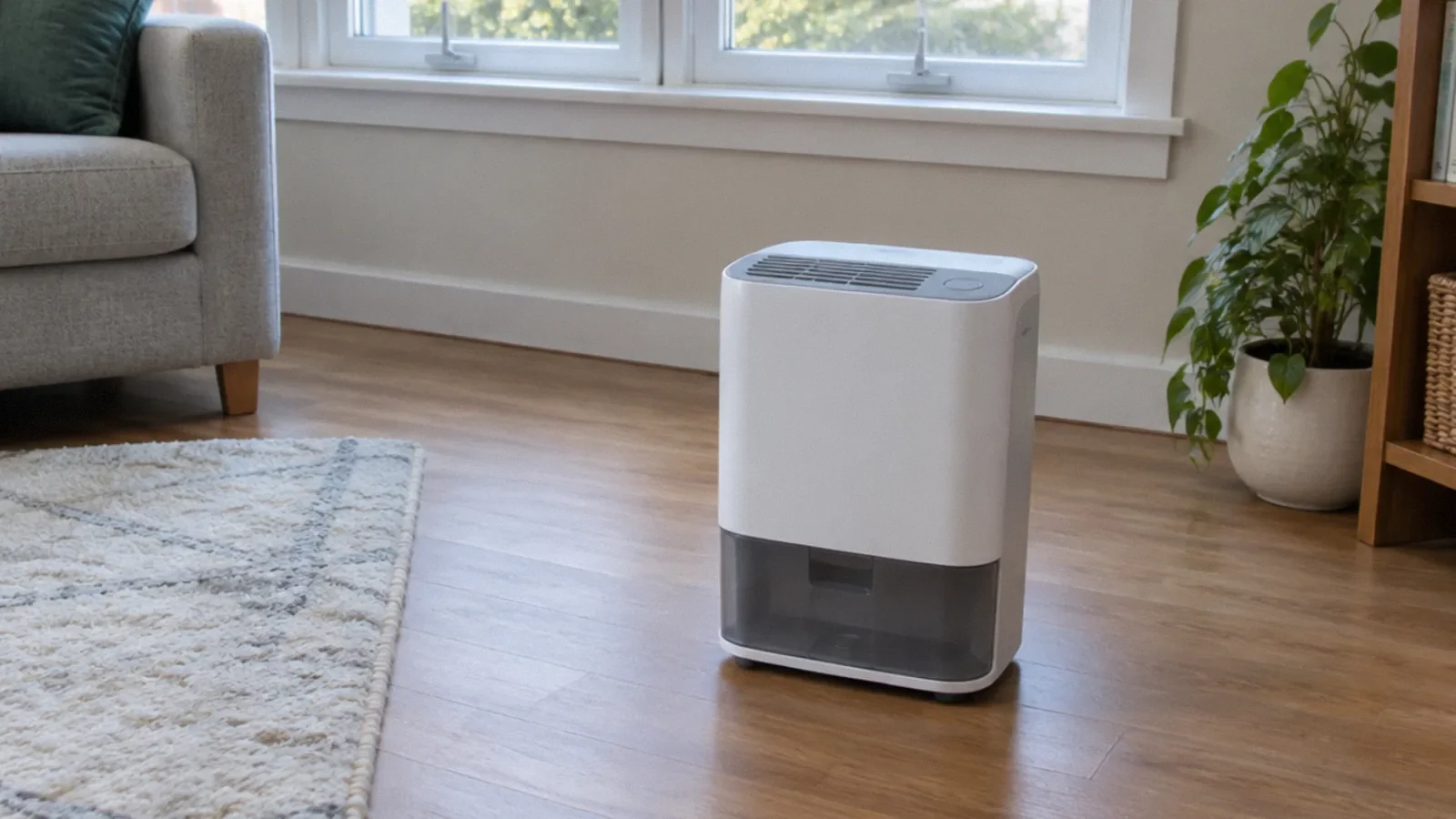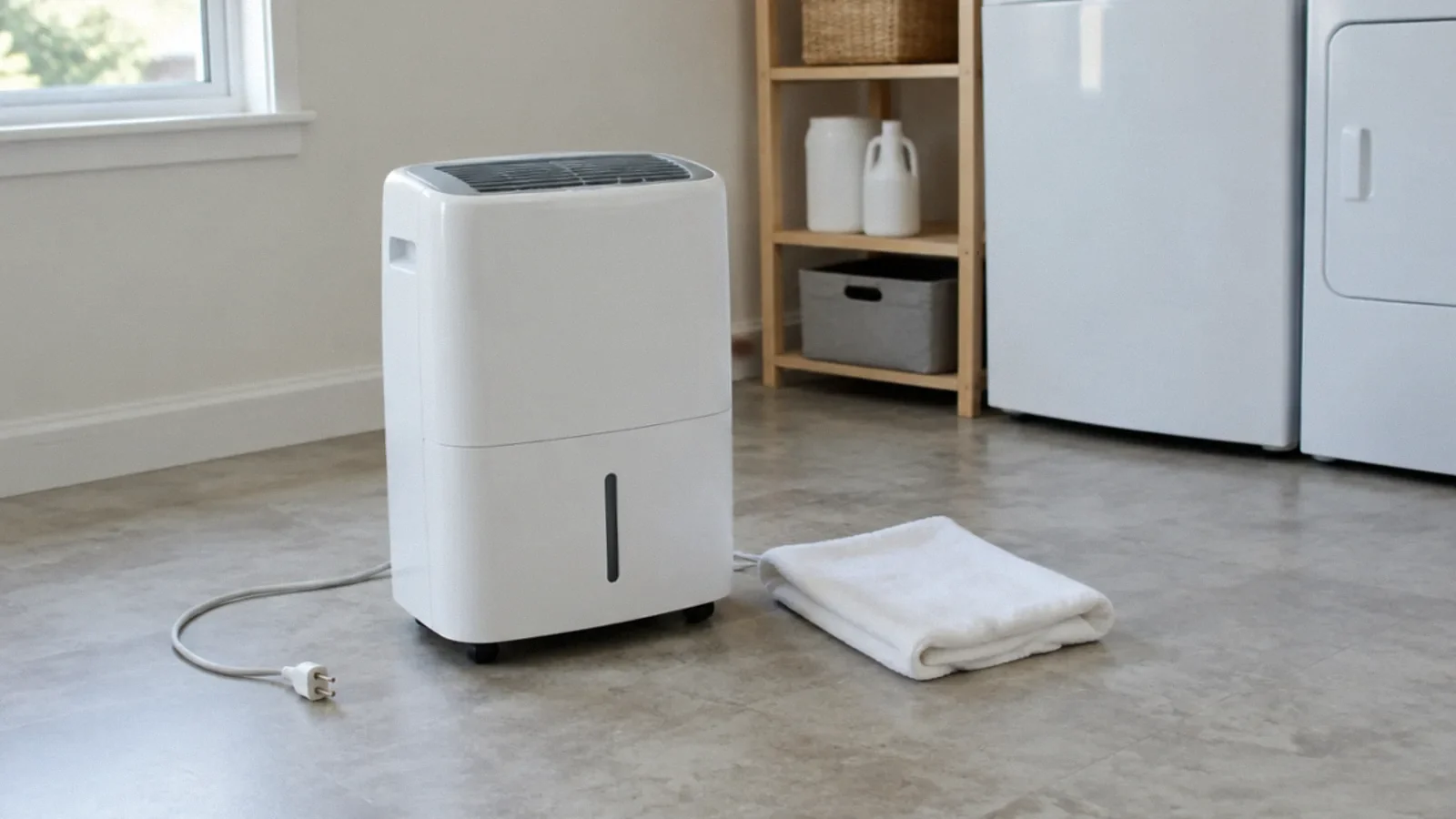
Turn off and unplug the dehumidifier from a dry, safe location before cleaning. Follow the model’s instructions for removing and cleaning the bucket and filter; keep water away from electrical components. Reinstall only clean, dry parts. If the plug, cord or appliance is wet or damaged, seek qualified help.
Start with electrical safety
Turn the appliance off and unplug it before maintenance, as GE’s dehumidifier guidance recommends. Do not touch a wet plug or stand in water to reach an outlet. If the appliance or electrical connection has been flooded, a qualified professional should determine whether it is safe to handle.
Place the unit on a stable surface and keep children and pets away while components are removed. Read the model-specific manual before opening any part. A portable household unit and professional restoration equipment can have different maintenance requirements.
Remove and empty the bucket
When the machine is safely unplugged, remove the bucket according to the manufacturer’s instructions. Carry it carefully to an appropriate drain and avoid spilling water on the floor or the appliance. Collected water is not drinking water; follow local guidance for disposal.
Inspect the bucket for residue, cracks or damaged handles without reaching into inaccessible machinery. If the bucket or float is damaged, use the replacement part specified by the manufacturer. Do not bypass a safety switch to make the unit operate without the bucket.
Clean the bucket
GE describes cleaning its bucket with clean water and a small amount of mild detergent, then emptying and rinsing it. Follow your own model’s instructions for the product, method and frequency. A soft cloth or brush suitable for the bucket can help remove accessible residue.
Never mix bleach with ammonia, vinegar or another cleaner. Keep cleaning liquid away from motors, controls and electrical connections. Rinse only as the manufacturer directs and allow the bucket and exterior to dry before reinstalling them.
Clean the air filter
Many portable models have a removable air filter, but location and cleaning instructions vary. Follow the manual for removal, vacuuming or washing; do not assume every filter is washable. Replace a damaged filter with the specified part.
If the filter is washed, let it dry completely as directed before reinstalling it. Do not operate the unit with a wet filter or without a required filter. A clogged filter can affect airflow, but a persistent fault may have another cause.
Wipe the exterior and grille
Use a cloth and cleaner approved by the manufacturer on the case. GE advises a damp cloth and mild detergent for its case and cautions against abrasives or bleach for that surface. Do not spray liquid directly into openings, controls or the power connection.
A suitable vacuum attachment may remove loose dust from an accessible grille if the manual permits it. Do not dismantle the sealed refrigeration system or reach fan blades. For internal buildup or damage, contact an appliance professional.
Hoses and drainage
If the unit uses a continuous drain hose, inspect the accessible hose for kinks, disconnection or visible buildup after the appliance is unplugged. Follow the manufacturer’s instructions for cleaning and reconnecting it. Ensure the drain destination is appropriate and does not create a leak.
Do not force a fitting or pour an unapproved chemical through the machine. If water collects around the unit, stop using it until the leak and electrical safety have been assessed. A floor that looks dry after wiping may still have moisture underneath.
Mold or persistent odor
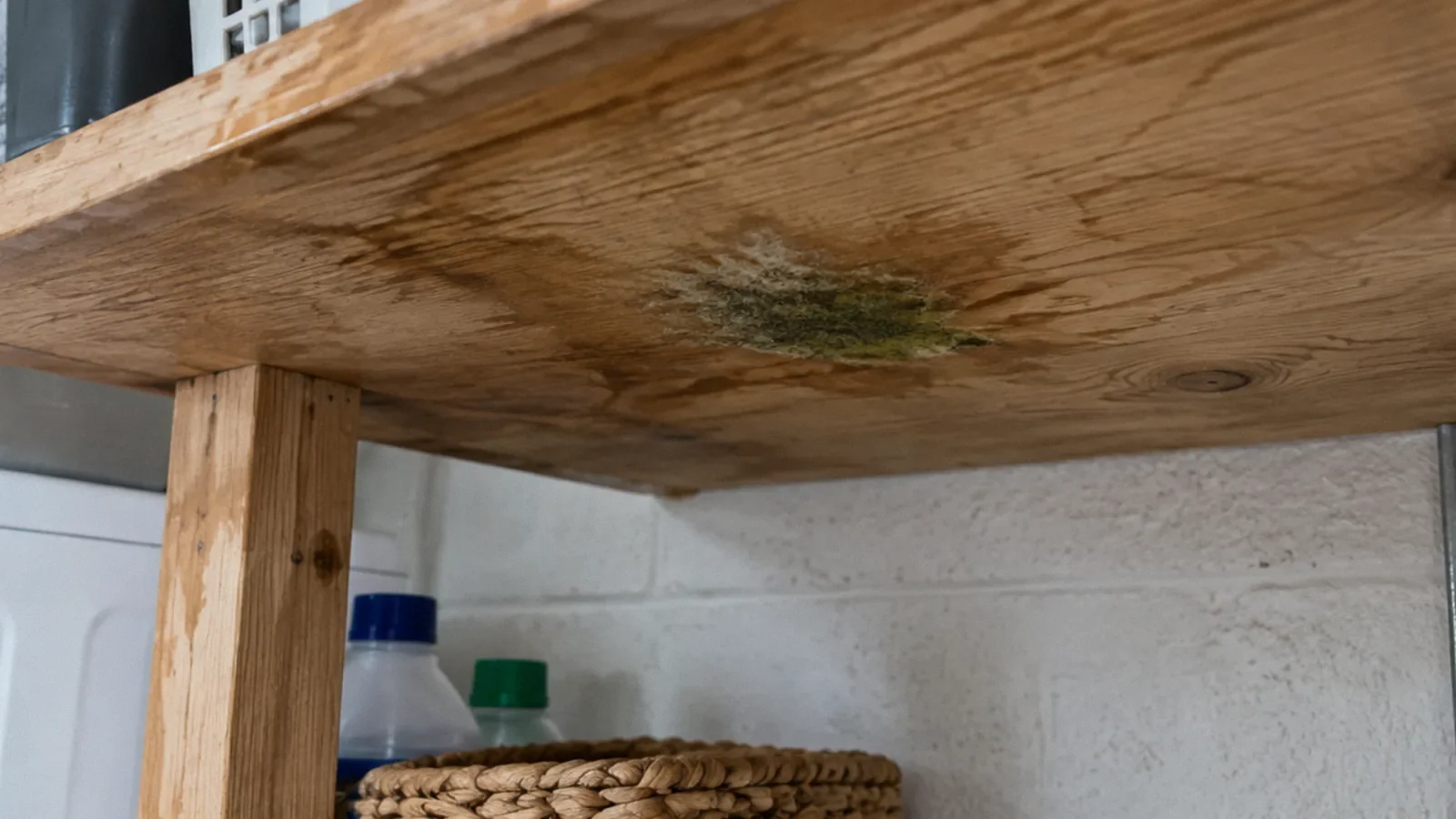
A dirty bucket can develop residue or odor, but a dark mark alone does not identify mold. Clean accessible parts according to the maker’s directions and investigate continuing moisture. People sensitive to mold or with relevant health conditions should avoid exposure and seek appropriate help.
If visible growth extends into inaccessible components, the appliance was flooded or odor returns after normal cleaning, ask a qualified service provider whether it can be safely repaired. Do not use a fragrance to conceal a fault or claim that cleaning one part disinfected the whole machine.
Reassemble and maintain
Reinstall the fully dry filter, bucket and other parts exactly as directed. Make sure the cord, plug and outlet are dry and undamaged before reconnecting power. Do not use the unit if it has a damaged cord, unusual heat, sparks or another unsafe condition.
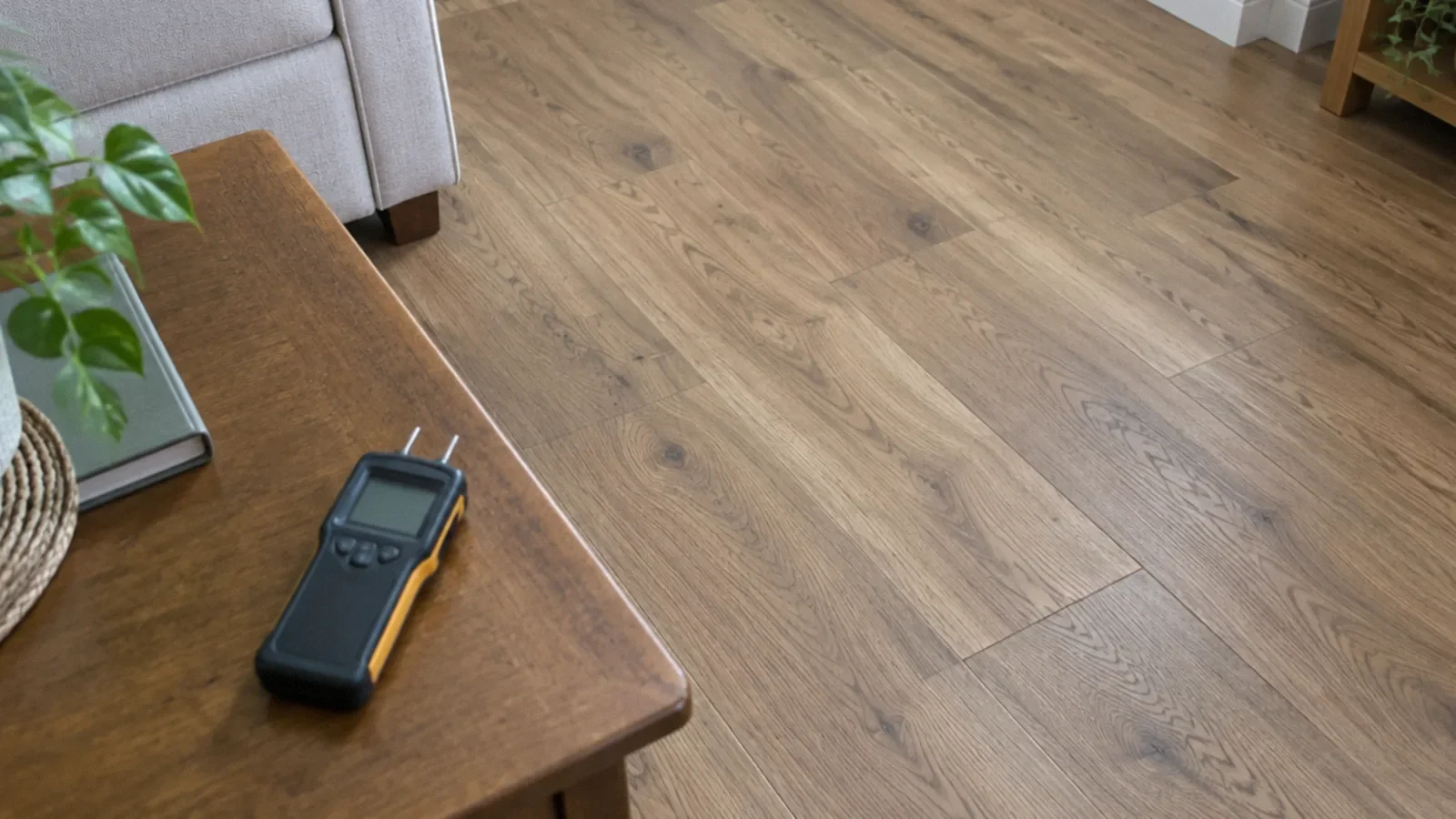
Set a cleaning schedule based on the manufacturer’s instructions and actual use. A dehumidifier can help manage indoor humidity, but it cannot repair an active leak or prove that wet wall and floor layers are dry. Address the water source and assess affected materials separately.
Inspection schedule and vinegar limitations
For a portable unit, check the bucket and drain route regularly while it is running and clean them at the interval in that model’s manual. GE advises checking certain filters every 30 days and cleaning if needed; your model may differ. Unplug before maintenance and let washable parts dry as the manufacturer directs before reassembly.
Use vinegar only if the specific manufacturer explicitly permits it for that part. Follow its dilution, contact, rinse and drying directions; never mix it with bleach or other cleaners. Do not apply liquid to electrical components. Built-in or ducted dehumidifiers have different access and maintenance requirements: consult their manual and arrange service for internal cleaning rather than applying portable-unit instructions.
Your next-step checklist
- Turn off and unplug from a dry safe location.
- Follow the model’s bucket and filter instructions.
- Keep water and cleaning products away from electrical parts.
- Dry components before reassembly.
- Arrange service for internal growth, leaks or damage.
Related questions
How do I clean a dehumidifier?
Unplug it safely, clean the bucket and filter according to the model’s instructions, dry the parts and reassemble them.
Can I wash every dehumidifier filter?
No. Check the manufacturer’s instructions; some filters require a different method or replacement.
Can I mix bleach and vinegar in the bucket?
No. Never mix bleach with vinegar, ammonia or another cleaner.
Does a full dehumidifier bucket prove the room is dry?
No. Collected water does not measure moisture in every wall, floor or concealed material.
Can I clean a dehumidifier with vinegar?
Only use vinegar if your model’s instructions permit it. GE’s general cleaning guidance specifies mild detergent and water for the bucket; never mix vinegar with bleach or clean a plugged-in appliance.
Sources & context
Public guidance supports the principles in this article. The practical questions and examples are editorial interpretation, not a site assessment or a coverage decision. State-specific rules apply only where identified.
- GE Appliances: Cleaning a dehumidifiermanufacturer guidance
- GE Appliances: Cleaning and maintenancemanufacturer guidance
- CDC: Cleaning and disinfecting with bleachpublic health guidance
- GE Appliances: Appliance cleaningprimary guidance