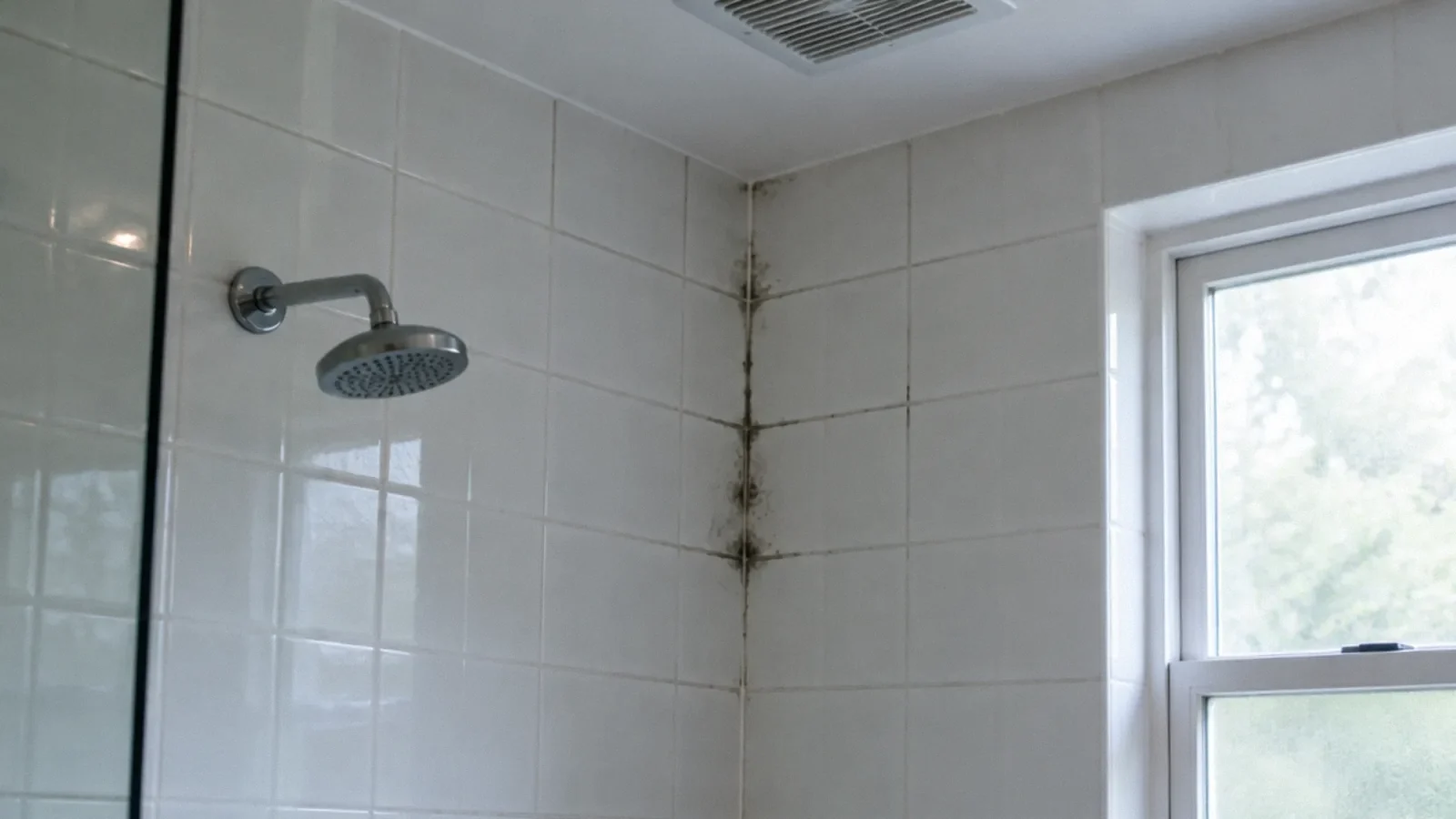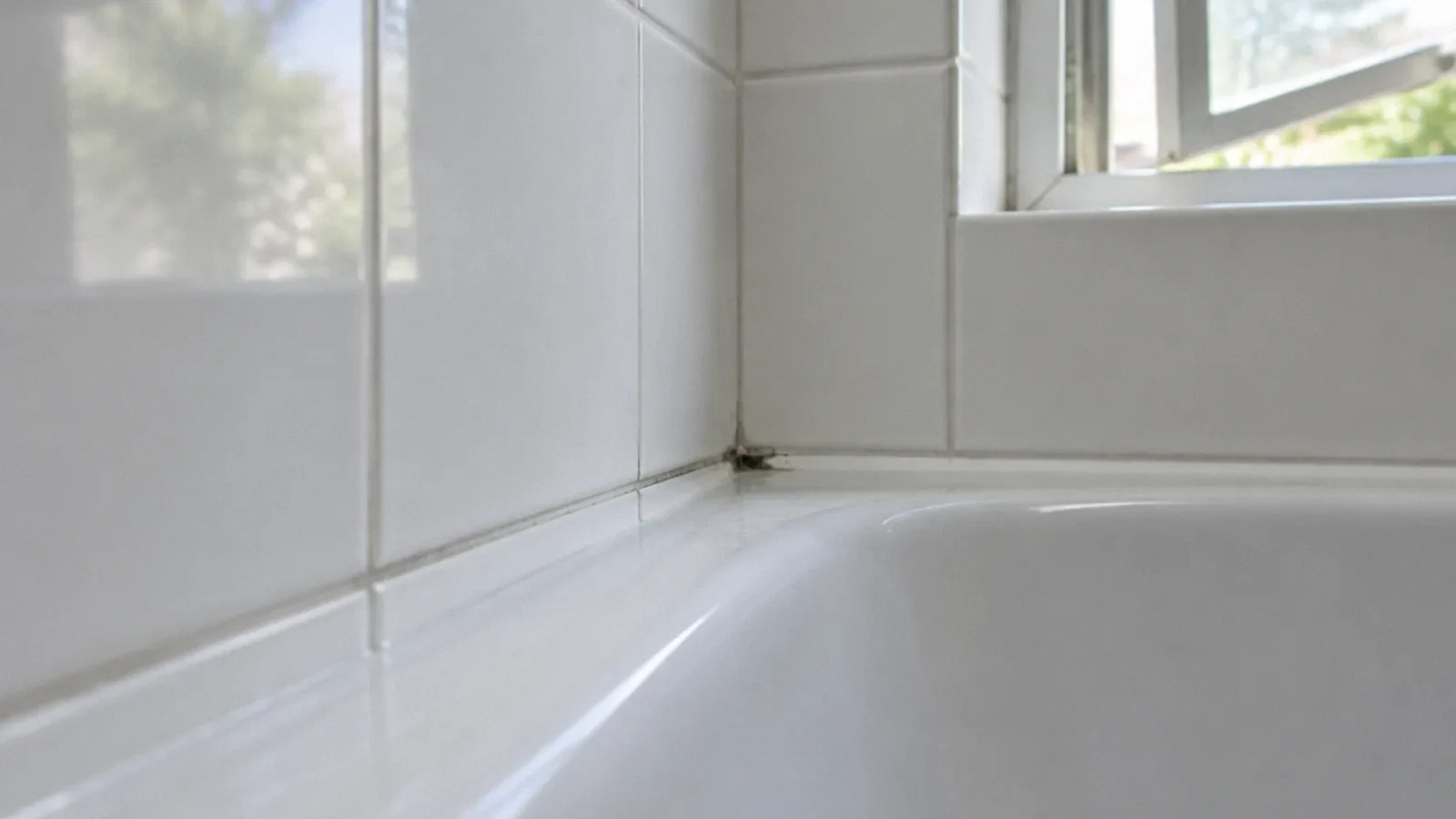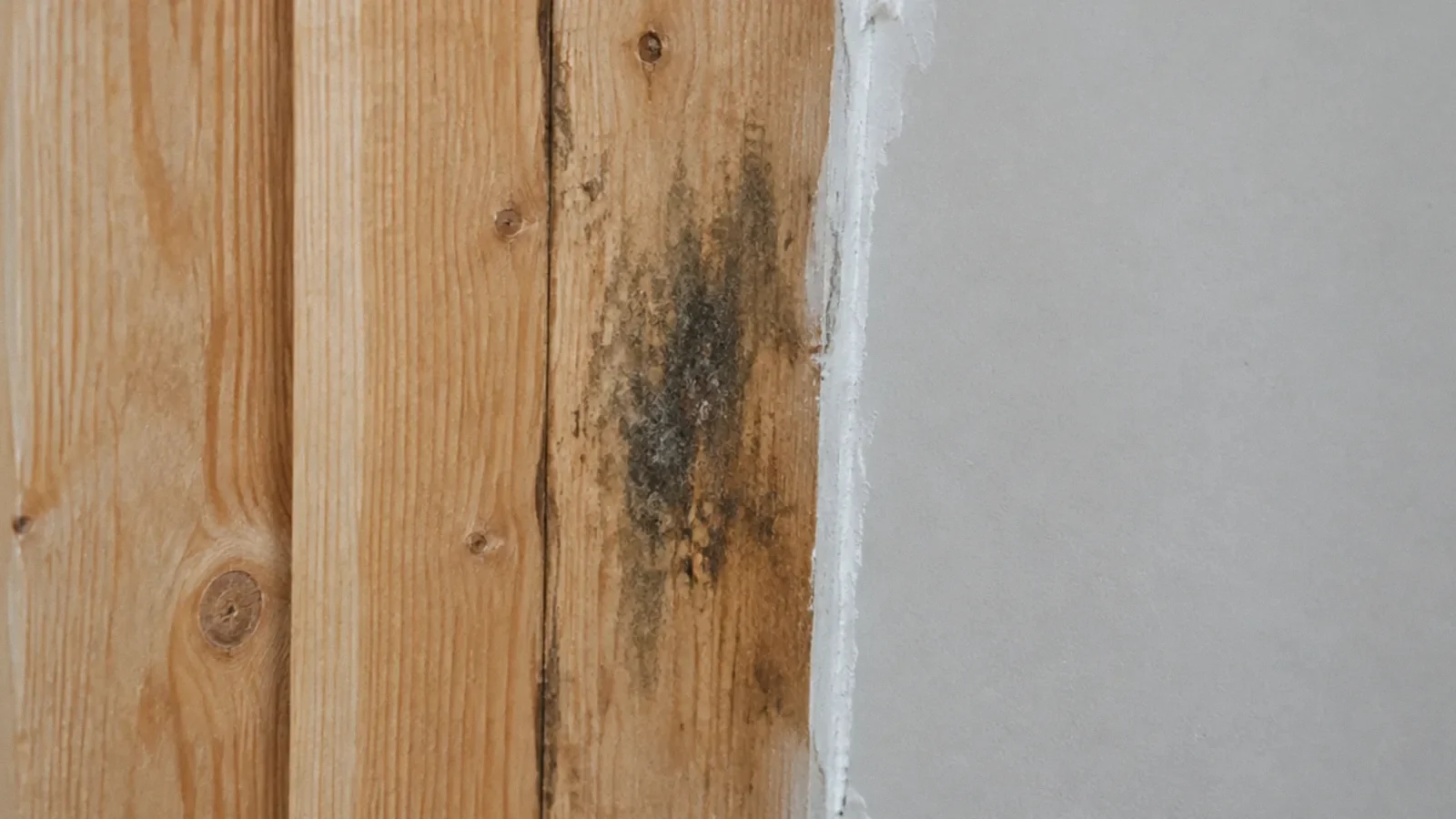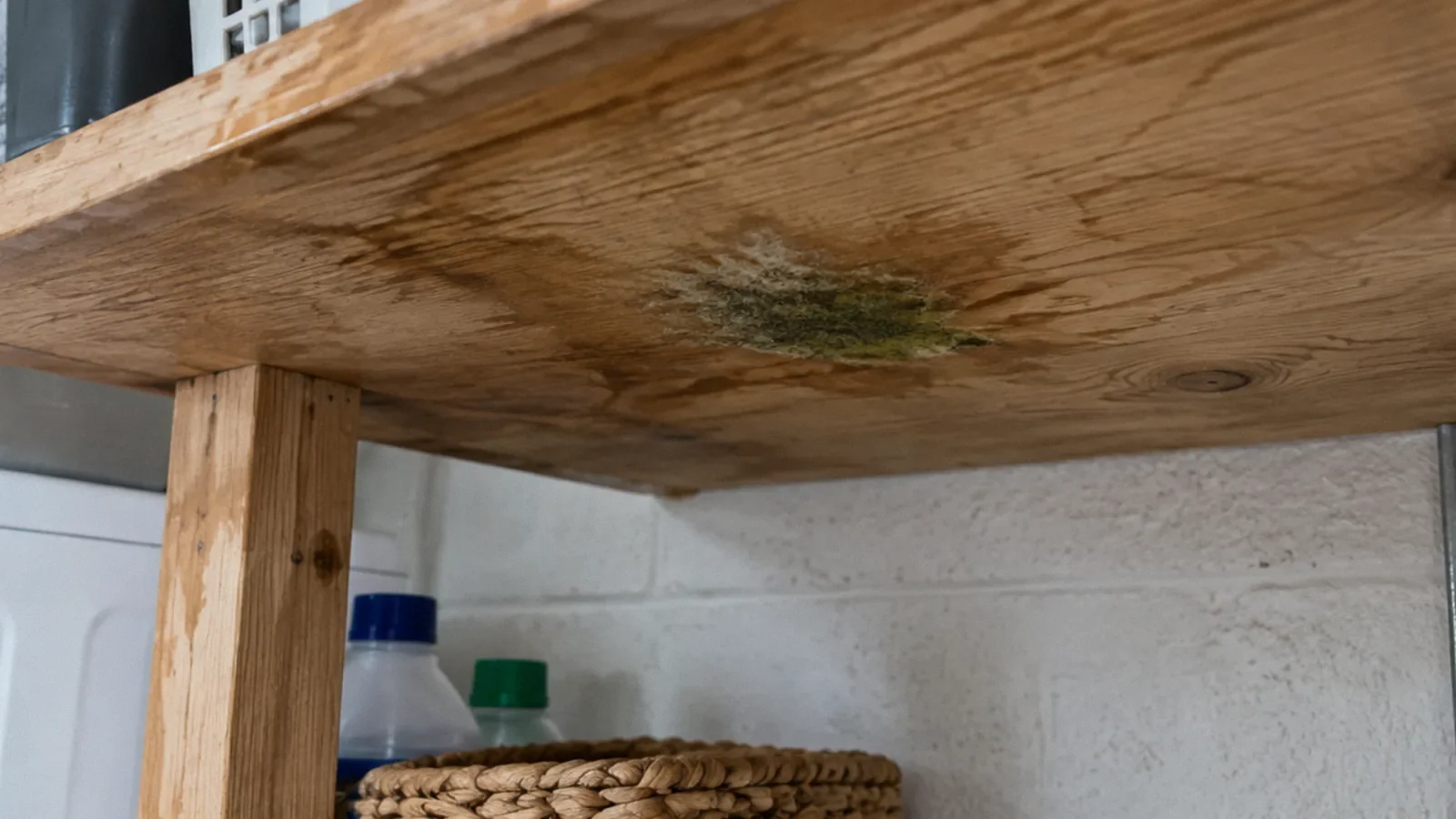
Molds are fungi that occur naturally outdoors and reproduce through microscopic spores. Indoors, mold can grow when spores land on a suitable material that stays damp. If you see growth or smell a persistent musty odor, investigate moisture and address the affected material; appearance alone cannot identify the species or determine a person’s health risk.
Mold is a type of fungus
Molds belong to a group of living organisms called fungi. Outdoors they help break down dead organic material. They reproduce by producing tiny spores that can travel through the air and enter a home through doors, windows and ventilation systems, or on clothing and belongings.
Mold and mould are different spellings of the same word. Mold is the spelling commonly used in the United States. The word does not describe one species: many different molds occur in the environment.
Common indoor mold types
The CDC names Cladosporium, Penicillium and Aspergillus among the molds commonly found indoors. These names describe groups of fungi, and different species can appear in a range of colors. A photograph, color or room location cannot reliably identify the organism.
There are many kinds of mold, and a short list of common groups is not a complete count. Mildew is a common term used for certain surface growth, while algae are a different group of organisms. For a building problem, the practical priorities are visible growth, moisture and appropriate cleanup rather than a color-based label.
Why mold can grow in a house
Spores are common in indoor and outdoor air, but they need moisture to grow. A leaking pipe, roof leak, flooded floor, wet building material or repeated condensation can create conditions that support growth. Sources may be obvious, such as a puddle, or less visible, such as moisture trapped behind a wall.
Many building contents and materials can provide a surface for mold. Paper, wood, drywall, fabrics and dust are examples. Temperature and other conditions also matter, but controlling unwanted moisture is the practical starting point. A home does not have to be flooded to develop a localized damp area.
What indoor mold may look or smell like
Growth may appear as spots or patches in a range of colors and textures. A persistent musty smell can also be a clue that a damp area needs investigation. Neither a photograph nor an odor reliably identifies the organism or establishes how much growth is hidden. Dirt, staining and other residues may resemble mold.
Look for the location and pattern: is the area near a window with condensation, a plumbing fixture, a roof penetration or a previously wet wall? Photograph what you can safely see, note when it appeared and look for ongoing leaks without opening damaged materials or disturbing a large area.
Green growth and material damage
Green or light-green growth may be mold, but color alone cannot identify an organism or establish its health effects. Other discoloration can look similar. Investigate the moisture source and the affected area rather than deciding from color whether cleanup is needed.
Ongoing growth and moisture can damage finishes and materials. Porous items may be difficult to clean completely, and suspected damage to structural wood needs qualified assessment. Record where the material is wet and address the water source as part of the cleanup.
Why moisture matters more than a species name
The EPA says there is no practical way to eliminate all mold and mold spores indoors. The useful goal is to prevent growth by controlling moisture, drying wet materials promptly and correcting the underlying cause. Cleaning a patch while a leak continues can leave the conditions that allowed it to develop.
The color or common name of a patch does not tell you whether a particular person will become ill. CDC notes that people vary in their response to damp and moldy environments. Some may have irritation, coughing or wheezing; those symptoms also have other potential causes. A clinician can assess an individual’s symptoms and circumstances.
Humidity and the limits of a single number
EPA recommends keeping indoor relative humidity below 60% when possible, ideally between 30% and 50%. That is a moisture-control guideline, not a universal threshold at which every material suddenly becomes mold-free. Different materials and conditions influence growth.
A room reading of 45% does not prove that a cold surface, wet wall or leak inside a cavity is dry. Condensation and water intrusion can create local moisture even when a central meter reads within the recommended range. Investigate persistent wet spots and correct the source.
First steps when you find a damp or moldy area
If a water leak is active, arrange to stop it when it is safe to do so. Keep away from standing water that may be in contact with electricity and seek qualified help for electrical hazards. Document water damage and contact a landlord, insurer or building manager as appropriate; keep records of communications and repairs.
For a small area on a hard surface, EPA guidance generally recommends detergent and water followed by complete drying. Porous materials may be difficult or impossible to clean completely and may need to be removed. Do not paint or caulk over visible mold. Consider experienced remediation help for extensive damage, suspected hidden growth, sewage-contaminated water or uncertainty about the scope.
Protect people during cleanup
Disturbing contaminated material can release particles. CDC advises people with asthma, mold allergies, chronic lung disease or weakened immune systems not to take part in mold cleanup. Others should follow appropriate protection guidance, including gloves, goggles and an N95 respirator or better, and keep people away from the work area.
Cleaning products also carry risks. Follow label instructions and never mix bleach with ammonia or other cleaning products. If someone has severe or rapidly worsening breathing difficulty, seek urgent medical care; do not delay medical attention while waiting for a building assessment.
Do you need a mold test?
A visible moisture and mold problem calls for action even if the species is unknown. CDC does not recommend routine air sampling as the first step in evaluating a building. A short-term sample can be difficult to interpret and cannot by itself determine an individual’s exposure or diagnose an illness.
A qualified professional may recommend an inspection or a particular test to answer a specific question. Ask what decision the proposed sampling will inform, how samples will be collected and how results will be interpreted. After repairs, check whether materials are dry and whether the moisture source and visible growth have been addressed.
Prevent the conditions that allow regrowth
Repair leaks, use exhaust ventilation where moisture is produced, and address repeated condensation. Dry wet materials promptly; EPA recommends drying wet areas and items within 24 to 48 hours when possible to help prevent growth. The right response depends on the material, how long it was wet and whether the water was contaminated.
Keep monitoring previously affected areas. If a stain returns, materials remain damp or a musty odor persists after cleaning, investigate the source instead of repeatedly covering the visible mark. Separate guides on shower cleanup and shower mold concerns explain those narrower situations.
Can a humidifier contribute to mold?
A humidifier adds moisture to indoor air; excess humidity or a wet area around the appliance can encourage mold. EPA advises keeping humidifier use at or below 50% relative humidity and avoiding wet carpet, curtains or other absorbent materials. If condensation or dampness develops, reduce output or use and dry the area.
Follow the appliance maker’s instructions for cleaning, water and filter maintenance. Standing water and dirty components can allow microorganisms to grow. If dampness or suspected mold has spread beyond a small area, address the moisture source and seek an appropriate assessment rather than simply masking the odor.
How mold spreads and how quickly
Mold can spread through microscopic spores and fragments that move through indoor and outdoor air. Growth requires suitable conditions, particularly moisture. Disturbing affected materials can release particles, so avoid unnecessary demolition or blowing air directly at visible growth.
No single number reliably predicts how fast mold will spread through a particular building. Material, temperature, moisture and the size of the affected area matter. Respond promptly to water intrusion, correct the source and seek an assessment where damage is hidden, extensive or involves contaminated water.
How long can mold or spores live without moisture?
There is no reliable universal number of days or months for every mold, material and environment. CDC notes that mold spores can survive dry conditions that do not support normal growth. A dry-looking patch therefore does not prove the material is clean or that spores have disappeared.
Reducing moisture helps prevent renewed growth, but drying alone is not a substitute for appropriate removal or cleaning of existing contamination. Fix the water problem, assess the affected material and use the cleanup method appropriate to the scope. If the area becomes wet again, spores present in the environment can grow under suitable conditions.
Can mold grow on concrete?
Concrete can become damp, and mold may grow on dust, coatings or other organic material on or near its surface. White powder on masonry may instead be a mineral deposit; a photograph or color alone cannot identify the material.
Investigate the source of moisture and avoid disturbing a large suspect area. A professional can assess the surface and whether adjacent insulation, wood or other materials are affected.
Oxygen, light, temperature and growth
EPA explains that mold needs oxygen, moisture and a food source. Mold can grow in dark or concealed areas; light is not a reliable way to prevent it. Many common building materials and the dust on them provide nutrients. Removing an active moisture source is more useful than assuming an enclosed cavity cannot support growth.
Temperature can affect which molds grow and how quickly, but there is no single temperature or room-humidity number that proves every material is safe. Different molds grow under different conditions, and cold surfaces can collect condensation in winter. A dry room does not prove a concealed wet layer is dry.
Mold on concrete floors and basement walls
Mold may grow on dust, coatings or other organic material on damp concrete, including basement walls or floors. Dark or white marks have multiple possible causes; a mineral deposit can resemble growth. Moisture under tile or beside the concrete can affect adjacent materials even when the exposed surface looks clean.
For a small accessible hard surface, EPA generally recommends scrubbing mold with detergent and water and drying completely. The extent, contamination and material condition matter. Do not disturb hidden material, enter standing water near electricity or attempt major cleanup without appropriate protection; seek a qualified assessment when the affected area is extensive or concealed.
Bathroom and wall growth: what location and texture can and cannot tell you
Bathrooms may have recurring dampness at grout, caulk or a painted wall; a wall elsewhere may be wet from a leak or condensation. Common indoor mold groups include Cladosporium, Penicillium and Aspergillus, but neither a bathroom setting nor a wall location identifies the group. Different fungi can occur on similar materials, and discoloration may also be soap residue, mineral deposits or another stain.
Molds grow as networks of fine filaments called hyphae. Their growth and reproductive structures can give a colony a fuzzy or filamentous appearance, but texture is not a species test. Green or orange discoloration can result from different organisms or nonfungal material; a photograph alone cannot resolve the cause. Investigate moisture and the material, and use an appropriately qualified investigator when identification would change a decision.
Reference photographs: green and orange growth
For a captioned green example, the University of California Statewide Integrated Pest Management program shows fungal growth on citrus fruit. The Fungal Genetics Stock Center at Kansas State University illustrates Neurospora, sometimes called orange bread mold. Both reference links are in the sources below. These are photographs of specific reference specimens, not identification keys for a household wall or bathroom.
A green or orange mark at home could be another fungus, staining or another substance. Compare only visible features and investigate dampness; neither the reference image nor the color confirms a species or health risk. EPA’s Mold Image Library also documents moisture damage, growth on building materials and similar-looking mineral deposits.
Your next-step checklist
- Identify and safely stop the moisture source.
- Document the location and extent without disturbing a large or concealed area.
- Keep people with relevant health conditions out of cleanup.
- Clean suitable hard surfaces and dry the area; seek help for extensive or uncertain damage.
- Check that repairs and drying have resolved the underlying moisture problem.
Related questions
Is mold a fungus?
Yes. Molds are fungi that reproduce by spores; the term includes many species, and not every fungus is a mold.
Can a clean house have mold?
Yes. Spores are common in the environment, and growth can occur when a leak or condensation leaves suitable material damp, even in an otherwise clean home.
Does a dark patch mean toxic mold?
Color alone cannot identify a species, show whether toxins are present or determine a person’s risk. Address the moisture and visible contamination instead of relying on appearance.
Should every mold problem be tested?
No. Visible mold and moisture should be addressed, and CDC does not recommend routine air sampling as the first step. Ask how a proposed test would change the next decision.
What does mold look like in a house?
It can appear as spots or patches in different colors and textures, but other residues can look similar. Individual spores are microscopic and appearance cannot identify a species.
What is green mold?
Green is a color, not a reliable species identification or a measure of safety. Investigate moisture and visible growth.
Can mold damage building materials?
Yes. Ongoing moisture and growth can damage some materials. The extent and repair depend on the affected assembly and should be assessed.
What are common types of indoor mold?
CDC identifies Cladosporium, Penicillium and Aspergillus among common indoor molds. Appearance alone cannot reliably identify a species.
Is algae a type of mold?
No. Algae and molds are different groups of organisms, and a visual stain should not be identified by color alone.
Can mold look fuzzy?
Yes, some growth can look fuzzy, but texture alone cannot confirm what it is. Assess moisture and the affected area.
What are signs of mold in a home?
Visible growth, musty odor and persistent moisture can be clues. A stain or color alone does not identify the organism or the full extent.
Can I identify a mold species by looking at it?
Color and appearance alone are not reliable species identification. A qualified investigator can explain whether testing would change the cleanup decision.
What colors can mold be?
Mold can appear in different colors, including white, green or dark shades. Color alone cannot identify the organism or establish safety.
How can indoor mold growth be prevented?
Control moisture, correct leaks and address damp materials. A building cannot be kept completely free of airborne spores.
Can mold grow if indoor humidity is 45%?
A room reading of 45% alone cannot rule it out. A wet material or cold surface can have different local moisture conditions; correct leaks and condensation.
Can a humidifier cause mold in carpet?
A humidifier can contribute if it leaves carpet damp or raises indoor humidity too high. Reduce its output, dry the material and follow EPA and manufacturer guidance.
What does orange-looking mold look like?
A patch can appear orange for several reasons. Color or a photograph cannot reliably identify the organism; investigate moisture and seek appropriate assessment.
Can a humidifier help with mold?
A humidifier adds moisture and is not a mold remedy. Excess humidity or damp carpet can encourage growth; follow EPA and manufacturer guidance and correct the moisture source.
Can a mold identification chart tell me the species?
No. Photos and color charts are useful visual references, but appearance alone cannot reliably identify a species or establish health risk.
Where can I see actual household mold pictures?
The EPA Mold Image Library linked in the sources includes captioned examples from buildings and images of look-alike mineral deposits. Compare context, and do not diagnose from a photograph alone.
Can water damage cause mold?
Persistent moisture from a leak or condensation can allow mold to grow on suitable material. Fix the moisture source and assess any visible growth; color alone does not identify a species or its risk.
Does mold die as soon as moisture is removed?
No. Some mold spores can survive dry conditions. Control moisture and address existing contamination; no universal survival time applies to every situation.
Does cold weather kill mold?
Cold can slow or interrupt growth, but freezing is not a reliable method for eliminating all mold or spores. Control moisture and clean or remove affected materials appropriately.
Can mold appear overnight after a leak?
Growth rate and visibility vary with the material, moisture and conditions. Do not wait for visible growth: EPA recommends drying wet materials within 24–48 hours when possible to help prevent mold.
Is mold a plant?
No. Mold is a type of fungus. Fungi are distinct from plants, and many molds reproduce by producing microscopic spores.
Is mold airborne?
Mold spores can travel through indoor and outdoor air. Airborne particles alone do not show that visible growth is present or establish a health diagnosis.
Can mold grow in water?
Microorganisms, including fungi, can be present in water and biofilms. Conditions and available nutrients matter; a dark deposit or water sample does not identify a specific mold by appearance.
How can I tell mold from dirt or dust?
A visual pattern alone cannot reliably distinguish mold from dirt, soot or another deposit. Investigate moisture and the affected material; an experienced professional can assess uncertain or extensive areas.
Does rainbow-colored mold identify a species?
No. Mold and other deposits can appear in different colors, sometimes together. Appearance cannot reliably identify species or establish health risk.
What are the stages of indoor mold growth?
Spores can settle on damp material, grow into a colony under suitable conditions and release additional spores. Timing and appearance vary; a visible patch cannot reliably date the growth.
Is Cladosporium the same as black mold?
Cladosporium is a genus of mold; “black mold” is an imprecise color description used for different organisms. A dark appearance cannot identify a genus or establish health risk.
Can mold grow on rubber?
Moisture and organic residue on a rubber surface or gasket can support microbial growth. A dark mark does not identify the organism; clean accessible parts according to the manufacturer and correct persistent moisture.
What does a mold bloom mean?
People may use the phrase for a noticeable increase in growth. Appearance does not establish its age or species; investigate and correct the moisture source.
Can mold look rusty or stringy?
Some growth can appear in varied colors or textures, but stains, dust and other deposits can look similar. Appearance alone cannot identify the material or its risk.
Is there good mold and bad mold?
Some selected molds are used in controlled food production, while unwanted indoor growth should be addressed. Color alone does not establish whether a particular patch is safe.
Does mold move or spread?
Mold releases microscopic spores that can travel through air or be carried on items. Growth can develop on damp materials under suitable conditions; a pattern alone cannot identify the species.
Can mold grow on plastic?
Moisture and organic residue on a plastic surface can support microbial growth. A visible spot does not prove that the plastic itself is being consumed or identify an organism.
Is green or greenish-black mold dangerous?
Color does not identify a mold species or determine the health risk. Avoid disturbing extensive growth, correct the moisture source and seek qualified help where the affected area or health concerns warrant it.
Is mold the same as fungus?
Molds are types of fungi, but fungus is a broader category that includes many organisms beyond the molds commonly found on damp building materials.
What is the deadliest or worst mold?
There is no useful way to rank a household growth by color or appearance. Health effects depend on exposure and individual circumstances. Address moisture and contamination and seek medical advice for concerning symptoms.
Are mushrooms mold?
Mushrooms and molds are both fungi, but a mushroom is not simply a mold colony. A mushroom growing indoors indicates a moisture problem and needs assessment of the affected material and water source.
How can I tell mold from rust?
Rust and mold can both discolor a surface, and appearance alone may be inconclusive. Consider the material, moisture source and pattern; do not disturb a large suspected growth. A qualified assessment can help when the distinction affects the repair.
What does mold feel like to touch?
Growth may have different textures, but touching it cannot reliably identify it and may disturb material. Avoid direct contact, especially with extensive growth, and investigate the moisture source.
Is dead mold harmless?
Drying or killing growth does not necessarily remove fragments and other material that can still affect sensitive people. Appropriate cleanup and correction of the moisture source remain important; appearance alone cannot establish whether growth is active.
Can mold have benefits?
Fungi have useful roles in nature and controlled production. For example, Penicillium mold produces the antibiotic penicillin, as described by the U.S. National Library of Medicine. That does not make uncontrolled damp indoor growth desirable or safe.
Is slime mold the same as indoor mold?
Some organisms called slime molds are biologically different from the fungi commonly called molds. Appearance alone does not identify a growth; avoid disturbing an uncertain area and investigate moisture.
Sources & context
Public guidance supports the principles in this article. The practical questions and examples are editorial interpretation, not a site assessment or a coverage decision. State-specific rules apply only where identified.
- US EPA: What is mold?official guidance
- US EPA: Why is mold growing in my home?official guidance
- US EPA: A brief guide to mold, moisture and your homeofficial guidance
- US EPA: Mold cleanup in your homeofficial guidance
- CDC: Mold and healthpublic health guidance
- CDC: Mold cleanup guidelinespublic health guidance
- CDC/NIOSH: Mold testing and remediationpublic health guidance
- CDC: Mold and common indoor typesfederal health guidance
- EPA: Use and care of home humidifiersfederal guidance
- EPA archived Mold Image Library: captioned photographsgovernment educational photo reference
- CDC: Mold spores and dry conditionsfederal background
- CDC: Preserving mold isolates by freezingfederal laboratory guidance
- U.S. EPA: Mold in schools fact sheetfederal guidance
- U.S. EPA: Mold investigationfederal guidance
- CDC collection: Mold growth and moisturepublic health guidance
- U.S. National Library of Medicine: Penicillinfederal medical history
- EPA: Introduction to Moldsofficial guidance
- UC IPM: Captioned green mold on citrusreference
- Fungal Genetics Stock Center: Neurospora reference photographsreference
- EPA: Mold and mildew; hyphaereference
- EPA: Mold Image Libraryreference