Some molds are deliberately used to make foods and medicines, but unwanted indoor growth signals a moisture problem. Color alone cannot establish species or safety; address the moisture and clean or remove affected material.
What people mean by good and bad mold
Mold is a group of fungi, not one substance with a single effect. In nature it breaks down dead organic material, recycling nutrients. People also use selected molds in controlled food production and to make medicines. That useful role does not mean a patch growing on a damp wall is desirable or safe to ignore. The question is what is growing, where, and under what conditions.
Spores occur naturally outdoors and indoors. They can settle on a damp surface and grow when moisture and suitable material are available. A practical household goal is not a claim of eliminating every spore; it is controlling water and addressing unwanted growth. EPA notes that mold can grow on paper, wood, carpet and food.
Useful mold in food is selected and controlled
Some cheeses are intentionally made with specific mold cultures. UConn Extension identifies blue-veined cheeses and surface-ripened cheeses such as Brie as examples. The molds used during manufacture are part of a controlled process; the appearance and handling instructions of a particular product matter. Store it as directed and respect use-by and safety guidance.
Do not infer that any mold on any cheese or other food is safe. An unexpected fuzzy patch on bread, leftovers or soft cheese is different from a culture intentionally used in production. Mold can extend below the visible surface, and food safety depends on the type of food. Follow UConn Extension’s food-specific guidance rather than simply scraping off a suspicious spot.
A color is not a safety test
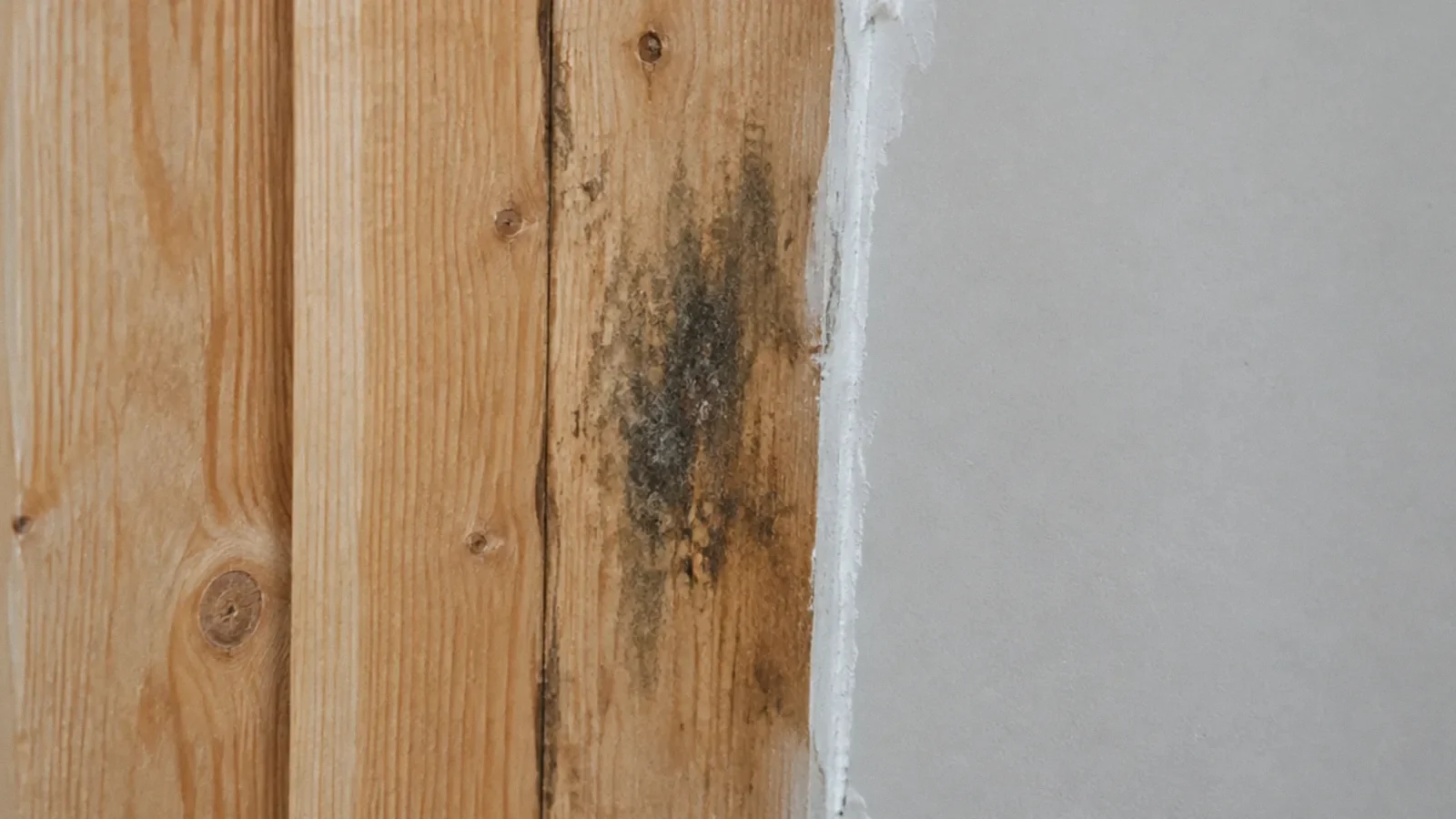
Mold can appear in many colors. Black, green, white or orange does not reliably identify the organism, whether it produces toxins, or how a particular person will react. A dark patch is not automatically a particular species, and a light patch is not automatically harmless. Even material that turns out not to be mold can indicate a leak or other problem needing attention.
If you see growth, photograph it for your records and investigate moisture without disturbing it. Professional testing may sometimes answer a specific question, but EPA says routine sampling is generally unnecessary when visible mold is present. The immediate decision is how to correct the moisture and clean or remove affected material safely.
Why unwanted indoor growth matters
Damp indoor materials can support growth and may be associated with odors, damage and health concerns. People vary in sensitivity; people with asthma, allergies or immune problems may need particular care. Symptoms have many possible causes, so a photograph or an article cannot diagnose exposure or illness. Discuss health concerns with a healthcare professional.
The material matters as well as the visible area. A hard nonporous surface can often be cleaned, while absorbent materials may be difficult or impossible to clean thoroughly once moldy. A patch on drywall can reflect moisture behind it; painting over the surface does not resolve the cause. A recurring patch is a reason to recheck the leak, humidity or concealed damage.
What to do when you find it
Fix the moisture source first or as part of cleanup. Stop a safe, accessible leak, arrange repairs and dry wet materials promptly. EPA advises drying wet areas and items within 24 to 48 hours when possible to help prevent mold growth; this is a prevention target, not a guarantee that mold starts at an exact hour. If electricity, sewage, structural damage or extensive flooding is involved, stay away and use qualified help.
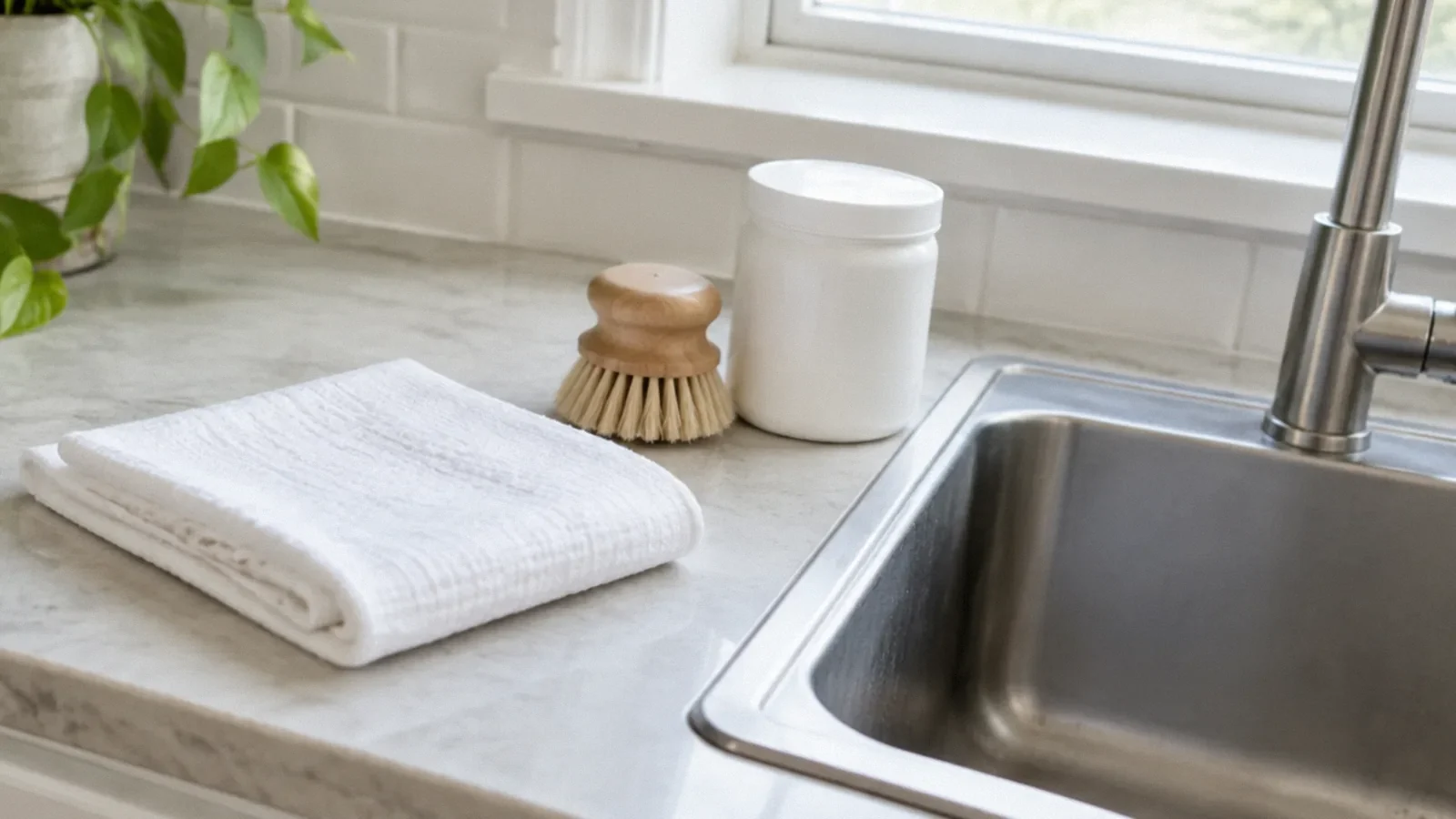
For a small area on a hard surface, EPA describes scrubbing with detergent and water and drying completely. Follow its protective guidance and product instructions; do not mix cleaning chemicals. Porous moldy items may need disposal. If the affected area is large, hidden, recurs, involves contaminated water or occupants have particular health concerns, consult an experienced remediation professional.
Testing and professional scope
Before paying for a test, ask what decision it will change. A sample is a snapshot of a specific location and time, and interpreting results requires context. A laboratory result does not replace finding the leak or inspecting the affected materials. A remediation proposal should identify the moisture source, the materials involved, containment where appropriate and the conditions for completion.
After work, check that the source has been corrected, affected materials are dry and visible growth and related odors have not returned. Retain photographs and repair records. If moisture returns, investigate it rather than repeatedly applying a surface treatment. No responsible contractor can promise a building will contain zero mold spores.
Prevent the next problem
Maintain the roof, plumbing and drainage; repair leaks promptly. Use bathroom and kitchen exhaust ventilation appropriately, and address condensation on cold surfaces. Monitor areas that remain damp, including below sinks and around windows. Indoor humidity and ventilation needs depend on climate and the building, so a persistent problem may require an assessment rather than a single appliance.
Food storage is a separate task: follow the product label and food-safety guidance, clean spills and discard food when its safety is uncertain. Useful mold in a manufactured food does not change how you should respond to unexpected growth on that food or on a building surface.
Your next-step checklist
- Identify the situation and document relevant conditions.
- Address the underlying cause before repairing or replacing affected materials.
- Use qualified help when hazards or the scope exceed your abilities.
- Keep inspection, repair and follow-up records.
Related questions
Is white mold good mold?
Color does not show whether growth is safe. Address unwanted growth and its moisture source.
Can I paint over mold?
Painting does not correct moisture or remove growth. Clean or remove affected materials and fix the source first.
Sources & context
Public guidance supports the principles in this article. The practical questions and examples are editorial interpretation, not a site assessment or a coverage decision. State-specific rules apply only where identified.
- What is mold?primary
- A Brief Guide to Moldprimary
- Handling Food with Moldprimary
- Cheese: Storage and Handlingprimary