A reported Acremonium finding describes a particular sample, not a whole-house diagnosis or an individual’s health outcome. Review the laboratory method and investigate moisture and affected materials.
What does Acremonium mean on a report?
Acremonium is a fungal name that may appear in an indoor environmental report. It describes the laboratory’s identification of material in the particular sample provided; it is not a map of the whole house. Start by checking where the sample was collected, whether it was air, surface or bulk material, and what method the laboratory used.
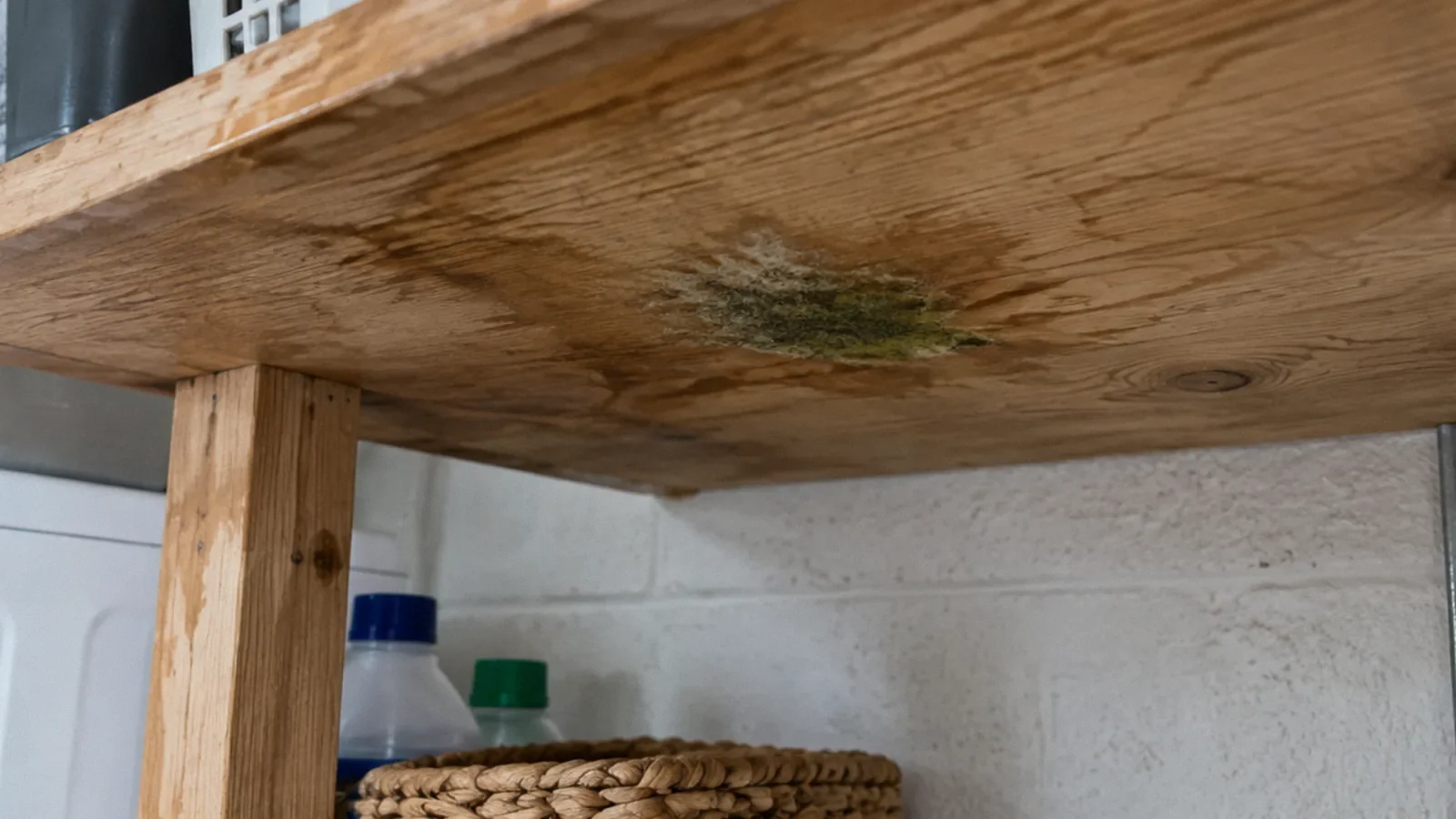
A study of more than 5,300 samples from visibly affected building materials in Denmark and Greenland found Acremonium among the fungi present on damp or water-damaged materials, including associations with gypsum and wallpaper. Those selected samples are not representative of every home and do not establish an occupant’s illness. A visual appearance, color or photograph cannot establish the genus.
Why an older name may differ
Acremonium has a complicated taxonomic history. Molecular research found that fungi historically grouped under the broad name do not all belong to one close evolutionary lineage, and researchers have revised names and genus boundaries. An older report, a current laboratory and a scientific article may therefore use different names or levels of identification.
Ask the laboratory which naming reference and method it used, what level of identification the evidence supports and whether it can distinguish similar organisms. Do not convert a genus-level report into a species diagnosis. A taxonomic paper about reference isolates does not prove the identity of a sample taken from a particular house.
Understand the sample before the number
A tape lift or material sample addresses a selected surface or piece; an air sample represents particles collected during a limited period at a particular location. A culture depends on what grows under its laboratory conditions. Sampling position, airflow, disturbance and method influence findings, so results from different methods are not automatically interchangeable.
Ask for collection and analytical details, reporting units, any comparison samples and the laboratory’s limitations. A low air count cannot prove that a concealed wall is dry or free of growth. A positive result also does not establish how much material is hidden elsewhere. CDC discourages routine mold testing as the first response to an obvious moisture and growth problem.
What the result says about health
An environmental sample cannot diagnose infection, allergy or another illness, and it does not reconstruct a person’s dose over time. CDC describes respiratory or allergic effects in some people in damp environments, while others may have no symptoms. Those symptoms also have many other possible causes.
People with asthma, mold allergies, chronic lung disease or weakened immune systems may need individualized precautions. Discuss symptoms, medical history and the complete report with a clinician. Seek urgent care for severe breathing difficulty or another acute concern. Do not treat the species name as a medical verdict.
Trace moisture at the actual location
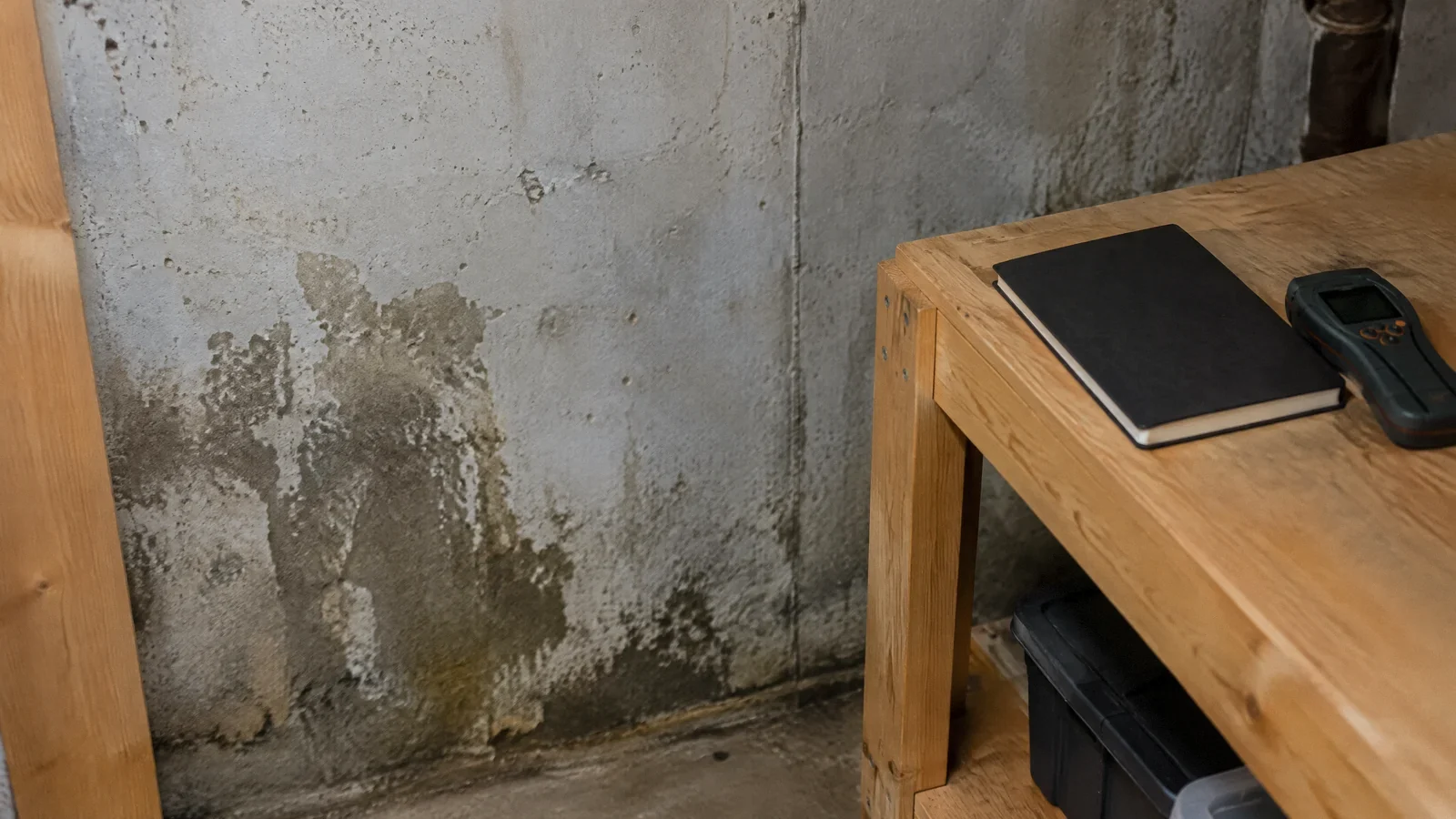
Examine the reported location and surrounding materials for a plumbing leak, roof or window entry, condensation, or a prior flood. A wet wallboard surface, paper facing and adjacent insulation can have different conditions. The presence of a named fungus does not reveal how water entered or when the material became wet.
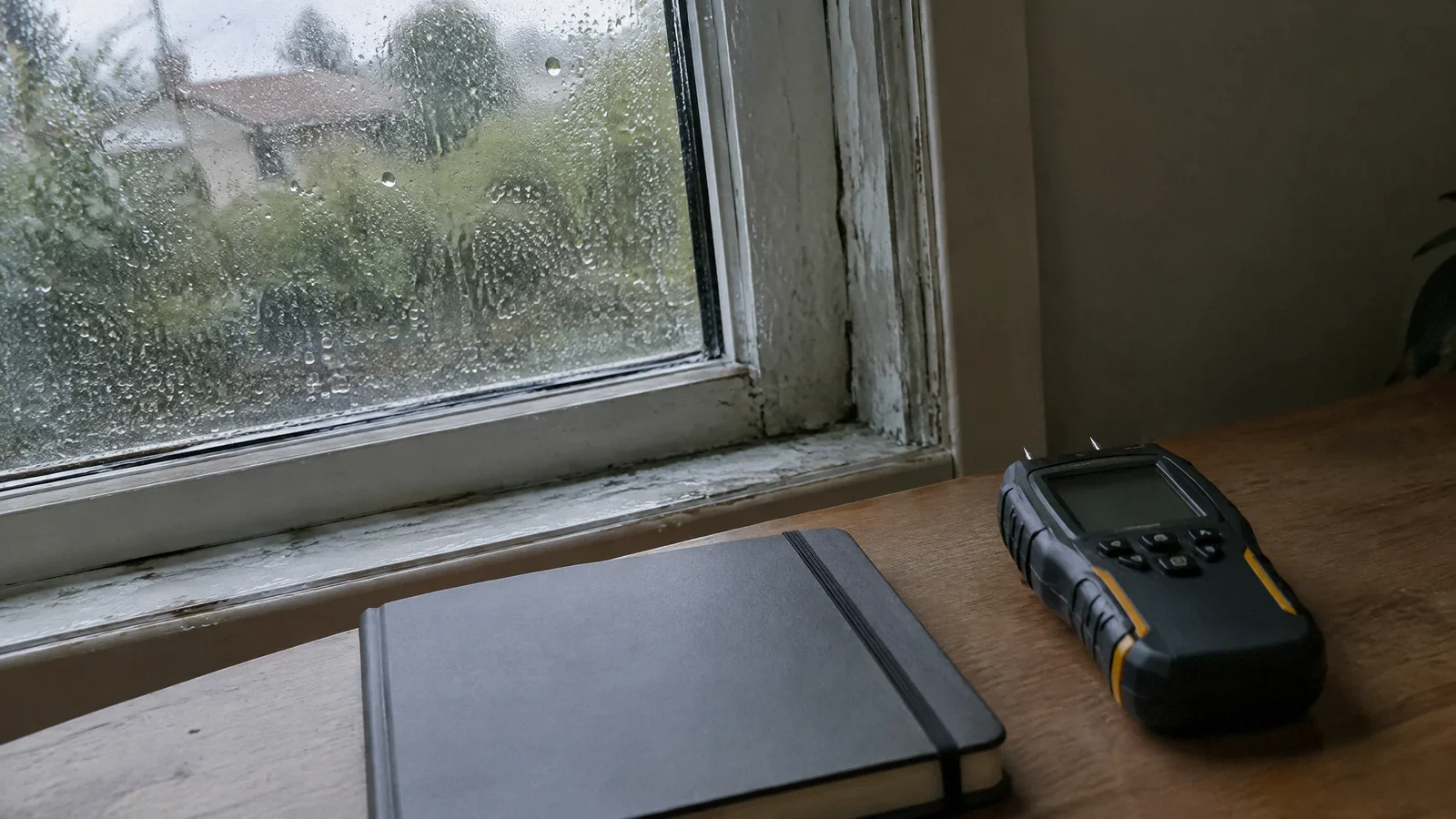
From a safe location record what is visible, when it was first noticed and whether dampness returns. A moisture meter can help an experienced assessor compare materials, but its reading needs interpretation and access limits matter. Avoid disturbing suspect material or opening a wall where electrical, structural or other hazards are uncertain.
Choose a repair and cleanup scope
Fix the water source and evaluate the extent and material. EPA advises cleaning indoor mold and repairing the moisture problem. Hard surfaces and porous materials may require different approaches; porous material that cannot be cleaned and dried effectively may need removal. Do not paint over visible growth as a substitute for cleanup.
Seek qualified help for extensive contamination, hidden damage, sewage or uncertain access. EPA advises not operating a known or suspected mold-contaminated HVAC system until it has been assessed, because it could spread contamination. The proposed work should explain protection of occupants, removal or cleaning, drying and verification.
Questions before paying for more testing
Ask what specific question another sample will answer and how each possible result would change the plan. If visible growth on wet material already requires removal, a more precise species label may not change that action. Conversely, targeted investigation may help resolve an inaccessible moisture pathway or a defined post-work question.
Request a written scope identifying what was observed, what is inferred and what was not inspected. Preserve the original laboratory report and moisture observations with repair records. Be cautious of a claim that one sample proves a whole-house medical hazard or that one treatment can remove every environmental spore.
Check the outcome and keep the roles separate
After work, confirm that the water source is corrected, affected materials have been addressed and the relevant layers are dry before they are enclosed. Monitor for returning stains, dampness or odor. A later leak can create a new problem even after a successful repair.
A building investigator assesses conditions and a clinician evaluates health. Share accurate facts between them, but do not ask either to draw conclusions outside the evidence. Continuing symptoms warrant medical follow-up; recurring dampness warrants a building review. One does not automatically prove the outcome of the other.
Your next-step checklist
- Read the sample location, type and analytical method.
- Ask the laboratory about naming and identification limits.
- Inspect for moisture and affected materials.
- Correct the water source and plan appropriate cleanup.
- Discuss symptoms and personal risks with a clinician.
Related questions
Can Acremonium be identified by a photo?
No. Color or texture cannot reliably establish its identity.
Does a finding prove someone is ill?
No. A building sample is not a clinical diagnosis; discuss individual symptoms with a clinician.
Why do older reports use different names?
Fungal classification has changed as researchers studied genetic relationships. Ask which naming system and method the laboratory used.
Should a leak be repaired while testing is considered?
Yes. Correct an accessible moisture source safely and assess affected materials without waiting for a species label.
Sources & context
Public guidance supports the principles in this article. The practical questions and examples are editorial interpretation, not a site assessment or a coverage decision. State-specific rules apply only where identified.
- Andersen and colleagues: Fungi and water-damaged building materialsprimary building materials research
- Summerbell and colleagues: Acremonium phylogenetic overviewprimary taxonomy research
- CDC: Mold, testing and remediationfederal health guidance
- EPA: Mold, moisture and your homefederal cleanup guidance
- CDC: About moldfederal health guidance