A Memnoniella result describes a laboratory finding in a particular sample, not the extent of contamination or a health diagnosis. Review the method and investigate the moisture source and affected materials.
What does a Memnoniella result mean?
Memnoniella is a name used for a group of fungi. If it appears on a building laboratory report, the immediate question is what was collected and how the laboratory identified it. A result from a tape lift, a bulk material sample, a culture or an air sample describes different evidence; the label alone does not tell you the extent of growth in the building.
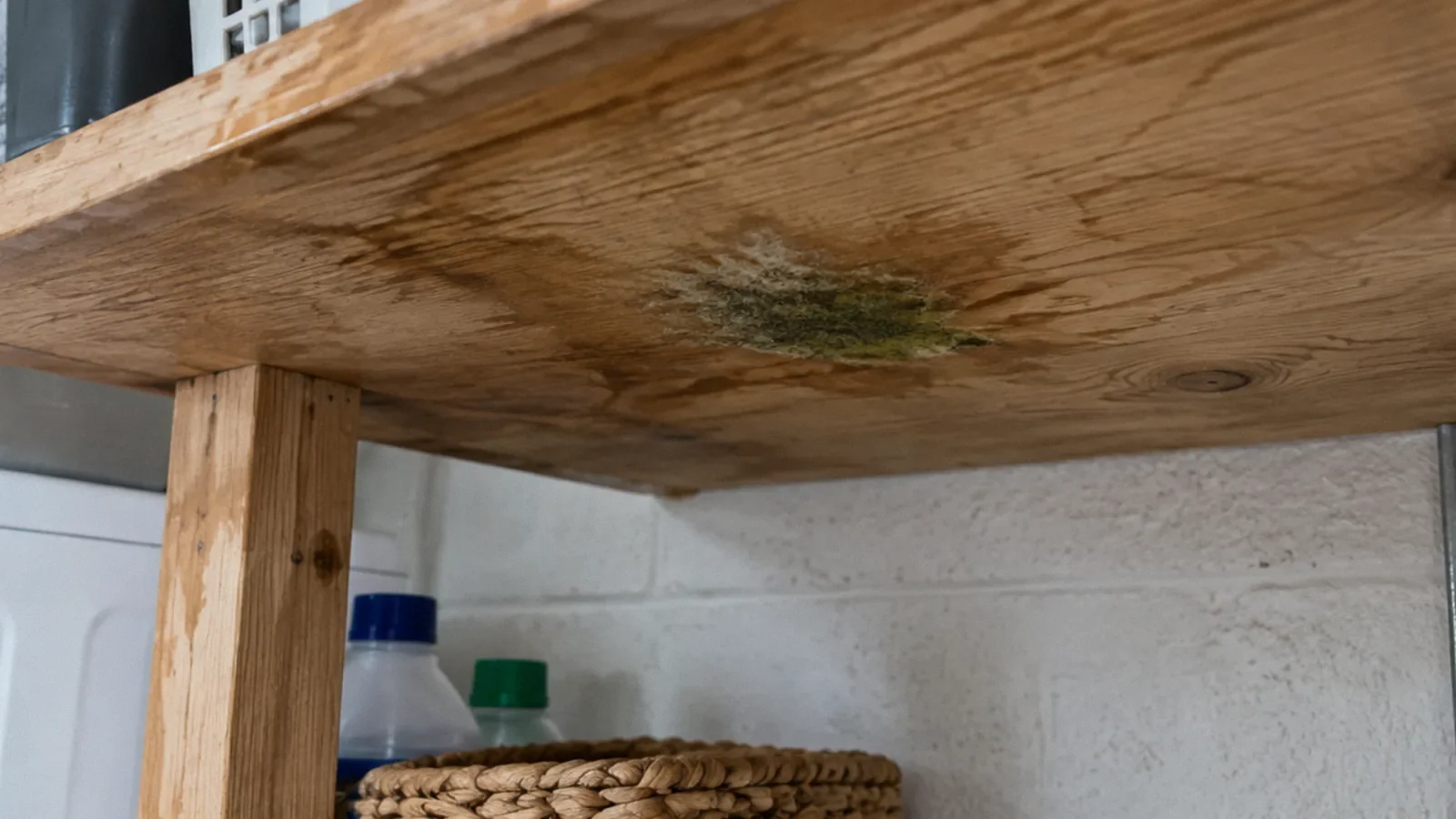
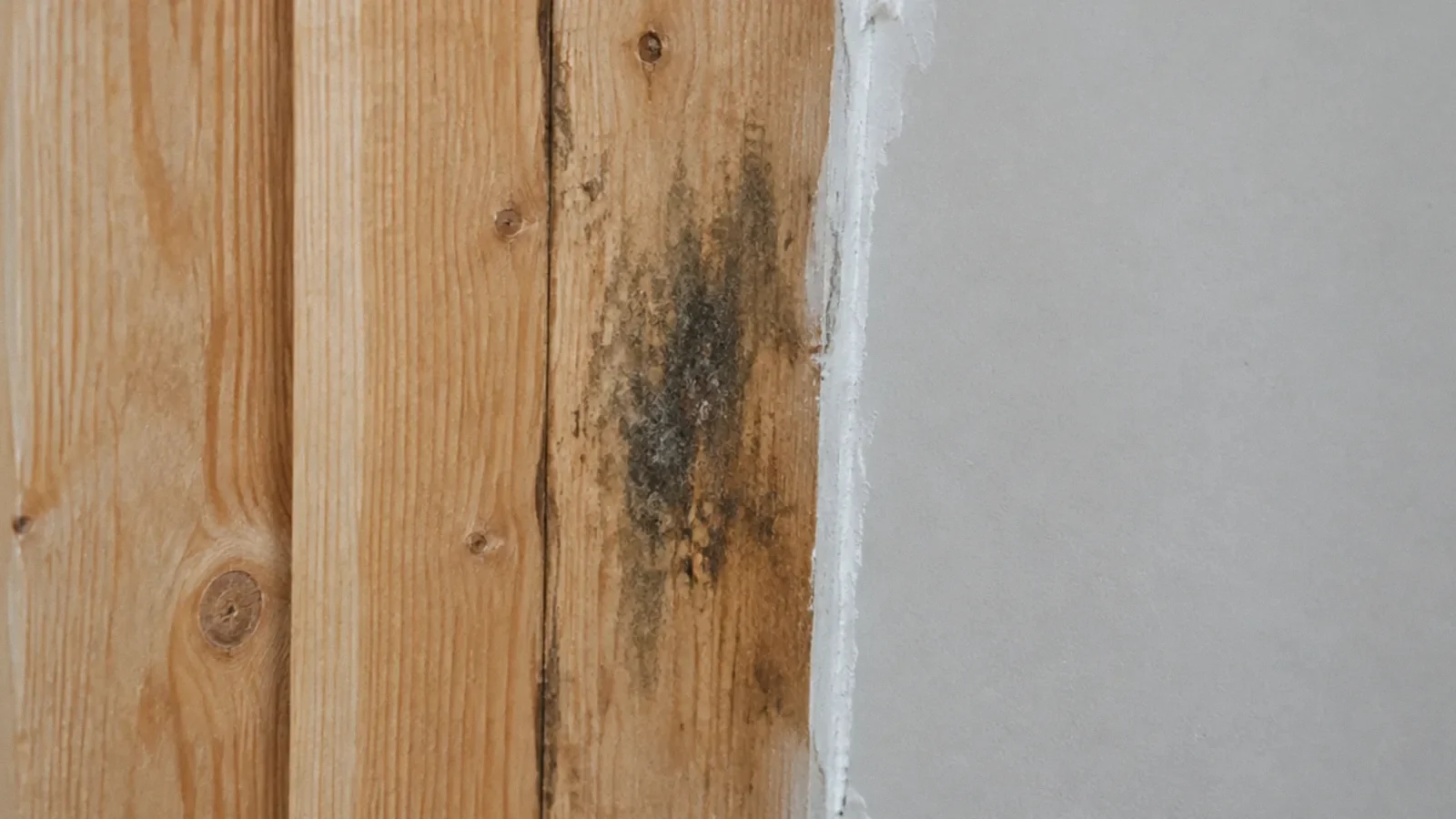
Read the full report with the sampling location, date, method, findings and limitations. Ask the investigator whether the finding is evidence of growth on a material, spores collected in air, or another observation. Neither a photograph nor a dark color establishes that a patch is Memnoniella.
Why names can differ between reports
Fungal classification changes as researchers compare morphology and genetic relationships. A 2016 taxonomic study reinstated Memnoniella as a distinct genus after earlier work had treated it in relation to Stachybotrys. A report may use a particular naming system or identify a broader morphological group; this does not mean two reports necessarily describe different conditions.
Ask the laboratory which reference and identification method it used, whether it reports to genus or species, and whether a similar-looking group can be distinguished by that method. Do not convert a broad identification into a specific species name without support. Taxonomic research on reference specimens does not automatically validate an identification from a household sample.
What a sample can and cannot show
A surface sample is taken from a selected spot; a bulk sample represents the submitted material; an air sample captures particles during a limited time under particular conditions. Each has blind spots. Air movement, sampling location and disturbance can affect what is collected, and a low result from one location does not prove a concealed cavity is clean.
Ask why the sample was taken, whether control or comparison samples were appropriate, and how results affect the repair decision. A numerical count without the sampling volume, method and context is easy to misread. CDC does not recommend routine mold testing as a substitute for finding and correcting visible growth and dampness.
Does the name establish a health diagnosis?
No. An environmental laboratory result is not a clinical test and cannot establish that an occupant has an infection, allergy, poisoning or another disease. A genus name does not measure an individual’s historical dose. People respond differently to damp or moldy environments, and symptoms such as cough or irritation can have many causes.
People with asthma, mold allergy, chronic lung disease or weakened immune systems may need individualized precautions. Discuss symptoms, medical history and the complete building findings with a clinician. Seek urgent medical care for severe breathing difficulty or another acute concern.
Look for the moisture pathway
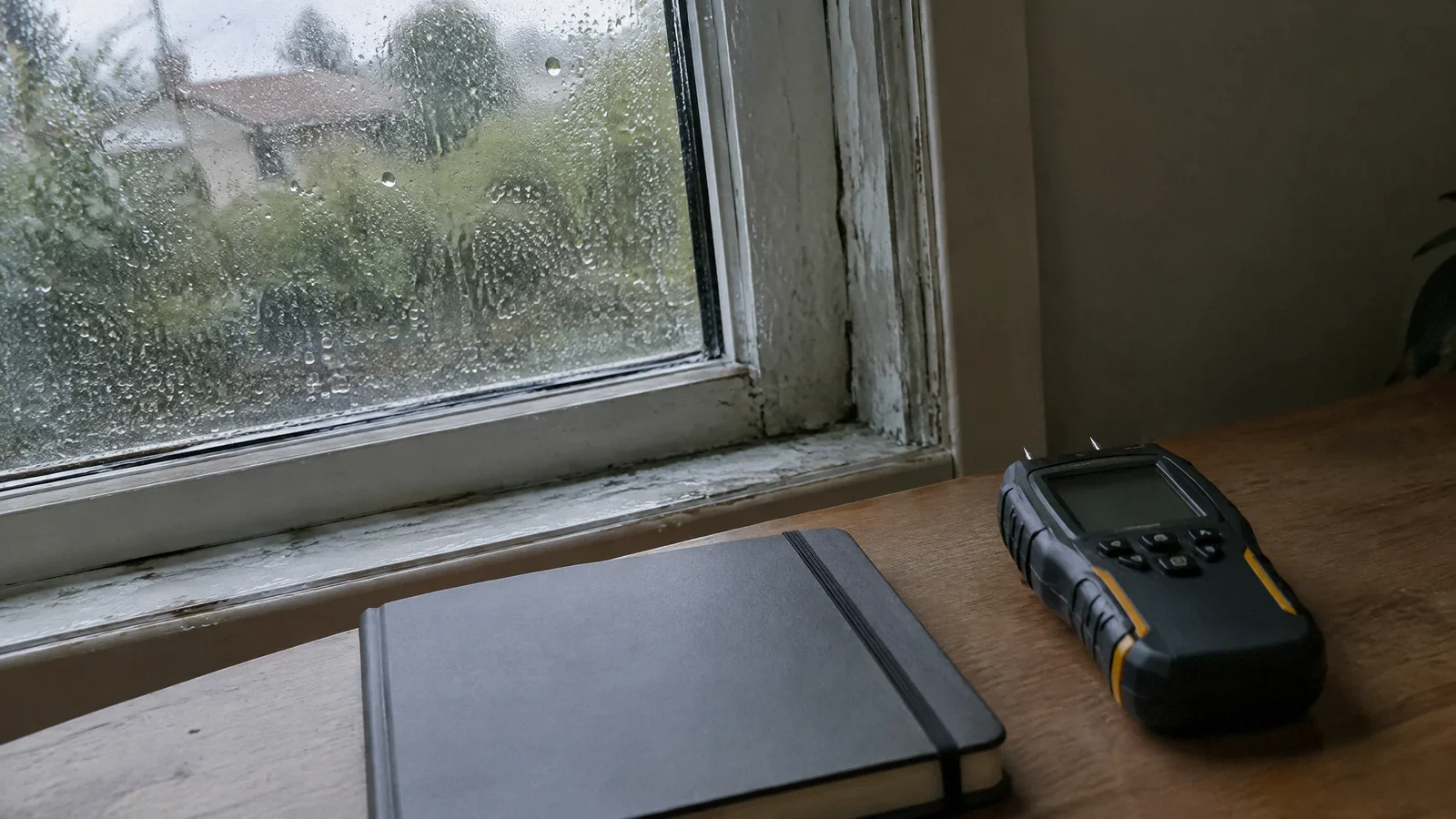
The useful next step is a building assessment: identify the water source, how long materials may have been wet, the affected surface and adjacent concealed layers. A leak, condensation or water intrusion can support growth on suitable materials. The name on a report cannot identify the water pathway or determine the total affected area.
Record observations from a safe location and avoid scraping or opening suspect materials unnecessarily. Ask the investigator to distinguish observed damage from areas that were inaccessible. An air result alone should not be used to mark an entire house contaminated without supporting building evidence.
Plan cleanup around materials and extent
Correct the moisture source and assess the material and size of the affected area. EPA advises cleaning indoor mold and fixing the water problem. Some porous materials may be difficult to clean completely and may require removal; an appropriate scope depends on the water source, extent and accessibility.
Seek experienced help for extensive or hidden growth, contaminated water or suspected HVAC involvement. EPA advises against operating an HVAC system known or suspected to be contaminated until it has been assessed because it can spread material. A chemical spray without moisture repair is not a complete plan.
Questions to ask the laboratory or inspector
Request the sample type, collection location, analytical method and the exact level of identification supported. Ask whether the laboratory used microscopy, culture or another method and how the method handles similar forms. Ask what the result does not measure and whether the sample was taken before or after disturbance.
Then ask the building professional which observed conditions justify each proposed repair and how drying and cleanup will be checked. Preserve the full report, photographs, moisture observations and repair records together. A clear explanation should separate laboratory observations, professional interpretation and uninspected areas.
After the work
Verify that the water source has been corrected and affected materials have been cleaned or removed and dried as appropriate. Monitor for returning moisture, staining or odor. A previously favorable result does not prevent a new leak; a persistent problem calls for another assessment of the building.
If symptoms persist, continue medical follow-up without assuming that the building work succeeded or failed solely from a person’s response. A clinician can evaluate alternative explanations while the repair team investigates any remaining moisture. These are connected but distinct questions.
Your next-step checklist
- Read the full report and locate each sample.
- Ask the laboratory about method and identification limits.
- Investigate water damage and inaccessible areas.
- Plan cleanup according to materials and extent.
- Discuss health concerns with a clinician.
Related questions
Can I identify Memnoniella by color?
No. Color or a photograph cannot reliably identify the genus or species.
Does the result diagnose an illness?
No. It is environmental evidence from a specific sample; a clinician evaluates an individual’s health.
Why might a report mention Stachybotrys?
The groups have a complex taxonomic history and similar features. Ask the laboratory which method and naming reference it used.
Do I need another test before repairing visible growth?
Not necessarily. Ask what decision additional sampling would change; visible growth and its moisture source still need attention.
Sources & context
Public guidance supports the principles in this article. The practical questions and examples are editorial interpretation, not a site assessment or a coverage decision. State-specific rules apply only where identified.
- Lombard and colleagues: Generic diversity in Stachybotryaceaeprimary taxonomy research
- CDC: Mold, testing and remediationfederal health guidance
- EPA: Mold, moisture and your homefederal cleanup guidance
- CDC: About moldfederal health guidance