Algae and mold are different organisms, but both can grow where moisture persists. Algae commonly form green films in damp, lit places; mold is a fungus and can grow on damp materials indoors or outdoors. Color alone cannot reliably identify either one. Locate and correct the moisture source, then choose cleanup for the surface and conditions.
The basic difference
Algae are a diverse group of organisms commonly associated with water and light. Many use light to make food. Mold is a general term for certain fungi; fungi obtain nutrients from organic material rather than photosynthesis. Both can occur on damp surfaces, and more than one kind of growth may be present in the same location.
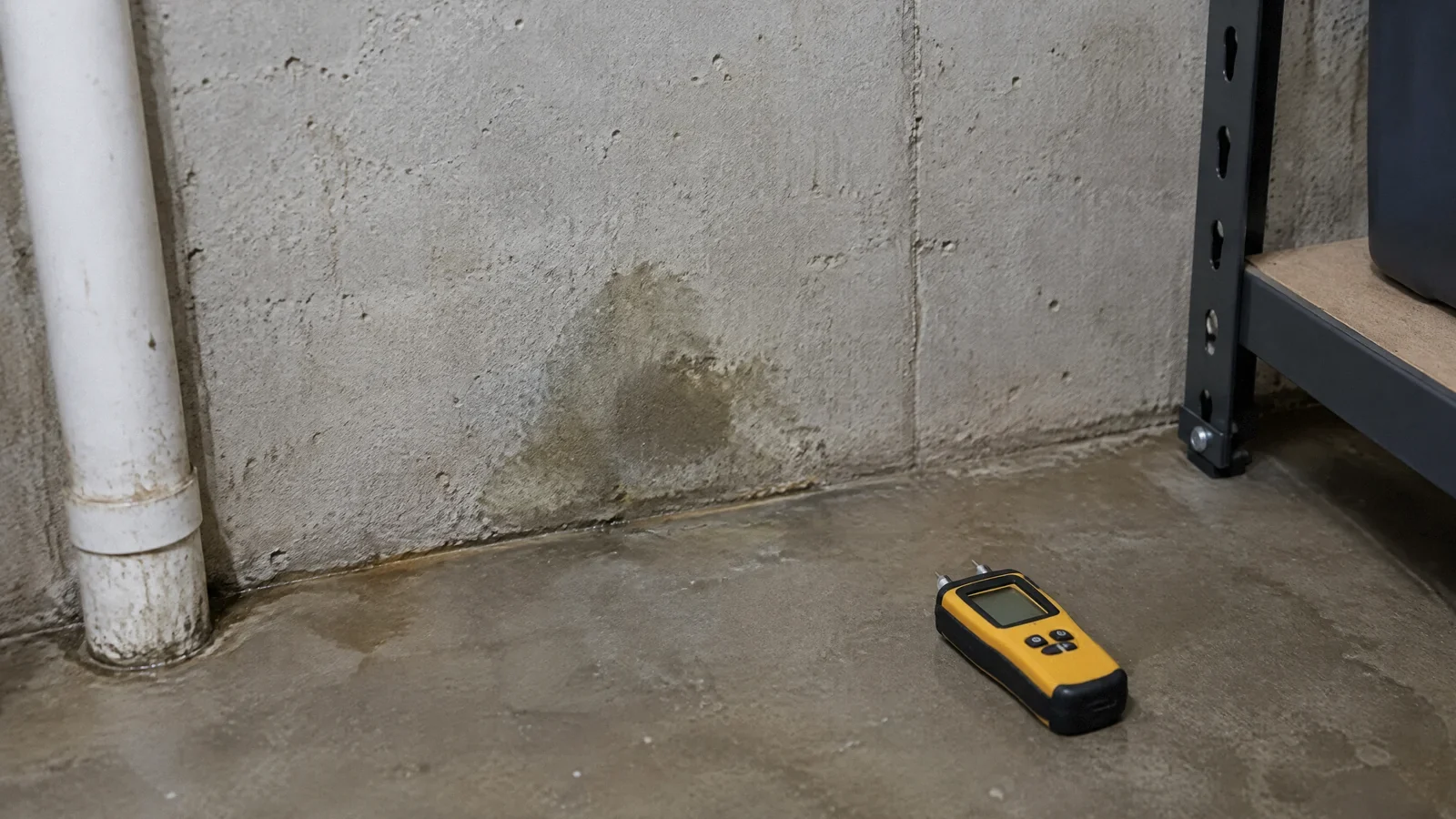
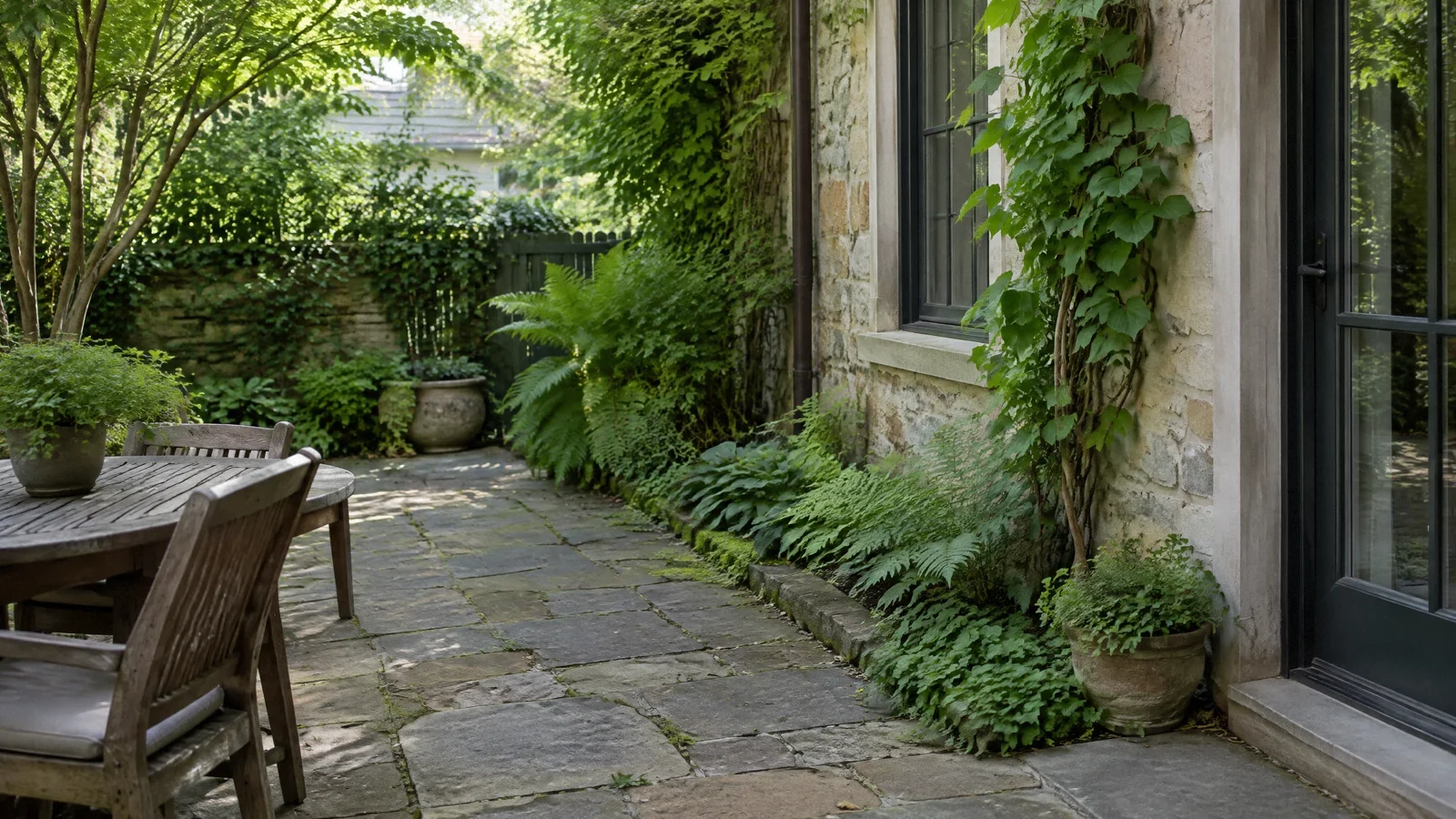
The distinction matters when considering conditions and materials, but the first practical question is often the same: why is the surface staying wet? A shaded patio may retain rainwater, while a bathroom wall may be affected by condensation or a concealed leak. The response should match the location and moisture source.
Appearance offers clues, not proof
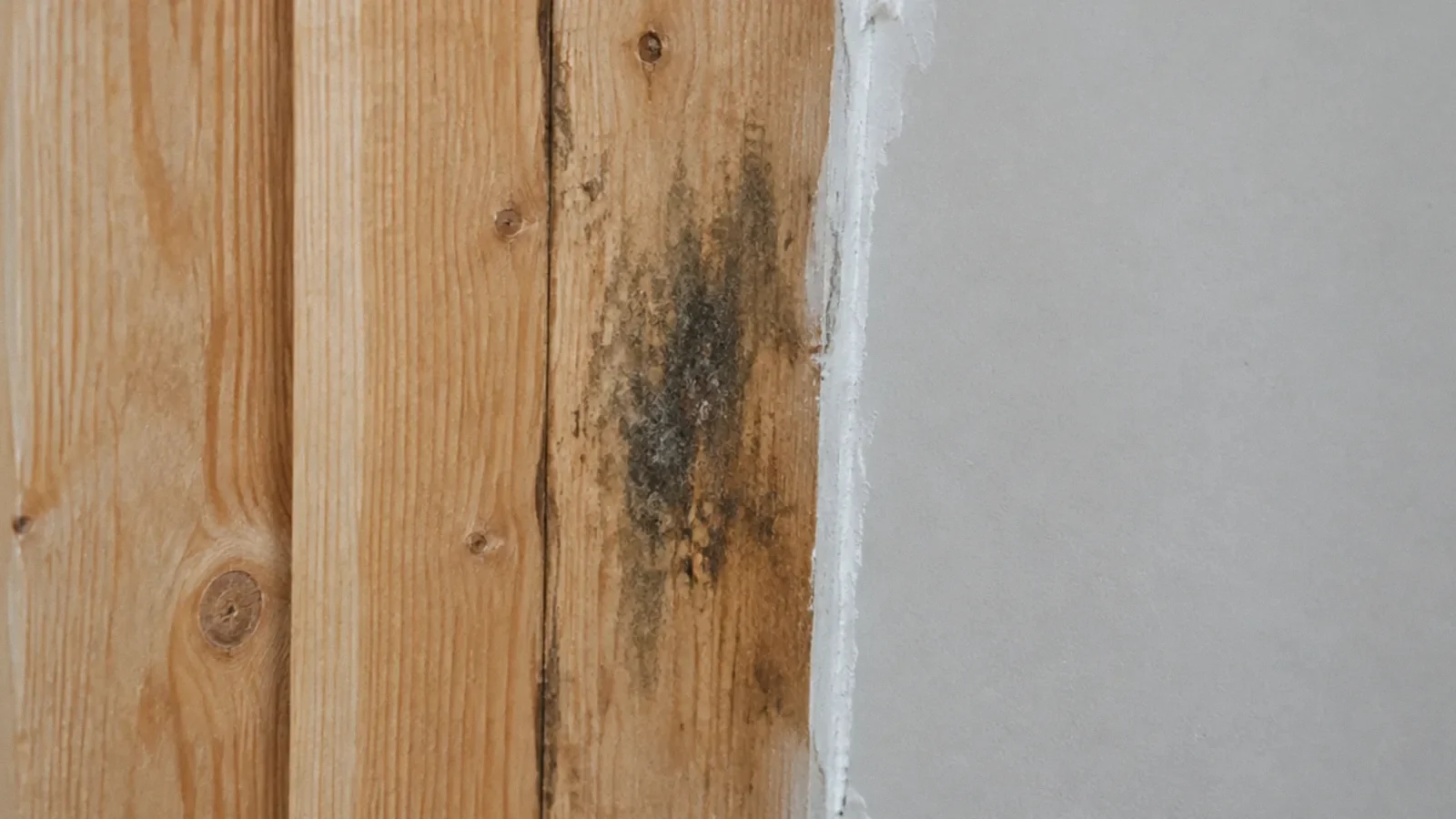
A green film on a damp, shaded outdoor surface can be consistent with algae. Mold can appear in many colors and textures, including green, white, gray or dark patches. Lichen is an association involving a fungus and a photosynthetic partner, so not every growth fits a simple algae-or-mold visual choice. University extension guidance describes algae, lichens and mosses on moist, shady decks, pavement and roofs.
Do not identify an organism, species, toxicity or health risk by color alone. A photograph can help a professional understand the setting but usually cannot establish the identity of a growth. Avoid touching, scraping or sniffing a suspect patch to test it. For indoor mold, identifying the exact type is generally less useful than correcting moisture and safely removing the growth.
Where each may appear
Algal growth may occur on damp patio pavers, siding, roof surfaces or the top of potting soil when light and moisture are available. University of Maryland Extension notes that algae and fungi can grow separately or together on indoor plant media. A green layer on soil does not establish that a wall behind the pot has the same growth.
Mold can grow indoors on damp drywall, wood, carpet, furnishings and dust. It may be hidden behind finishes or underneath flooring after a leak. Outdoors, fungi also play a natural role in breaking down organic matter. Indoor growth, however, indicates a moisture condition that should be investigated and corrected.
Respond to a damp outdoor surface
Start with drainage, shade, and recurring wetness. Check whether a gutter overflows, a sprinkler wets the wall, or water pools on the paving. Correcting a persistent source and allowing the area to dry can reduce the conditions that support growth. Outdoor surfaces can be slippery, so keep people away from an affected walkway while arranging a suitable cleaning method.
Use a method compatible with the material and the product label. Aggressive pressure washing can damage some finishes or force water behind siding, and runoff can affect plants or drains. For a roof or other elevated surface, avoid climbing on wet or slippery areas; a qualified contractor can assess safe access and the appropriate treatment. Do not mix cleaning chemicals.
Respond to suspected indoor mold
Find and fix the leak, condensation or other moisture source. EPA recommends cleaning mold from hard surfaces with detergent and water and drying completely; absorbent materials may need to be discarded when they cannot be adequately cleaned. A coating or fragrance does not remove growth or repair the water source.
The size and location matter. A small surface patch caused by a straightforward clean-water problem may be suitable for homeowner cleanup using EPA precautions. Extensive growth, concealed damage, contaminated floodwater or HVAC involvement warrants professional evaluation. People with weakened immune systems should avoid moldy buildings until remediation is complete, according to CDC.
Plant soil and nearby building materials
For an indoor plant, excessive surface growth may indicate that the growing medium stays wet for long periods. Follow the plant’s care requirements and allow the surface to dry between waterings where appropriate. Improve air circulation and avoid overwatering. University extension guidance describes removing the affected surface layer when a thick mat forms.
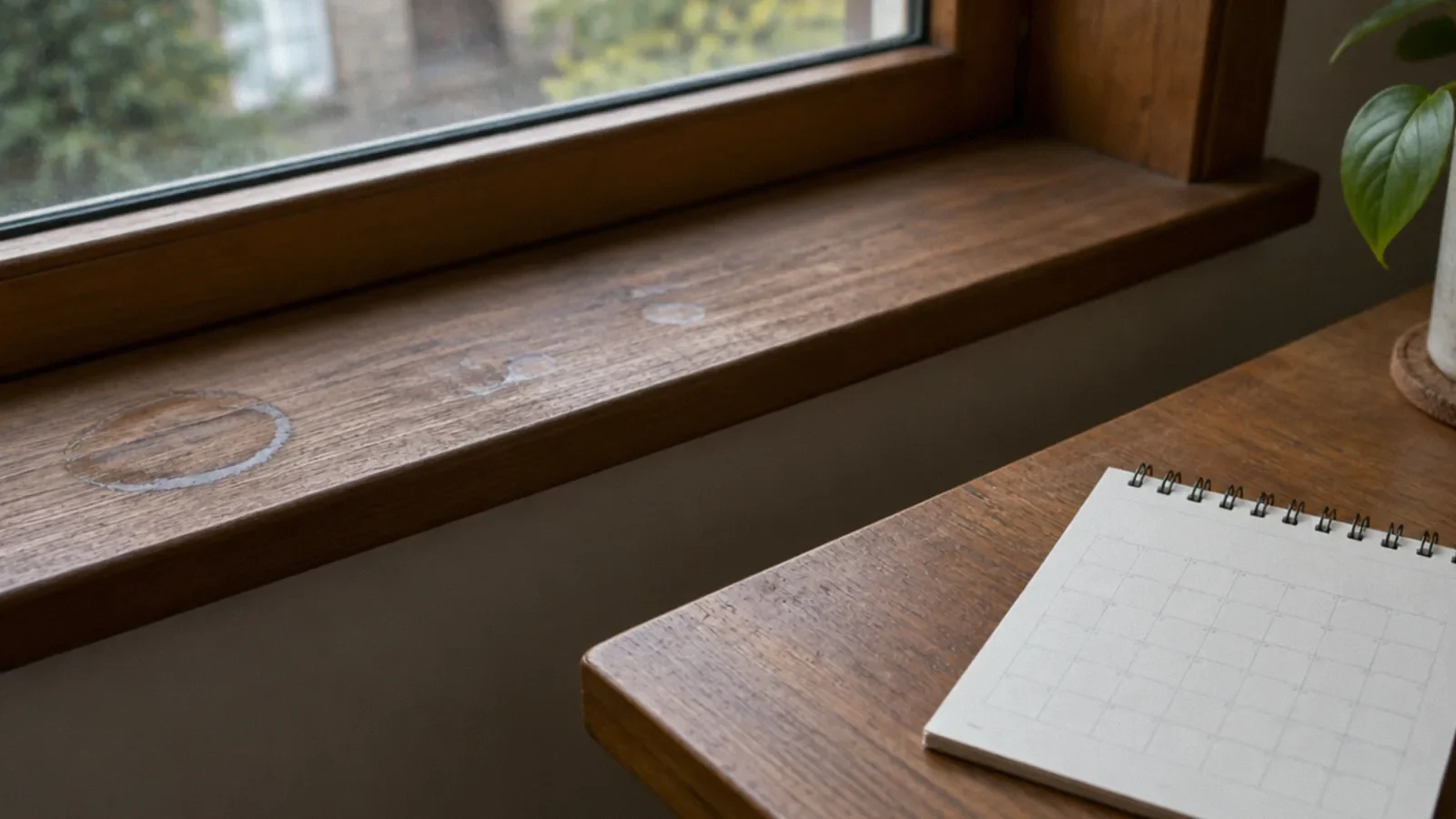
Check the pot, saucer and surrounding surface for repeated overflow. Water trapped beneath a planter can damage a wood sill or floor even if the visible growth is limited to soil. Dry the surrounding material and address any persistent dampness. If the wall or floor itself shows suspected mold, assess that material separately.
When identification or professional help is useful
Consider a qualified inspection when the growth is extensive, repeatedly returns, appears in a concealed cavity, or the moisture source is uncertain. A professional can assess the water path and affected materials and explain whether a specific test would change the cleanup decision. Testing a visible patch does not replace repairing the leak.
For an outdoor roof or façade, the material and safe access may be more important than assigning a name from a photo. Ask the contractor how it will protect the surface, occupants, landscaping and drainage. After cleaning, monitor the conditions that produced persistent wetness and correct them if the growth returns.
Your next-step checklist
- Identify the location, material and source of recurring moisture.
- Do not rely on color alone to identify growth.
- Prevent slips and avoid disturbing suspect indoor material.
- Clean using a method appropriate to the surface and contamination.
- Monitor for recurring dampness after the repair.
Related questions
Is green growth always algae?
No. Color alone cannot reliably distinguish algae, mold, moss or other growth.
Can algae and mold grow together?
Yes. University extension guidance notes that algae and fungi can occur together on damp plant media.
Should I test visible indoor mold before cleaning it?
Usually the priority is to correct moisture and remove the growth safely. Ask a qualified professional whether testing would answer a specific question.
Sources & context
Public guidance supports the principles in this article. The practical questions and examples are editorial interpretation, not a site assessment or a coverage decision. State-specific rules apply only where identified.
- Algae, Lichens, and Mossesuniversity
- Algae and Fungal Growth on Indoor Plant Soiluniversity
- A Brief Guide to Mold, Moisture and Your Homegovernment