Mold that is not visibly growing may be inactive, but appearance alone cannot reliably establish whether it is alive or dead. Both active and inactive mold material can cause reactions. Remove the contamination safely and fix the moisture source rather than relying on color, dryness, or a product that claims to kill mold.
Active, inactive, and dead: useful distinctions
Active mold is growing under conditions that support it, particularly sufficient moisture. Inactive mold is not currently growing, but some spores or structures may be able to grow again if the material becomes wet. Dead mold is no longer viable. These are biological distinctions, not labels that can be reliably assigned to a wall just by looking at it.
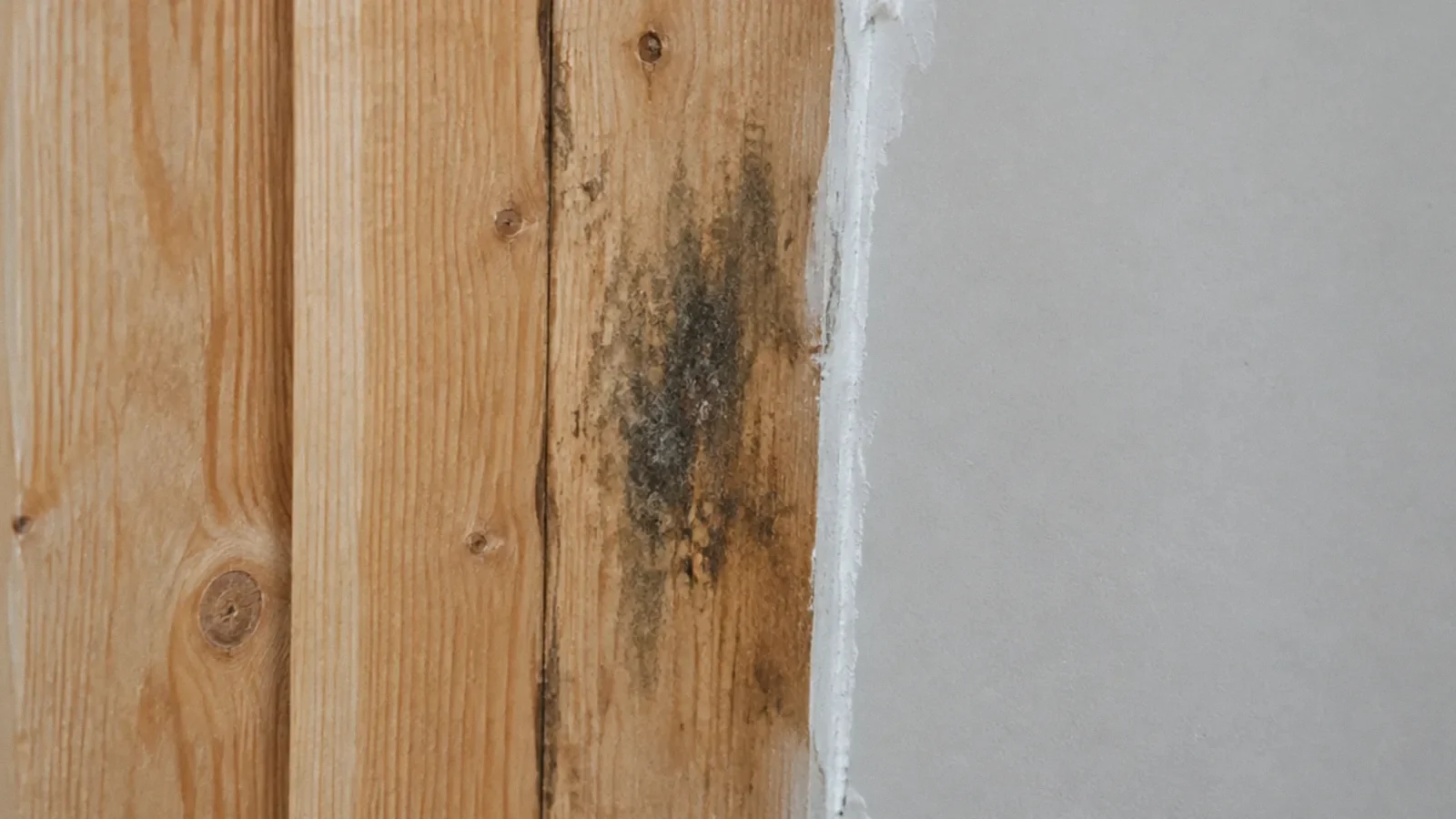
A patch that looks dry today may have grown during an earlier leak. Conversely, moisture can persist behind a surface that feels dry to the touch. Growth may be concealed behind wallpaper, beneath flooring, or inside a wall cavity. Color and texture vary, so neither black color nor a powdery appearance proves whether growth is active, dead, or a particular species.
Why drying alone is not the whole repair
Drying deprives mold of the moisture needed to grow, but it does not remove the material already present. EPA notes that dead mold can still cause allergic reactions. A practical response therefore has two parts: correct the source of moisture and remove mold contamination or affected materials as appropriate. Covering a patch with paint or sealing it behind new finishes does not address either task reliably.
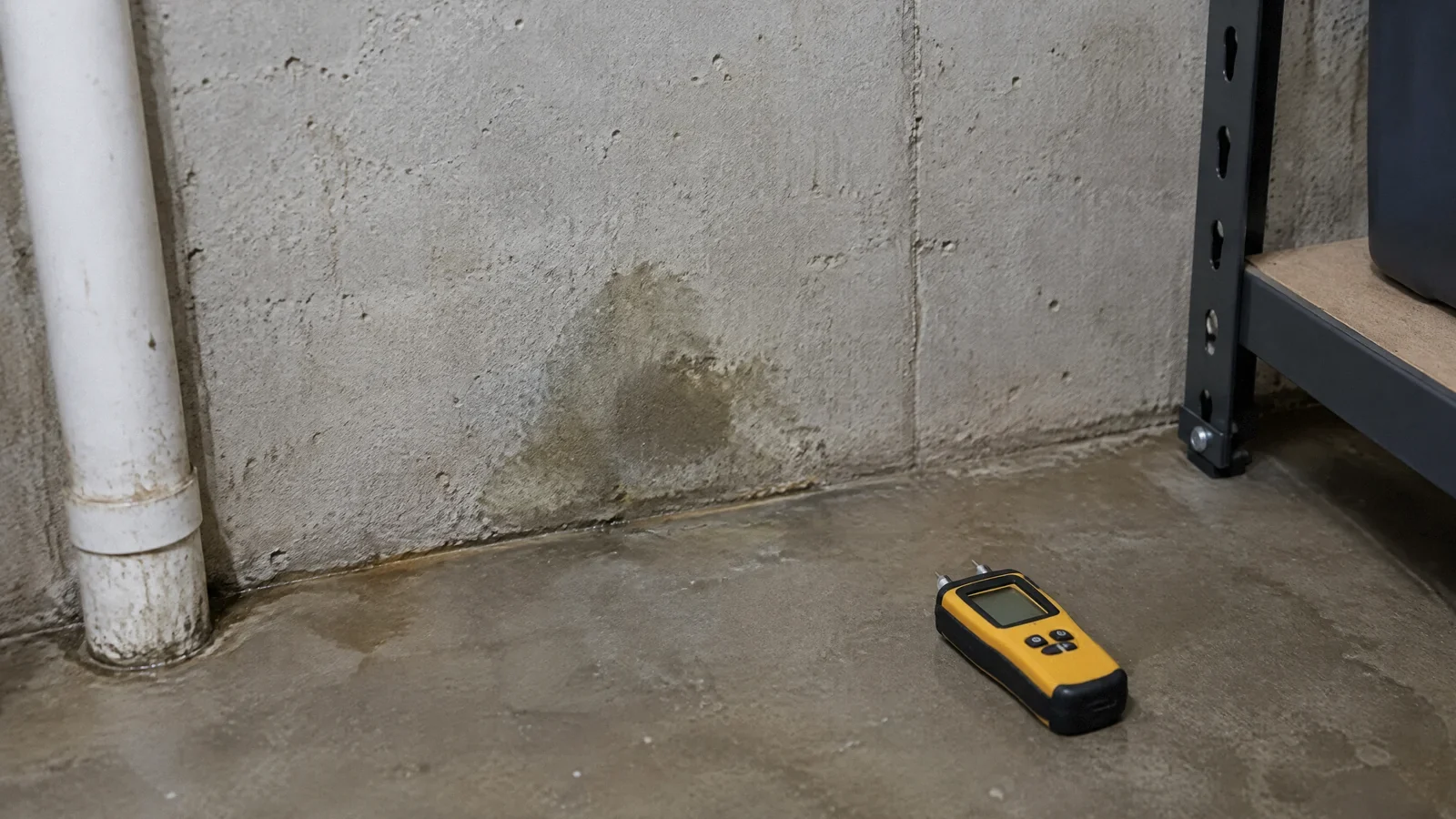
A leak that was repaired yesterday can leave wet insulation or subflooring concealed behind an apparently dry finish. Record where the water came from and how long materials remained wet. If the extent is uncertain, ask an experienced remediation professional to inspect the affected area and adjacent cavities before replacing finishes.
What you can observe without disturbing the area
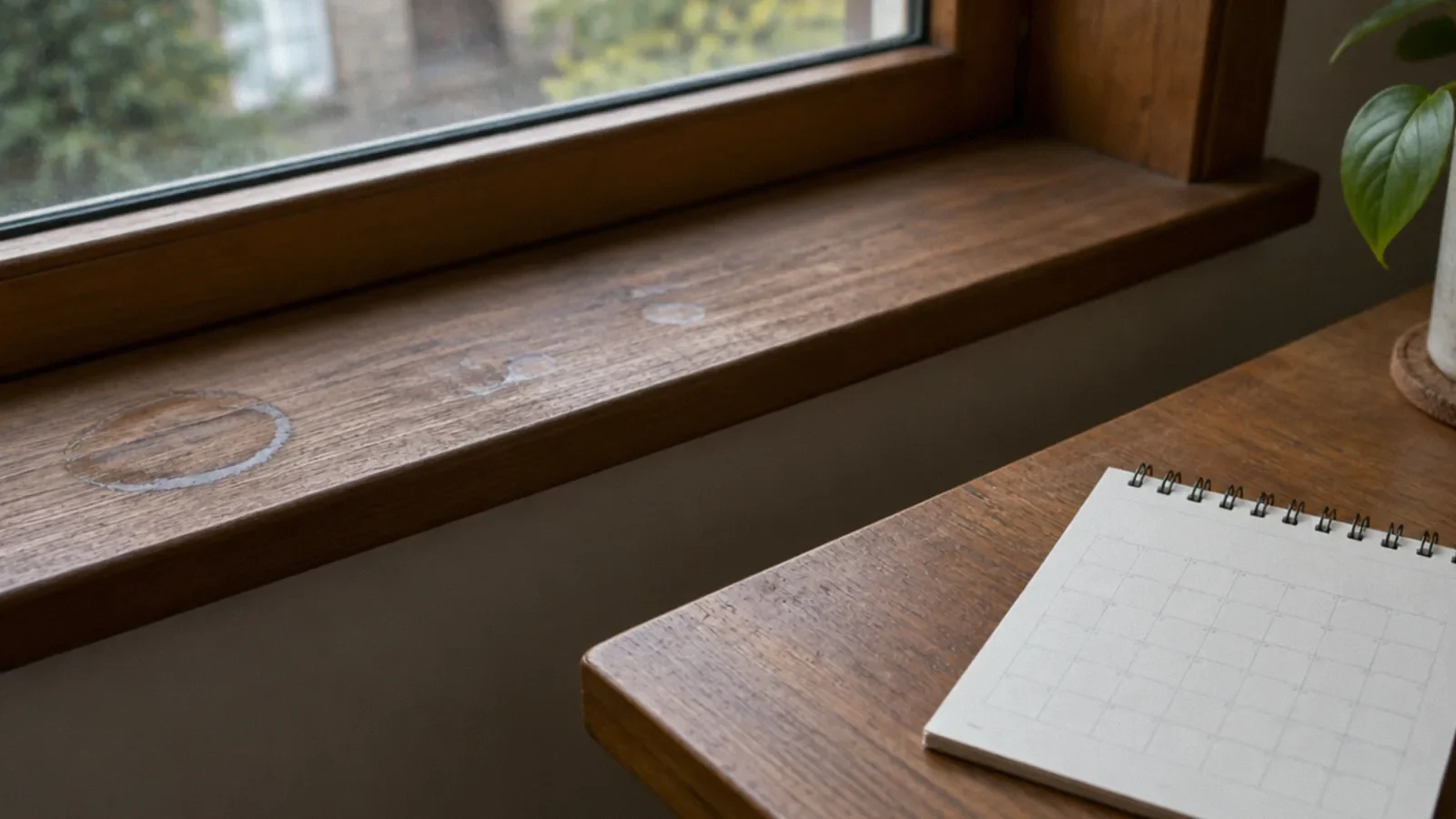
Look for water staining, peeling paint, recurring condensation, musty odors, and visible growth from a safe position. Note whether a patch changes after rain, plumbing use, or periods of high humidity. These observations help locate a moisture problem; none proves viability. Photograph the area and keep notes of repairs and dates for a landlord, insurer, or contractor.
Avoid scraping, brushing, or opening a suspect cavity simply to see whether the material is powdery. Disturbance can spread particles. If water is near electrical equipment, stay clear and have a qualified professional address electrical safety. If water came from sewage or flooding, contamination requires a different assessment than a small clean-water leak.
Testing versus fixing the problem
You do not need to identify a species before responding to visible mold. CDC advises that mold found in a building should be removed and the moisture problem corrected. A test can answer a narrowly defined question when an appropriately qualified investigator selects the method and interprets its limits, but a result is not a substitute for inspecting and correcting the source.
Viability testing is a laboratory question, not a home visual test. Even a negative result for a sampled area does not establish that every concealed area is clean. Ask in advance what decision the proposed sample will inform, where samples will be taken, and how the findings will change the repair plan.
Choose a cleanup path
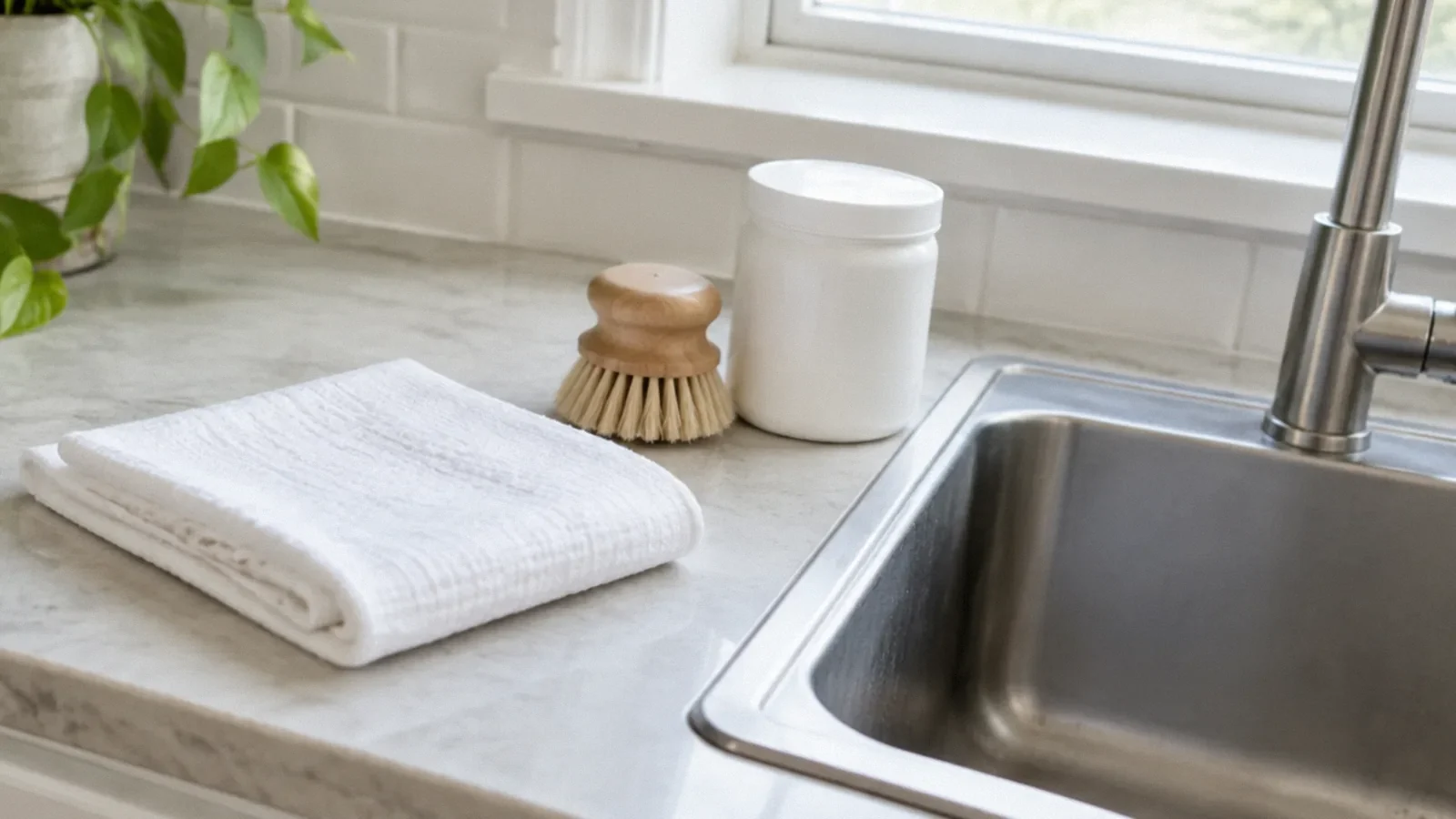
For a small area on a hard surface caused by a straightforward clean-water leak, EPA provides household cleanup guidance. It recommends correcting the water problem, scrubbing mold off hard surfaces with detergent and water, and drying completely. Absorbent materials such as ceiling tiles and carpet may need to be discarded because mold can be difficult to remove from their pores. The scope depends on the material and the conditions.
Use appropriate protective equipment and follow the relevant agency guidance. People with asthma, allergies, lung disease, or weakened immune systems should avoid exposure and seek appropriate advice; CDC specifically advises people with weakened immune systems to stay out of moldy buildings until remediation is complete. Do not mix cleaning chemicals. Bleach is not a substitute for physical removal and fixing moisture.
EPA suggests considering professional help when the moldy area exceeds roughly 10 square feet, when the HVAC system may be contaminated, or when damage involves sewage or contaminated water. A smaller area may also need professional help if the source remains active, the growth is hidden, or safe access is uncertain.
Check whether the work solved the problem
After remediation, the water source should be corrected and the affected materials dry. Visible mold and moldy odors should not remain, according to EPA’s remediation guidance. Ask the contractor to document the areas opened, materials removed or retained, repairs, and the basis for determining that drying is complete. A clean-looking surface by itself does not establish what happened behind it.
Watch for renewed dampness or odor, especially after the conditions that caused the first event recur. A return of symptoms in the building is a reason to reassess the moisture source and scope, not to assume that the original mold has merely changed from dead to alive. Health concerns should be discussed with a healthcare professional.
Your next-step checklist
- Stop the water source when it is safe to do so.
- Document visible damage without disturbing suspect material.
- Assess the size, material, water source, and possibility of hidden damage.
- Remove contamination and dry the area using the appropriate cleanup plan.
- Check for recurring moisture before replacing finishes.
Related questions
Is inactive mold harmless?
Not necessarily. Mold material can cause reactions even when it is dead, and material that is inactive may grow again if moisture returns. Correct moisture and remove contamination safely.
Can color tell me whether mold is alive?
No. Color alone cannot reliably identify viability or species. A visual inspection can reveal a problem but cannot establish whether every spore is viable.
Will a dehumidifier remove mold?
A dehumidifier can help reduce humidity where appropriate, but it does not remove existing mold or repair a leak. The moisture source and contaminated materials still need attention.
Sources & context
Public guidance supports the principles in this article. The practical questions and examples are editorial interpretation, not a site assessment or a coverage decision. State-specific rules apply only where identified.