For a small, accessible patch on a hard shower surface, first address the moisture, protect your eyes and skin, and scrub with detergent and water. Dry the surface thoroughly. Do not assume a dark color identifies the mold, and seek experienced help if the damage is extensive, concealed or connected to a continuing leak.
Start by looking at the surface and the moisture source
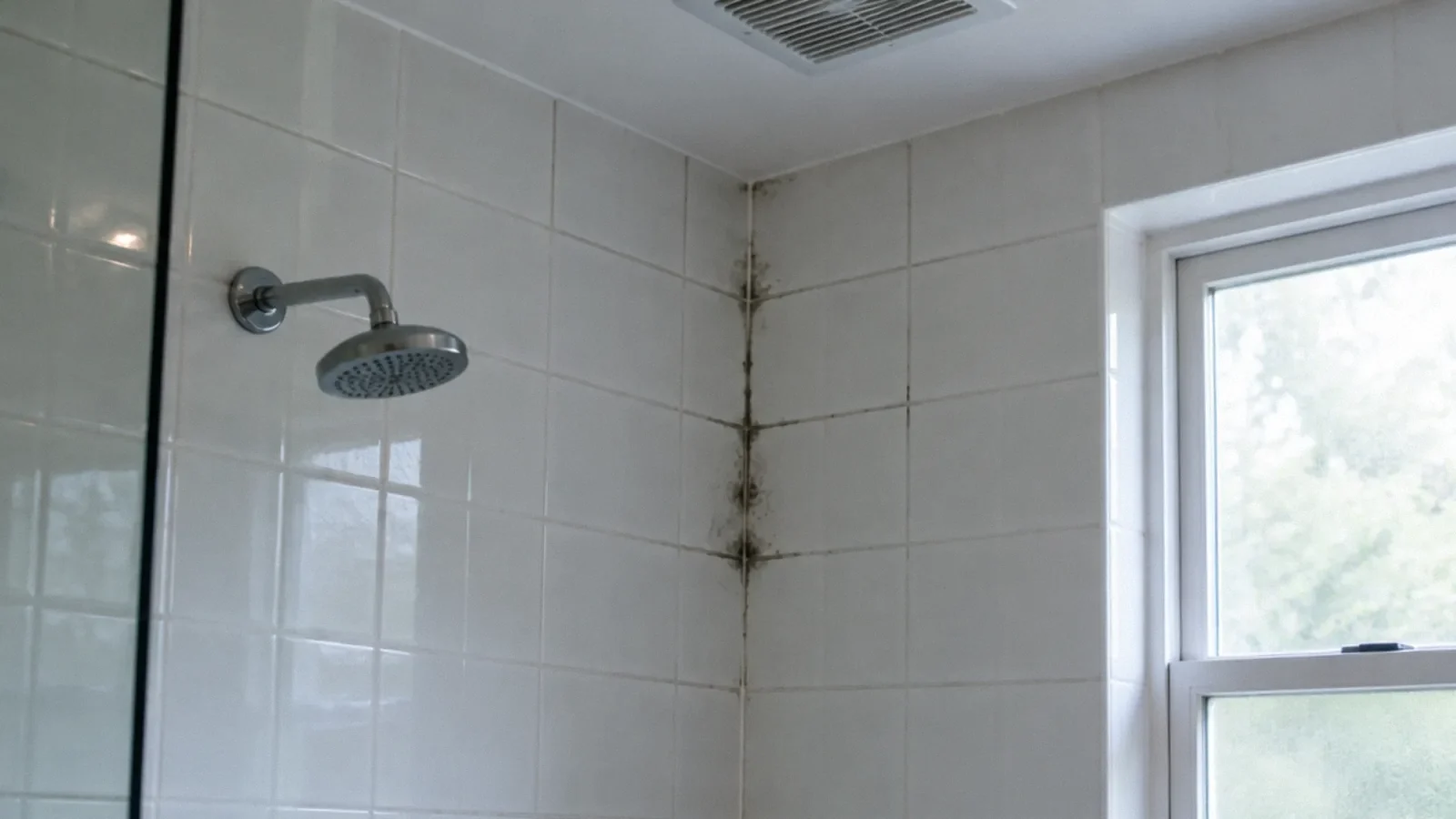
Dark spots on shower tile, grout or caulk can appear where water remains after bathing. A shower that dries slowly, a dripping fixture or water escaping through a failed joint can keep an area damp. Note where the marks are and whether they return in the same place; a photograph and date can help you explain the pattern to a professional.
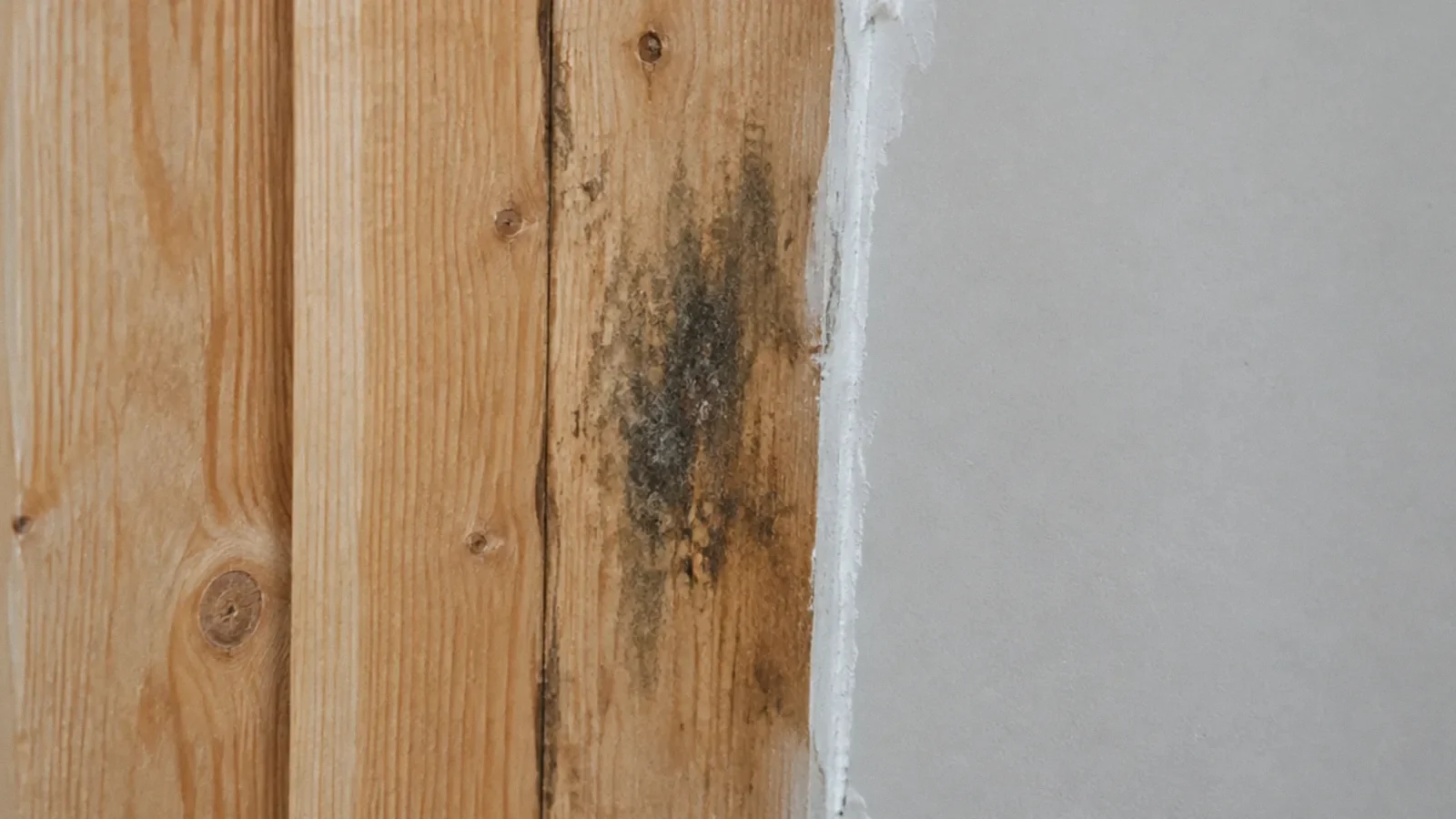
Appearance alone cannot identify a mold species or establish its health risk. A pink or reddish film may have a different cause, including bacteria; do not diagnose it from color. Focus on cleaning accessible contamination and correcting the moisture problem rather than trying to identify an organism by sight.
Decide whether this is a small cleanup
The EPA says that, in many cases, a person can clean a moldy area smaller than approximately 10 square feet, roughly a three-foot-by-three-foot patch. That guideline is not a guarantee that every small patch is suitable for do-it-yourself work. Consider the affected material, your health, whether water damage continues and whether growth may extend behind the surface.
A person with mold allergy, asthma or another chronic lung condition, or a weakened immune system, should not take part in mold cleanup according to the CDC. Arrange for someone else or an experienced professional to assess and clean it. Large areas, extensive water damage, sewage contamination or uncertain hidden damage warrant a more cautious assessment.
Protect yourself and prepare the bathroom
Keep other people and pets out of the immediate work area. Open a window or door when practical and provide fresh air. CDC recommends an N95 respirator or better, protective gloves and goggles that protect against dust during mold cleanup. Choose gloves compatible with the product you use and follow its label.
Use a mild detergent, water, disposable cloths or a suitable soft brush, and a way to dry the surface. Do not scrape, sand or dry-brush suspected mold; disturbing it can release particles. Keep cleaning products in their original containers and never mix bleach with ammonia, vinegar or other cleaners.
Clean hard tile and dry it completely
For accessible hard, nonporous tile, the EPA advises scrubbing mold off with detergent and water and drying the surface completely. Apply the detergent according to its label, scrub gently enough to avoid damaging the finish, and wipe away the loosened residue. Follow the surface and product instructions for rinsing. Use clean cloths for the final wipe and dry the area.
Do not paint, seal or apply fresh caulk over visible mold or a wet surface. EPA does not recommend bleach as a routine mold-cleanup practice; killing growth alone does not remove the material or solve the moisture problem. If a product label calls for a separate disinfecting step, follow that label and never combine products.
Treat grout and caulk as different materials
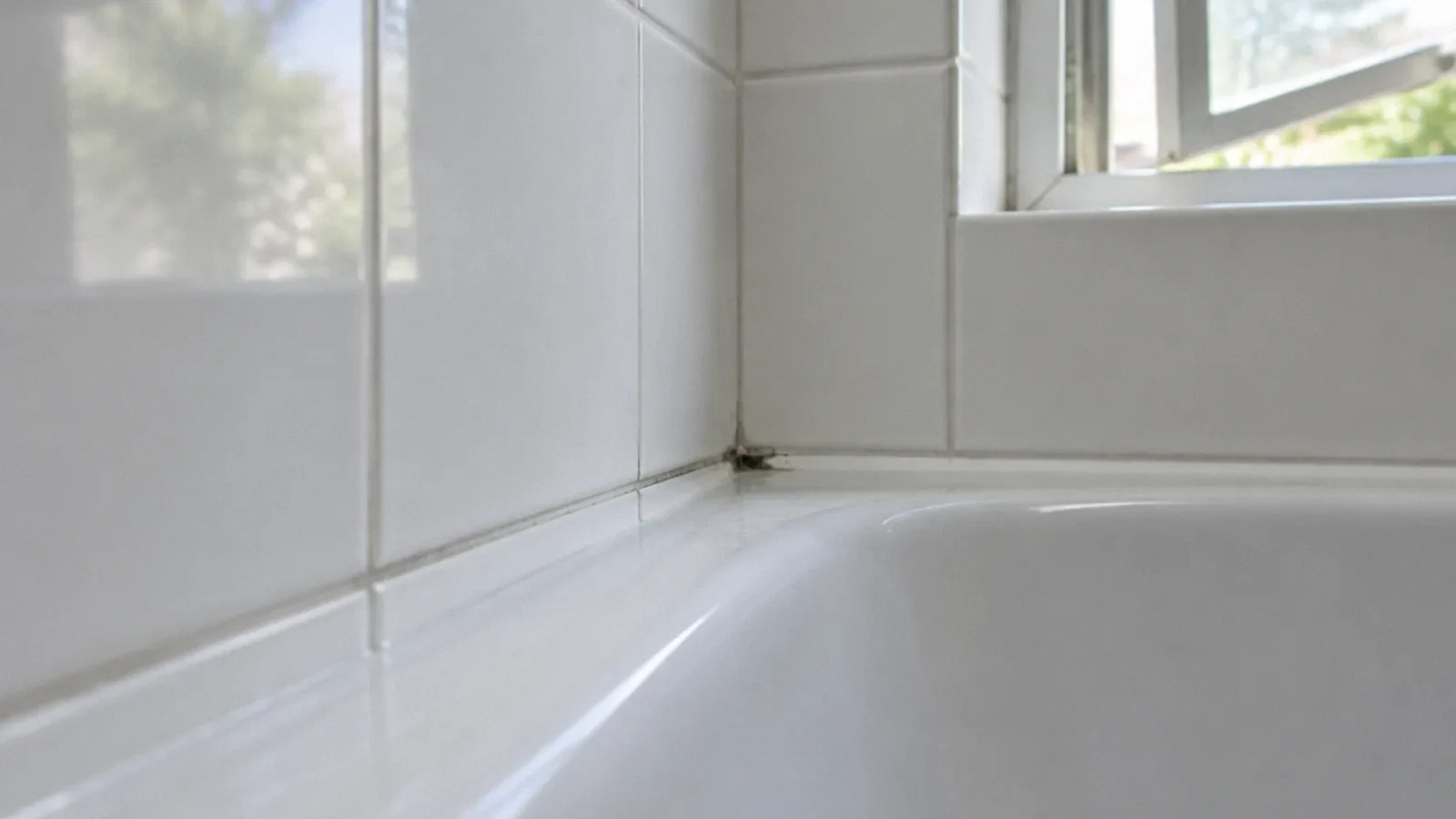
Grout can be textured and absorbent, while caulk is a flexible seal at joints. Clean only the accessible surface using a method suitable for that material. A stain that remains after cleaning is not by itself proof that growth is active, and a clean-looking surface does not prove that the assembly behind it is dry.
If caulk is loose, cracked or remains contaminated, replacement may be needed after the underlying area is clean and dry. If a joint opens into a damp wall, a tile is loose, or removing caulk would expose damaged material, stop and arrange an assessment. Replacing a visible bead alone does not repair a leak behind the shower.
Know when the problem may extend behind tile
Repeated staining at one joint, a persistent musty odor, soft adjacent drywall, loose tile or a water mark on the other side of the wall can justify further investigation. None of these signs proves how much mold is concealed. Avoid pulling off tile or opening a wall simply to check; a qualified person can decide whether an inspection or controlled opening is appropriate.
Document any plumbing leak, failed enclosure or continuing moisture first. If the affected area is larger than expected, or the material cannot be cleaned and dried, an experienced mold-remediation professional can evaluate the scope. Absorbent materials can be difficult or impossible to clean completely, according to EPA guidance.
Reduce the moisture that lets growth return
After a shower, use a bathroom exhaust fan that vents outdoors if one is available, and wipe or squeegee water from accessible shower surfaces. Keep the fan and its vent in working order, address drips and leaks, and allow towels and mats to dry. A fan that only recirculates air is not the same as one that exhausts moisture outside.
CDC recommends keeping indoor humidity no higher than 50% when possible. A household humidity meter can help you notice a persistent problem, but a room reading does not tell you whether a wall cavity is dry. If moisture or staining repeatedly returns despite routine cleaning, investigate the source rather than repeatedly covering it.
Dark marks behind the toilet
A dark mark on the bathroom wall or floor behind a toilet can have several causes. Check for recurring dampness, condensation or a plumbing leak without disturbing damaged materials. The location and color do not identify a mold species. If the area is inaccessible, water-damaged or repeatedly wet, arrange a qualified assessment rather than pulling fixtures or opening a wall to investigate.
Your next-step checklist
- Check the size, material and moisture source before disturbing the area.
- Keep vulnerable occupants away from cleanup and use appropriate gloves, goggles and an N95 respirator.
- Scrub accessible hard tile with detergent and water; dry completely.
- Never mix bleach with vinegar, ammonia or other cleaning products.
- Ask for an assessment if water damage is extensive, hidden or keeps returning.
Related questions
Is black mold in a shower always toxic?
Color alone cannot identify the organism or determine its risk. Visible growth still needs attention, along with the moisture that allowed it to develop.
Can I clean mold from shower tile myself?
EPA says many areas smaller than about 10 square feet can be handled by the occupant, but health, concealed damage and the type of material matter. People in CDC risk groups should not perform the cleanup.
Should I use bleach on shower mold?
EPA does not recommend bleach as routine mold cleanup. Detergent and water followed by complete drying are its general recommendation for hard surfaces. Never mix bleach with other cleaners.
Why does shower mold come back?
Persistent moisture, a leak, poor drying or contamination in a material that cannot be cleaned may be involved. Repeated growth in one place is a reason to investigate the moisture source.
What are early signs of mold in a bathroom?
Look for recurring dampness, musty odors or new spots around fixtures, ceilings, caulk and cabinets. These clues do not identify the material; investigate and correct the moisture source.
Sources & context
Public guidance supports the principles in this article. The practical questions and examples are editorial interpretation, not a site assessment or a coverage decision. State-specific rules apply only where identified.
- US EPA: Mold cleanup in your homeofficial guidance
- CDC: Mold cleanup guidelines and recommendationspublic health guidance
- CDC/NIOSH: Mold testing and remediationpublic health guidance
- US EPA: Should I use bleach to clean up mold?official guidance
- City of Lincoln: Water quality troubleshooting and pink biofilmmunicipal guidance