Fix the source of moisture, assess the material and extent, and clean or replace affected surfaces as appropriate. White deposits are not proof of mold, and color alone cannot identify it.
Find the source before cleaning
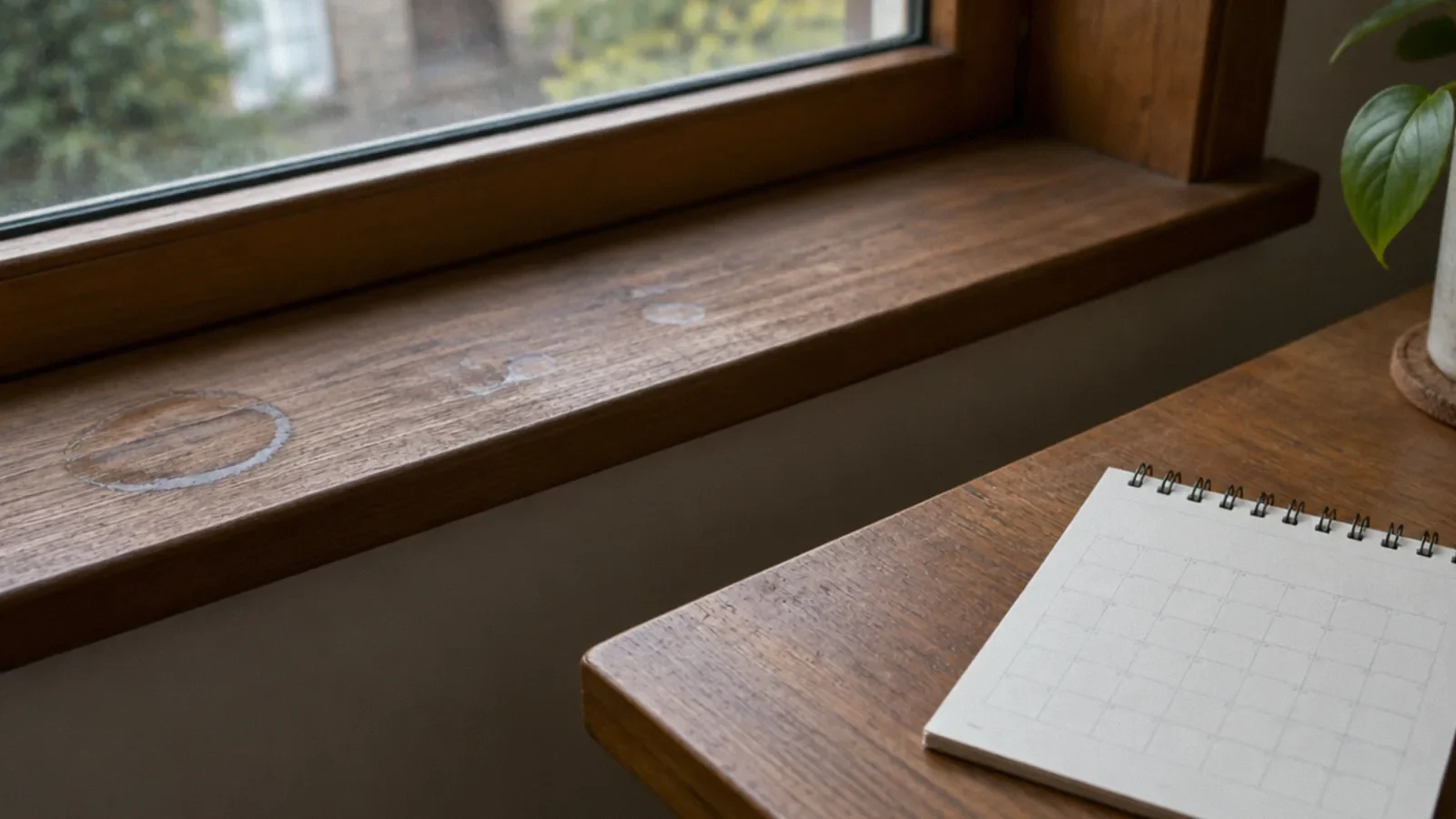
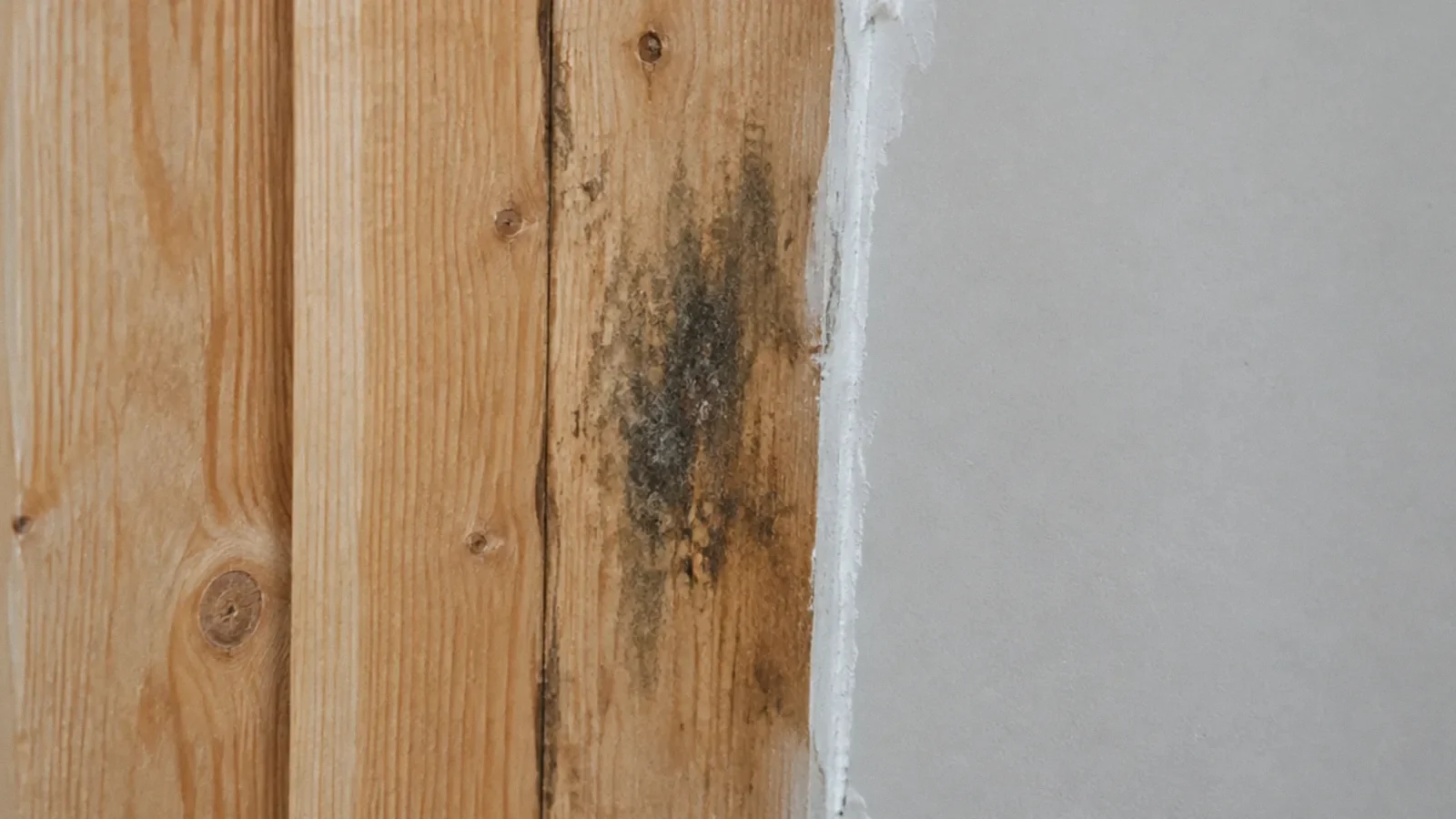
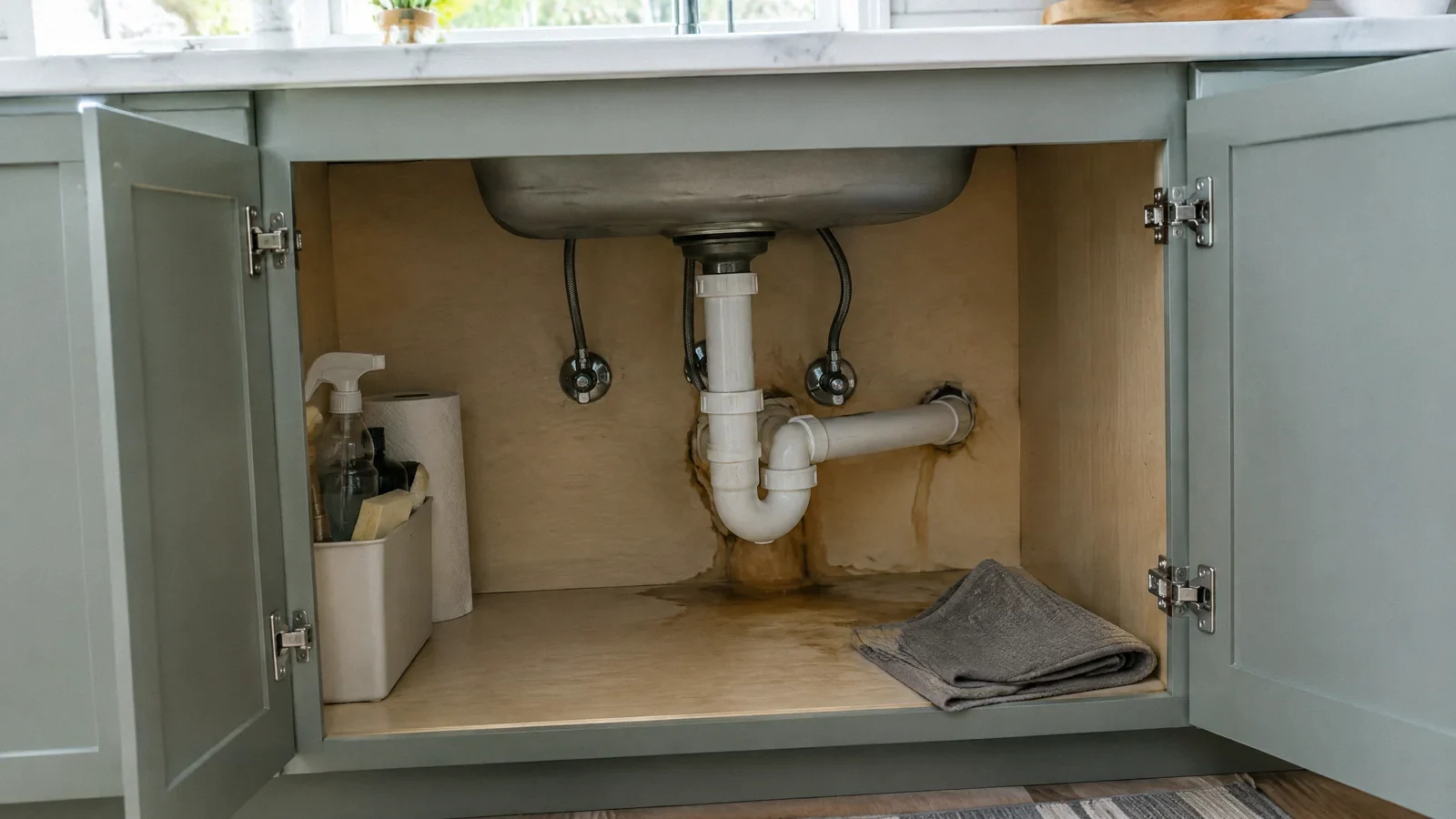
Open the cabinet and look without disturbing damaged material. A white deposit may be mold, mineral residue or another substance; a dark mark is equally inconclusive. Color alone cannot identify an organism or tell you whether a surface is safe. A musty smell, swelling, staining or recurring moisture suggests investigation, not a diagnosis. Photograph the area and record whether it becomes wet when water runs or after the cabinet has been closed.
Look for accessible signs around supply connections, the drain trap, faucet base and sink rim. A leak may be intermittent: a drain joint can drip only when the sink is used, while condensation may occur on a cold pipe in humid conditions. Do not put your hand near exposed wiring or an electrical device in a wet cabinet. If a connection is actively leaking and you can safely reach the fixture shutoff, close it; call a plumber if the source or valve is uncertain.
A simple inspection does not require disassembling plumbing. Place a dry paper towel on a safe, accessible shelf and check for fresh drops after ordinary use, without letting water overflow. Do not leave water running unattended. If the stain reappears after a repair, ask the plumber to check other possible sources, including the sink seal and the wall behind the cabinet.
Decide whether to clean or replace
EPA guidance says small moldy areas on hard surfaces can generally be scrubbed with detergent and water and dried completely. Wear gloves, eye protection and an appropriate N95 respirator for a small cleanup, following EPA guidance. Keep other occupants away from the work area. Do not mix chemicals; EPA does not recommend routine use of bleach or another biocide for mold cleanup.
Cabinet materials matter. A hard, intact plastic shelf liner can usually be cleaned and dried; swollen particleboard, damaged fiberboard and other porous materials may not be cleanable throughout. If growth has penetrated a porous cabinet bottom, replacing the affected component may be more practical than scrubbing the visible face. A professional can assess the adjoining wall and floor if moisture entered a hidden cavity. Do not paint over an affected surface and assume the problem is resolved.
If the area is extensive, concealed, caused by sewage or floodwater, or cannot be dried, seek qualified remediation help. EPA uses approximately 10 square feet as a general guide for small cleanup, but a smaller area may still warrant help when the material is hidden or a person has particular health concerns. People with asthma, allergies or weakened immune systems should avoid exposure and consult a health professional about individual concerns.
Check the repair and keep the cabinet dry
After the leak is fixed, remove wet belongings and dry the cabinet and surrounding area. A fan or dehumidifier can aid drying when conditions are suitable; avoid blowing air across visible mold because it may spread particles. A professional can assess whether moisture has reached layers that cannot be dried in place. Keep cleaning products and other hazardous items out of reach of children during any work.
Before returning items, confirm the surfaces are dry and the plumbing is operating without fresh leaks. A water alarm placed on a cabinet floor may provide an early warning of water at that spot, but it cannot locate every leak or repair one. EPA distinguishes point-of-use moisture sensors from whole-house flow monitors; choose a device based on the location and its maintenance needs.
Recheck after several normal sink uses and periodically thereafter. If staining or odor returns, look again for a continuing leak, condensation or moisture in adjacent materials. Document the repair and any affected property for the landlord or insurer, as applicable. A test result or a layer of paint is not a substitute for removing contamination and fixing the underlying moisture.
In a rental, notify the landlord or property manager in writing and describe the dates and photographs. Ask who will arrange the plumbing repair, drying and cabinet assessment, and whether belongings need to be moved. Keep the affected area accessible but do not remove built-in cabinetry without agreement. If the leak is active or threatens electrical equipment, report that urgency immediately. A small surface stain can conceal a wet cabinet base, so a visual check of the front alone may not describe the full extent.
Your next-step checklist
- Check safely for a leak or condensation around the sink.
- Keep away from wet electrical equipment and damaged cabinetry.
- Clean or replace materials as appropriate and confirm the area stays dry.
Related questions
Is white material under the sink always mold?
No. Mineral deposits and other residues may look white. Color and appearance alone cannot identify mold.
Should I test before cleaning?
EPA says sampling is usually unnecessary when visible mold is present. When identification would change a decision, ask an experienced professional about an appropriate sampling plan.
Sources & context
Public guidance supports the principles in this article. The practical questions and examples are editorial interpretation, not a site assessment or a coverage decision. State-specific rules apply only where identified.
- EPA mold and moisture guideprimary
- EPA sampling guidanceprimary
- EPA leak monitoring devicesprimary