Dark buildup in a sink or drain may be a mixture of residue and microorganisms; color alone cannot identify mold or a species. Clean a small, accessible hard surface with detergent and water, rinse and dry it, and address leaks or persistent dampness. If the drain backs up, the affected area extends into cabinetry, or you suspect sewage, contact an appropriate professional.
What the dark material may be
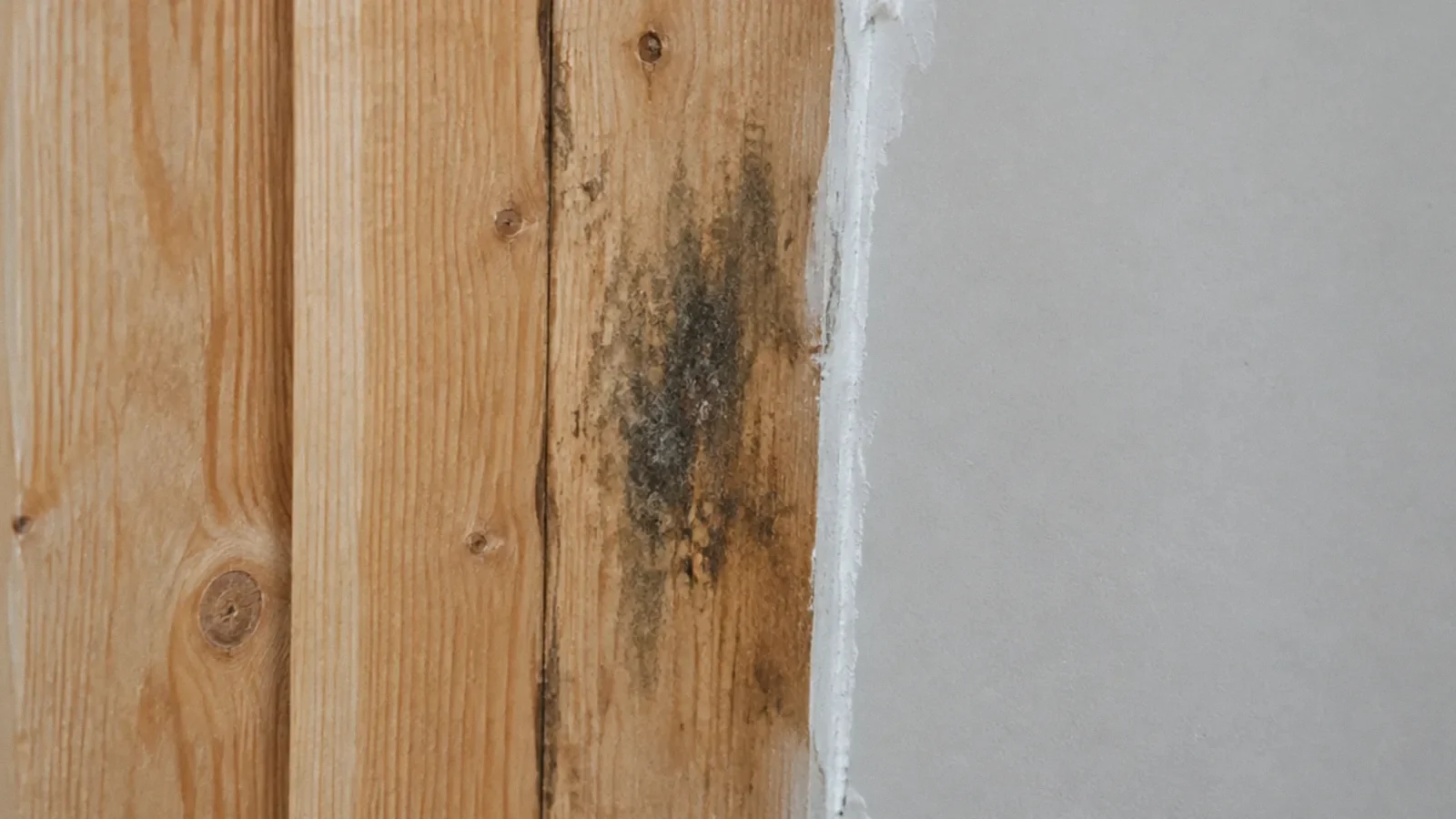
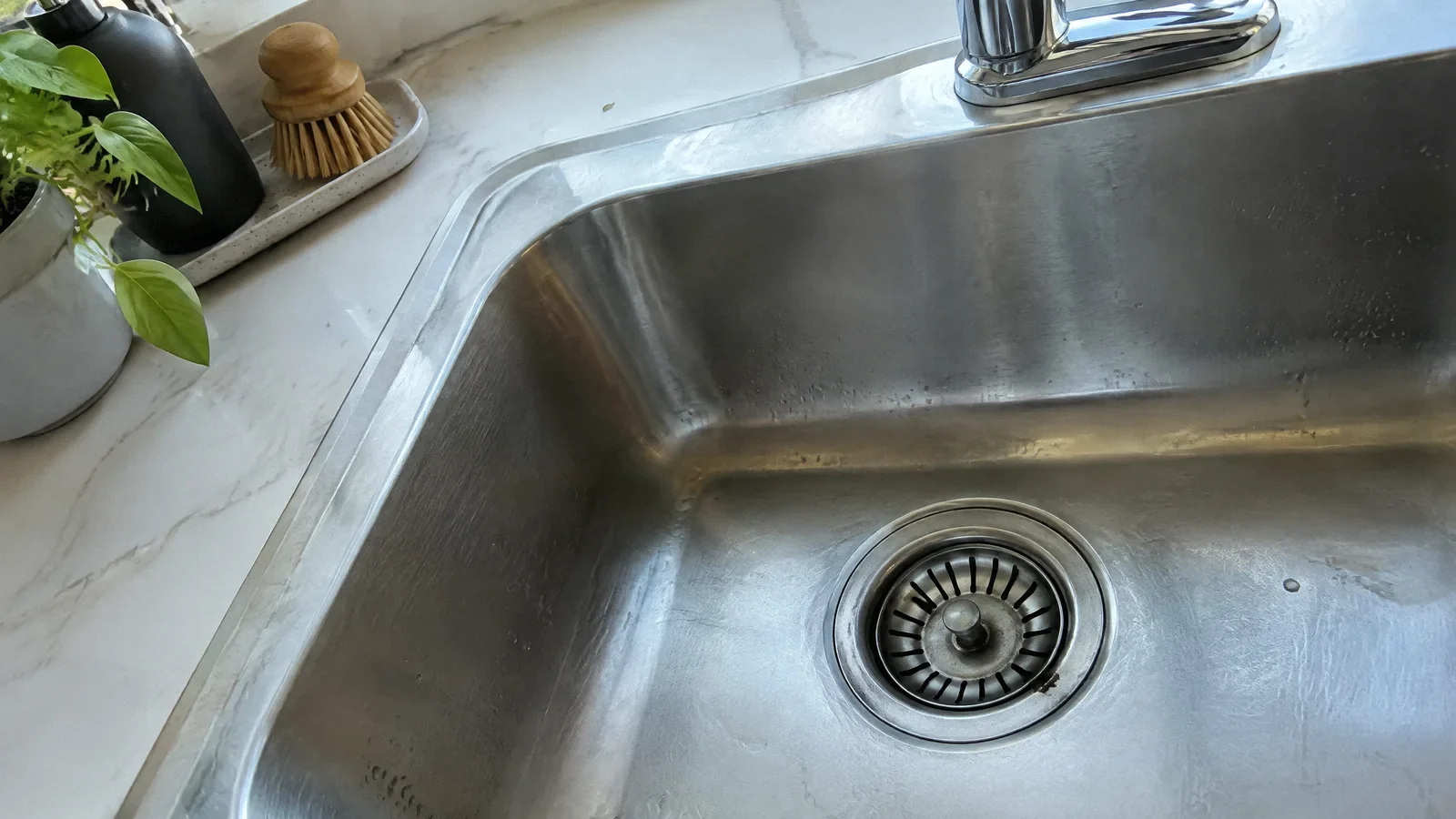
A sink drain collects moisture and residue from soap, food, toothpaste and other everyday use. A dark coating near the opening may include a slimy biofilm, dirt, staining or mold. More than one material can be present. Neither a photograph nor the color black is enough to identify a microorganism or determine whether a particular species is present.
Check the accessible sink surface, stopper and rim first. A small patch at the opening is different from staining on the cabinet floor, a damp wall, a slow drain or water escaping beneath the sink. Those signs can point to a plumbing or moisture problem that surface cleaning alone cannot solve. A persistent musty smell after cleaning also deserves investigation, but it does not identify the source by itself.
Clean a small accessible area
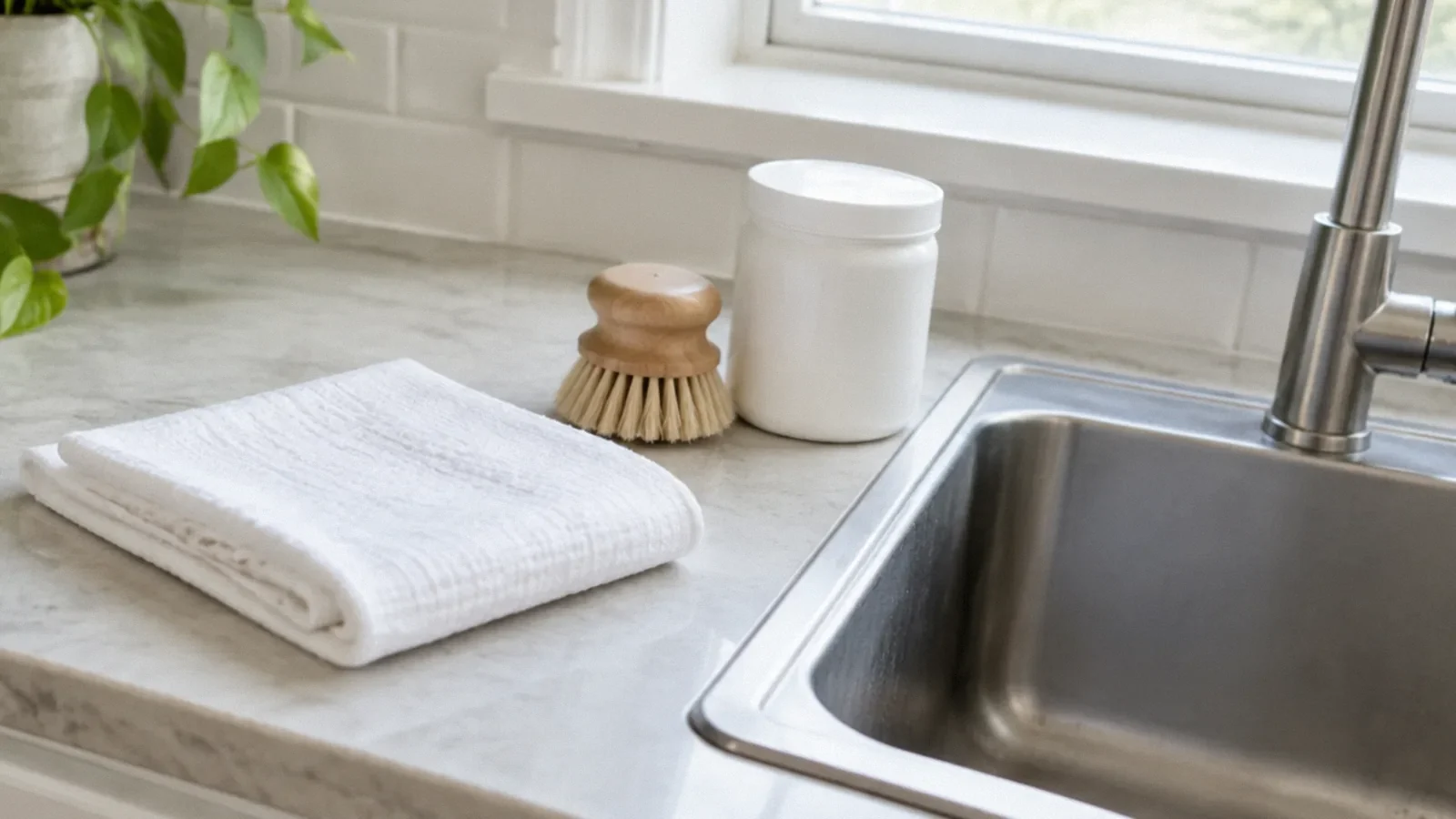
For a small amount of residue on an intact, hard sink surface, put on household gloves and follow the sink manufacturer’s care instructions. Use water and a mild detergent with a nonabrasive cloth or brush that can reach the surface without forcing it into the plumbing. Rinse away the loosened material and dry the surrounding sink and counter. Wash reusable tools afterward and let them dry. Avoid abrasive pads if they could scratch the finish.
If a stopper is designed to lift out easily, clean its accessible surfaces according to the manufacturer’s instructions. Do not dismantle traps or plumbing you are not equipped to handle. For a blocked, leaking or inaccessible drain, a plumber can assess the cause. Routine mold cleanup does not require bleach: EPA recommends removing mold from hard surfaces with detergent and water and drying them. Never mix cleaning chemicals; a drain may contain product left by someone else.
This advice applies to a limited, accessible area. If cleaning would disturb a large area of growth, if the material is embedded in damaged porous surfaces, or if you have health concerns, seek qualified help instead of spreading material around the room. EPA suggests professional assistance for extensive damage and for contamination from sewage.
Find the reason it returns
Some residue can return in a frequently used drain because moisture and debris are continually introduced. Clean accessible parts routinely, follow the fixture maker’s instructions, and wipe water from the sink rim and surrounding counter. Avoid letting a wet sponge or a container sit against caulk for long periods. Running the bathroom exhaust fan during and after use can help reduce persistent moisture in the room.
Look inside the cabinet without reaching into wet electrical equipment. A damp cabinet floor, swollen particleboard, loose caulk or staining around a pipe deserves attention. A plumber can locate and repair a leaking connection or drain. If the cabinet material remains wet or has mold growth, a restoration professional can evaluate whether it can be cleaned and dried or needs replacement. A dry-looking surface does not prove that hidden material has dried.
If dark residue appears again immediately after cleaning, note where it begins, whether water drains slowly, and whether there is an odor or an active leak. Photograph the area before more cleaning and share the observations with the plumber or property manager. Do not repeatedly pour stronger chemicals into the drain to hide a recurring problem.
When to get help promptly
A sewage backup, contaminated standing water or widespread wet building material calls for experienced help. Keep people and pets away from the affected area and avoid contact with the water. If water is near an outlet or electrical device, stay clear and arrange safe assistance; do not touch wet electrical equipment.
For visible mold covering more than about 10 square feet, extensive water damage, or suspected growth in a heating or ventilation system, EPA recommends seeking experienced assistance. Even a smaller area can warrant help if the material is difficult to access, the moisture source is unresolved, or an occupant has a health concern. Ask the service provider how it will find the water source, protect other areas, remove affected material and verify drying.
Renters should notify the property manager promptly and keep a dated record of the visible condition and communications. Homeowners can document the location, suspected source and repairs before work starts. Contact a health professional about individual symptoms or concerns; the appearance of a drain cannot establish a diagnosis.
After the moisture problem is corrected
A useful follow-up is to check the same places after normal sink use and again over the next several days. The goal is a functioning drain, no active leak, clean accessible surfaces and dry surrounding materials—not a promise that a drain will remain sterile. If a stain remains after the residue is removed, it may be cosmetic; avoid aggressive treatment that damages the fixture.
Where the cabinet or wall has been wet, ask the professional what was checked behind the visible surface and how dryness was established before repairs or repainting. Keep the repair invoice and any photographs so that a recurrence can be compared with the original condition.
Your next-step checklist
- Check whether residue is limited to an accessible hard surface.
- Clean with mild detergent and water; rinse and dry the surrounding area.
- Look for slow drainage, leaks and damp cabinet materials.
- Seek experienced help for sewage, extensive growth or unresolved moisture.
Related questions
Does black residue mean toxic black mold?
No. Color alone cannot identify mold, a species or a health risk. Dark drain residue can contain several different materials.
Should I pour bleach down the drain?
Routine cleanup of accessible hard surfaces generally calls for detergent and water, not bleach. Never mix products, and use a plumber for a blockage or leak.
Why does the buildup keep coming back?
A drain is frequently damp and collects residue. Recurrence can also reflect a slow drain or leak, so check the location and investigate persistent moisture.
Sources & context
Public guidance supports the principles in this article. The practical questions and examples are editorial interpretation, not a site assessment or a coverage decision. State-specific rules apply only where identified.