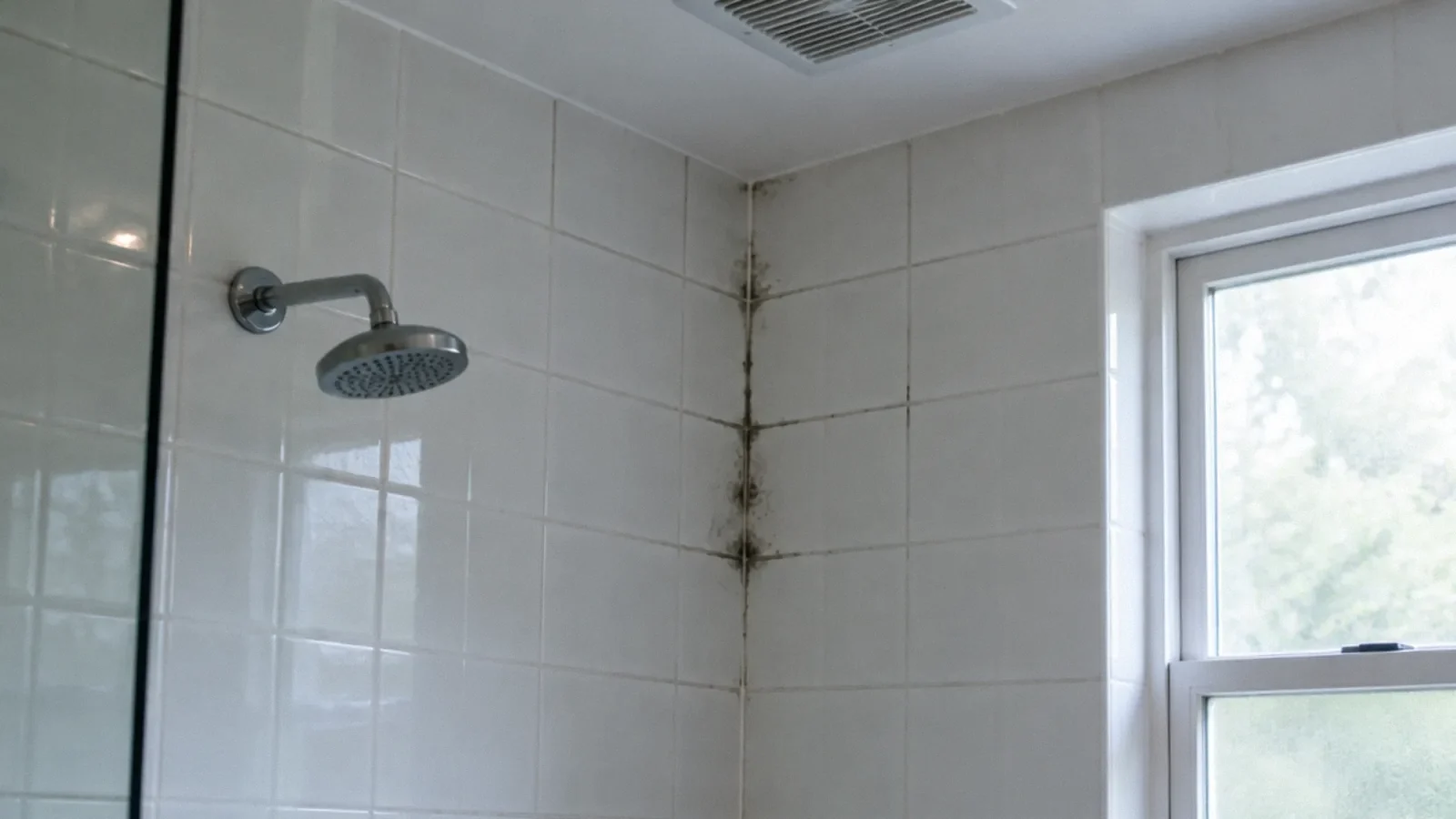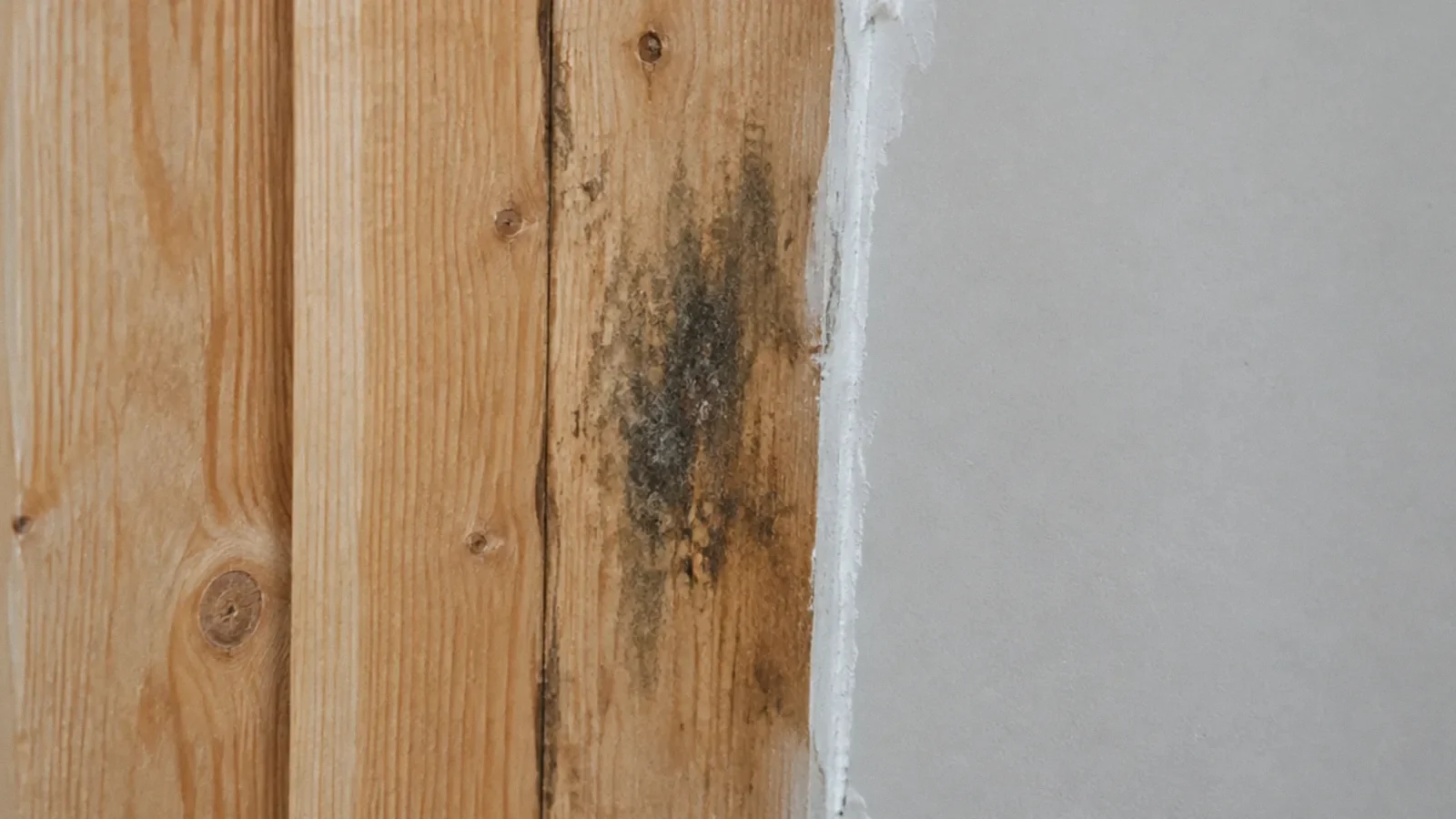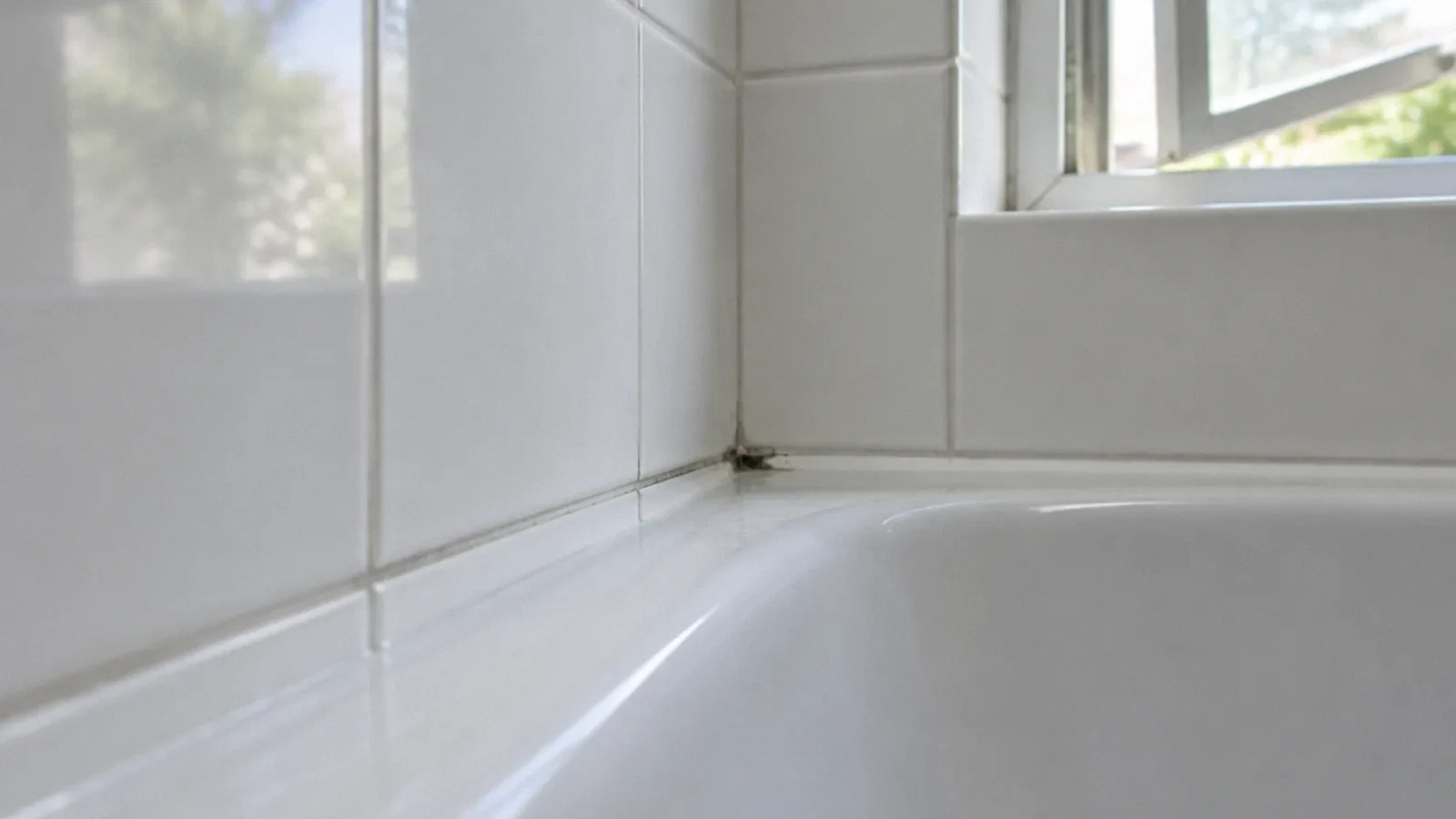
A black patch in a shower cannot be identified or rated for health risk by its color. Mold exposure affects people differently; people with asthma, allergies, chronic lung disease or weakened immunity may need added precautions. Address visible growth and the moisture source, and contact a clinician about symptoms or an experienced professional about extensive or concealed damage.
Black color is not a diagnosis
Black or dark marks on shower grout and caulk are often described as black mold, but several organisms and other residues can look dark. CDC notes that color does not necessarily indicate that a mold is more or less dangerous. A photograph, smell or search result cannot determine a species, toxin production or the exposure in your bathroom.
Visible growth in a building should still be addressed. The useful first questions are where it is, whether the area stays wet, how extensive it is and whether nearby materials may have been affected. You do not need to establish the exact species before taking the moisture problem seriously.
Who may be more sensitive to mold exposure
CDC says exposure to damp or moldy environments can cause symptoms in some people and no noticeable symptoms in others. Possible effects include a stuffy nose, sore throat, coughing or wheezing, irritated eyes and skin rash. These symptoms are not specific to mold and cannot establish that a particular bathroom caused them.
People with asthma or mold allergies can experience more pronounced reactions. People with weakened immune systems or chronic lung disease may face additional risks, including fungal infections in some circumstances. Individual risk varies; a health professional can consider the person’s condition and other possible causes.
Should you keep using the shower?
An online guide cannot certify that a particular shower is safe to use. If someone in the household is experiencing symptoms, has a condition that makes exposure more concerning, or the affected area is extensive, avoid unnecessary exposure while you arrange appropriate advice. Contact a clinician about symptoms and an experienced remediation professional about the building condition.
Seek urgent medical care for severe or rapidly worsening breathing problems or another emergency. Do not wait for a mold test to address a medical emergency. If water is leaking near electrical equipment or the surrounding structure appears unsafe, stay clear and contact the appropriate qualified professional.
Avoid making exposure worse during cleanup
Disturbing mold can release particles, and cleaning chemicals introduce their own hazards. CDC advises people with mold allergies, asthma or chronic lung disease, and people with weakened immune systems, not to take part in mold cleanup. Keep others out of the immediate work area and arrange for a suitable person or professional to do the work.
For an otherwise appropriate small cleanup, CDC recommends protective gloves, goggles and an N95 respirator or better. EPA recommends detergent and water for mold on hard surfaces, followed by thorough drying. Never mix bleach with ammonia or other cleaners. The separate shower-cleaning guide explains the practical steps and limits in more detail.
Look for the source of persistent moisture
Water left on tile is common after showering, but repeated staining at the same joint, loose tile, soft adjacent wallboard or a persistent musty odor can indicate a problem needing investigation. A visible stain alone cannot establish whether there is mold behind tile or how far water has traveled.
Address drips, leaks and ventilation rather than painting or caulking over visible growth. EPA notes that porous materials can be difficult or impossible to clean completely. If the damaged area is extensive, concealed or returns after cleaning, ask an experienced professional to identify the source and explain the proposed scope.
Understand what mold testing can and cannot answer
CDC does not recommend routine air sampling as the first step in building mold evaluations. Short-term results may not represent a person’s actual exposure, and a color, species name or spore count does not by itself diagnose illness or establish the source of symptoms. A visible moisture problem still needs attention.
If an inspection is being considered, ask what specific decision the proposed test would change, where samples will be taken and how results will be interpreted. Keep photographs, dates and repair records. For health questions, discuss symptoms and relevant medical history with a clinician rather than relying on a home test kit.
Separate pink residue from a black-looking patch
A pink or reddish film in a shower is sometimes called pink mold, but municipal water-quality guidance notes that similar films can be bacterial. Color alone does not establish which organism is present. Do not treat a label found online as a diagnosis or mix chemicals in an effort to treat several possible causes.
Whether a residue is dark or pink, remove accessible contamination appropriately, let the area dry and correct persistent moisture. A material that is damaged or cannot be cleaned may require a different response.
Beyond the shower and damaged joints
Bathroom ceiling patches, around a sink and damp exterior-wall corners deserve the same moisture investigation as shower grout. Dark color alone does not establish toxicity or species. Condensation, a roof leak or plumbing leak may require different repairs; a visual patch cannot reveal the whole assembly.
Cracked or missing grout or caulk, loose tiles, soft wallboard, recurring staining or water beyond the shower can indicate damaged joints or concealed moisture. Do not seal over a wet or moldy assembly. Arrange an experienced assessment when damage is concealed, widespread or recurring. If symptoms persist, discuss their timing and other possible causes with a clinician; severe breathing difficulty needs urgent medical attention.
Your next-step checklist
- Do not infer a species or degree of danger from color alone.
- Contact a clinician about symptoms; seek urgent care for severe breathing difficulty.
- Keep people in CDC risk groups out of mold cleanup.
- Document the affected area, continuing leaks and any signs of damage beyond the surface.
- Use an experienced professional for extensive, concealed or recurring damage.
Related questions
Is black mold in shower grout always dangerous?
Its appearance cannot establish the species or a person’s risk. People vary in sensitivity, and visible growth and the moisture source should be addressed.
Can shower mold cause symptoms?
Damp or moldy environments can be associated with irritation, coughing or wheezing for some people, but these symptoms have other possible causes. A clinician can assess individual circumstances.
Do I need to test the mold before cleaning?
Usually the first task is to address visible growth and moisture. CDC does not recommend routine air sampling as the initial approach to evaluating a building.
When should I seek professional help?
Consider experienced help for a large area, extensive water damage, suspected hidden growth, recurring contamination or when a household member should not perform the cleanup.
Sources & context
Public guidance supports the principles in this article. The practical questions and examples are editorial interpretation, not a site assessment or a coverage decision. State-specific rules apply only where identified.
- CDC: Mold and possible health effectspublic health guidance
- CDC: Mold cleanup guidelines and recommendationspublic health guidance
- CDC/NIOSH: Mold testing and remediationpublic health guidance
- US EPA: Mold cleanup in your homeofficial guidance
- CDC: Facts about Stachybotrys chartarumpublic health guidance
- City of Lincoln: Water quality troubleshooting and pink biofilmmunicipal guidance
- Reference: www.epa.govreference