Clean the accessible bowl with a compatible toilet product, never mix cleaners, and investigate persistent moisture or leaks around the fixture. Color alone cannot identify mold.
What the dark ring can and cannot tell you
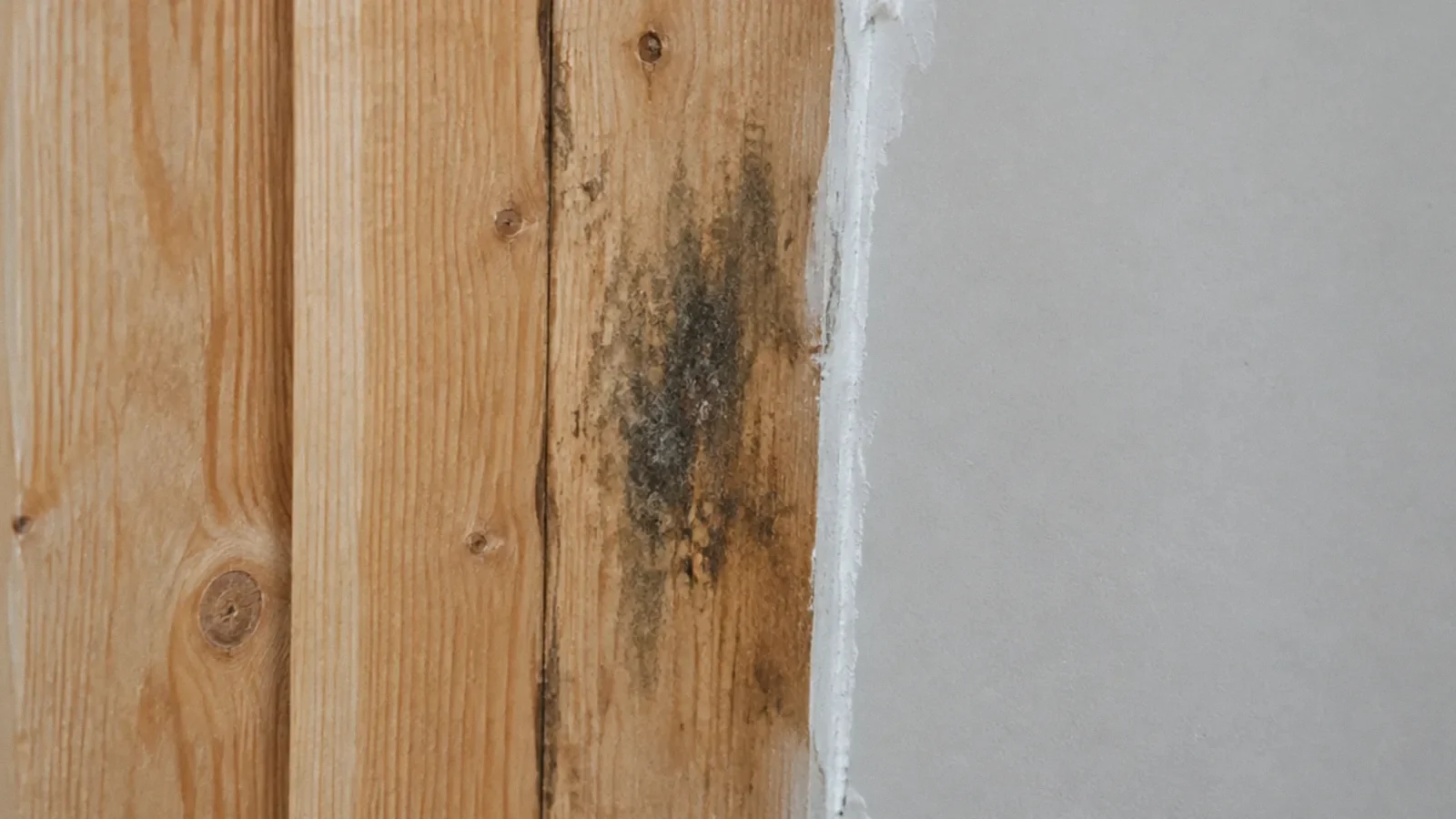
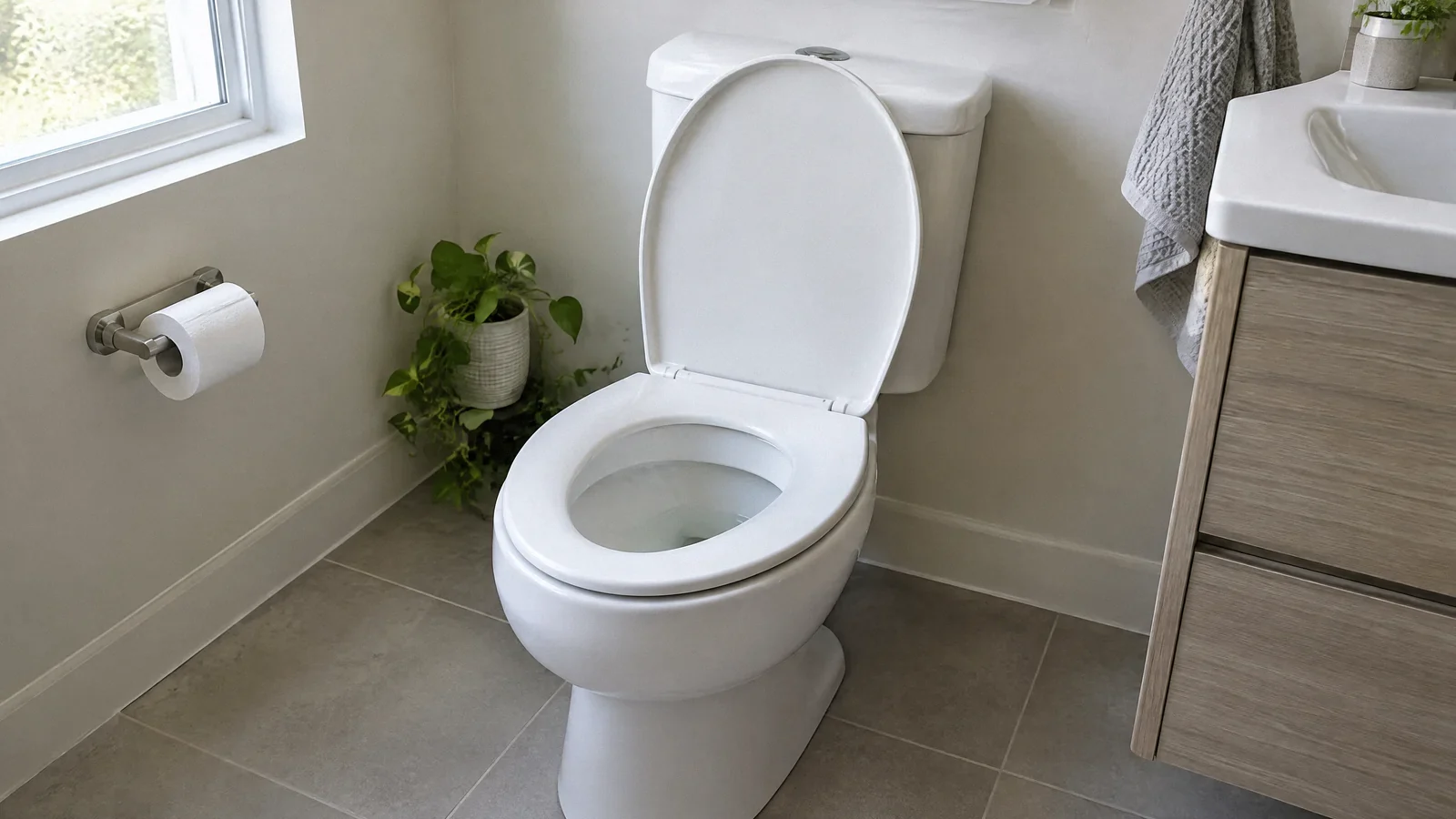
A dark or discolored ring at the waterline, under the rim or in the tank can have several causes. Mold, other microbial film, mineral deposits and staining can look alike. Color alone cannot identify a mold species or establish a particular health danger. You generally do not need to identify the organism to clean a small accessible area and address the conditions that let it return.
A toilet that stands unused gives deposits more time to develop. Hard water can leave scale that traps residue, while a slow leak or poor ventilation can keep nearby surfaces damp. The bowl and the tank are different environments: check both visually, but do not assume a ring in the bowl proves a hidden mold problem in the wall.
Clean the bowl without creating a chemical hazard
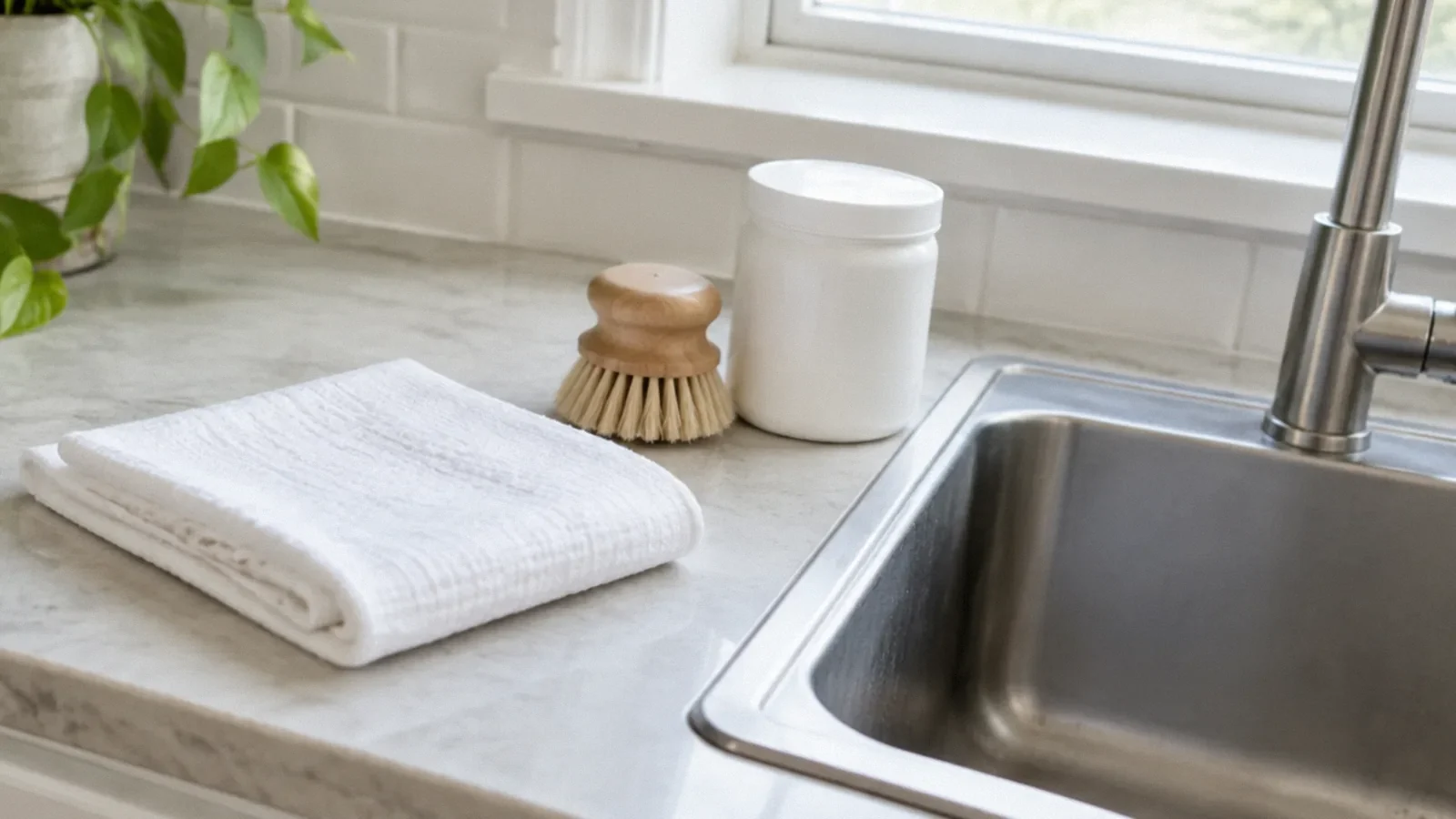
Keep children and pets away, ventilate the bathroom, and wear gloves and eye protection. Follow the toilet cleaner’s label and the toilet manufacturer’s instructions. Apply the cleaner as directed and scrub the inside of the bowl and beneath the rim with a toilet brush. Flush, rinse the brush as appropriate, and store it so it can dry. Do not use abrasive tools that may damage the finish.
Never mix bleach with ammonia, acids, toilet-bowl cleaners or any other cleaning product. Mixing cleaners can release dangerous gases. Do not add a second product over residue from the first. If irritating fumes occur, leave the room, get fresh air, and seek emergency help if symptoms are serious. Consult Poison Control for exposure advice.
Some toilet cleaners already contain chemicals that should not be combined with bleach. Read the label before use and avoid improvised mixtures. A stronger smell or more product is not evidence of better cleaning. A routine toilet brush and a compatible cleaner are usually a more useful first step than trying to identify a species from the color of a ring.
Inspect the tank and the area around the fixture
Remove the tank lid carefully and place it on a stable surface; porcelain can break. A film or staining inside the tank may need attention, but tank components and seals can be sensitive to chemical exposure. Check the toilet manufacturer’s directions before introducing a cleaner into the tank. Avoid in-tank products or repeated bleach exposure if the manufacturer advises against them, and do not pour an unknown mixture into the tank.
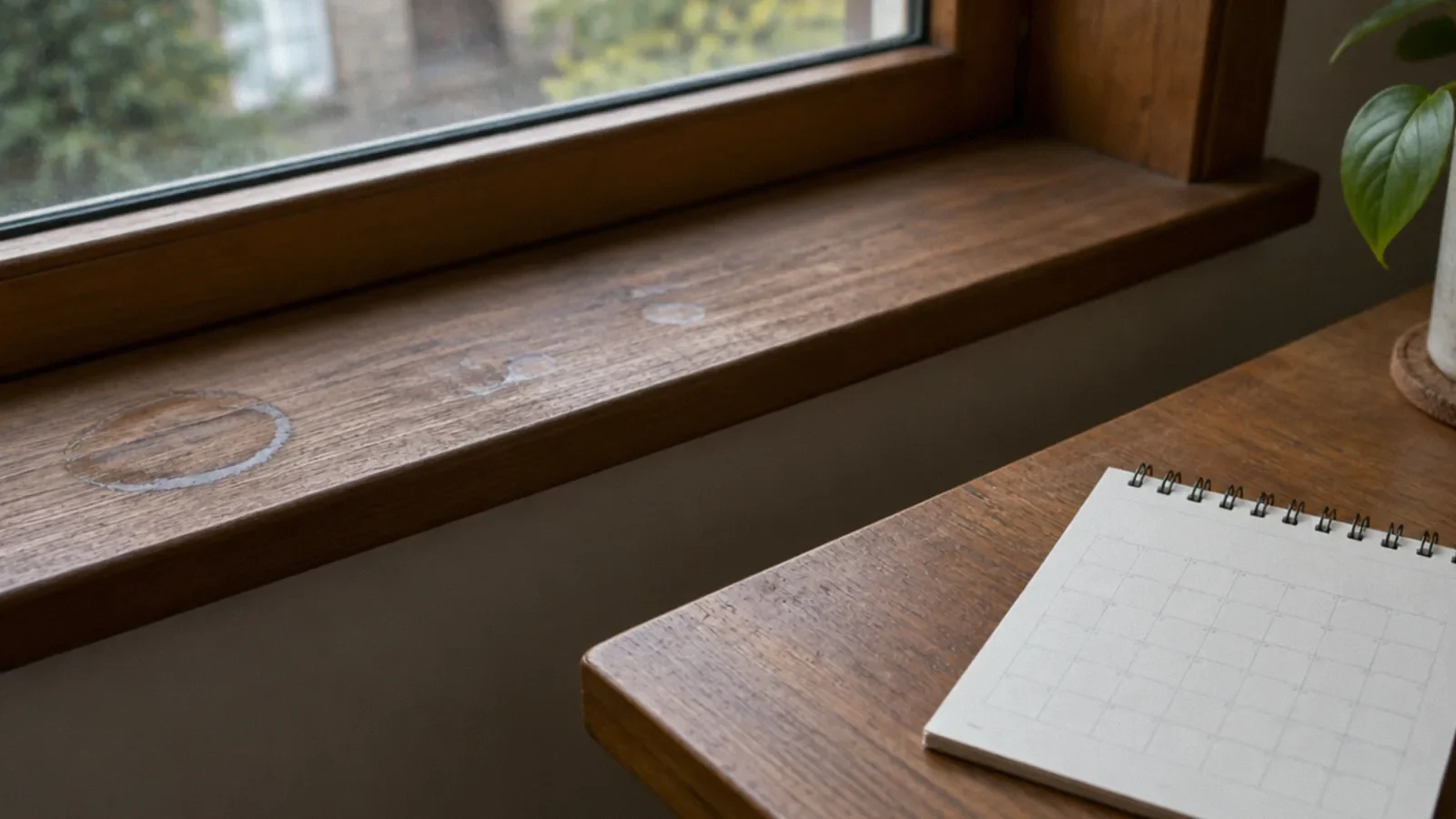
Look around the supply connection, shutoff valve, tank bolts, base and adjacent floor for persistent dampness. Condensation on the outside of a cold tank is different from a supply leak. If water is coming from a connection, the base, or an inaccessible location, arrange plumbing assessment. Avoid removing the toilet or opening a wall solely to chase a discolored bowl ring.
A damp ceiling below the bathroom, soft flooring, sewage odor or water appearing outside the fixture changes the scope of the problem. Keep people away from contaminated water and arrange professional assessment. A plumber can locate the source; a restoration professional can assess affected building materials after the leak is controlled.
If discoloration comes back
Record where and how quickly it returns after cleaning. A uniform ring at the waterline may be associated with standing water or mineral buildup; recurring dampness outside the bowl points toward a separate moisture issue. The appearance is a clue, not proof of the cause. Ask a plumber or water-quality professional about stubborn scale when normal manufacturer-approved cleaning does not resolve it.
For an infrequently used bathroom, establish a regular cleaning and flushing routine consistent with local water restrictions and the fixture maker’s advice. Use a bathroom exhaust fan vented outdoors or another suitable ventilation method to reduce moisture after bathing. Repair leaks promptly and dry wet surfaces. The goal is to remove the conditions that keep deposits returning, not to keep adding chemicals.
A small accessible mark is different from extensive growth on drywall, flooring or concealed cavities. EPA says small mold areas under about 10 square feet can often be handled by occupants, but the threshold is not permission to disturb sewage contamination or hidden damaged materials. People with asthma, mold allergies, chronic lung disease or weakened immunity should avoid mold cleanup; CDC recommends appropriate protection for those doing the work.
When to ask for help
Contact a plumber when a leak persists, the toilet rocks, or water appears around its base. If suspected growth extends into walls or flooring, the area is large, or it returns after the leak is repaired, seek a qualified mold assessment. Do not paint over damp or visibly contaminated material as a substitute for finding and correcting the source.
Document the location and any water damage before repair, especially if a landlord or insurer needs to evaluate it. Keep cleaning products in their original containers and follow disposal instructions. If exposure causes symptoms or you have a medical concern, consult a health professional rather than using the color of the deposit to diagnose an illness.
Your next-step checklist
- Ventilate and follow the cleaner label.
- Never mix cleaning chemicals.
- Inspect the tank and floor for persistent moisture.
- Arrange plumbing help for leaks.
Related questions
Is a black toilet ring always toxic mold?
No. Color cannot identify a species, and mineral or other deposits may look similar.
Should I mix bleach and toilet cleaner?
No. Mixing bleach with acids or other cleaners can release dangerous gases.
Sources & context
Public guidance supports the principles in this article. The practical questions and examples are editorial interpretation, not a site assessment or a coverage decision. State-specific rules apply only where identified.