Mold can grow on dust, oils and other residue on a glass surface when enough moisture is present. Glass itself is nonporous, but window seals, frames and nearby materials may absorb water. Clean a small accessible area with detergent and water, dry it, and correct the moisture source.
The surface and the material around it
Glass is a hard, nonporous material. That does not make a window immune to a mold problem: dust, grease and other deposits can collect on the surface, and moisture can remain there long enough for growth on those deposits. Mold needs moisture and a food source. A clean, dry pane is less hospitable than a pane covered with damp dust or residue.
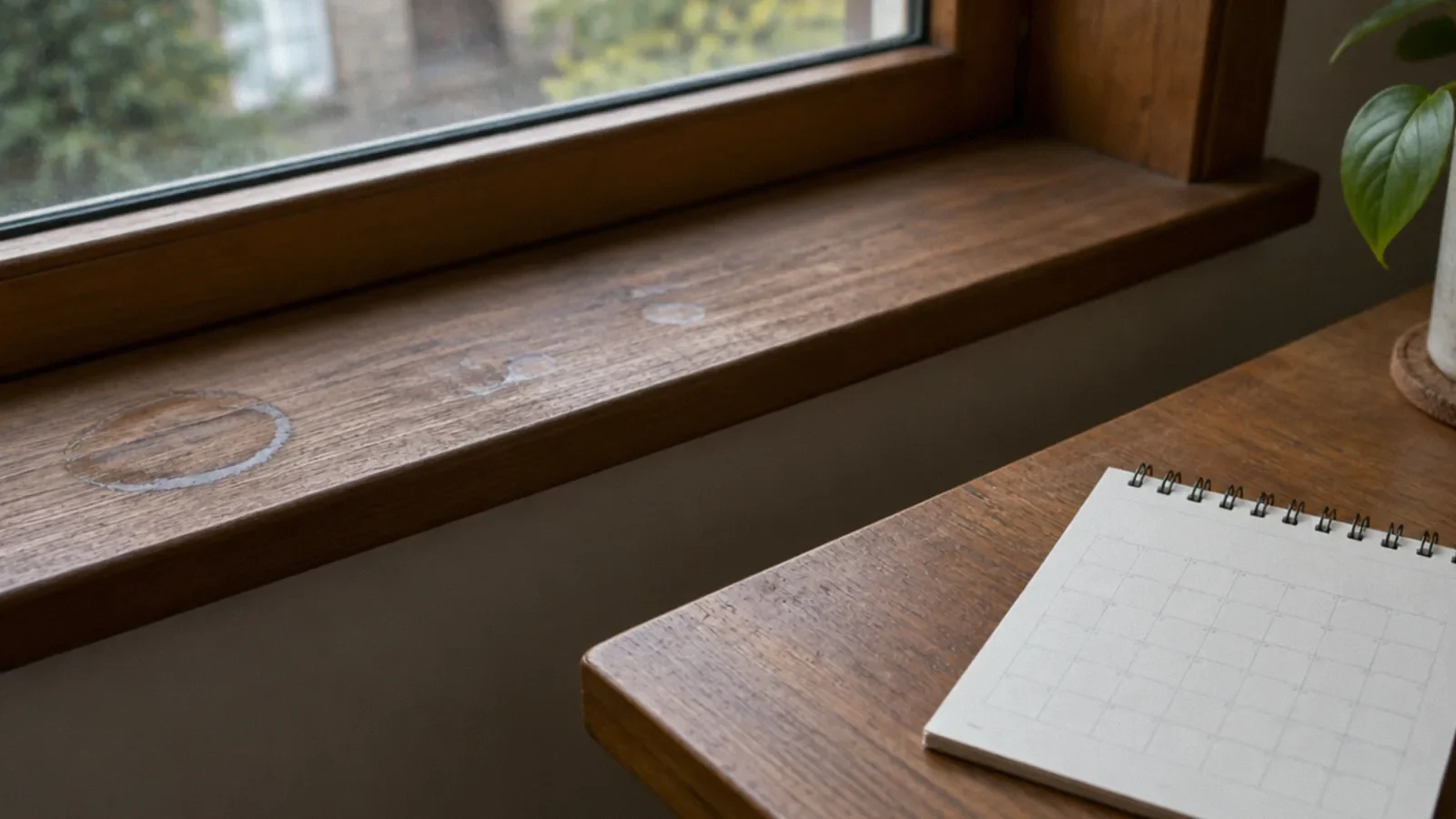
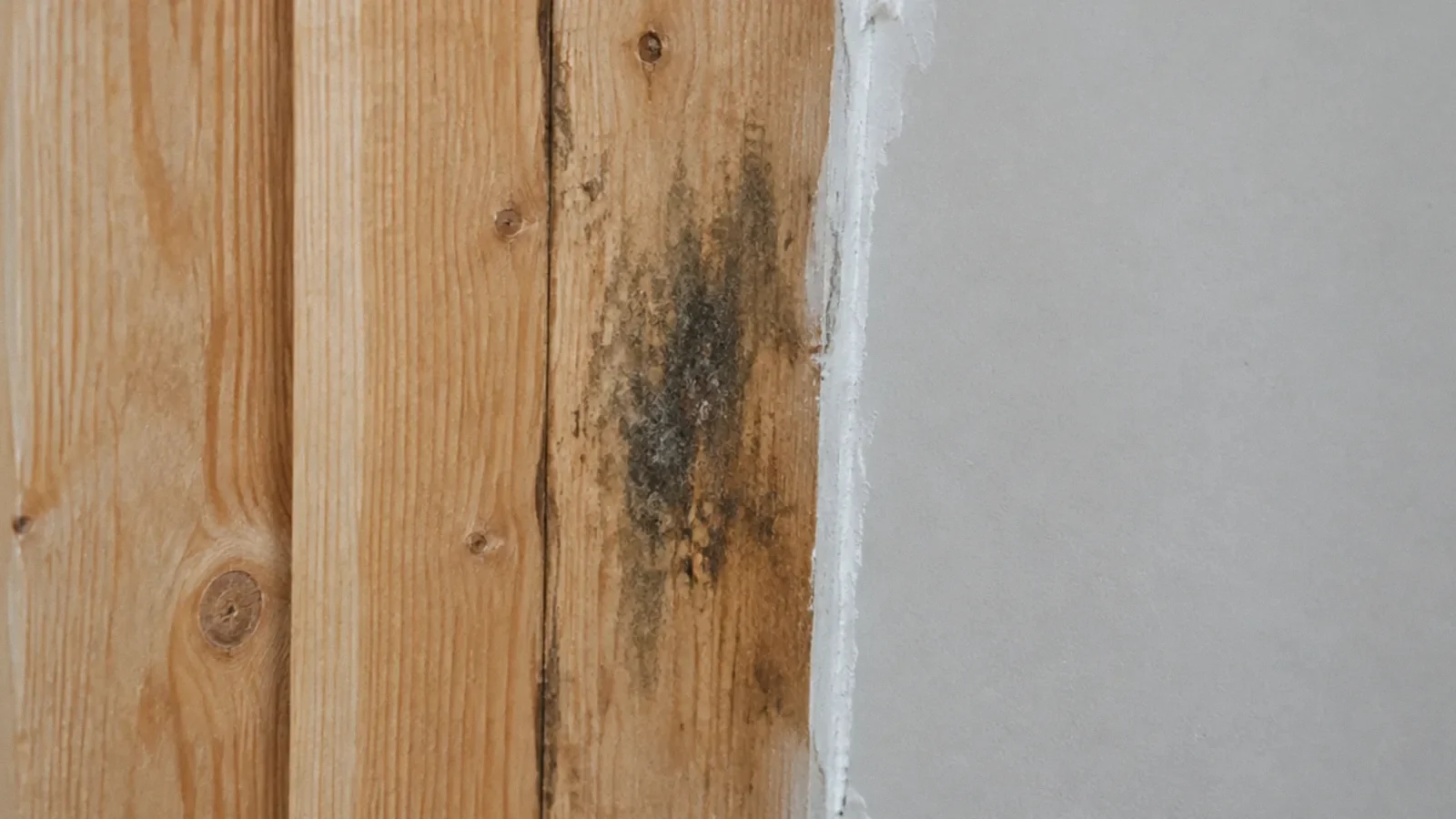
The edges of a window matter as much as its center. Look at the frame, sealant, sill, wall and any nearby curtain. These surfaces can collect condensation or be wet by a leak. Wood, drywall and other porous materials may hold water differently from glass and may require a different response. A pane that wipes clean does not establish that the material behind the trim is dry.
A dark spot is not automatically mold. Dirt, staining and deteriorated sealant can look similar, and color cannot identify a mold species or establish a health diagnosis. A musty smell or recurring marks should prompt a search for moisture. If the suspected area is inaccessible or extensive, get an experienced inspection rather than scraping into the assembly.
Why windows and other glass become damp
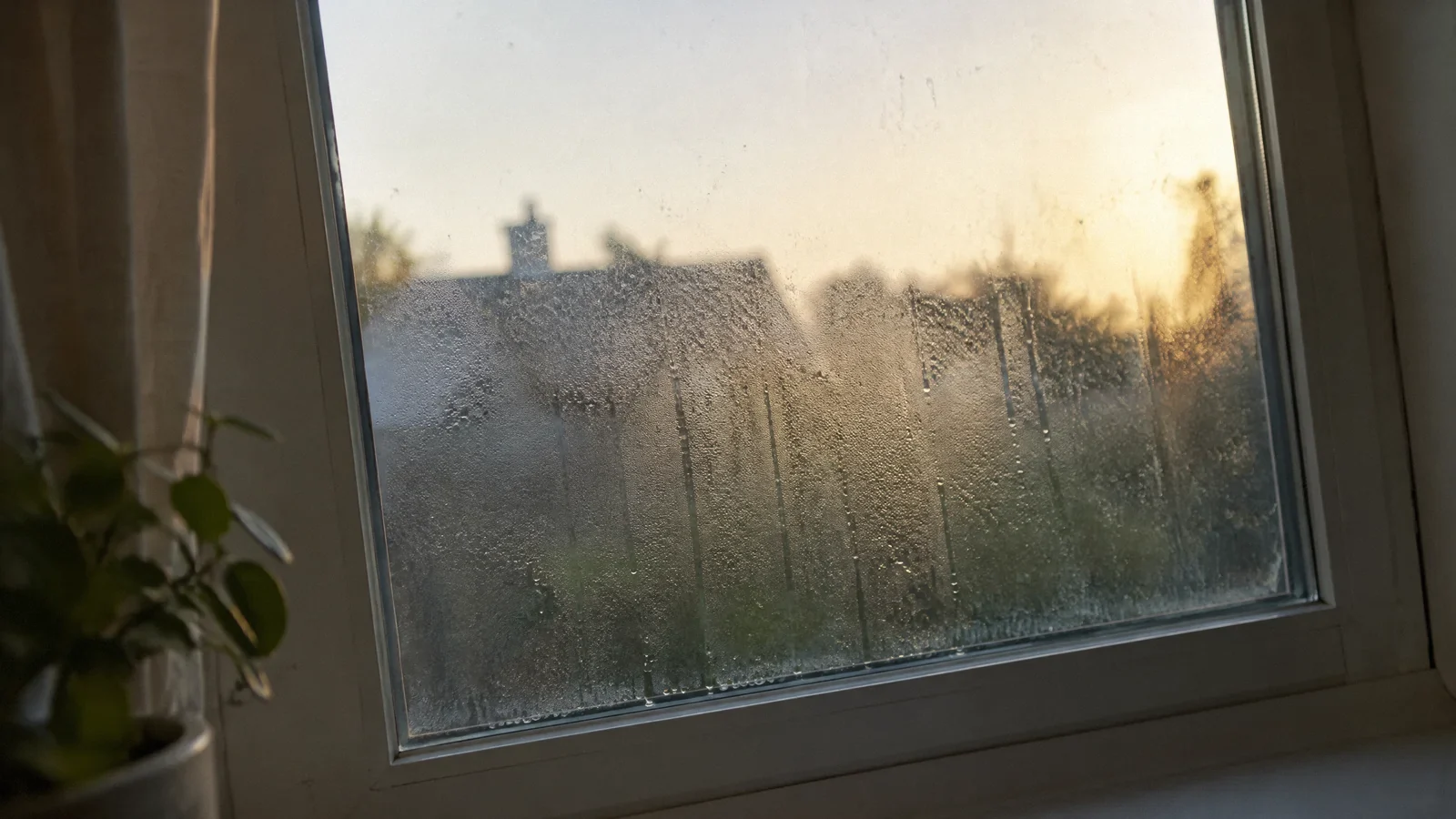
Condensation occurs when humid indoor air meets a sufficiently cold surface. It can appear as droplets or fog on interior glass during cold weather, especially where moisture from bathing, cooking or drying clothes accumulates. A bathroom mirror can also remain damp if the room does not ventilate well. Repeated wetting gives dust and residue more opportunity to remain moist.
Not every wet window is caused by condensation. Rain can enter through a failed exterior seal, flashing or another defect. A plumbing leak above a window may leave a stain in a nearby wall. Water between panes of an insulated window can indicate a failed sealed unit; wiping the inside surface will not resolve moisture trapped between panes. A window professional can evaluate the assembly and the appropriate repair.
Note when moisture appears. Droplets across the room-facing pane during cold mornings may suggest condensation, while water appearing after rain at one corner may point to intrusion. These are clues rather than a diagnosis. Photograph changes and report recurring wetness to a landlord or qualified contractor. Avoid opening or removing trim if doing so could disturb old paint or concealed materials.
Clean a small accessible patch safely
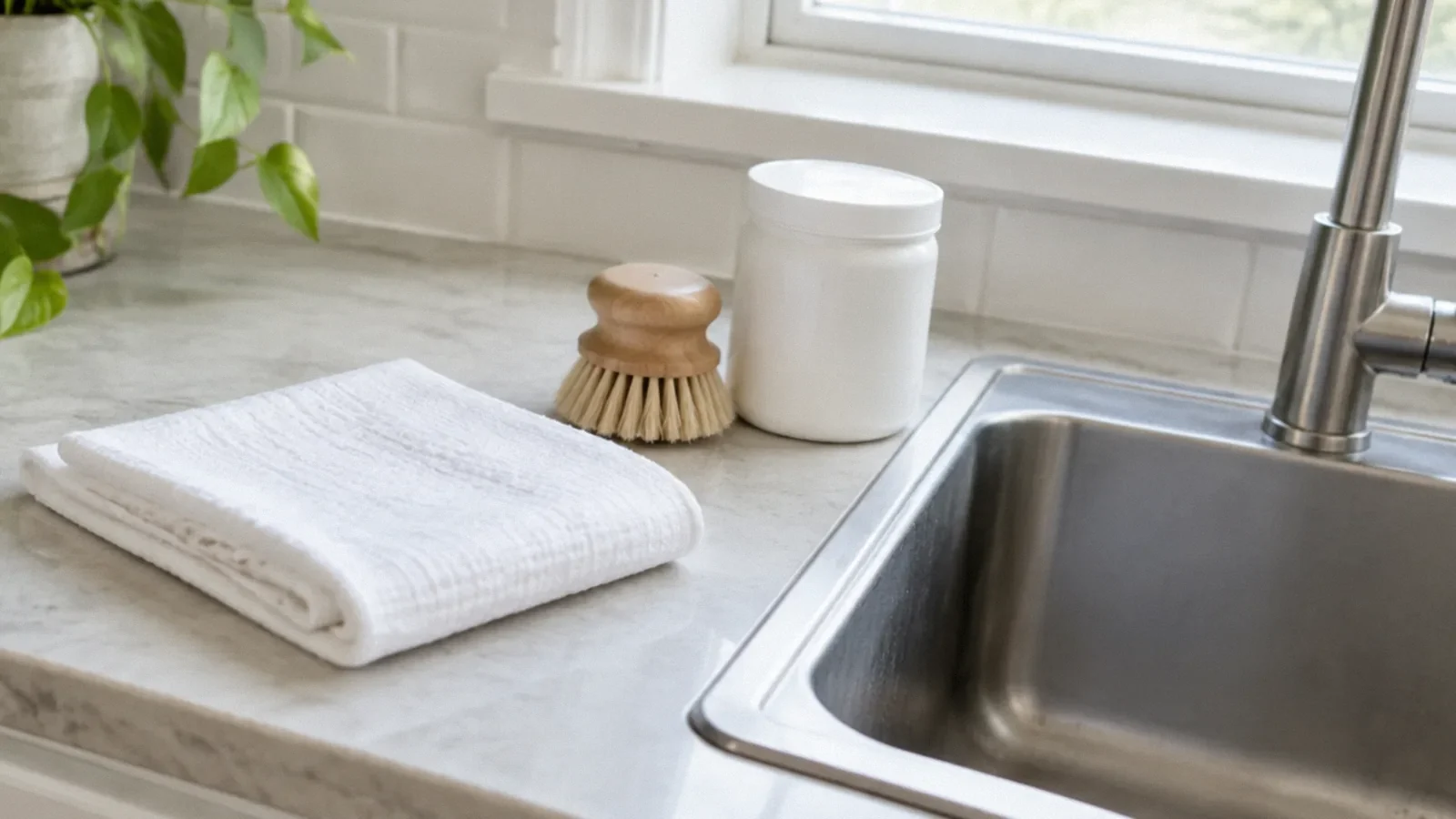
For a small area on intact, accessible glass, use water and a mild detergent and gently wipe or scrub away the material. Wear gloves and consider the protective equipment described in EPA guidance, including eye protection and an N95 respirator when appropriate. Rinse if needed and dry the glass and surrounding hard surfaces completely. Avoid spraying or scrubbing aggressively in a way that spreads debris. Follow the window manufacturer’s care instructions and protect finishes from products that could damage them.
Do not mix cleaners. EPA does not recommend bleach or other biocides as a routine substitute for removing mold and correcting moisture. If residue extends onto a porous or deteriorated frame, wet drywall or damaged sealant, cleaning the glass alone is not a complete repair. Moldy absorbent materials may be difficult or impossible to clean fully and may need replacement.
This is guidance for a small, accessible area, not a cleanup plan for extensive contamination. EPA notes that a moldy area smaller than about 10 square feet can often be handled by a homeowner, but the size alone does not settle the decision. Significant water damage, contaminated water, sensitive occupants or hidden growth can make professional help appropriate even for a smaller visible patch.
Reduce recurrence by fixing moisture
Dry visible condensation and address the conditions causing it. Use a bathroom or kitchen exhaust fan vented outdoors where available, and make sure it works properly. If indoor humidity remains high, a dehumidifier or ventilation adjustment may help; use a hygrometer to observe conditions rather than guessing. EPA recommends keeping indoor relative humidity below 60% and ideally between 30% and 50% where possible. Local climate and building conditions affect what is practical.
Repair leaks promptly. If a window assembly or adjoining wall is wet, ask the person making repairs how the adjacent materials will be checked and dried. EPA recommends drying wet materials within 24–48 hours where possible to reduce the chance of mold growth, while noting that the interval is guidance rather than a guarantee. Do not seal or paint over wet or moldy materials.
Recheck the same locations after cold weather or rain. If moisture returns, record the time and weather and ask a window or building professional to investigate. Replacing glass without correcting an underlying humidity or water-entry problem can leave the original cause in place.
When to get additional help
Seek experienced help for extensive growth, a large water leak, suspected sewage contamination or suspected mold in the heating and cooling system. If you have health concerns, consult a health professional before starting cleanup. People with different sensitivities can respond differently, and a visual inspection of a window cannot determine the cause of symptoms.
Before repair work, tell the contractor about the building age and any concern about lead paint or asbestos. EPA advises treating paint in homes built before 1978 as lead-containing unless testing establishes otherwise and avoiding disturbance of asbestos-containing materials. A qualified professional can select an appropriate investigation and safe work method.
Your next-step checklist
- Check the pane, frame, sill and adjacent wall for moisture.
- Clean a small accessible hard surface with detergent and water and dry it.
- Investigate recurring condensation or rain entry.
- Seek experienced help for extensive damage, hidden growth or contaminated water.
Related questions
Does mold feed on glass itself?
Glass is nonporous; mold can instead use dust or other organic residue on it when moisture is available.
Can a window be clean if its frame is still wet?
The pane may be clean, but wet or moldy surrounding materials need their own assessment and moisture correction.
Does black color identify dangerous mold?
No. Color alone cannot identify a species or determine an individual health risk.
Sources & context
Public guidance supports the principles in this article. The practical questions and examples are editorial interpretation, not a site assessment or a coverage decision. State-specific rules apply only where identified.