Dust and mold can look alike, and color or a quick wipe cannot reliably identify either. Look for moisture and damage, limit disturbance, and get professional help if the material or extent is uncertain.
Look at the conditions, not color alone
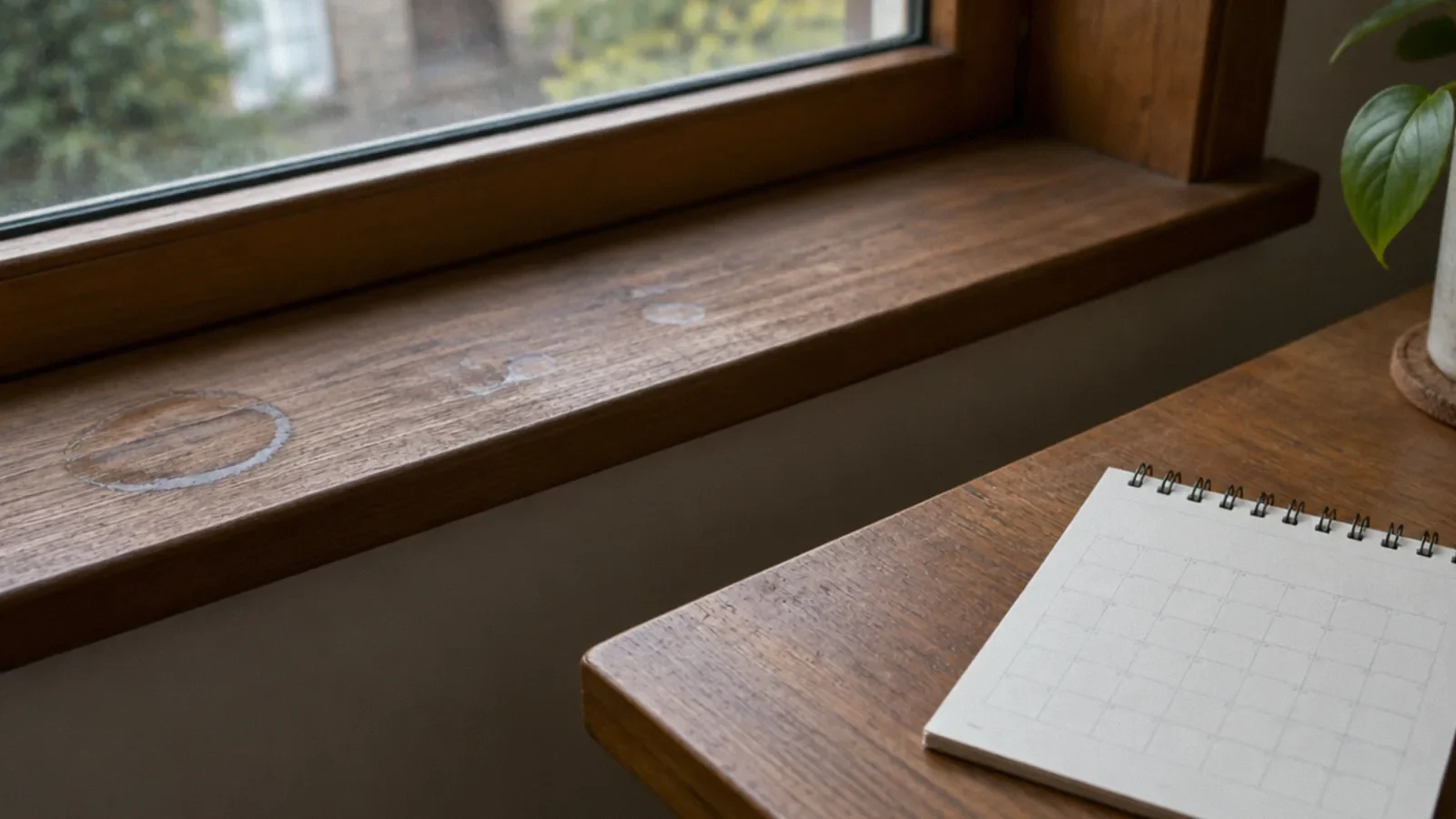
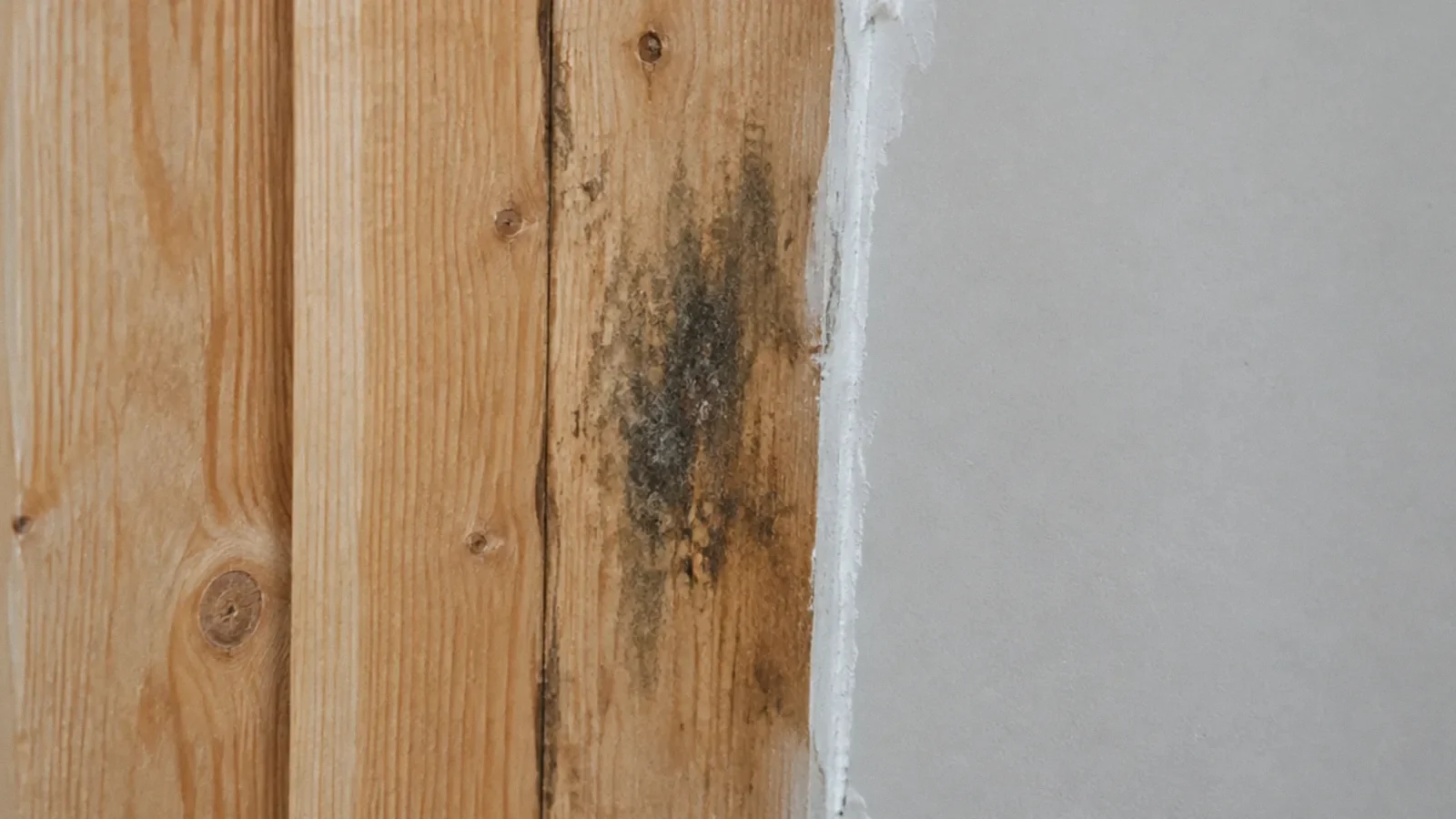
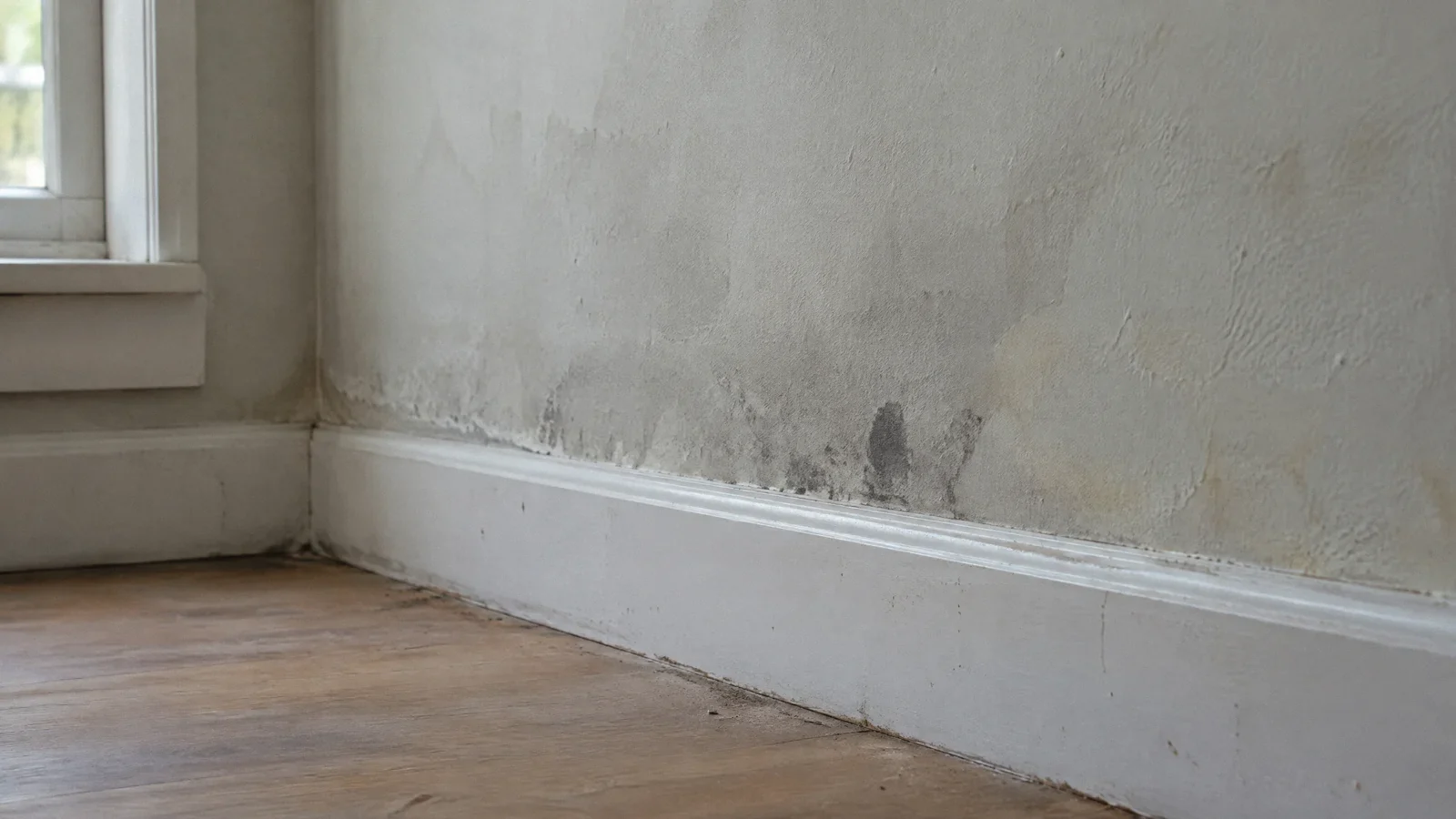
A dark patch along a baseboard, a dusty film on a wall or a speckled window frame may be ordinary dirt, soot, deposits or mold. Mold can appear in many colors and textures; some growth can look powdery. Black color does not identify a species or establish a particular level of toxicity. A photograph can document change but cannot prove what the material is.
Context provides clues. Ask whether the mark follows an air leak or a supply register where dust collects, or whether it occurs where a pipe leaked, condensation forms or rain entered. A persistent musty smell, repeated dampness, peeling finish and swollen material justify further investigation. None is a standalone identification test. A dry-looking surface today can have a history of water trapped behind it.
Avoid dry brushing, scraping or vacuuming an unknown patch with an ordinary household vacuum. Disturbance may spread particles, especially when a hidden area is opened. Keep people who are sensitive to dust or mold away from the area while arranging an assessment. If water is close to electrical equipment or the surface is structurally unstable, stay clear and seek qualified assistance.
When identification or testing is useful
If visible growth is present, EPA says sampling is usually unnecessary: the affected area and moisture source still need attention. When the nature of an ambiguous deposit would change a repair, a trained professional can determine whether targeted sampling is appropriate. Ask what question the sample is meant to answer, how and where it will be collected, and who will interpret the result.
A home test kit or a single air sample does not establish that an entire room is free of hidden growth. Airborne mold spores occur in indoor and outdoor environments, and results depend on location and timing. No federal mold-spore limit is available as a simple pass-or-fail standard. Sampling also does not find the leak or dry a wet wall. Spend effort on the moisture investigation as well as any justified test.
A moisture meter can help locate damp material and monitor drying, but it does not detect mold itself. Infrared images show temperature differences, not an organism. If suspected growth is behind wallpaper, drywall or flooring, an experienced professional can plan a limited investigation and precautions; pulling off a covering can release a large amount of material into the room.
Choose a response that fits the surface
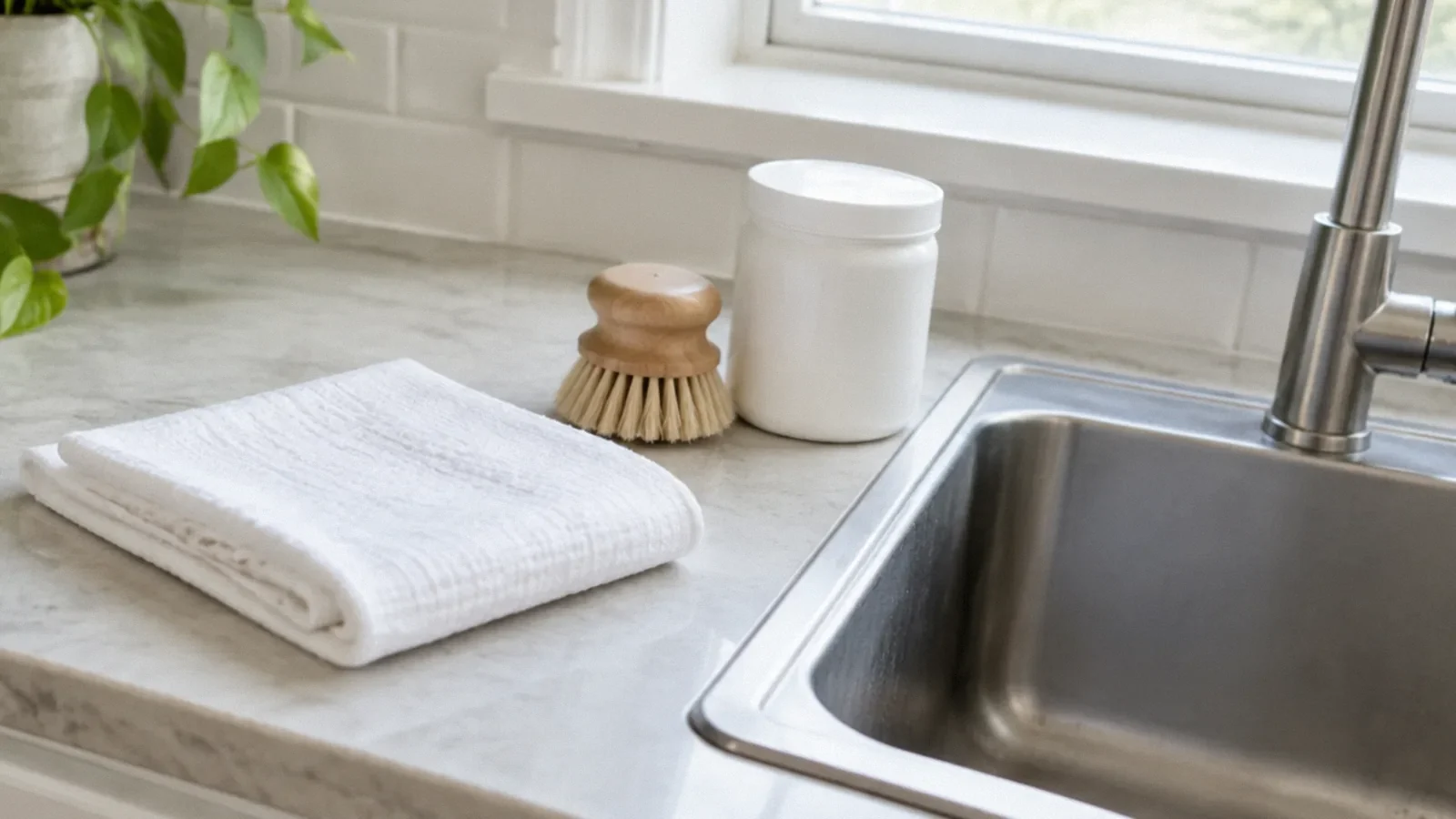
For a small, accessible patch of mold on a hard surface, EPA generally recommends cleaning with detergent and water and drying thoroughly. Wear gloves, eye protection and a suitable N95 respirator as described in its guidance. Porous materials with growth may need to be discarded because contamination can extend into the material. Drying alone or painting over visible growth does not remove it.
Ordinary dust on a clean, dry surface can be removed following the surface manufacturer's instructions. But if the source is uncertain, the patch is extensive, moisture is ongoing or material is deteriorating, seek help instead of aggressively scrubbing. Sewage or flood contamination requires a different assessment. Do not mix cleaners, and do not treat bleach as the default solution; EPA does not recommend routine biocide use for mold cleanup.
Repair the leak or correct the condensation cause before finishing the surface. After cleaning and drying, monitor for return of moisture, odor or discoloration. Recurrence means the underlying cause or affected material may not have been fully addressed. Record dates, photographs and repairs so an inspector can see the pattern rather than relying on one brief observation.
For example, a dry dark line above a heater could be accumulated particles, while a patch beside a recurrent plumbing leak calls for a moisture investigation. These patterns are clues, not conclusive tests. If a professional proposes sampling, ask for the method, number and location of samples, laboratory analysis and cost in writing. The decision should account for the surface and the reason identification matters. A result without context can be difficult to interpret and may not answer whether moisture has been corrected.
Your next-step checklist
- Record the location, moisture history and visible changes.
- Avoid disturbing an extensive or uncertain patch.
- Correct moisture and select cleaning based on the material.
Related questions
Does black dust mean black mold?
No. Black material can have many causes; its color cannot establish that it is mold or identify a species.
Can wiping a patch identify it?
No. A wipe may remove surface material but does not reliably distinguish growth from dirt or reveal hidden damage.
Sources & context
Public guidance supports the principles in this article. The practical questions and examples are editorial interpretation, not a site assessment or a coverage decision. State-specific rules apply only where identified.
- EPA mold courseprimary
- EPA sampling guidanceprimary
- EPA home mold guideprimary