Color cannot identify mold, chemicals do not replace physical removal, and the moisture source must be fixed. Testing and cleanup decisions depend on the situation.
Myth: only black mold matters
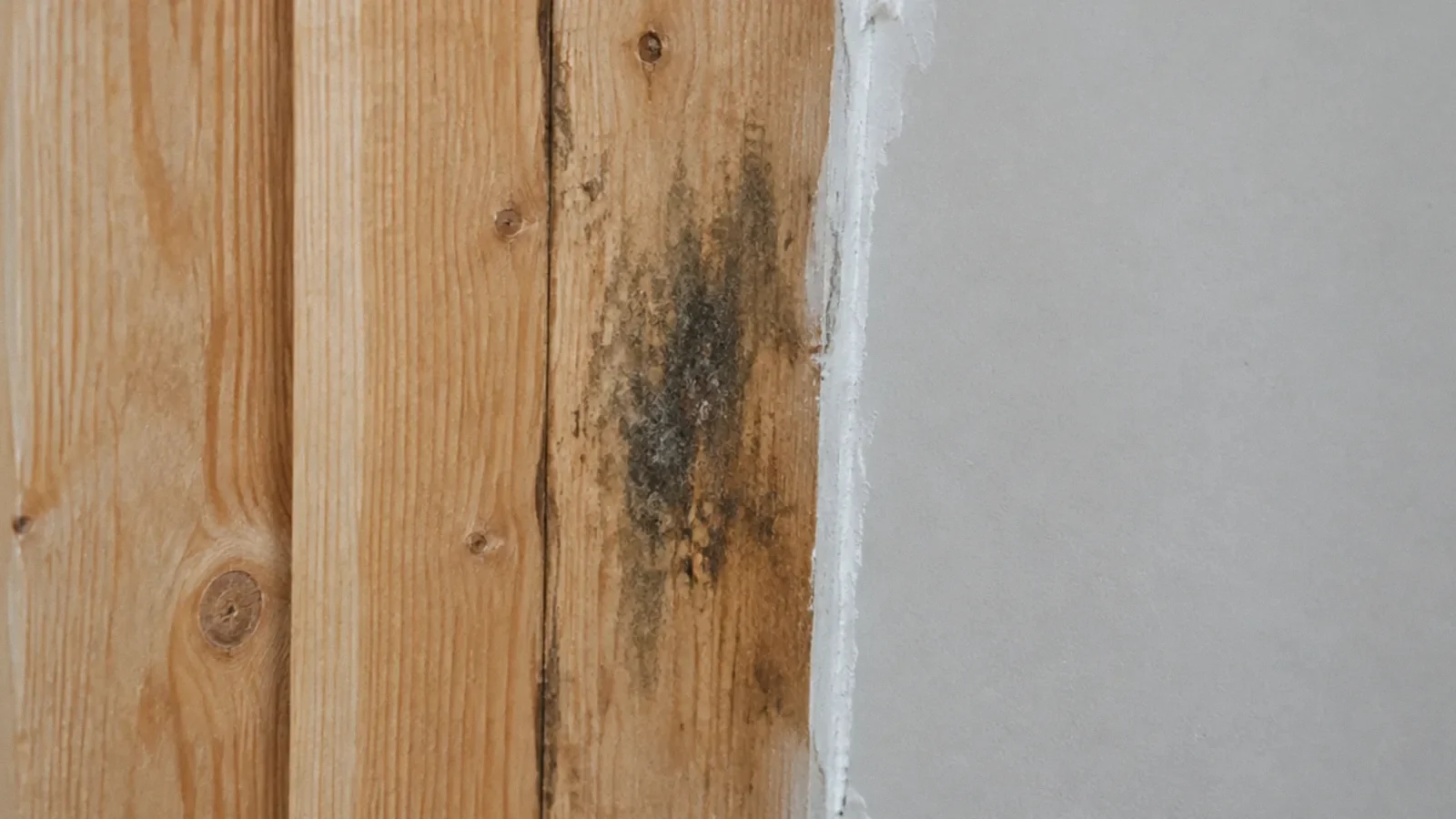
Mold occurs in many colors, and a dark patch does not establish its species or toxicity. A pale, green, brown or black growth can indicate a moisture problem that needs attention. Color can also come from dust, staining or other material. Treat a suspicious growth as a reason to investigate the moisture and clean affected materials, not as a way to diagnose a particular organism.
CDC says people do not need to identify the type before addressing visible mold. People react differently to damp and moldy environments, and a person with a health concern should speak with a clinician. Do not tell someone that a particular patch is harmless or dangerous solely because of its color.
Myth: a test is the first step whenever mold is visible
When growth is plainly visible, the practical priorities are to stop the moisture and remove the contamination safely. CDC does not recommend routine mold testing, and NIOSH notes that there are no health-based standards for airborne mold levels. A short air sample cannot establish that a building is safe for a particular person.
Testing may be useful for a specific question when designed and interpreted by a qualified professional, but ask beforehand what decision the result will change. For example, an assessment may help define a difficult hidden moisture problem; a single negative result does not replace inspection of a damp cavity. A report should explain its methods and limitations rather than promise a medical diagnosis.
Myth: killing mold is enough
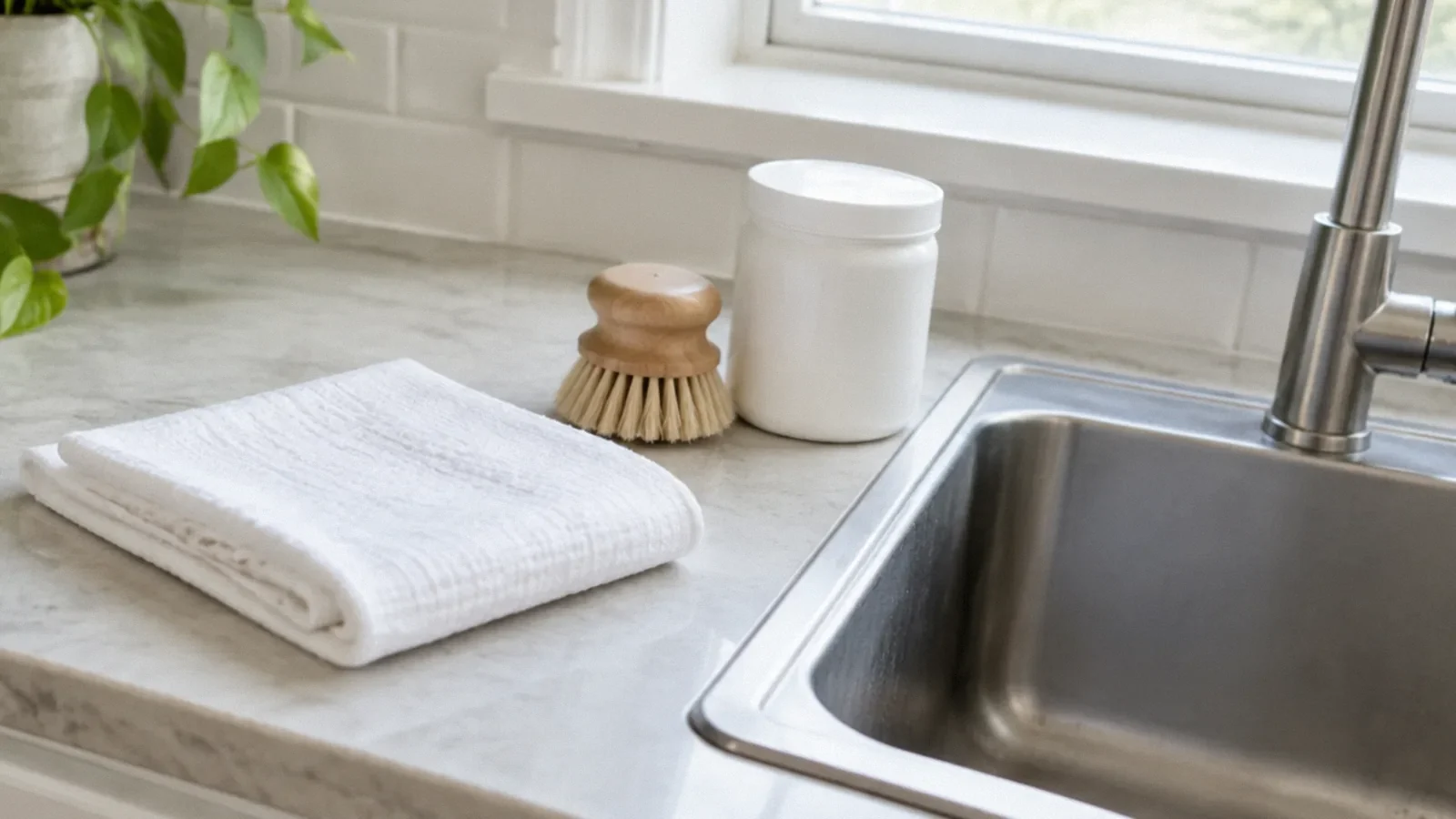
Dead mold can still be allergenic, and a surface treated with a chemical may still contain the physical growth. EPA recommends removing mold from hard surfaces with detergent and water and drying them completely. Absorbent materials may need replacement because contamination can extend into pores. Painting or sealing over mold and dampness conceals the problem rather than resolving it.
Bleach is not a universal solution for every material. Follow product labels, ventilate and never mix bleach with ammonia or another cleaner. A valuable paper document, upholstered cushion and tiled wall need different decisions. Test compatibility with the material and contact a conservator or restoration professional where cleaning could destroy an item or leave inaccessible contamination.
Myth: once the visible patch is gone, the job is finished
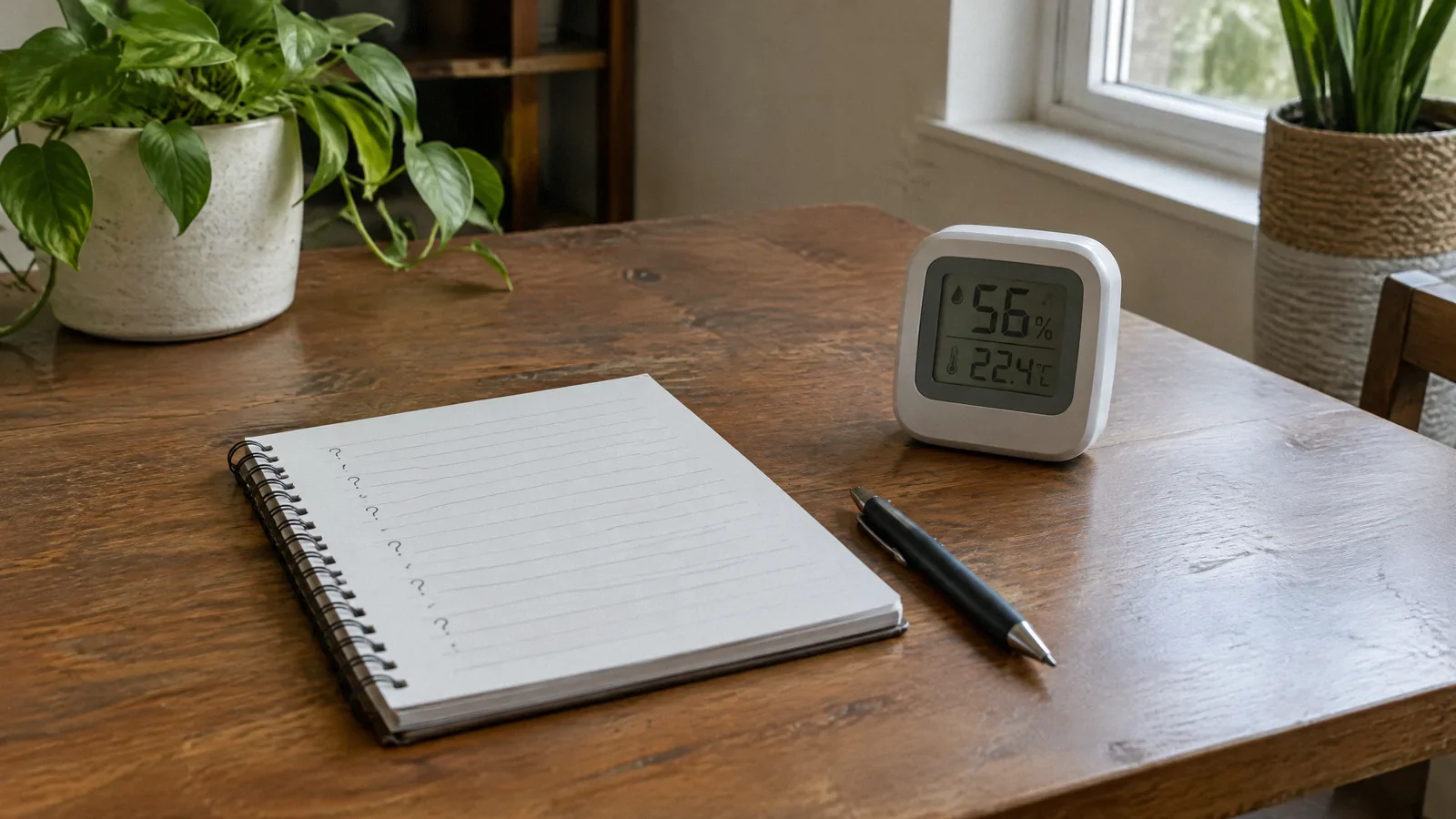
If a roof leak, plumbing fault, condensation or high humidity remains, growth can return. Fix the source, dry wet materials, and inspect adjacent areas when there is reason to suspect hidden moisture. EPA recommends keeping indoor relative humidity below 60%, ideally 30% to 50% where practical. The reading is one useful clue, not a guarantee that every wall cavity is dry.
Completion means the water problem has been addressed and the cleaned or replaced materials are dry, with no visible mold or moldy odor returning. For professional work, ask for a written scope identifying the source, affected materials, containment, disposal and how completion will be checked. The scope should change if opening the work area reveals more damage.
Myth: any small patch is always safe to clean yourself
EPA says occupants can often handle areas smaller than about 10 square feet, but that is a guideline rather than a universal safety clearance. Sewage, extensive water damage, hidden cavities, structural concerns or sensitive occupants can make a seemingly small patch unsuitable for a do-it-yourself job. People with allergies, asthma, chronic lung disease or weakened immune systems should not take part in mold cleanup.
For suitable small jobs, CDC recommends at least a NIOSH-approved N95 respirator, gloves and goggles without open vent holes. Use appropriate ventilation and avoid spreading debris. If the growth covers a larger area, recurs, involves the heating and cooling system, or followed contaminated water, seek qualified help. Do not enter unsafe spaces or disturb suspect electrical or structural hazards.
Myth: mold can grow only after a flood
A slow leak, cold surface or poorly ventilated bathroom can supply enough moisture for growth without a dramatic flood. Condensation often appears where warm moist air meets a cool surface, such as a window or exterior wall. An occasional wet surface is not proof of concealed growth, but repeated wetting deserves investigation.
Dry spills promptly, operate bathroom and kitchen exhaust fans that vent outside, repair leaks and avoid storing damp belongings in closed containers. Outdoor humidity and local climate affect how ventilation works, so opening a window is not always the best humidity-control strategy. Use measurements and the circumstances of the room to choose a practical approach.
Myth: a mold smell can simply be covered up
A fragrance or air freshener changes the odor but does not repair water damage or remove growth. A persistent musty smell can justify looking for a damp source even when no patch is visible. Inspect accessible areas first, such as below a sink, near a window or behind a movable furnishing. Avoid destructive investigation near wiring or suspect materials.
If the cause remains concealed, a building or remediation professional can plan an inspection. Record when the smell occurs and any leak history. That information helps distinguish a localized moisture issue from a recurring room-wide problem and makes the next investigation more useful.
Your next-step checklist
- Investigate moisture rather than relying on color.
- Remove contamination and dry affected materials.
- Choose professional help when the scope or hazards warrant it.
Related questions
Can you identify toxic mold by color?
No. Appearance alone cannot establish species or individual health risk.
Does killing mold solve the problem?
No. Physical removal and correction of the moisture source remain necessary.
Sources & context
Public guidance supports the principles in this article. The practical questions and examples are editorial interpretation, not a site assessment or a coverage decision. State-specific rules apply only where identified.