Visible growth, a persistent musty odor, and moisture damage can indicate a mold problem. None alone identifies a species or proves a health diagnosis. Find and fix the moisture source and assess the affected materials.
Start with moisture and changes in materials
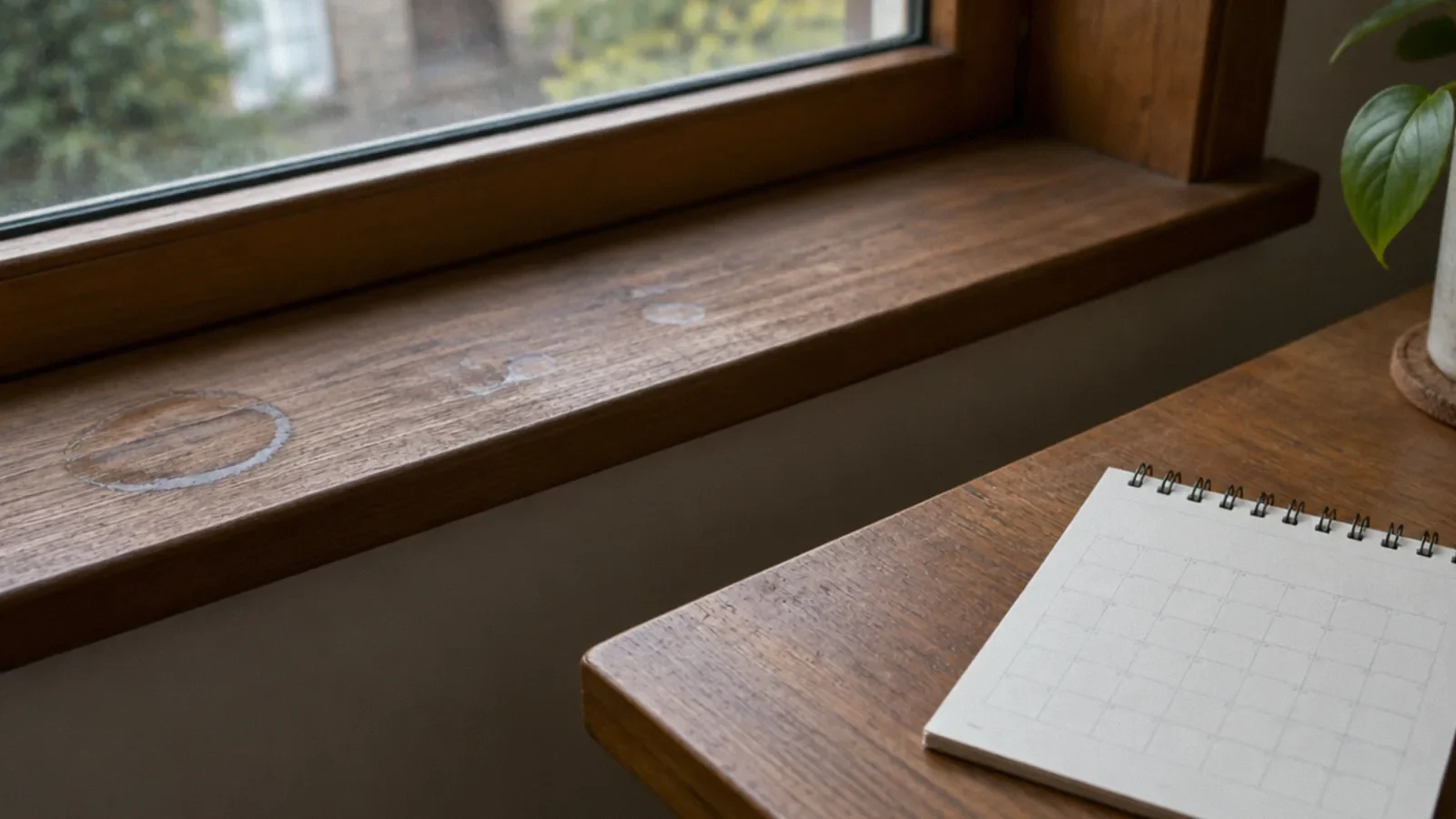
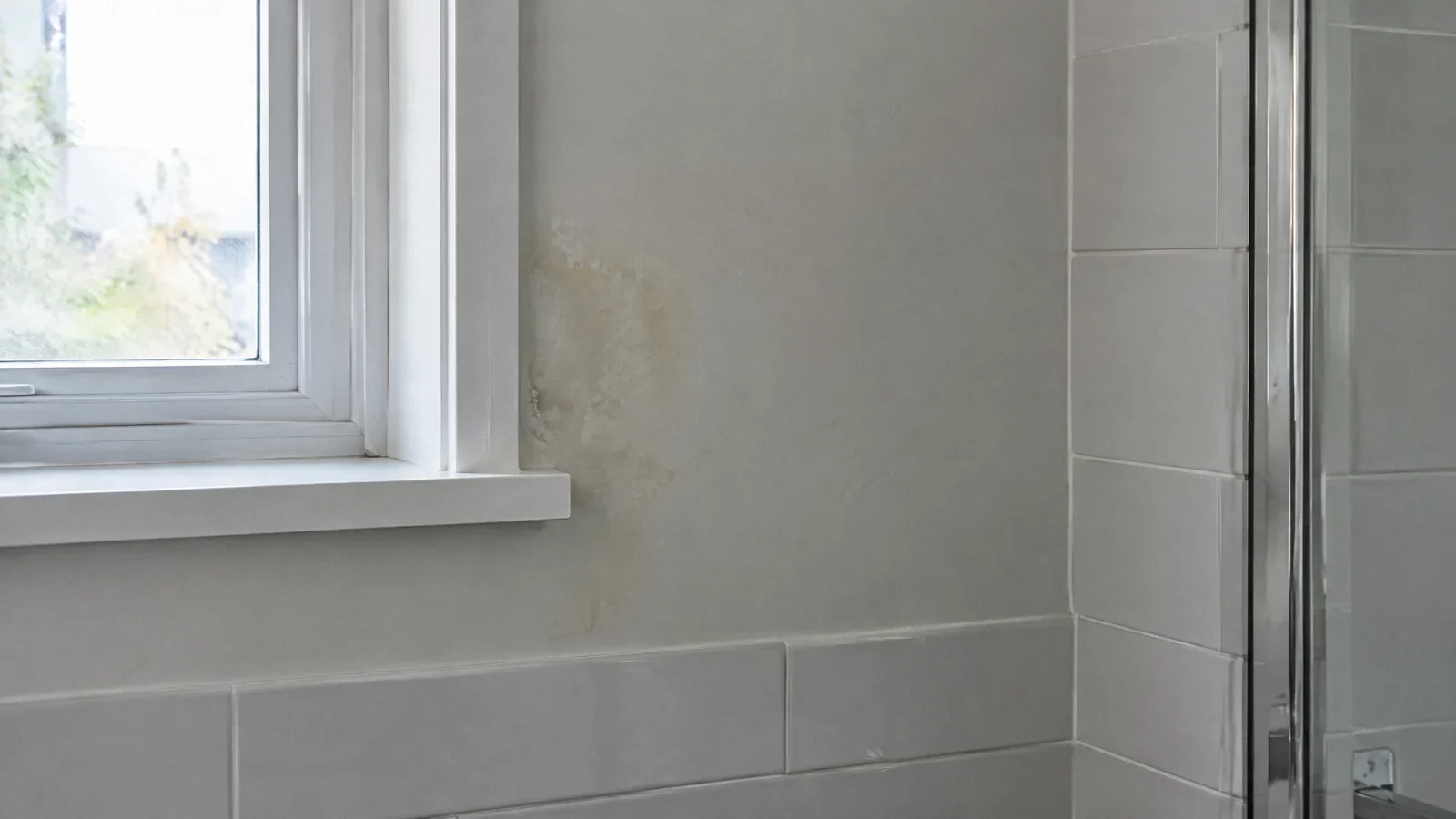
Mold needs moisture to grow. Look for new staining, discoloration, peeling paint, bubbling wallpaper, swollen trim, warped flooring and recurring condensation. These signs may result from a plumbing leak, rain intrusion or humidity; they do not by themselves prove mold is present. A small patch can also be hidden behind a finish while the visible stain reflects water traveling from elsewhere.
Compare the area after a rainstorm, shower or appliance use, without touching wet electrical devices or opening unsafe building cavities. Photograph the location and date, and note when the mark appeared and whether it changes. That information can help a plumber, building professional or landlord trace the source.
What visible mold may look like
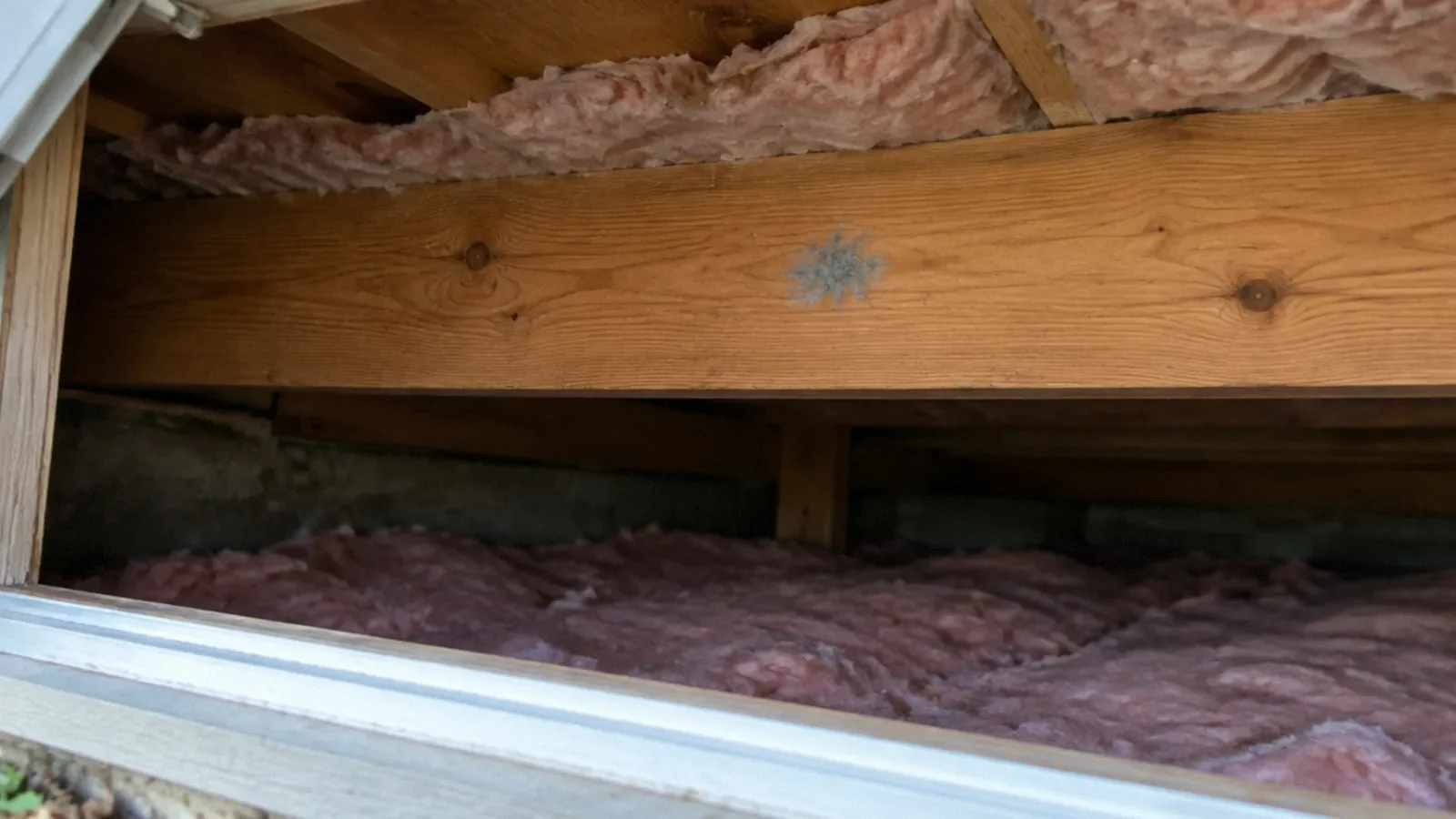
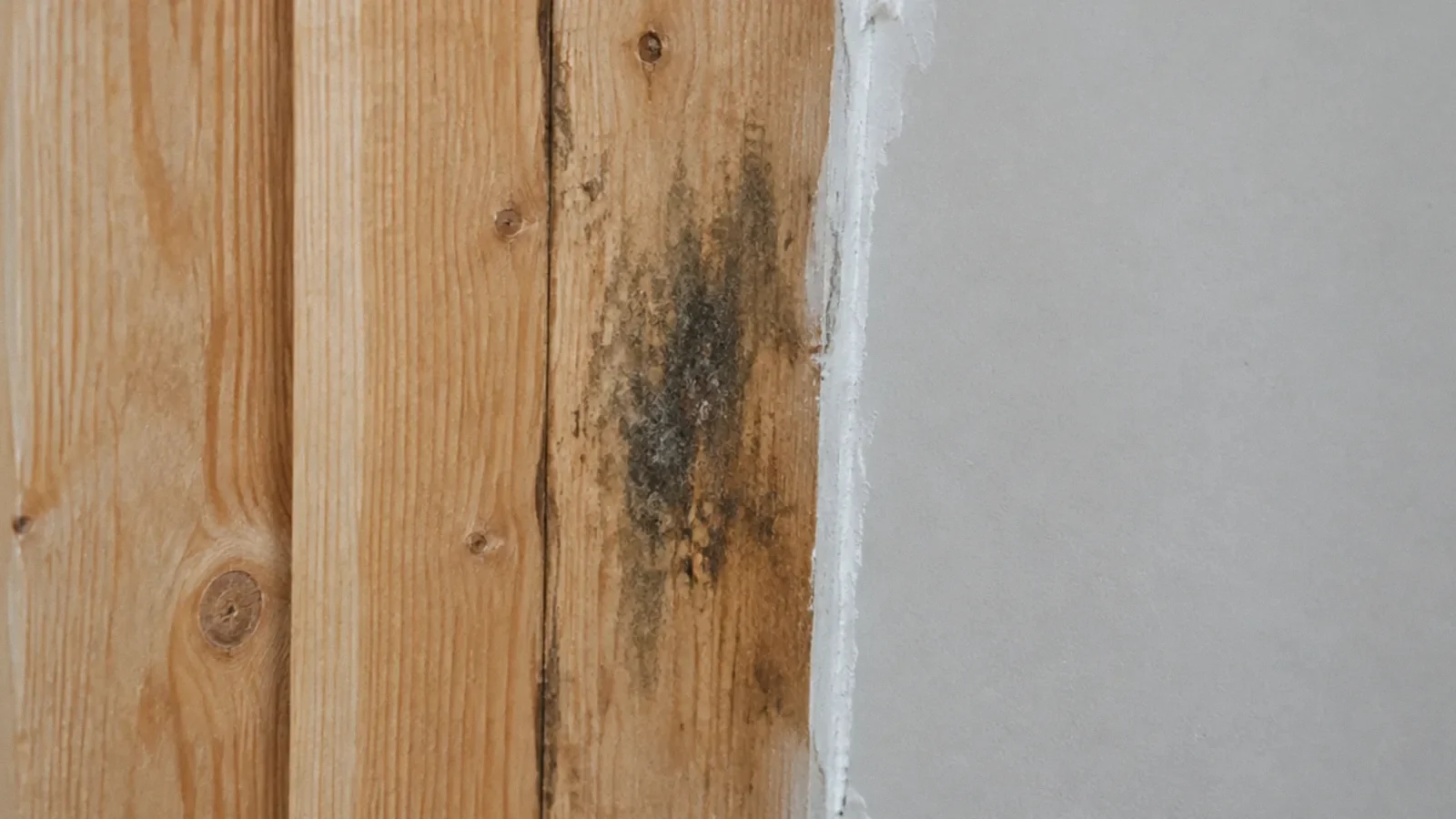
Visible growth can appear as spots or patches with different colors and textures. Its appearance depends on the material and conditions, and a photograph or color cannot reliably identify the species, determine toxicity or distinguish every stain from mold. White deposits on masonry, for example, may be mineral salts left by moisture. Mold and mineral deposits can also occur in the same damp building.
Do not scrape or disturb a suspicious area to satisfy curiosity. Disturbing material may release particles and expose a larger hidden problem. Instead, note its extent and moisture history. A small spot on a bathroom surface may be accessible for cleanup once the leak or condensation is addressed; a spreading area behind wallpaper or inside a wall calls for more investigation.
Follow a persistent musty odor
A musty smell can be a useful clue, particularly when it is strongest near a cabinet, window, closet, basement or heating system. It is not a species test and an odor may have another source. Conversely, the absence of a smell does not prove that a concealed area is dry or mold-free.
Check safely accessible places for water or condensation: under sinks, around appliance connections, at window frames and near roof or foundation leaks. Do not enter a confined crawl space or disturb damaged building materials to follow an odor. If the smell persists without an accessible source, request a moisture investigation and ask what areas could not be inspected.
What symptoms can and cannot tell you
Damp or moldy conditions may aggravate allergies or asthma in some people. A stuffy nose, cough, itchy eyes or other symptom has many possible causes, so a symptom list cannot diagnose exposure, identify a mold type or establish that a home contains so-called toxic mold. A healthcare professional can assess symptoms and relevant medical history.
Keep people who are sensitive to mold away from disturbed or heavily affected areas while you arrange an assessment. If anyone is ill or symptoms are concerning, seek medical advice rather than waiting for a home test. Describe when symptoms occur and share information about known water damage without assuming a cause.
Decide whether to clean or get an assessment
Fix the water source first. EPA says that small areas, generally less than about 10 square feet, can often be handled by the homeowner using its mold cleanup guidance. That is not a guarantee that every small area is safe to clean: sewage, extensive water damage, vulnerable occupants, hidden growth or a heating system can change the decision. Use the protective measures in EPA guidance and avoid mixing cleaning chemicals.
Mold on a hard surface can generally be scrubbed with detergent and water and dried completely. Porous materials such as moldy ceiling tiles and carpet may need disposal because growth can penetrate them. Ask a qualified professional to evaluate extensive or recurring damage, contamination from dirty water, or growth within heating and cooling equipment.
Testing has limits
EPA notes that sampling is usually unnecessary if visible mold is present: the priority is cleanup and moisture correction. Sampling may be useful in specific circumstances, but a result is only a snapshot and needs an appropriate sampling plan and interpretation. There are no federal airborne mold standards that turn a number into a universal safe threshold.
Before paying for a test, ask what decision its result will change, who will take the samples, what limitations apply and whether the inspector is independent of the proposed repair. A negative sample does not rule out a hidden leak. If the material is opened later, the scope of repair may change as concealed conditions become visible.
Prevent a repeat
Dry damp materials promptly, ideally within 24–48 hours when possible, and repair leaks. Run exhaust fans that vent outdoors and manage condensation on cold surfaces. EPA recommends keeping indoor relative humidity below 60%, ideally 30%–50%; measure it in the affected room rather than guessing.
After repairs, check the same area through normal rain and use cycles. The finish should remain dry and the stain or odor should not return. Recurrence is a reason to reassess the source and any concealed materials, not simply to repaint the surface.
Your next-step checklist
- Record the location, date and changes in staining or odor.
- Check accessible areas for leaks or condensation without disturbing suspect material.
- Fix the moisture source and dry affected materials.
- Request professional help for extensive, hidden or contaminated damage.
- Consult a clinician about symptoms rather than diagnosing them from appearance.
Related questions
Is mold always visible?
No. It can grow behind finishes or in other concealed damp areas. A musty smell or water damage warrants a moisture investigation, but does not prove hidden mold.
Can black or green color identify toxic mold?
No. Color cannot identify a species or establish toxicity. Treat visible indoor growth as a moisture and cleanup problem regardless of color.
Should I paint over the stain?
Find and repair the cause and address any growth first. Painting over a wet or contaminated surface can conceal an ongoing problem.
Sources & context
Public guidance supports the principles in this article. The practical questions and examples are editorial interpretation, not a site assessment or a coverage decision. State-specific rules apply only where identified.
- EPA: How Can I Tell if I Have a Mold Problem?federal guidance
- EPA: A Brief Guide to Mold, Moisture and Your Homefederal guidance
- EPA: Is Mold Sampling Necessary?federal guidance