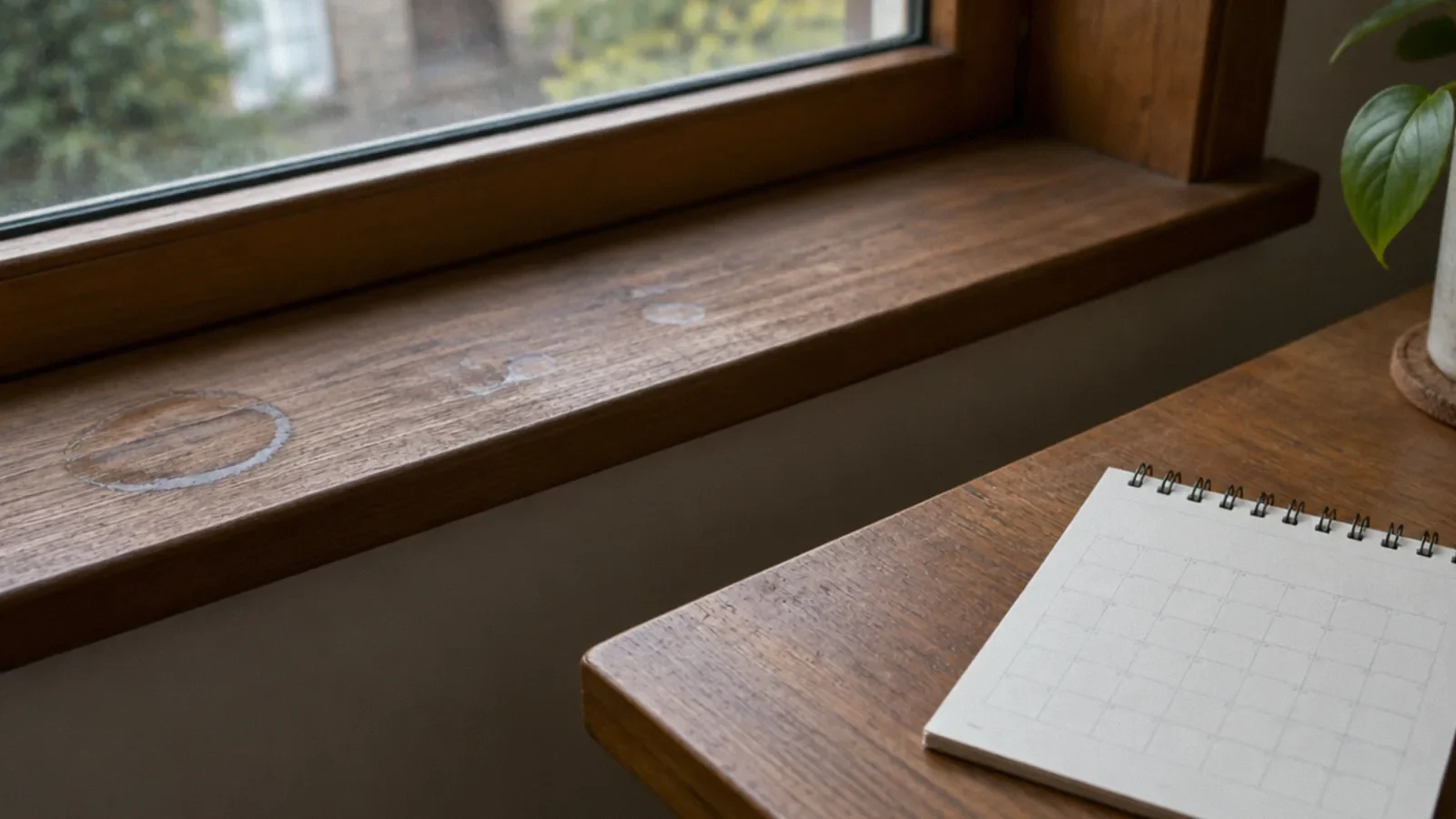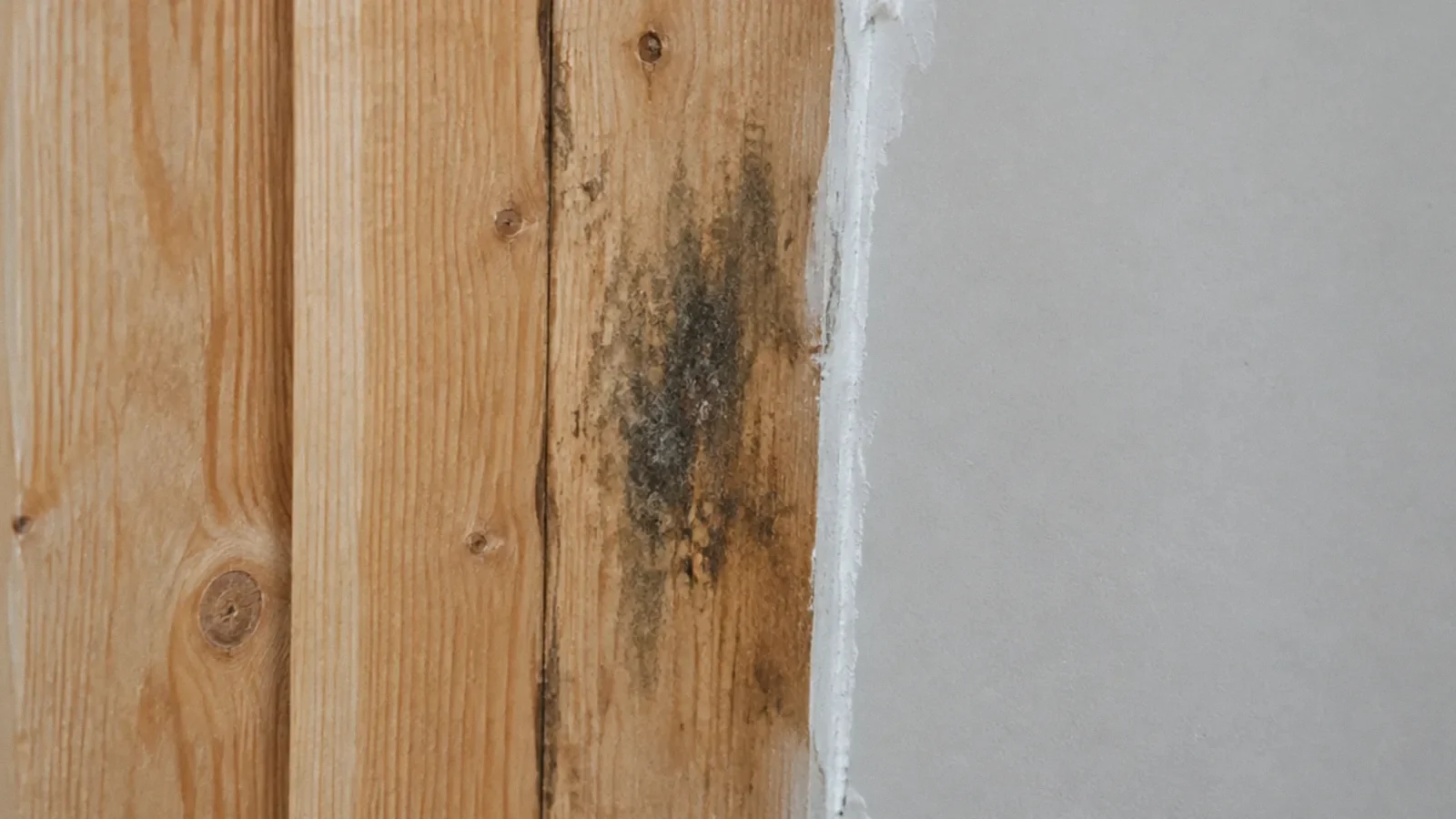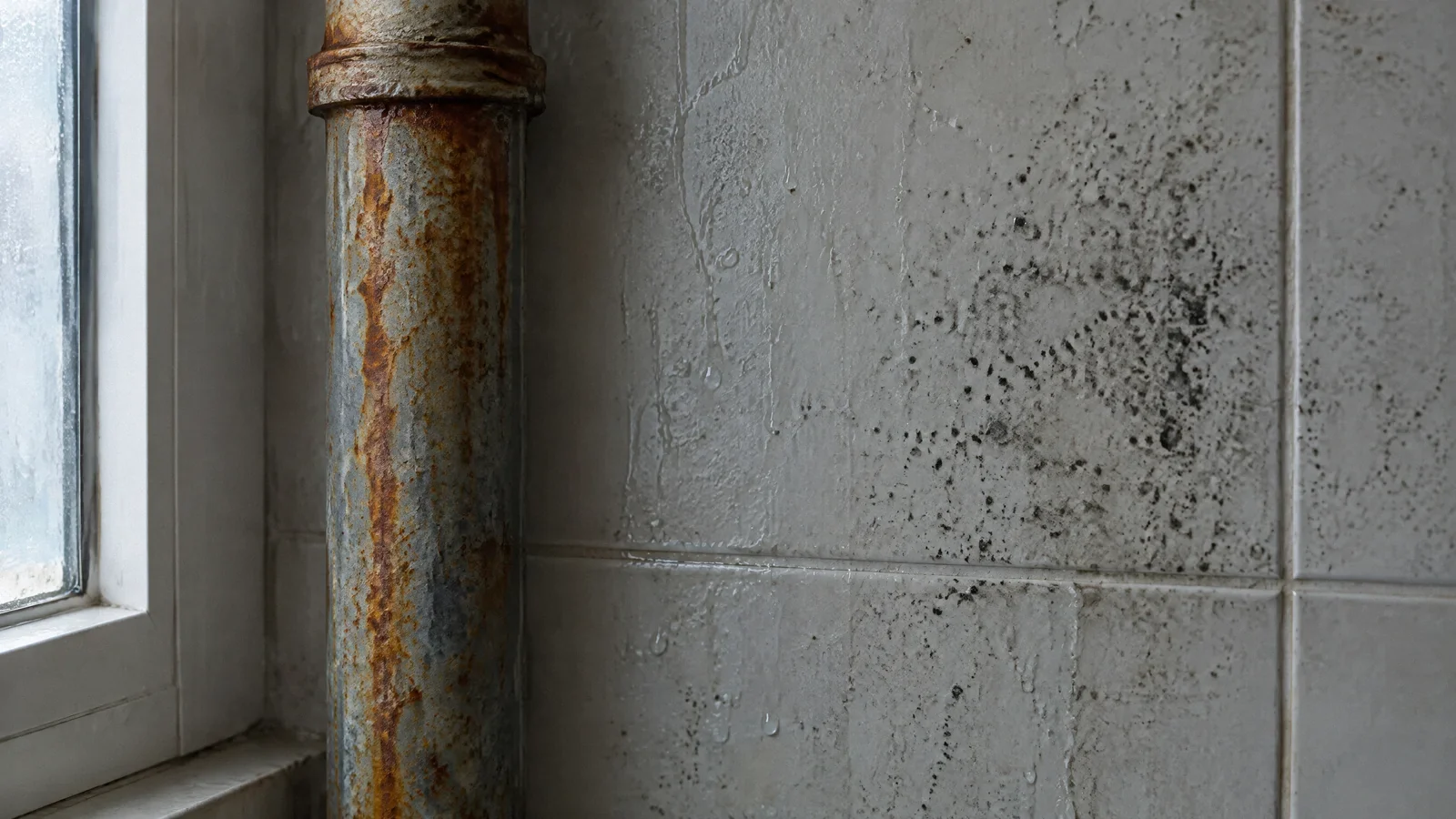
Rust is corrosion associated with iron or steel; mold is biological growth associated with moisture and suitable material. Appearance alone is not a reliable identification, so investigate the material and moisture source.
Understand what the stain is on
Rust forms when iron or steel corrodes in the presence of moisture and oxygen. Mold can grow on many damp materials when conditions support it. Orange or brown staining near a metal fastener may come from corrosion, while discoloration on a damp wall may have another cause. Both can be present in the same wet area, and neither color nor a picture establishes an identification.
Start by identifying the surface without disturbing it. A metal pipe, nail or appliance component gives a corrosion investigator a concrete place to look; a damp porous wall or wood may require assessment for moisture and growth. Rust-colored water can also leave a stain on an adjacent surface. That stain is not necessarily active corrosion at that location. Note whether the mark is directly associated with a metal part, whether the area is wet, and whether it returns after repair.
Do not smell a patch closely, scrape it or treat a home color test as definitive. Some deposits and growths can look similar. If the affected material is in a concealed cavity, an experienced professional can plan an inspection that limits disturbance. Stay away from wet electrical equipment and avoid damaged or unstable surfaces.
Investigate water and decide on testing
Water is the common problem to investigate. A leaking pipe, condensation, roof entry or plumbing fixture can wet both a metal component and surrounding building material. Photograph the area and record when it becomes wet. A plumber or building professional can trace the source and repair it; wiping the mark without stopping moisture will not solve the cause.
A moisture meter can help locate dampness and track drying but cannot distinguish mold from rust. Thermal imaging shows temperature differences and also does not identify an organism. When there is visible mold growth, EPA says sampling is generally unnecessary. A professional may recommend a targeted sample if identifying an ambiguous substance will change the work; ask what decision the result will inform and how it will be interpreted.
A single negative air test cannot certify that an inaccessible cavity is clean. If an investigator must open a wall, ask about containment, possible concealed utilities and older hazardous materials before work begins. If the affected pipe is corroded, have a plumber assess its condition and the need for repair. Surface appearance alone does not establish remaining wall thickness or predict a failure date.
Respond according to the material
EPA guidance for a small moldy area on a hard surface generally calls for detergent and water followed by thorough drying. Gloves, eye protection and an appropriate respirator are part of the precautions in that guidance. Moldy porous material can be difficult to clean fully and may require removal. Larger, concealed or sewage-contaminated areas call for qualified assessment. People with respiratory conditions or weakened immune systems should avoid exposure and seek individual medical advice.
Rust on a metal fixture requires a material-specific approach. A manufacturer may specify a suitable cleaner or recommend replacement; abrasive or acidic products can damage finishes and should not be used indiscriminately on plumbing. Never combine cleaning products. If corrosion affects the pipe itself, a cosmetic stain remover does not repair the metal or address a leak.
Dry the affected assembly and recheck it after normal use. If the stain, odor or dampness returns, ask whether moisture remains behind the surface or whether another source was missed. Keep the photographs, repair details and any inspection findings for the next contractor. Repainting before the substrate is clean and dry may conceal the evidence without correcting the problem.
A brown streak below a metal fastener and spotting across a damp wall can coexist. If staining continues after a fixture is repaired, ask whether water is moving from another location or remains trapped in the wall. USGS notes that iron in water can produce reddish or yellow discoloration and stain fixtures; this is another possible source of a mark. Investigate the water and metal component separately from any suspected biological growth. Avoid treating an entire wall based solely on a visual comparison with an online photograph.
Your next-step checklist
- Identify the material and note its moisture history.
- Have corroded plumbing or hidden damage assessed.
- Correct the water source and recheck the affected area.
Related questions
Can orange or brown material be mold?
Mold can have many appearances. Color alone cannot establish whether a mark is mold, rust or another deposit.
Can rust and mold occur together?
Yes. Moisture can contribute to both corrosion on metal and growth on suitable adjacent materials.
Sources & context
Public guidance supports the principles in this article. The practical questions and examples are editorial interpretation, not a site assessment or a coverage decision. State-specific rules apply only where identified.
- EPA mold and moisture guideprimary
- EPA sampling guidanceprimary
- USGS reddish drinking watergovernment
- National Park Service iron corrosiongovernment