Many ordinary indoor temperatures can support mold growth when enough moisture is available. There is no single safe thermostat setting that prevents every mold. Temperature preferences vary by organism, while controlling moisture and removing existing growth are the practical priorities.
There is no universal safe temperature
Molds vary in their temperature preferences, and an exact minimum, maximum or optimum for one species does not describe all molds. CDC notes that common indoor temperatures can support mold growth even when they are not optimal. In a home, choosing a temperature comfortable for occupants does not guarantee that a damp material will stay mold-free.
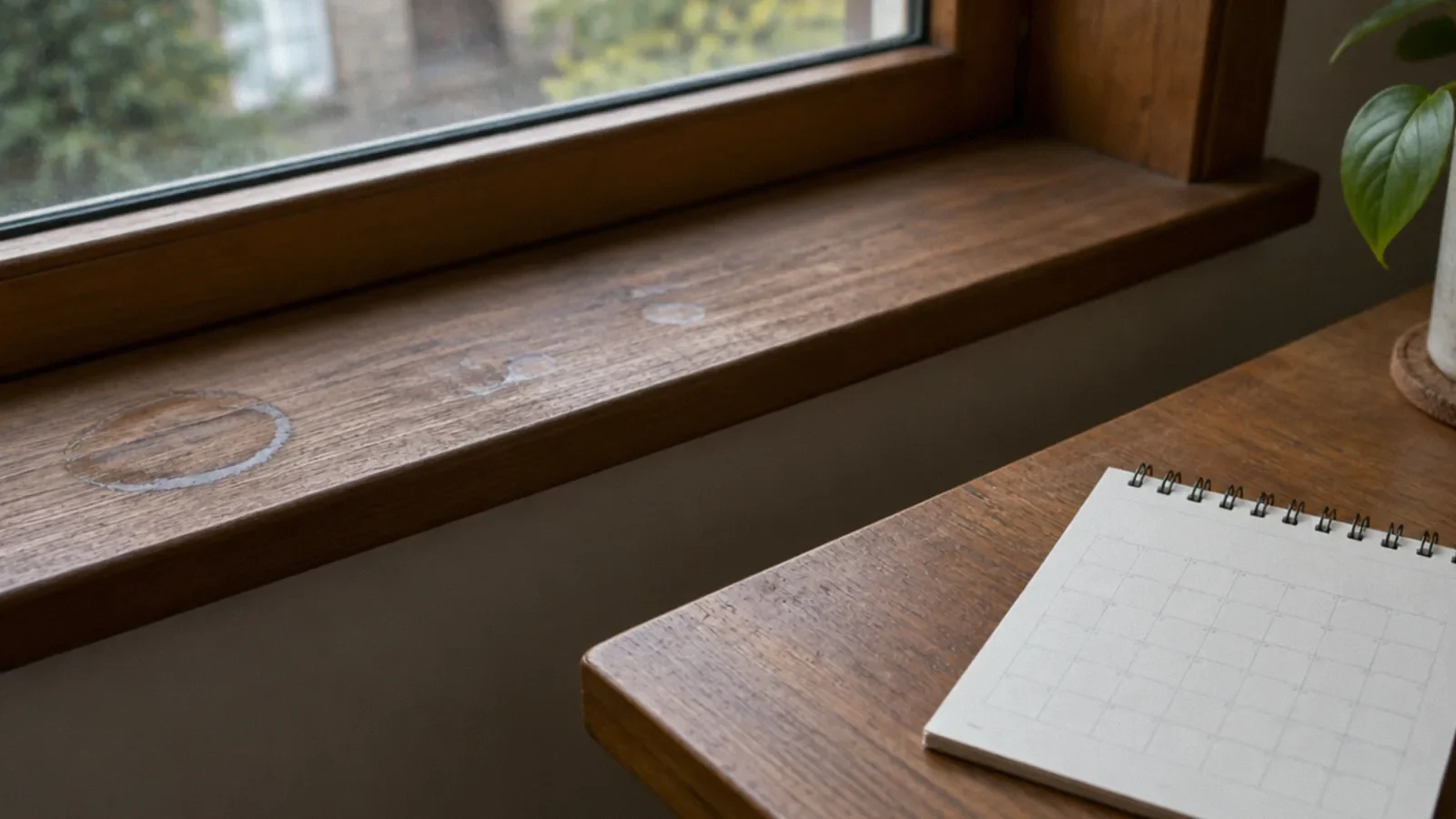
The temperature measured in the middle of a room also differs from the temperature at an exterior wall, cold pipe, window frame or inside a concealed cavity. Conditions at the material surface matter. A cool surface can collect moisture from room air even if the thermostat reports a comfortable temperature.
Moisture is the practical control
Mold needs moisture and a suitable material to grow. Dust, paper facing on drywall, wood, furnishings and other common materials can provide nutrients. A leak, wet carpet, condensation or persistent high humidity can therefore create a problem at ordinary room temperatures. EPA emphasizes promptly correcting the water problem and cleaning up mold rather than relying on temperature alone.
Dry a water-damaged area as soon as it is safe. EPA recommends drying affected areas and items within 24 to 48 hours to help prevent mold growth, but the interval is not a guarantee that every material is dry or that mold cannot grow later. Thick assemblies, insulation and enclosed cavities may need professional assessment and drying.
Cold rooms, freezing, and warming
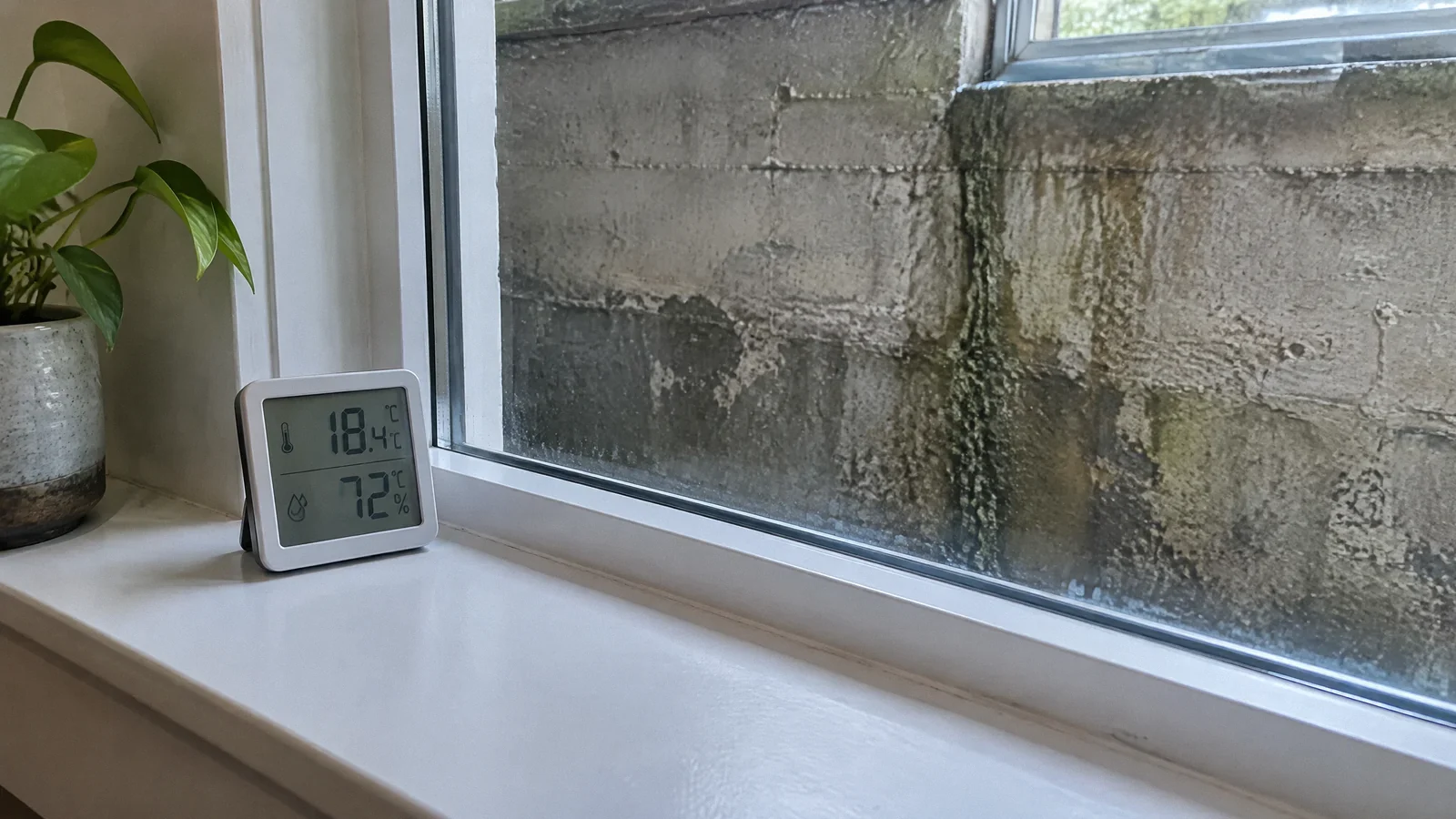
A cool basement or unheated room is not automatically protected. Different molds tolerate different conditions, and a cold surface may promote condensation when humid air contacts it. Look for moisture on foundation walls, windows and pipes, and consider whether the water could instead be entering from outside or from plumbing.
Freezing should not be treated as a reliable way to clean contaminated materials. Even if growth stops under particular cold conditions, mold material can remain, and a later return of moisture may create conditions for growth. Dead mold can still cause allergic reactions. The relevant repair is to correct moisture and remove contamination appropriately.
Heating and cooling are not remediation
Raising the thermostat may make a surface warmer and reduce condensation in some circumstances, but heating alone does not repair a leak, remove contamination or ensure hidden materials are dry. Conversely, cooling can remove moisture when an air conditioner operates as designed, but a cold surface in humid air may also collect condensation. Equipment sizing, operation and outdoor conditions affect the outcome.
Do not use extreme heat as an improvised mold-killing treatment. A building contains materials and concealed spaces that heat unevenly, and a claim that a certain room temperature kills all mold is not a substitute for a verified remediation plan. If water has affected electrical equipment or an HVAC system, have qualified personnel assess it before operation.
Measure humidity as well as temperature
A combined thermometer and hygrometer can help track conditions over time, but one reading is a snapshot at one location. EPA recommends keeping indoor relative humidity below 60%, ideally between 30% and 50% if possible. Humidity varies with temperature and activity, and a reading within that range does not rule out a localized plumbing leak or a wet cavity.
Watch for condensation, musty odors, staining and repeated dampness. Record when they occur and whether they follow rain, showering, appliance use or a change in ventilation. Measurements are most useful when they lead to a specific investigation: for example, identifying an overflowing gutter or an exhaust fan that does not vent outdoors.
What to do when growth is already visible
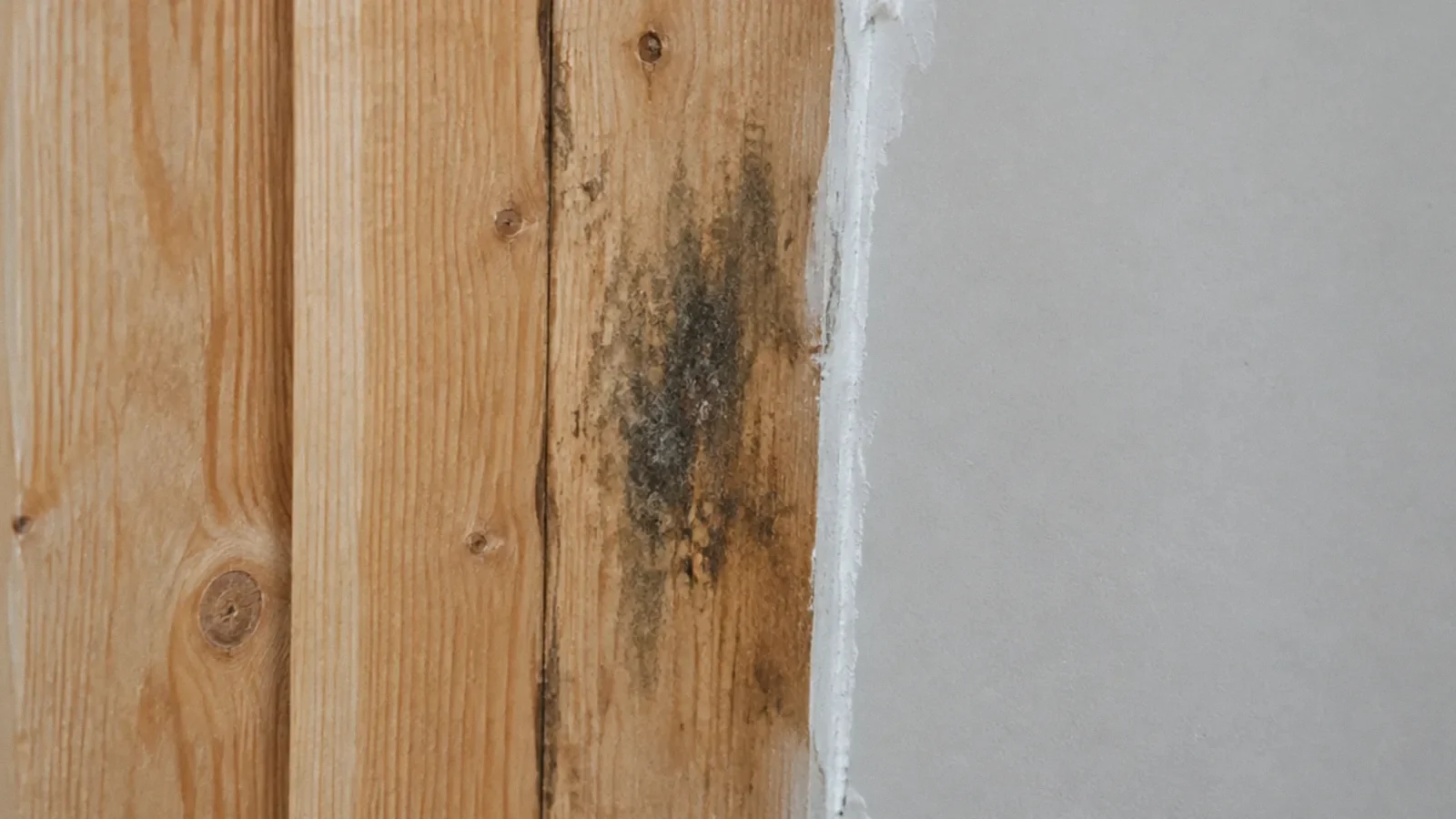
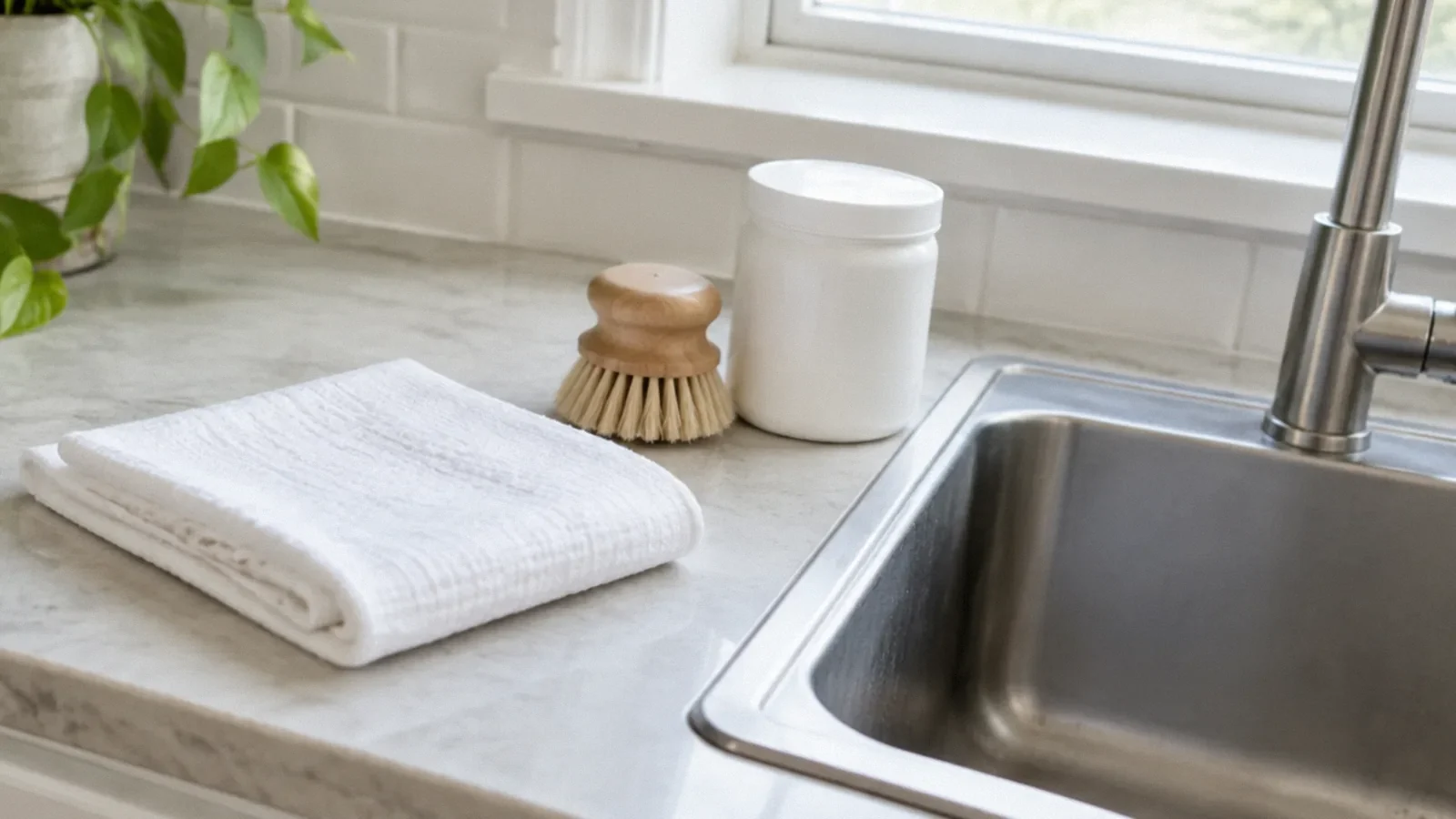
Do not try to identify a mold species or its health risk by color. Fix the water source and select a cleanup approach based on the material, size and contamination. EPA guidance describes scrubbing mold from hard surfaces with detergent and water and drying completely; absorbent materials may need to be discarded when they cannot be cleaned adequately.
Consider professional assistance for extensive or hidden growth, sewage contamination, HVAC involvement or uncertainty about safe access. EPA uses approximately 10 square feet as a general point at which professional guidance may be appropriate, but even a smaller concealed problem can warrant help. People with weakened immune systems should avoid moldy buildings until remediation is complete, according to CDC.
Prevent the next wet period
Maintain roofs, gutters and plumbing; direct rainwater away from the foundation where feasible; and use appropriately vented exhaust in moisture-producing rooms. If a wall repeatedly becomes wet, investigate the source before covering it with paint or finishes. A dehumidifier may help control indoor humidity but cannot correct an active leak by itself.
After repairs, monitor the conditions that originally caused the problem. A dry surface during one visit does not prove that a concealed assembly is dry, and an acceptable thermostat reading does not rule out a colder, damp surface elsewhere. Ask for documented drying and a clear plan for checking recurring moisture.
Your next-step checklist
- Repair the moisture source.
- Dry wet materials promptly and check concealed areas when needed.
- Track humidity and look for condensation.
- Remove existing mold safely rather than relying on heat or cold.
- Recheck the area during the conditions that caused dampness.
Related questions
Does mold grow at normal room temperature?
Many molds can grow at ordinary indoor temperatures if sufficient moisture and nutrients are present. Temperature preferences differ by organism.
Does freezing kill all mold?
Do not rely on freezing as a cleanup method. Growth may stop under particular conditions, but mold material can remain and may still cause reactions.
Will turning up the heat remove mold?
No. Heating may affect condensation in some situations, but existing mold must be removed and the water source corrected.
Sources & context
Public guidance supports the principles in this article. The practical questions and examples are editorial interpretation, not a site assessment or a coverage decision. State-specific rules apply only where identified.