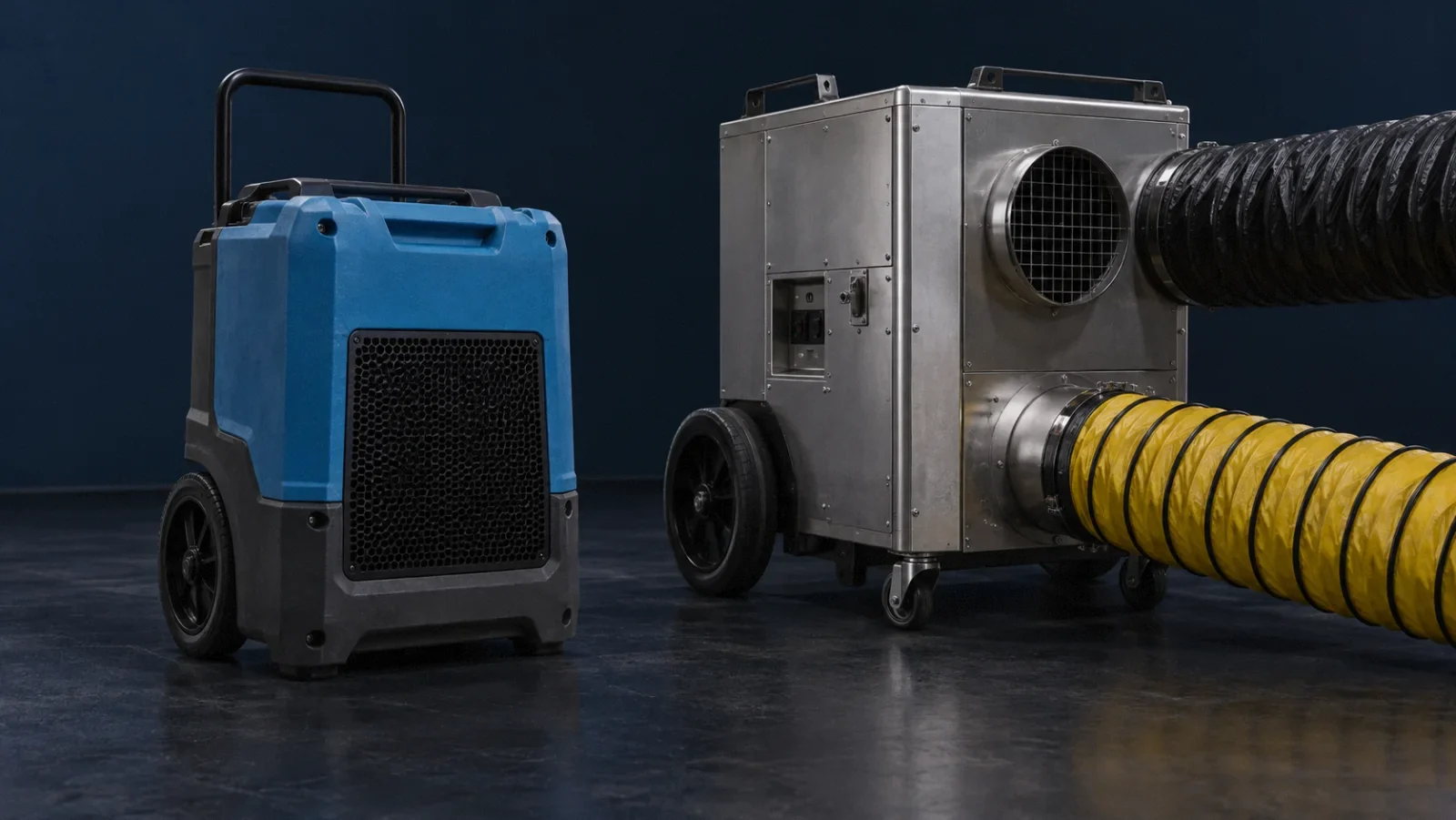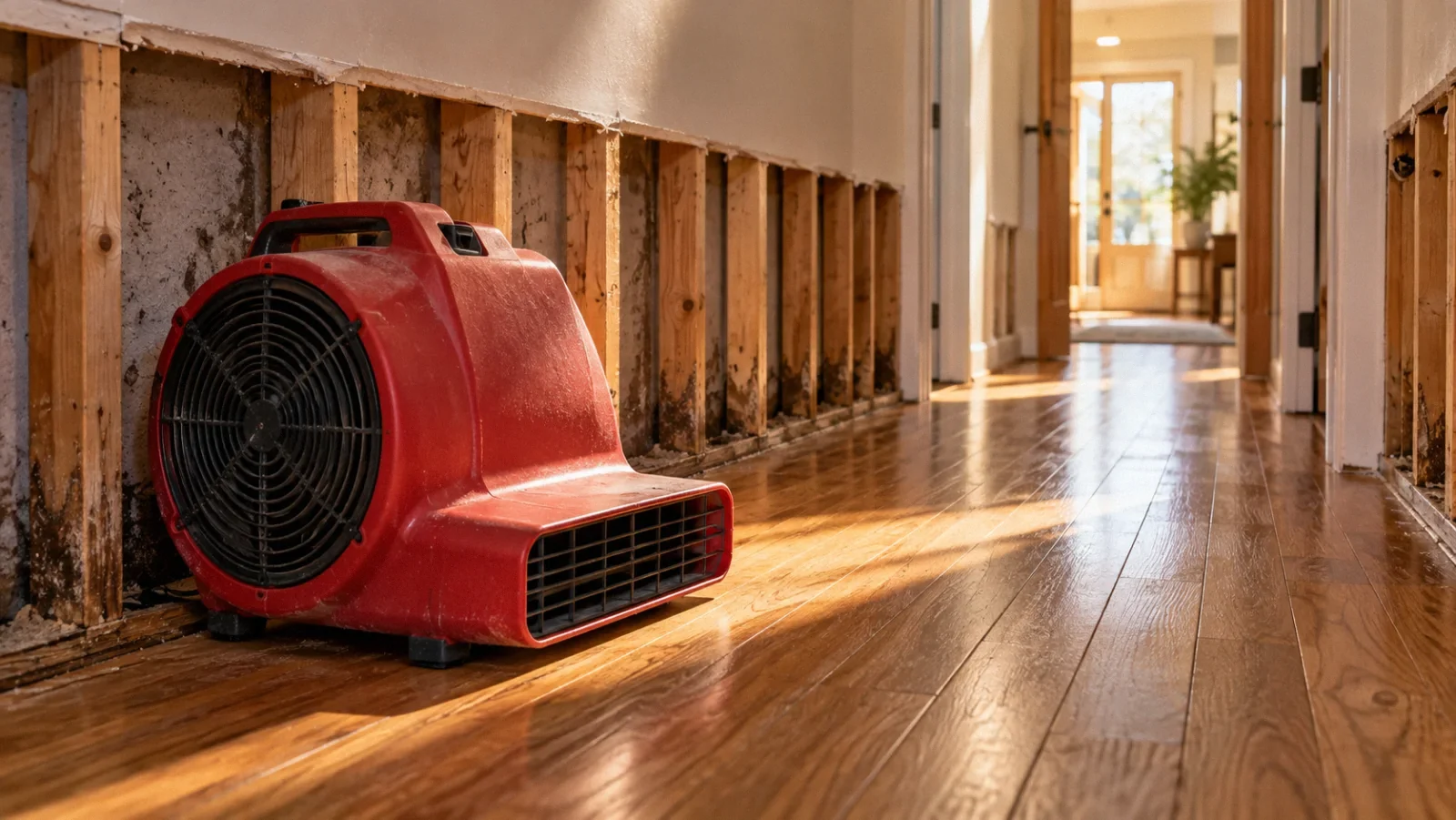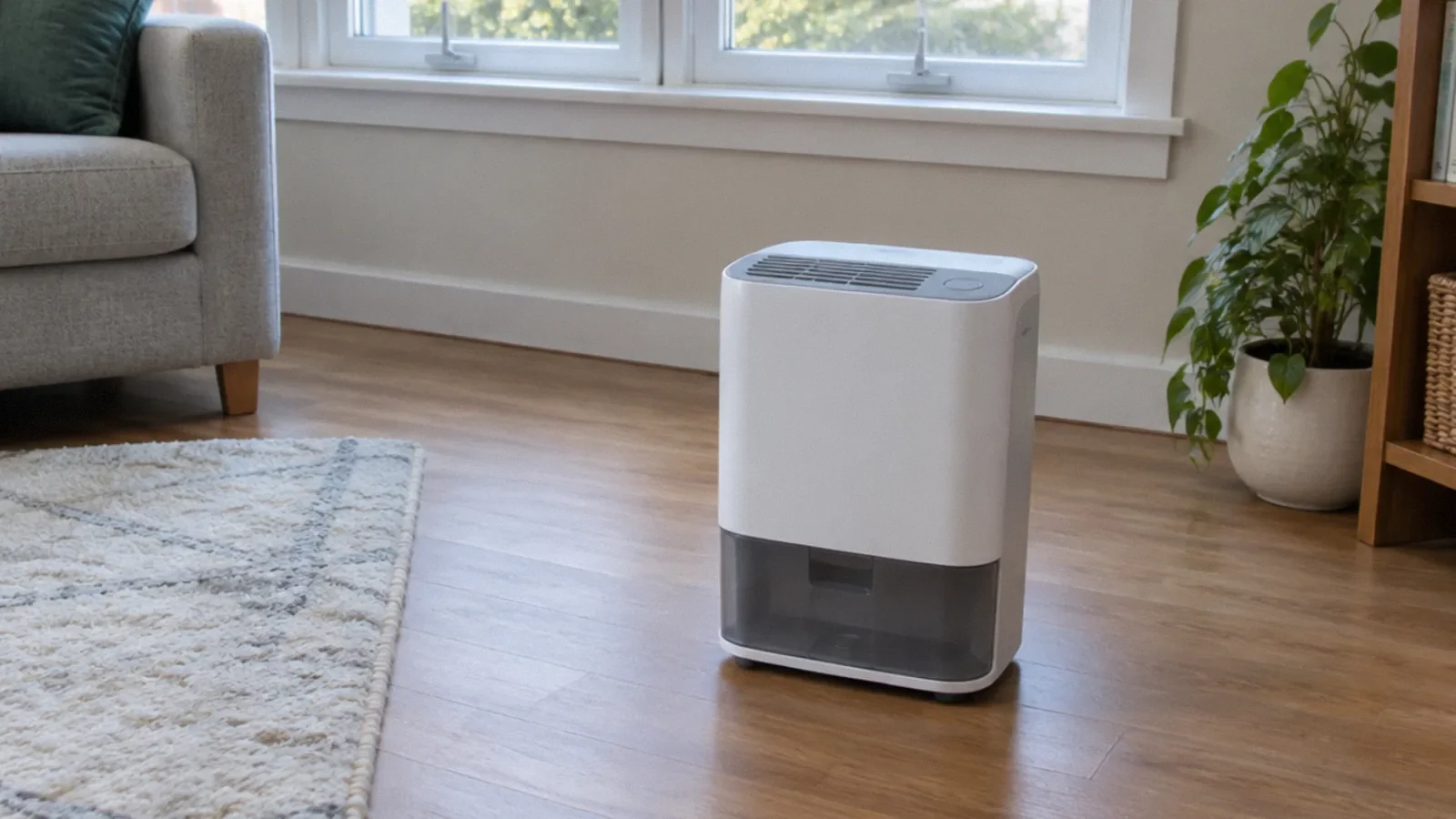
A fan moves air across surfaces; a dehumidifier removes water vapor from air. They often work together after safe assessment and liquid-water removal. Neither machine automatically reaches trapped water, repairs a leak, or makes contaminated materials suitable to keep.
Separate liquid removal from evaporation
Pooled water and saturated accessible layers may first need appropriate extraction. Trying to evaporate all available liquid can prolong the work unnecessarily. After extraction, moisture within materials must move toward a surface and then into air that can carry it away.
EPA’s clean-water table describes combining extraction, airflow, and dehumidification for relevant materials. The sequence is not a universal equipment prescription. It is a way to distinguish the tasks so a proposal explains which problem each step addresses.
What airflow contributes
Moving air can reduce the stagnant boundary layer at a wet surface and support evaporation. It is most useful when directed toward accessible wet material under suitable conditions. A fan in the doorway may not reach the underside of a floor or the back of an insulated wall.
Air movement can also spread contaminants. EPA cautions against using fans before determining that water is clean or sanitary. When visible mold, sewage, or other contamination is involved, cleanup controls and professional assessment should precede indiscriminate blowing.
What dehumidification contributes
A refrigerant dehumidifier condenses moisture from air and collects or drains the water. DOE’s consumer-dehumidifier description explains this basic mechanism. As materials release moisture into the room, removing vapor can help maintain a useful drying environment.
The machine’s room-size marketing does not by itself determine suitability for a structural loss. Temperature, humidity, construction, moisture load, drainage, and actual output matter. A full tank that shuts the unit off can interrupt drying even if the machine remains plugged in.
When one approach is not enough
If the room air is drier but a subfloor remains wet, the limiting factor may be access or a low-permeance covering rather than insufficient fan count. If air becomes increasingly humid, vapor removal or ventilation may be inadequate. If moisture returns, the source may not be controlled.
Ask for material readings and a plan adjustment based on the observed limitation. A claim that exposed wood will eventually dry may be physically plausible without establishing that the full assembly can dry promptly enough or be appropriately cleaned. The practical question is whether the proposed method achieves a documented result.
Diagnose the bottleneck before renting another machine
Imagine an exposed clean-water-wet wall with suitable airflow but steadily rising room humidity. Vapor removal may be limiting progress, so the assessment should examine dehumidification or appropriate ventilation. Now imagine dry room air beside vinyl over a wet wood substrate. The limiting factor may instead be the moisture path through the finish. The same purchase will not necessarily solve both problems.
A third situation is an open wall that becomes wet again near a pipe after readings initially improve. Before adding capacity, verify source control. No combination of fans and dehumidifiers should be expected to compensate indefinitely for continuing liquid entry.
These examples are decision frameworks, not diagnoses of an unseen house. The crew should use measurements, access, and source evidence to decide which mechanism is controlling the actual job.
What a limited DIY role can reasonably cover
After hazards and contamination have been addressed, a homeowner may be able to monitor approved equipment operation, report a full tank or stopped drain, and keep the instructed openings in position. These observations can prevent avoidable interruptions without changing the professional setup.
If you use equipment for a small assessed clean-water event, set a follow-up point rather than leaving it indefinitely. Ask what material should be checked and what finding would require escalation. If the material remains wet, access is uncertain, odor appears, or the source recurs, reassess instead of assuming more days will always solve it.
A successful endpoint is not a collection tank that finally remains empty. Output changes with the air conditions and machine operation, and a stopped unit can also collect nothing. Completion should be tied to the affected material and its repair requirements. The machine is a means of changing conditions; its behavior needs interpretation within the larger drying plan.
Choose by evidence, not machine appearance
A small clean-water event with accessible sound material can differ greatly from a saturated multilayer floor. Do not copy a neighbor’s equipment layout. A competent plan identifies the target material, the path for moisture removal, monitoring points, and conditions requiring more access or a changed method.
Keep electrical supply and drainage safe. Do not run equipment in hazardous wet areas or overload temporary connections. Have the responsible professional explain what the household should monitor, what must remain operating, and whom to contact if the arrangement stops.
How long does a dehumidifier take to work?
There is no dependable universal number of hours for a room. Capacity, temperature, initial humidity, ventilation, the size of the space and continuing moisture sources all affect the result. A humidity display may drop before wet drywall, wood or hidden floor layers dry. Assess the actual materials rather than using the room reading alone.
Follow the manufacturer’s placement instructions and allow unobstructed airflow. ENERGY STAR advises closing doors and windows while dehumidifying under ordinary conditions and keeping water drainage away from electrical connections. A restoration professional may make different ventilation decisions when contamination or other site conditions require them.
Will a dehumidifier get rid of mold?
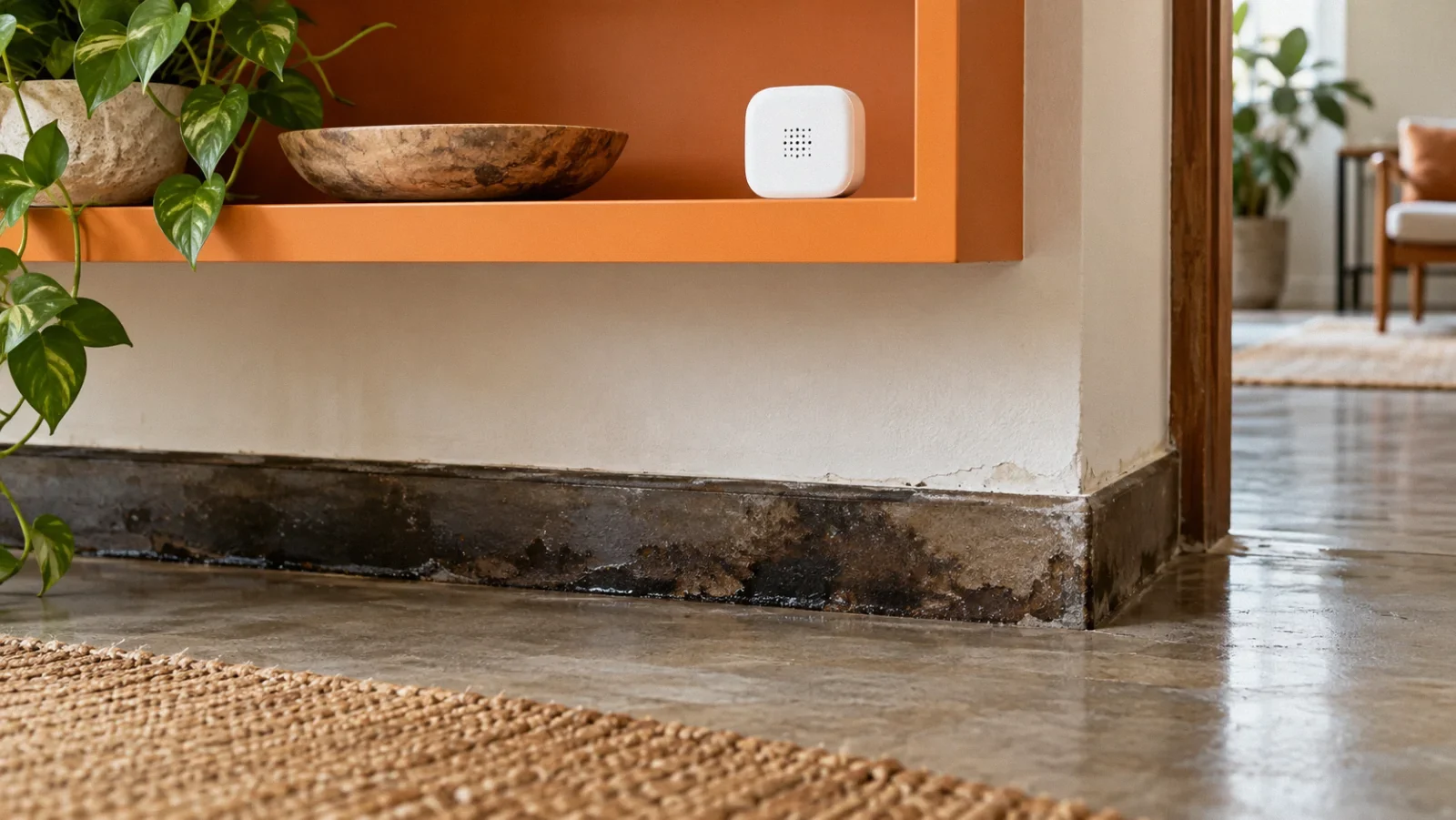
Reducing excess moisture can help prevent conditions that support mold growth, but a dehumidifier does not remove existing mold or fix an active leak. EPA advises cleaning up mold and correcting the moisture problem. The appropriate cleanup depends on material, extent and access.
Keep away from standing water near electrical equipment. If porous materials, concealed cavities or a large affected area remain wet, arrange an assessment and drying plan instead of assuming a portable appliance has resolved the loss.
Positioning a dehumidifier for a damp wall
First stop the source and remove accessible standing water only when the area is safe. Choose the affected room and place the unit upright with manufacturer-required clearance, away from wet electrical connections; arrange its tank or approved drain so it cannot overflow. Close exterior doors and windows if the manufacturer recommends it, but a closed door can isolate a wet cavity from the machine. Leave access for safe air circulation and follow the model’s instructions. Track room temperature and RH and compare material moisture at documented locations using a suitable meter. A falling RH does not prove the back of the wall or insulation is dry. Seek a restoration professional when materials remain wet, water is contaminated, hidden cavities are involved or electrical hazards make access unsafe; removal or controlled access may be necessary.
Your next-step checklist
- Confirm water quality and electrical safety before using powered airflow.
- Remove accessible liquid using an appropriate assessed method.
- Identify whether air can reach the wet material.
- Monitor dehumidifier drainage and operating interruptions.
- Judge progress through material measurements rather than sound, heat, or equipment quantity.
Related questions
Will a household fan eventually dry wood?
It may assist exposed clean material under suitable conditions, but that does not establish the condition of concealed layers or a reliable completion date. Assess the whole affected assembly.
Does a dehumidifier replace extraction?
No. It removes vapor from air. Extracting accessible liquid is a different task and may substantially reduce the drying load.
Why is the room hot while machines run?
Equipment releases heat and the enclosure may retain it. Heat alone does not show that wet material is drying appropriately; environmental conditions and material progress both need monitoring.
Does collected water tell me how much remains in the walls?
Not directly. Collection can include moisture from room air, outside air, and multiple materials. Its rate also depends on machine conditions. Use it as an operating observation alongside material readings, not as a calculation of the building’s remaining water.
Will a dehumidifier dry a wet floor?
It can remove water vapor from the room and help suitable exposed materials dry, but it does not extract standing water or prove that the layers beneath a floor are dry.
Does air movement reduce humidity?
Air movement can help evaporation, but a fan alone does not remove water vapor from a closed room. Ventilation and dehumidification affect moisture differently, and the appropriate approach depends on indoor and outdoor conditions.
Sources & context
Public guidance supports the principles in this article. The practical questions and examples are editorial interpretation, not a site assessment or a coverage decision. State-specific rules apply only where identified.
- EPA: Table 1, Water Damage Cleanup and Mold Prevention (clean-water material guidance)official
- DOE: Consumer Dehumidifiersofficial
- ENERGY STAR: Dehumidifiers and placementfederal energy guidance
- U.S. EPA: Mold and moisturefederal guidance
Community questions behind this topic
These discussions helped identify reader concerns. They are anecdotal, not technical or legal authority.