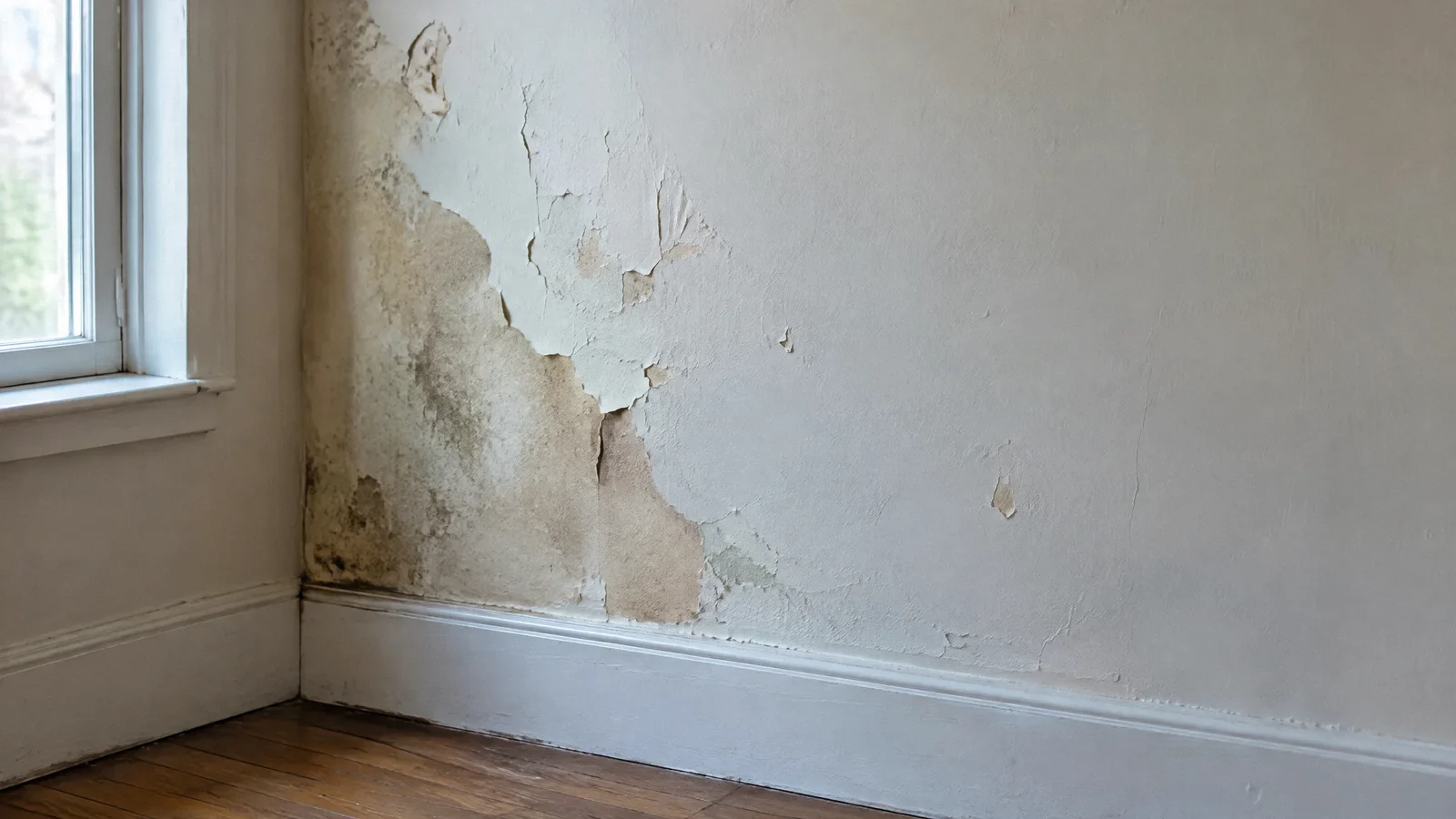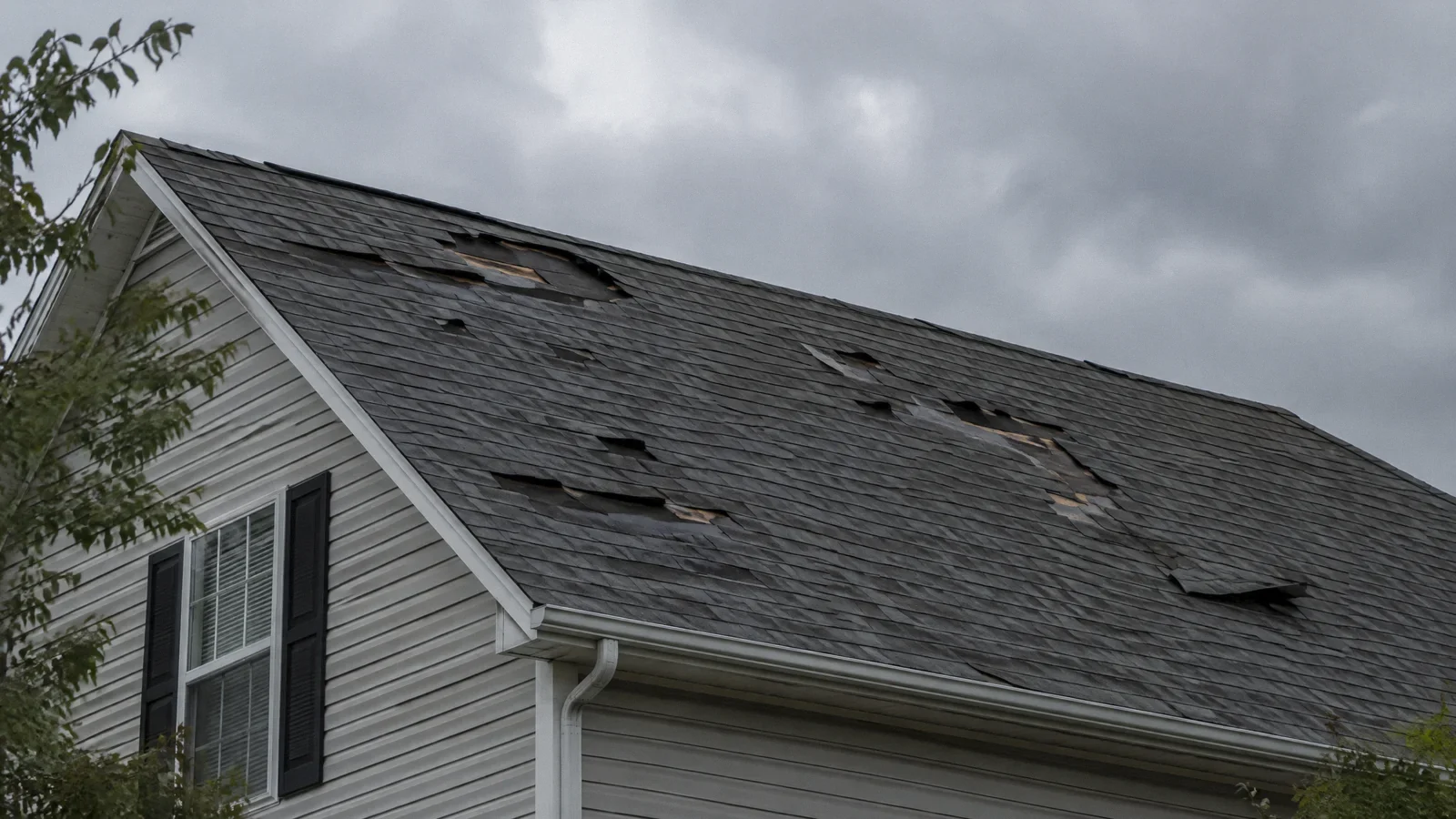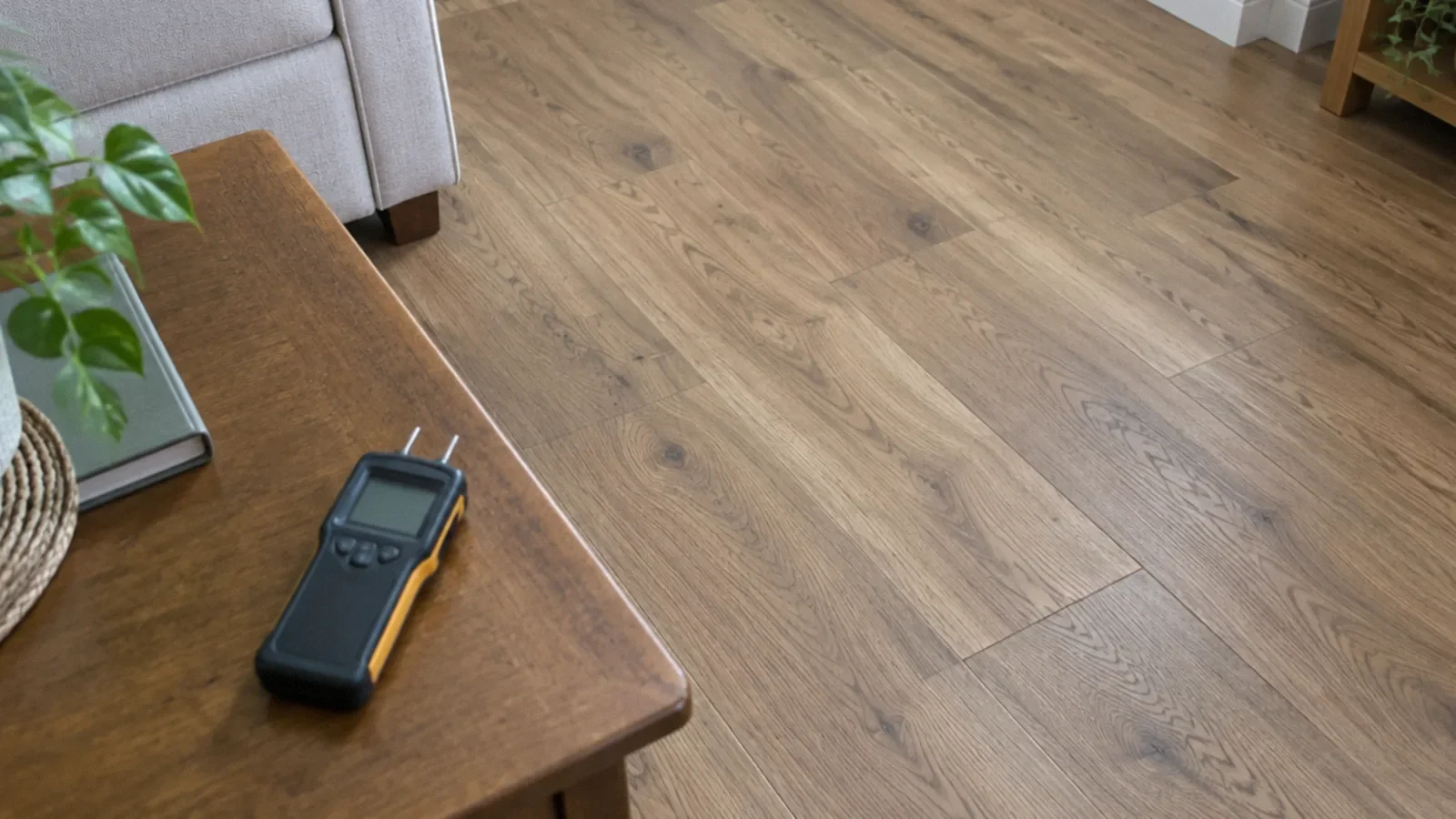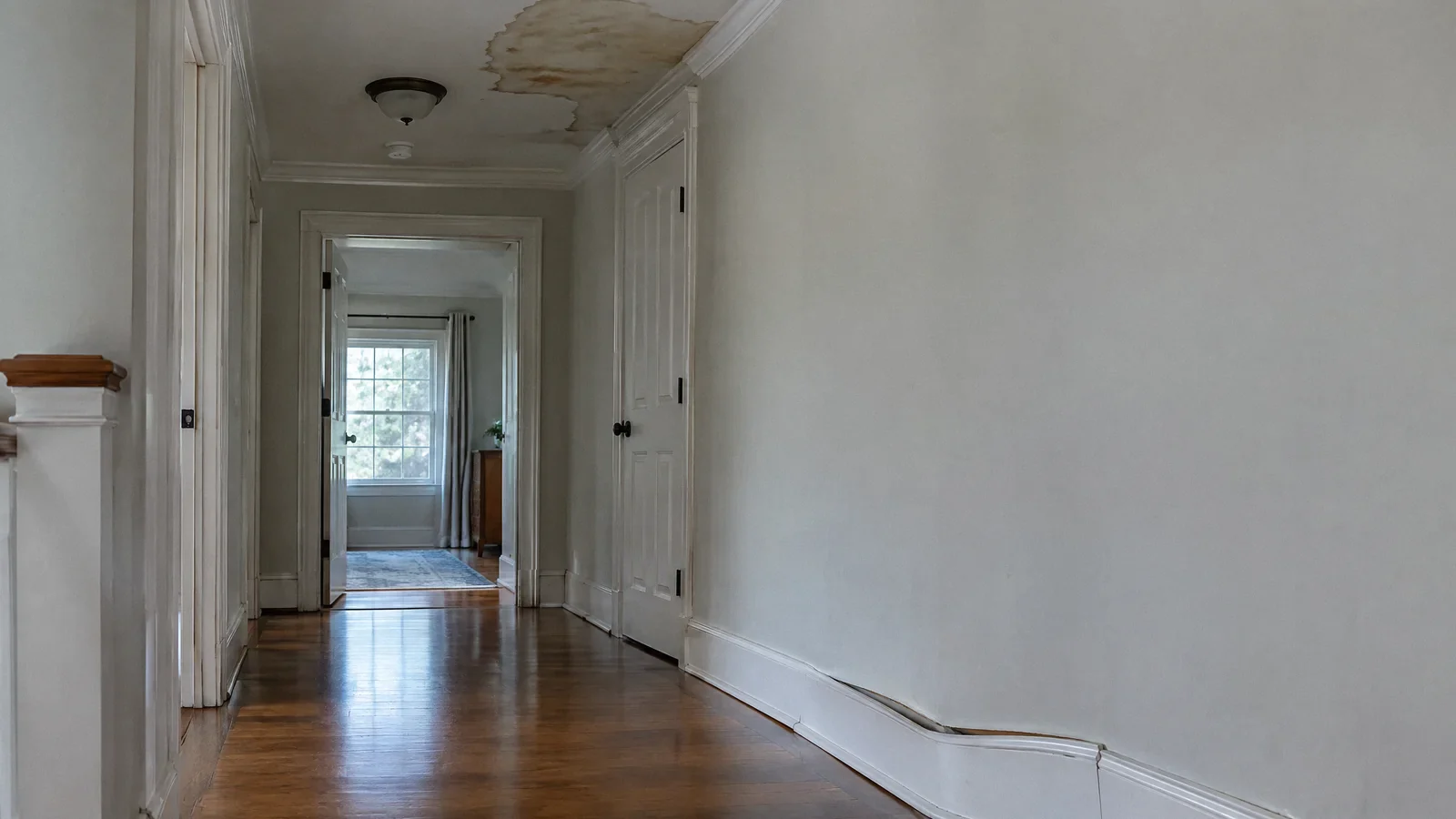
Stains, bubbling paint, swollen trim, distorted flooring and musty odors can indicate moisture. They do not identify the source or prove a leak is active. Document changes safely and arrange an assessment.
What water damage can look like
A new ceiling stain, peeling paint, swollen trim, cupped floorboards or a musty smell may point to unwanted moisture. Water damage does not always leave an obvious puddle: water can travel through a wall, under flooring or along framing before it appears elsewhere. An old stain can remain after an earlier repair, so appearance alone does not prove a leak is active.
Record where and when a change appeared and whether it grows after rain or normal use of a fixture. Photographs from a safe position make later comparison easier. Do not run water repeatedly to test a suspected leak; that can increase damage.
Check different rooms and surfaces
In kitchens and laundry areas, look around accessible appliance connections, cabinets and floor edges for dampness, swelling or discoloration. In bathrooms, stains near the shower, tub or adjoining wall may justify investigation. A damaged finish does not identify whether water came from a supply line, drain, enclosure or condensation.
In living spaces and bedrooms, notice bubbling paint, separated baseboards, changing floorboards and stains around windows or ceilings. Look at the room below a suspected leak as well. Material behaves differently: drywall may soften, wood can swell and flooring may distort. Similar changes can have non-water causes, so the next step is source assessment.
A cabinet that has swollen at the bottom may need inspection of both the fixture and the surface below it. A ceiling stain may call for checking a bathroom above as well as roof conditions. Record the location rather than assigning a cause before the inspection.
Roof, attic and foundation clues
After rain, new ceiling stains or dampness near an exterior wall can suggest water entry, but the visible mark is not necessarily beneath the opening. A roofing professional can evaluate coverings and transitions. Do not climb onto a roof or enter a damaged attic to trace a leak.
At lower levels, moisture may come from plumbing, surface drainage, groundwater or condensation. Observe safely accessible areas and note whether symptoms follow rainfall. Do not enter a flooded crawl space or basement where electrical, sewage or structural hazards may be present. A foundation type alone does not establish the source.
What to do when you find a sign
If the source is obvious and can be stopped safely, take reasonable action to limit further water. Otherwise contact a plumber, building manager or other appropriate professional. Stay away from sagging ceilings, unstable floors, standing water near electrical equipment and sewage. If there is immediate danger, leave and contact emergency services or the relevant utility.
Protect people and pets and document visible conditions from a safe place. In a rental, notify the property manager promptly. If an insurer may be involved, ask about the actual policy, deductible and documentation; a photograph or contractor estimate does not establish coverage.
How an inspection narrows the source
Tell the inspector the timeline, changes after rain or fixture use, previous repairs and affected rooms. They may inspect accessible plumbing, building openings and materials, use moisture instruments and recommend limited openings. A meter reading is an investigative clue that must be interpreted for the material; it does not identify the leak by itself.
Ask for the suspected source, affected areas, measurements, inaccessible locations and what further testing is needed. If an opening is proposed, clarify the location, containment, cost and restoration. Several sources can coexist, so a quick surface repair should not be assumed to resolve every symptom.
Repair, dry and follow up
Repair the source, assess affected materials and dry or remove them as appropriate before closing walls or installing new finishes. EPA advises fixing moisture problems and not painting over wet or moldy materials. A dry-looking surface is not proof that hidden layers are dry; ask the contractor how drying is verified.
Keep photos, reports, invoices and approved changes. Watch for recurring stains, odors or flooring movement after repair and request a follow-up if they return. Preventive maintenance of plumbing, drainage, roofing and ventilation can reduce exposure to common moisture sources, but no single measure guarantees a dry home.
Your next-step checklist
- Photograph visible changes safely.
- Record the timeline and affected rooms.
- Stay clear of electrical, sewage and structural hazards.
- Arrange a source assessment and repair.
- Verify drying before closing affected materials.
Related questions
Does a water stain mean the leak is still active?
Not necessarily. An old stain can remain after a repair; changes over time and an assessment can clarify current conditions.
Can water damage be hidden?
Yes. Moisture can remain behind walls or under floor coverings without an obvious puddle.
Does a musty smell prove a mold species?
No. Odor can indicate a moisture problem, but it does not identify a species or establish a diagnosis.
Sources & context
Public guidance supports the principles in this article. The practical questions and examples are editorial interpretation, not a site assessment or a coverage decision. State-specific rules apply only where identified.
- EPA: interactive mold house tourfederal guidance
- EPA: brief guide to mold and moisturefederal guidance
- EPA: mold cleanup in your homefederal guidance