New stains, bubbling paint, swollen trim or a persistent musty odor can indicate moisture in a wall. They do not establish the source or prove an active leak; document changes and arrange an appropriate assessment.
Early changes to notice
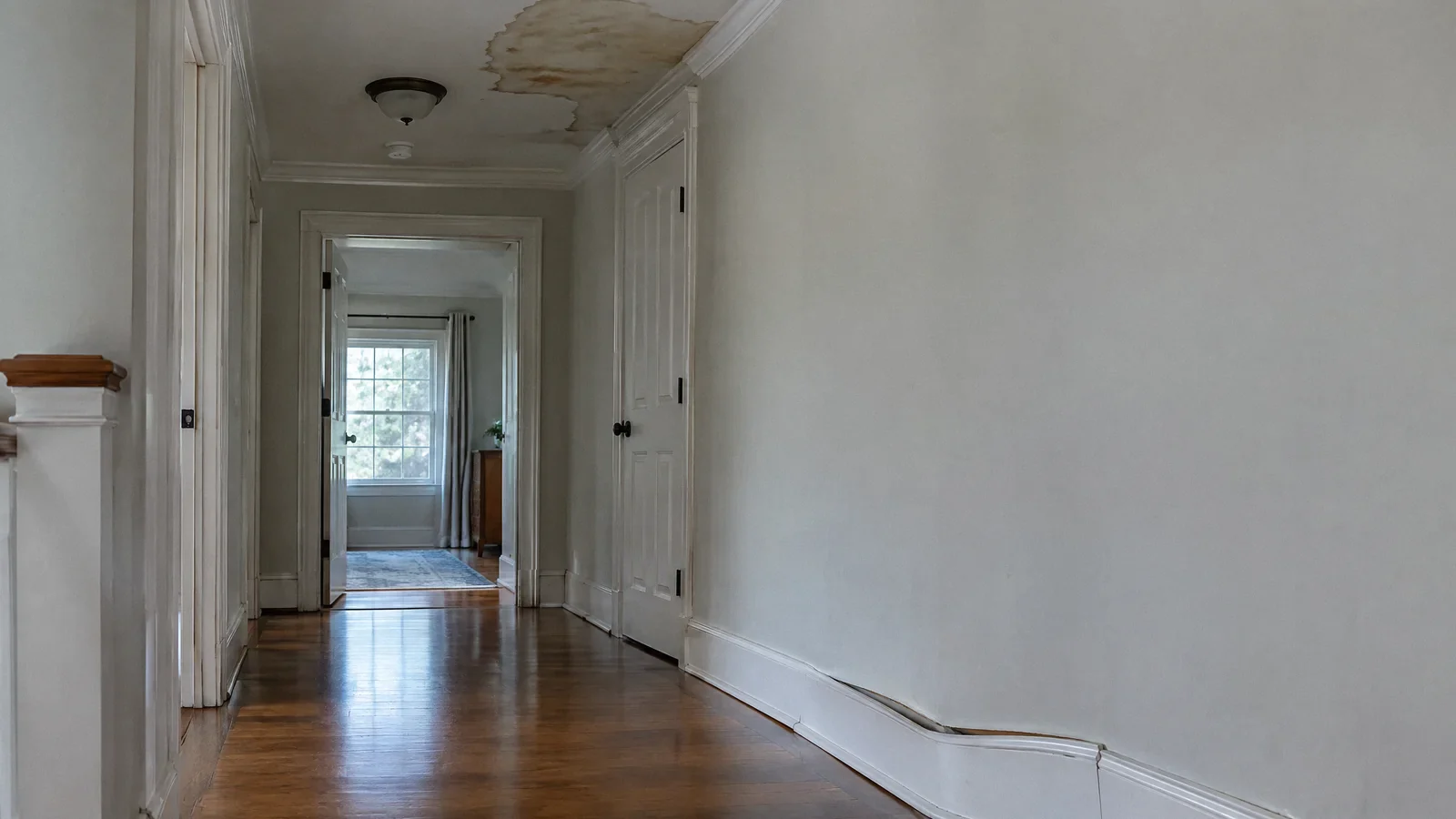
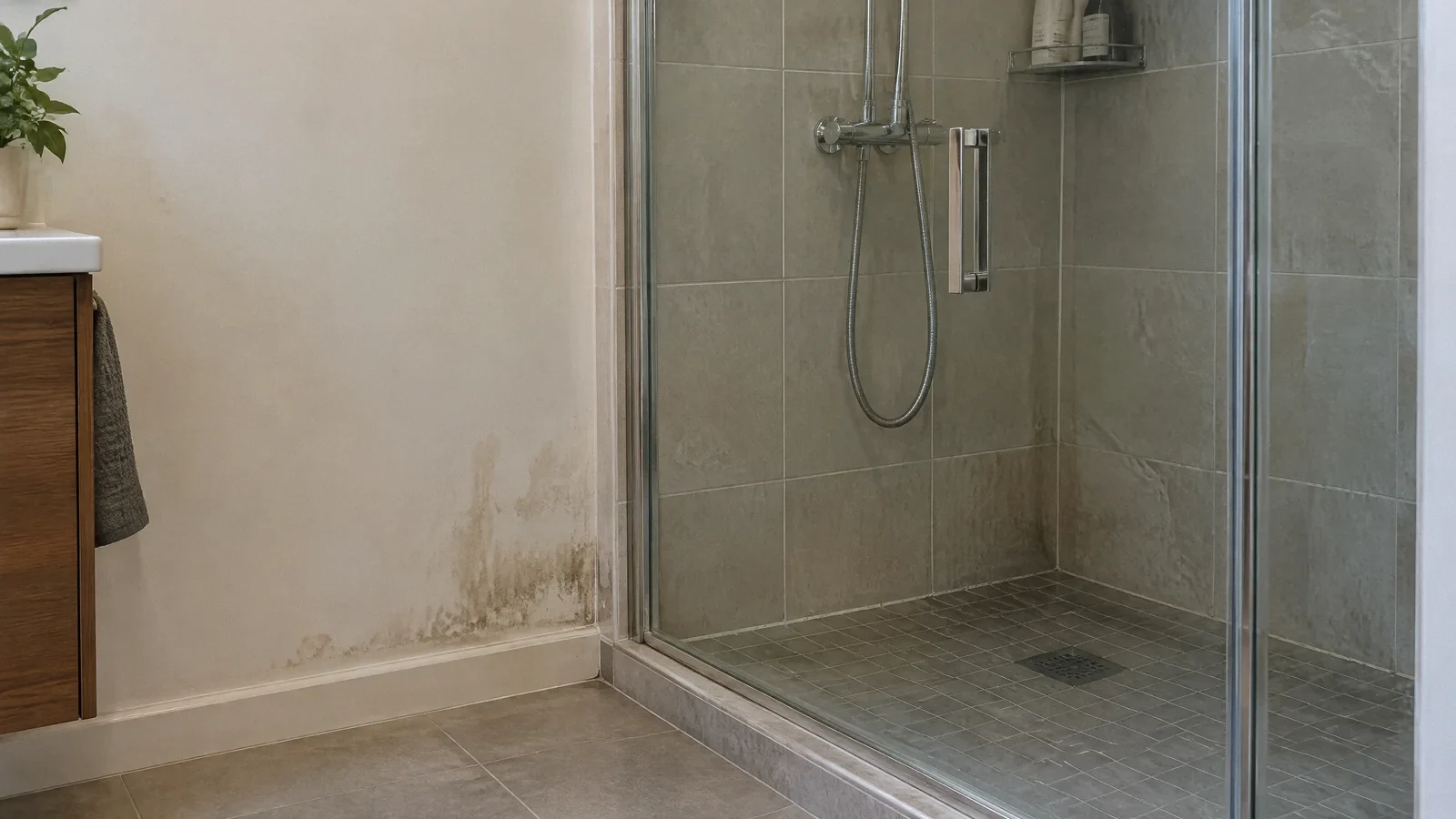
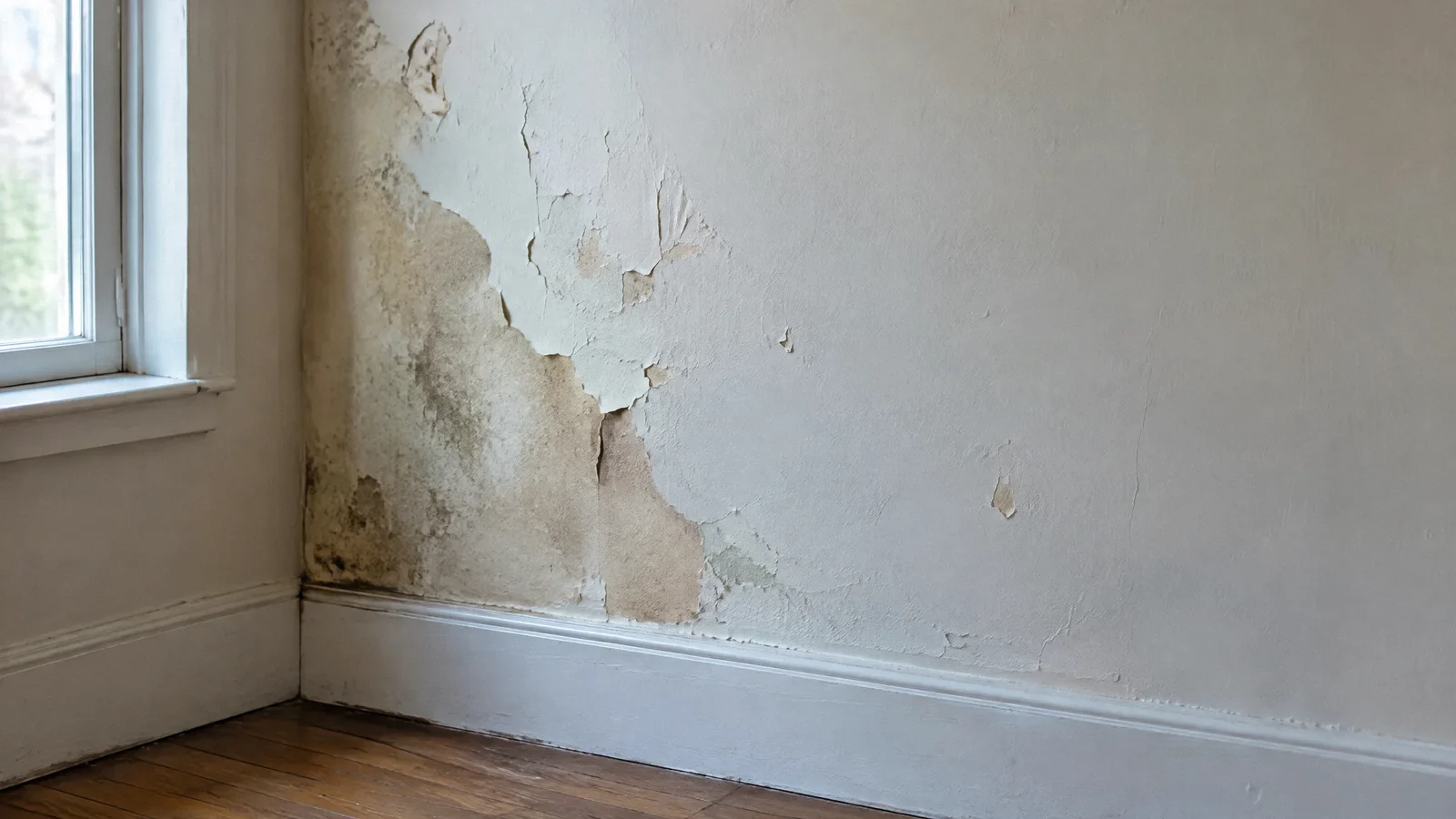
A wall can show subtle changes before water is visible on the floor. Look for a new or expanding stain, paint that bubbles or peels, wallpaper lifting at a seam, or a baseboard that has swollen or separated from the wall. These are clues to investigate, not proof of an active leak. A stain may remain after a past leak was repaired and dried.
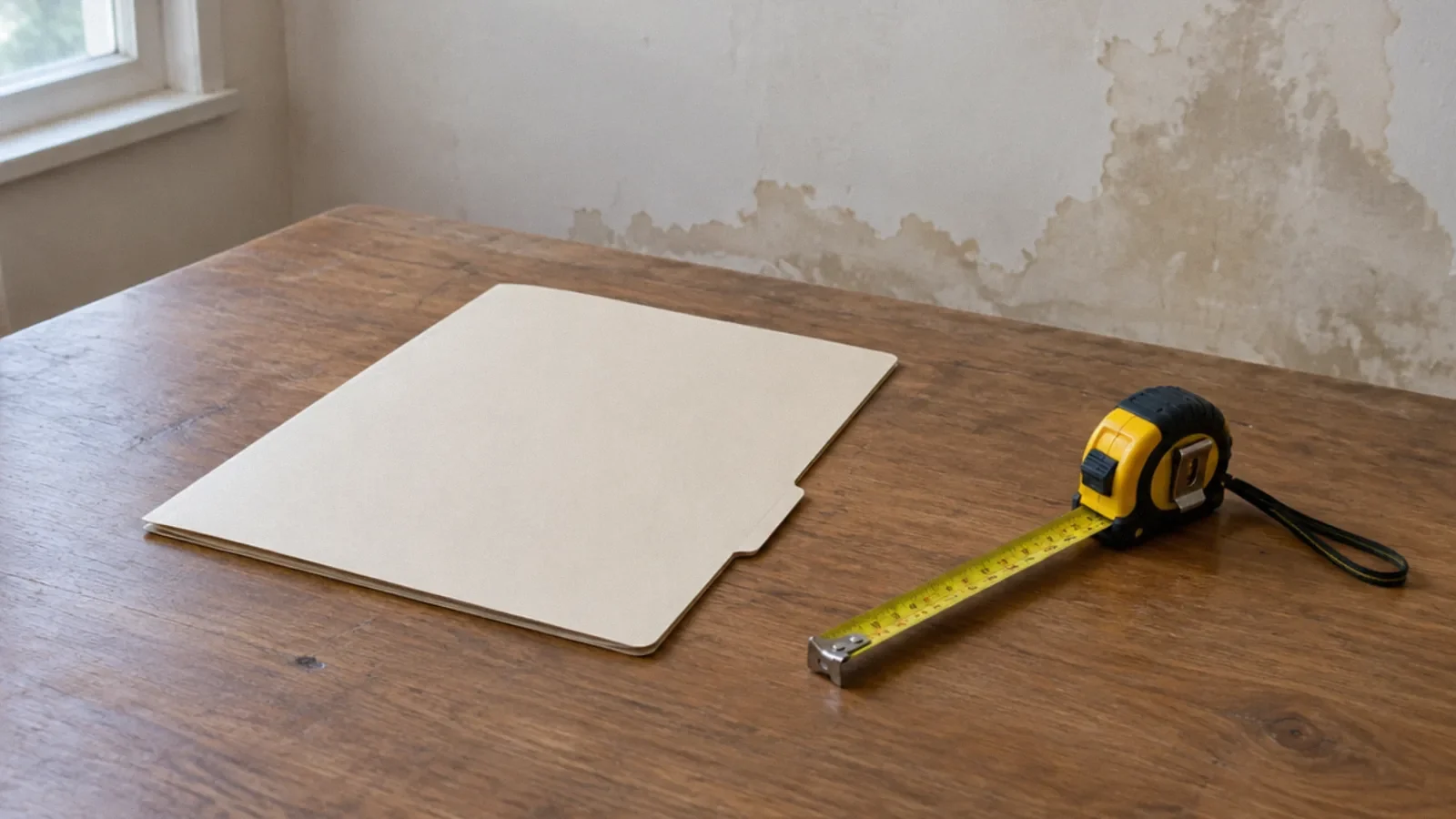
Compare the area with photographs taken on different days. Note whether it changes after rain, a shower, laundry or use of a nearby fixture. Do not repeatedly run water if a leak is suspected; recording existing conditions is more useful than deliberately worsening the damage.
In a rental, notify the property manager promptly and provide dated photographs and the location. In an owned home, record the same details for a contractor and insurer if a claim is considered. Keep records of prior repairs, because a contractor can use them to distinguish recurring symptoms from a mark that has not changed. Avoid assuming that an old disclosure or fresh paint proves the wall is currently dry.
Where to look and what the material can show
Check safely visible wall surfaces near plumbing fixtures, windows, exterior corners, ceilings and baseboards. Water can travel along framing or another surface before it becomes visible, so the stain is not necessarily directly beneath the entry point. Check adjoining rooms and the room below as well.
Gypsum wallboard may soften or lose its surface bond when wet; paint can blister. Plaster can discolor or lose its finish, and wood trim can swell or distort. These appearances have other possible causes, including prior repairs, humidity and age. A professional assessment can distinguish suspected moisture from a cosmetic defect.
Find the source without guessing
The pattern and timing can help narrow possibilities. Staining that changes after rainfall may point toward an exterior opening, roof or flashing, while a change associated with fixture use may suggest supply, drain or enclosure leakage. Condensation can also wet a cold surface. More than one source can exist, and the visible location alone is not a diagnosis.
Tell the inspector when you first noticed the change, what is on the other side of the wall, and whether work has been done nearby. A plumber, building professional or roofing contractor may be appropriate depending on the evidence. Ask them to identify the source and explain what remains uncertain before authorizing reconstruction.
A window stain, for example, may come from an opening above the window rather than the glass itself. A plumbing wall can be affected by a supply pipe, a drain used intermittently, or a shower enclosure. The repair should follow evidence from the actual assembly.
When to stay clear and get help
Keep away from a sagging ceiling, a bulging wall or water near outlets and electrical equipment. Do not touch wet electrical devices or operate switches in standing water. If there is immediate danger, leave the area and contact emergency services or the relevant utility. A qualified electrician can assess electrical hazards.
For sewage, floodwater or unknown contamination, avoid contact and arrange experienced professional cleanup. EPA recommends a professional experienced with contaminated water when sewage is involved. A small clean-water incident can still require help if water has entered a wall cavity, affected multiple materials or persisted unnoticed.
What an assessment should establish
An inspector may use moisture measurements, visual examination and targeted openings where justified. A meter reading is a clue that requires interpretation for the material and conditions; it does not by itself identify the cause, define the full extent or prove that mold is present. Ask where measurements were taken and what comparison was used.
Request a written plan that identifies the suspected source, affected materials, inspection limits and proposed next steps. Ask which materials can be dried and retained, which may need removal, and how progress will be checked. If a cavity must be opened, clarify containment, access, repair of the opening and any change in cost.
Repair the cause before closing the wall
Fix the moisture source and address affected materials before covering the area with new paint or wallboard. EPA guidance emphasizes fixing leaks and drying wet materials. Painting over a stain or covering an odor may conceal evidence while the underlying problem continues.
Keep photos, findings and repair invoices. Follow up if staining returns, a musty smell persists or measurements indicate unresolved moisture. A clean-looking surface alone does not prove that a concealed cavity dried; ask the professional what evidence supports closing it and what limitations remain.
Your next-step checklist
- Photograph visible changes from a safe location.
- Note timing and nearby fixtures without deliberately running water.
- Stay clear of electrical hazards and unstable materials.
- Ask a qualified professional to locate the source.
- Repair and verify drying before closing the wall.
Related questions
Does a brown wall stain mean a leak is active?
Not necessarily. Old staining can remain after a repair; changes over time and a professional assessment help determine whether moisture remains.
Can mold be identified by its color?
No. Color alone does not establish species or health risk.
Can I paint over water damage?
First identify and fix the moisture source and address affected materials. Paint can conceal an unresolved problem.
Sources & context
Public guidance supports the principles in this article. The practical questions and examples are editorial interpretation, not a site assessment or a coverage decision. State-specific rules apply only where identified.
- EPA: A brief guide to mold, moisture and your homefederal guidance
- EPA: mold cleanup in your homefederal guidance
- EPA: flood cleanup tipsfederal guidance