Commercial mold remediation starts with assessing the moisture source, affected materials and potential exposure to occupants and workers. The scope depends on the building and the extent of damage. EPA guidance emphasizes a written plan, correcting moisture, appropriate containment and communication; qualified professionals should design the work for the actual conditions.
Establish the immediate building risks
A commercial property can contain occupants, visitors, shared ventilation, electrical equipment and multiple tenants. Restrict access to an unsafe or affected area and address active water or electrical hazards through qualified personnel. Do not disturb suspected growth merely to assess it visually.
If sewage, flooding, damaged wiring or unstable materials are involved, the safety plan must address those hazards as well as mold. Coordinate with the owner, facility manager and affected tenants. Emergency actions should not wait for a complete remediation proposal.
Investigate the moisture source
Roof leaks, plumbing failures, condensation, wet insulation and HVAC drainage problems can create damp building materials. The visible area may not represent the full extent. EPA notes that some finishes can trap moisture and that hidden growth can require careful investigation.
Document the water history, affected spaces and areas that cannot be accessed. Determine who will repair the roof, plumbing or equipment and whether that work is included. Cleaning growth while the moisture source remains can allow the problem to recur.
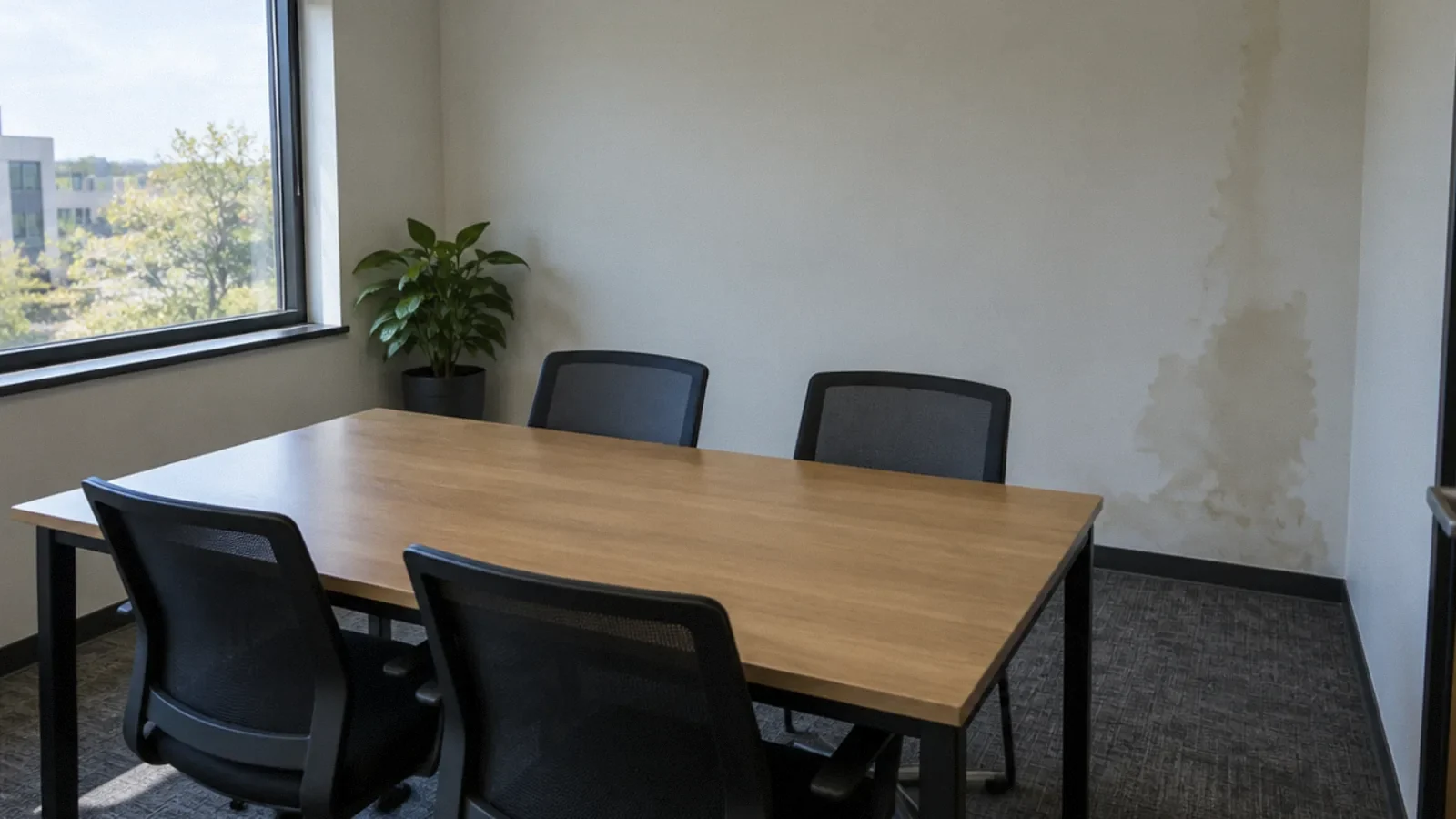
Peeling paint, warped trim, stained ceiling tiles or swollen wallboard can indicate past or ongoing moisture, but appearance does not establish its extent. A qualified investigator can review leak history and use suitable moisture measurements to decide whether concealed cavities need controlled inspection. Removing visibly affected finishes without correcting the leak or condensation leaves the moisture problem unresolved.
Plan the scope and responsibilities
EPA’s guidance for schools and commercial buildings recommends assessing the size of the problem, materials and exposure potential and assigning a remediation manager for appropriate projects. The plan should describe source correction, cleaning or removal, drying, protection and communication.
Identify who has authority to approve access, isolation, changes and reopening. Contractors may need coordination with building operations, security and tenants. A proposed scope should state what has been observed, what remains uncertain and how additional findings will be handled.
Protect occupants and workers
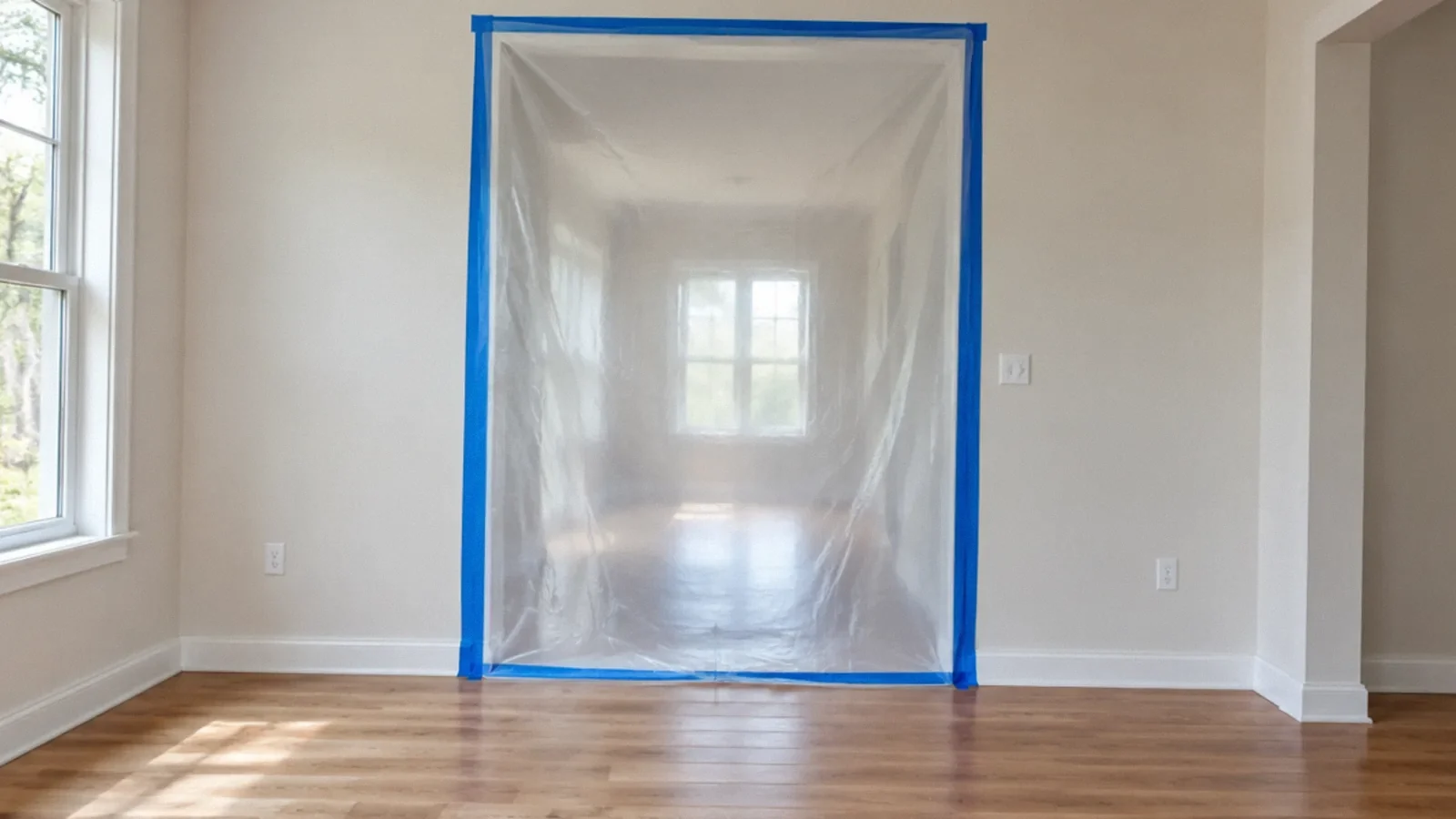
Containment and worker protection depend on the affected area, materials and potential for particles to spread. EPA describes different levels of containment and notes that the amount of growth as well as the area can matter. A small area is not automatically simple if heavy growth or sensitive occupants are involved.
Workers need a protection plan appropriate to the hazards and applicable requirements. OSHA describes engineering controls, work practices and personal protective equipment for remediation. Do not assume a single mask or plastic barrier is adequate for every project; use qualified safety judgment.
Communicate with occupants
Tell affected occupants what is known, the planned work, access restrictions and whom to contact for updates, while avoiding unsupported medical conclusions. Address concerns and coordinate any temporary relocation or scheduling with the building’s responsible parties.
People with health concerns should consult a healthcare professional. A contractor should not use a species name, a photograph or a single air sample as a medical clearance. Explain the scope and limits of any investigation or sampling.
Cleaning, removal and verification
Different materials require different methods. Porous insulation, ceiling tiles or wall materials may need removal, while suitable hard surfaces may be cleaned and dried. The plan should address waste handling and prevent debris from spreading through occupied areas.
Before reopening or rebuilding, ask how source correction, cleaning and drying will be verified and who is responsible for the decision. Retain photographs, measurements with locations, reports, disposal records and a list of inaccessible areas. A clean-looking surface alone does not document a dry assembly.
Color alone cannot identify a mold species or its hazard. The response is to assess and correct moisture and clean or remove affected materials using an appropriate plan, not to select a response based on color.
Select and manage contractors
Request a written scope, schedule, protection plan, responsibilities, credentials and insurance appropriate to the work. Ask how changes will be authorized if more damage is found, how the building will be protected and how the result will be documented.
Compare proposals on the same tasks rather than a single price. A claim to remove every spore is not a realistic substitute for a plan to correct moisture and clean affected materials. Continue monitoring the underlying building issue after work is complete.
Mold in schools
School buildings require coordination among administrators, maintenance staff, occupants and qualified professionals. EPA’s guidance addresses moisture and mold in schools and commercial buildings, including the size of affected areas and protection during cleanup. Keep students and staff away from unsafe work zones.
Correct the water source, communicate the schedule and follow the applicable local procedures. A child’s symptoms require medical advice; a building inspection alone cannot determine an individual health effect.
Parents and staff can report the location, dates, visible damage and recurring dampness to the school administrator or facilities contact. Ask for the person responsible, an investigation and moisture-correction plan, expected response dates and updates. Document observations without disturbing materials; health questions belong with a healthcare professional.
Your next-step checklist
- Restrict unsafe areas and address immediate hazards.
- Identify and correct the moisture source.
- Assign responsibilities and communicate with occupants.
- Use a site-specific worker protection and containment plan.
- Document cleanup, drying and remaining limitations.
Related questions
How is commercial mold remediation different from a small home cleanup?
Commercial work may involve shared ventilation, multiple occupants, worker protection and coordinated access. The actual scope depends on the building and damage.
Can an HVAC system spread suspected mold?
A contaminated system can spread material. EPA advises not operating a system known or suspected to be contaminated until it is assessed.
Is a mold test always required before remediation?
EPA says sampling is unnecessary in most cases when visible mold is present. Ask what decision a proposed test will inform.
Does a chemical fog replace cleanup?
A treatment alone does not correct moisture or remove all affected material. Ask for a defined cleanup and source-repair plan.
Sources & context
Public guidance supports the principles in this article. The practical questions and examples are editorial interpretation, not a site assessment or a coverage decision. State-specific rules apply only where identified.
- U.S. EPA: Mold remediation in schools and commercial buildingsfederal guidance
- OSHA: Mold hazards during disaster cleanupfederal worker safety guidance
- U.S. EPA: Is mold sampling necessary?federal guidance
- U.S. EPA: Mold remediation in schools and commercial buildingsfederal building guidance
- Source guidance: www.epa.govverified guidance