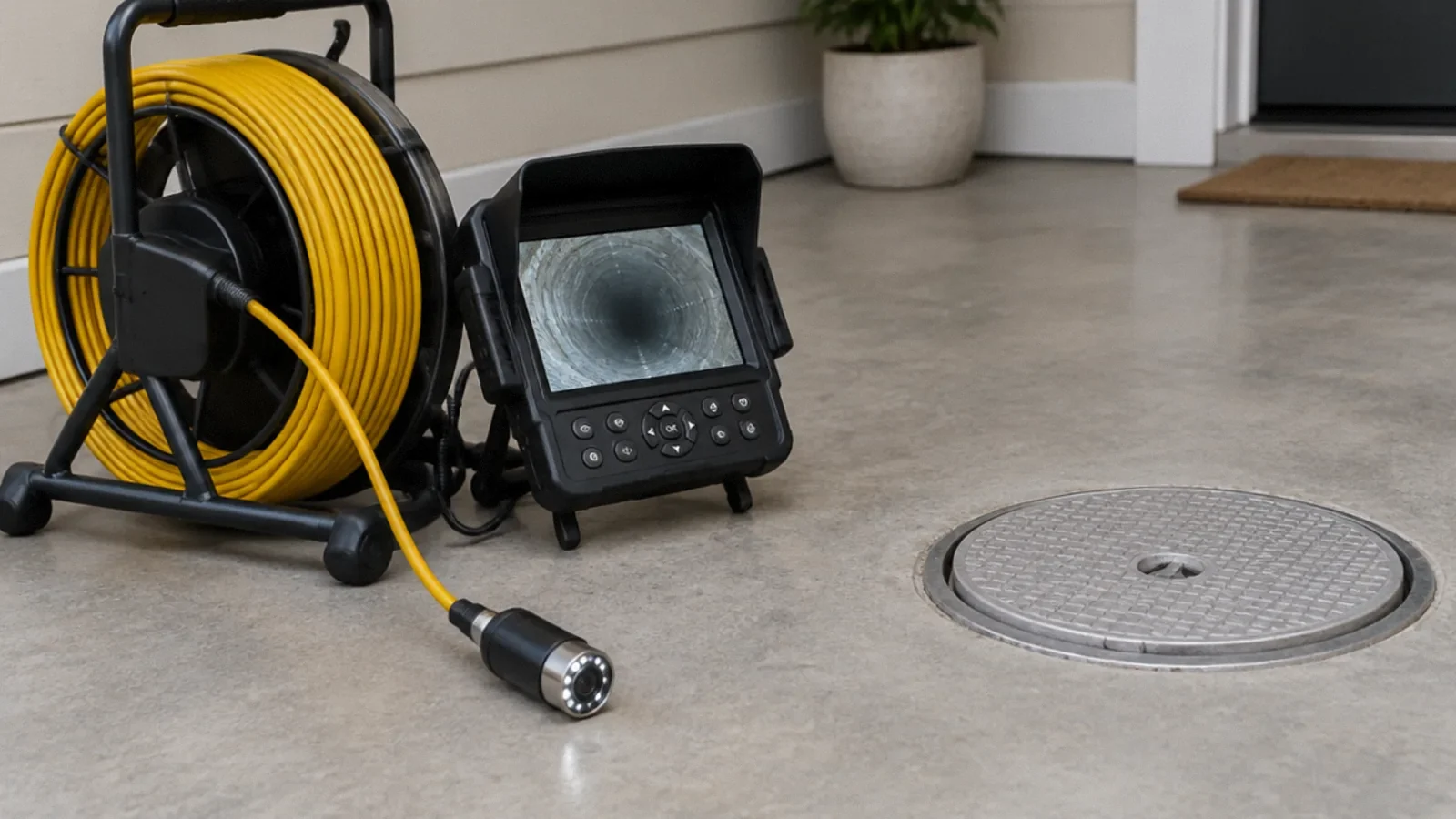
One Minneapolis provider advertises $247–$438 for an inspection through an existing cleanout. It is a local example, not a universal quote; access, cleaning, locating and documentation can change the bill.
What a camera inspection price covers
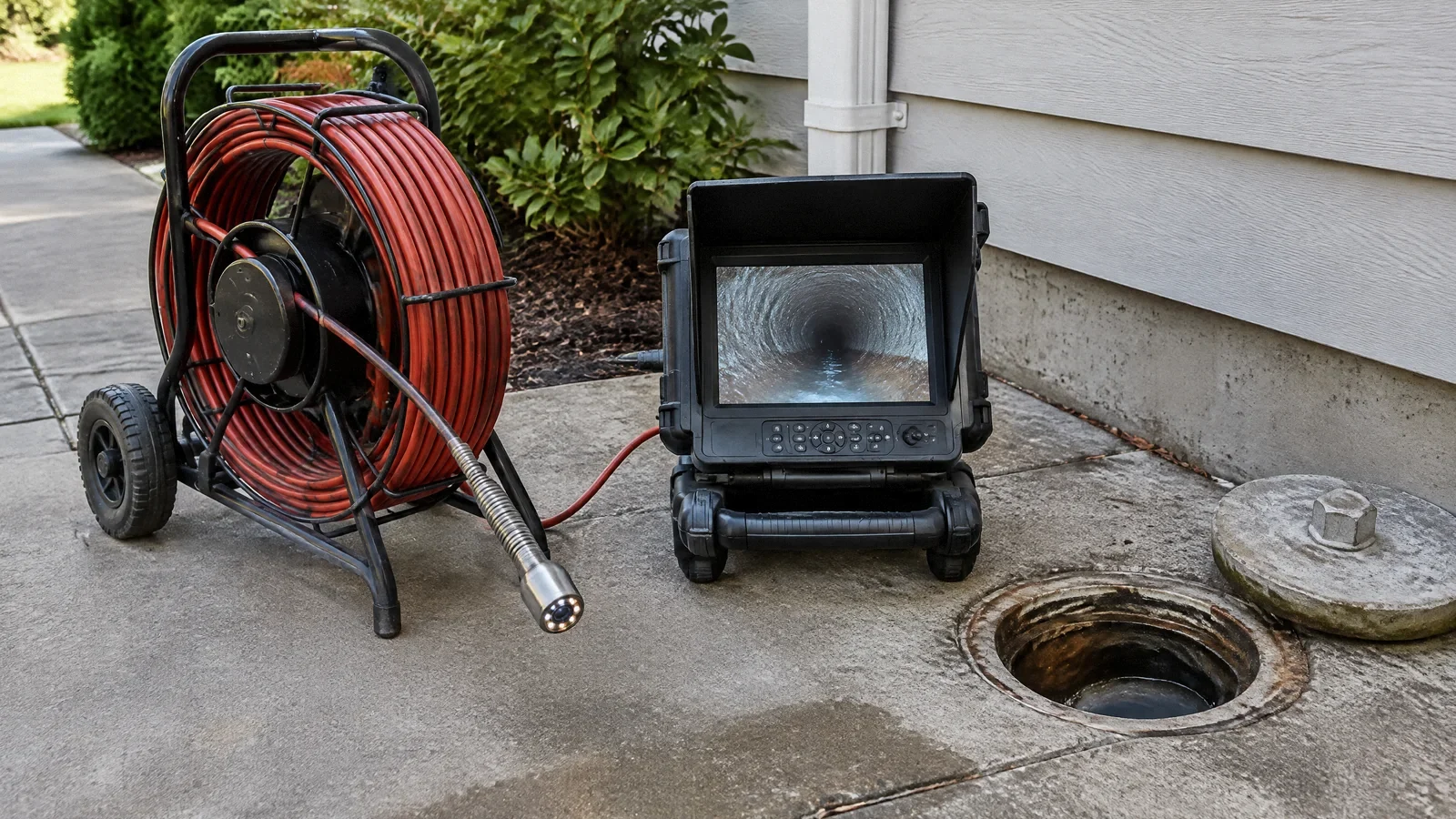
A sewer camera inspection sends a small camera through an accessible section of a drain or sewer lateral. The cost of this visit is separate from the cost of clearing a blockage, locating a buried defect, excavating a pipe, cleaning sewage from the home or repairing damage. A quote should identify the section to be inspected, the access point and the deliverables.
The camera records the portion it can reach and see. Water, deposits and a blockage can limit the view. Paying for an inspection does not guarantee a complete view of every branch, a diagnosis of an unseen section or a fixed-price repair. Ask in advance what happens if the camera cannot pass an obstruction.
A published price example and its limits
One Minneapolis plumbing company publishes a $247–$438 range for camera inspection through an existing cleanout, with lateral length and whether the line is clear affecting the price. This is one provider’s advertised local example, checked October 31, 2026, not a national average or a quote for your property. Travel, local labor, access and the work included can make another price materially different.
For a useful comparison, ask two or more local providers for the same scope: a residential lateral through an existing accessible cleanout, a recording and written findings, with the intended endpoint stated. Ask for the full visit price, any minimum and taxes or other charges. A promotional price without those details may not describe the same service.
Access can change the bill
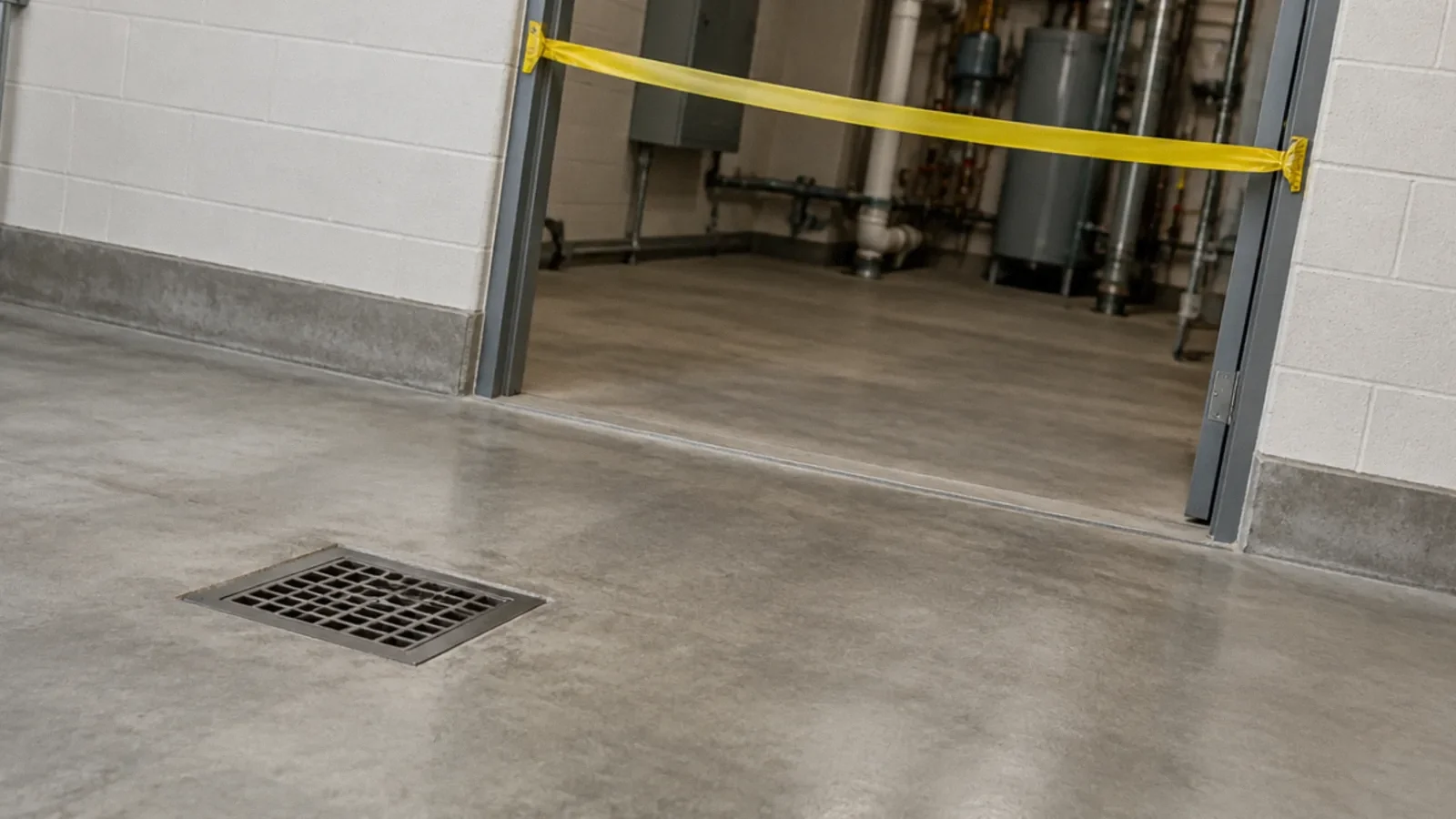
An accessible cleanout often offers a direct entry point, but its presence and condition should not be assumed. If it is buried, inaccessible or missing, the contractor may propose another route or separate access work. Removing and resetting a toilet, for example, is a distinct task; ask for its price and whether a new seal, testing and cleanup are included.
Do not open a backed-up cleanout yourself to prepare for the appointment. Sewage may be under pressure or overflow. Let the contractor assess the condition and explain the safe access plan. If the proposed route requires roof access, discuss its additional work and safety arrangements rather than attempting it yourself.
Clearing, a second visit and locating are different services
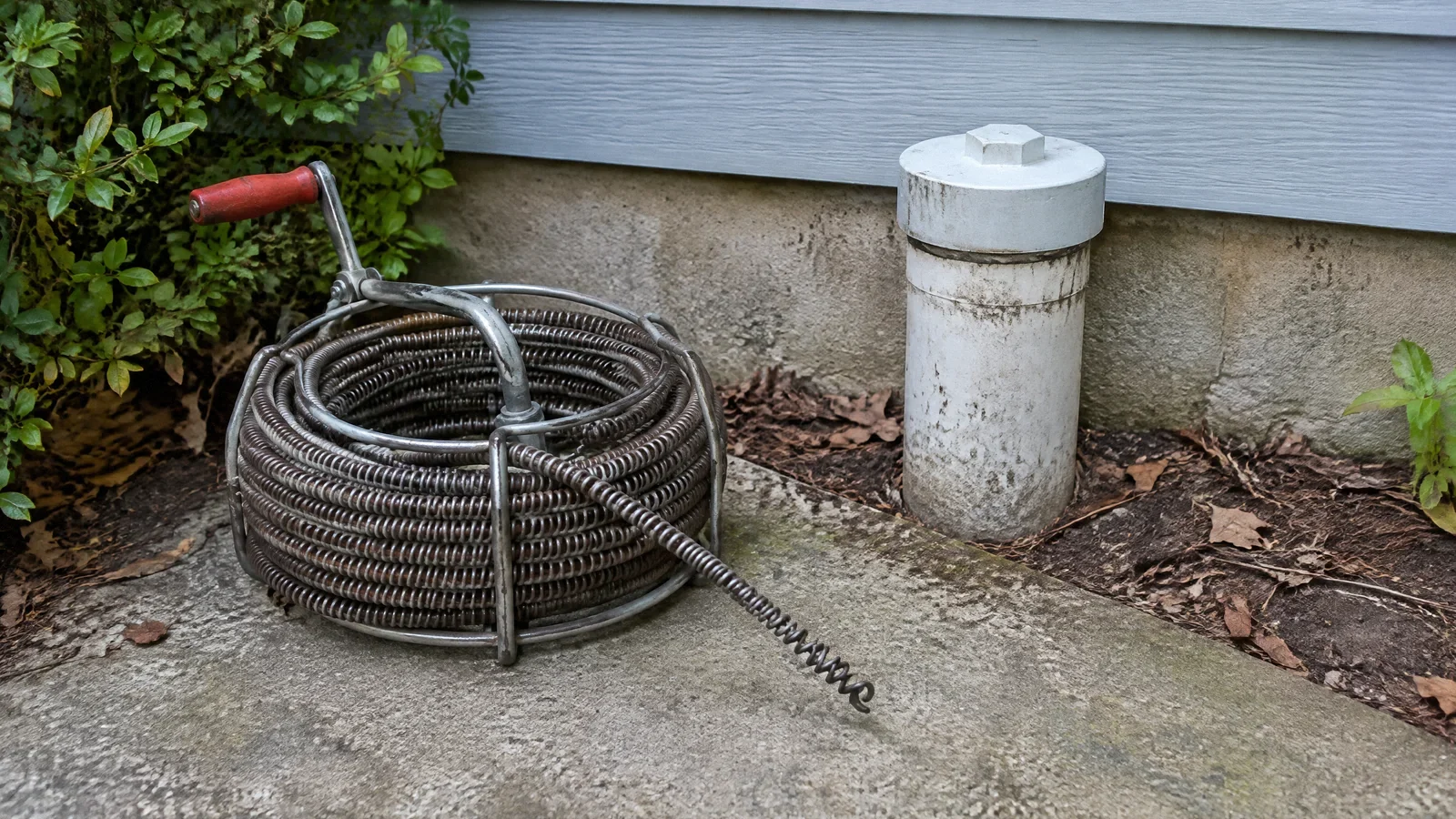
A camera cannot reliably show a pipe beyond a complete blockage. The contractor may recommend clearing it first, then returning the camera to the line. Request separate prices for cleaning and inspection and ask whether the inspection fee is still due if the camera cannot progress. If cleaning fails, find out what information will be supplied and what the next decision point costs.
A camera’s distance reading is not automatically an exact surface location. Electronic locating or marking a suspected defect may require a separate device, time and fee. Ask whether the quote includes locating, how the position will be described and whether the mark is approximate. Any excavation proposal should identify its own scope and assumptions.
Compare the record, not only the screen
Before work starts, ask whether you will receive the continuous recording, not just a verbal summary or selected still images. Request a written description of the entry point, direction, endpoint, visible findings and any section obscured or inaccessible. Ask how you will receive the files and whether there is a charge.
A low price may be a good value when it includes the same route and documentation. It is less comparable if another offer includes locating, cleaning or return travel. Ask whether an advertised inspection is conditional on buying a repair, whether the price changes outside business hours, and whether the inspection charge is credited toward later work. Get each condition in writing.
What to do with a repair recommendation
Ask the contractor to point to the finding in the recording and distinguish observed damage from a possibility that requires further testing. Roots, deposits or standing water can warrant attention, but a video does not establish the condition of inaccessible pipe. Ask about reasonable alternatives and the consequences of waiting, considering the symptoms and actual condition.
For a costly replacement proposal, retain the footage and request another qualified assessment when time and safety permit. Confirm the route and local division of responsibility with the utility before assuming the entire lateral is private or public. The party responsible can depend on local rules and the property.
When the inspection is part of a larger emergency
If sewage has backed up, keep people and pets away from contaminated areas and reduce use of fixtures connected to the affected line. Avoid contact with water and electrical equipment in wet areas. Arrange qualified plumbing and contaminated-water cleanup; the camera visit does not clean the building.
Photograph damage from a safe place and keep the estimate, video, invoices and communications. Ask your insurer about the actual policy and claim requirements without assuming that inspection, cleanup or a pipe replacement will be covered. Approval of a quote and a coverage decision are separate matters.
Your next-step checklist
- Identify the pipe and accessible entry point.
- Request the total visit price and any minimum.
- Ask whether clearing, locating and a return visit cost extra.
- Request continuous video and a written report.
- Confirm who pays if an obstruction prevents completion.
Related questions
Is drain cleaning included in the camera inspection cost?
Not necessarily. Ask for separate prices and what happens if the camera cannot pass a blockage.
Does a camera inspection include marking the pipe location?
Locating may be a separate service. Ask whether it is included and whether the mark is approximate.
Does the published example predict my local price?
No. It is one provider’s Minneapolis range for an existing cleanout, and local access and scope may differ.
Sources & context
Public guidance supports the principles in this article. The practical questions and examples are editorial interpretation, not a site assessment or a coverage decision. State-specific rules apply only where identified.
- PlumbTek: sewer camera inspection pricingprovider pricing example
- Seattle Public Utilities: side sewer repair methodsmunicipal guidance
- EPA: mold cleanup in your homefederal guidance