A flood inspection starts with safe access, the water source and contamination risks, then documents affected materials, utilities and concealed areas. Measurements and photographs support the assessment, but inaccessible areas and changing conditions must be recorded as limitations.
Before anyone enters
Follow local authorities’ instructions and do not enter a building with obvious structural damage, downed wires or other hazards until qualified professionals say it is safe. Floodwater can contain sewage, chemicals and debris. CDC advises staying out of floodwater and never operating electrical switches or appliances while standing in water.
If a panel is wet or can only be reached through water, call an electrician or the utility rather than trying to operate it. A building may need separate structural, electrical and gas assessments. The absence of standing water does not prove equipment inside walls is dry or safe to energize.
Describe the event and water source
Tell the inspector when the flooding began, the highest observed water level, how long materials remained wet and whether the water came from outside, sewage, plumbing or a combination. Mention any fuel, chemical storage or other known contamination. If you are unsure, say so; the origin affects the cleanup plan and cannot reliably be determined from color alone.
Provide photographs taken before water receded if available. Record which rooms and belongings were affected, any actions already taken and whether power was interrupted. A restoration company can use this history to plan its assessment, but should identify assumptions and revise the plan if new information appears.
Inspect the route water traveled
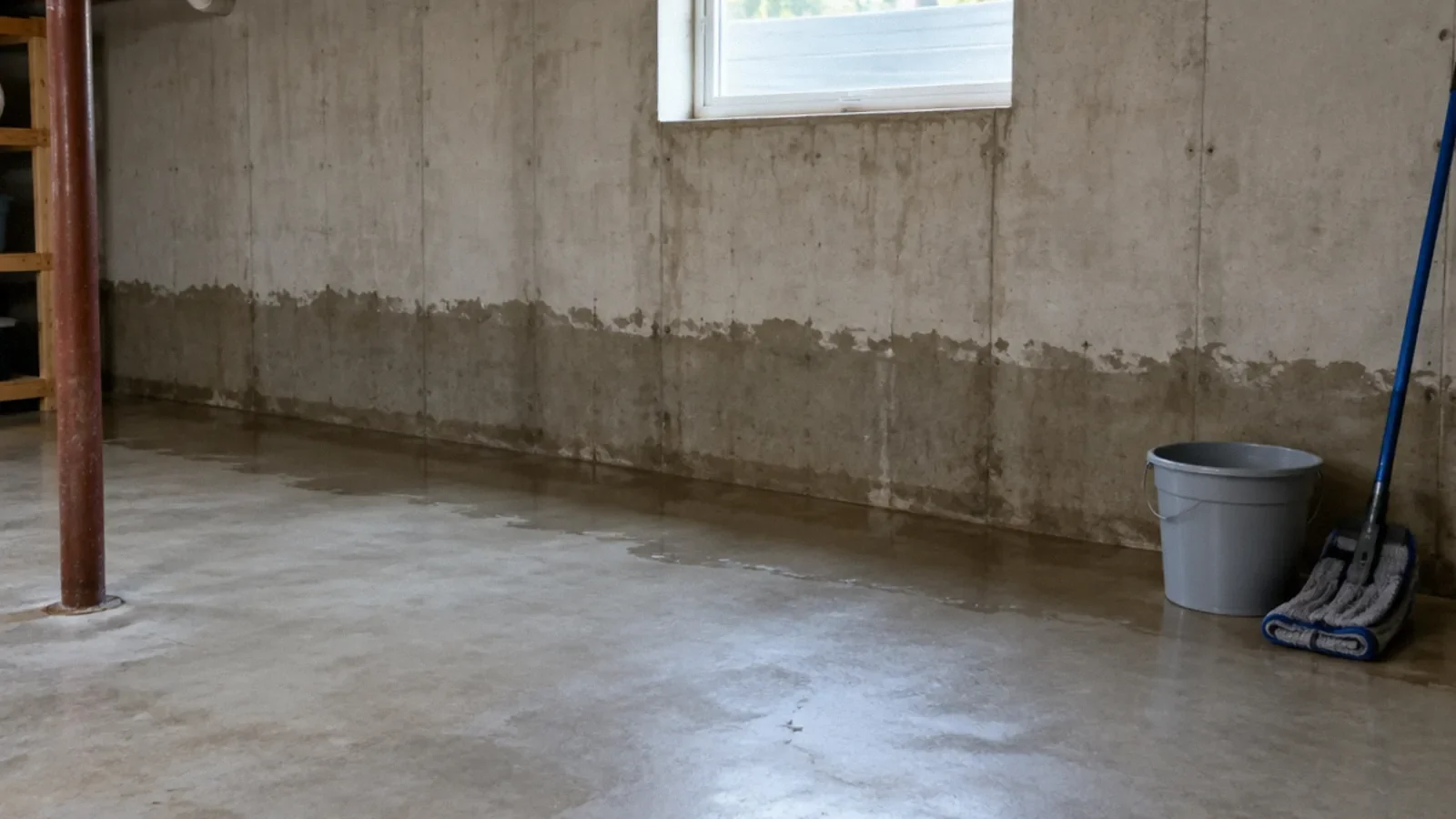
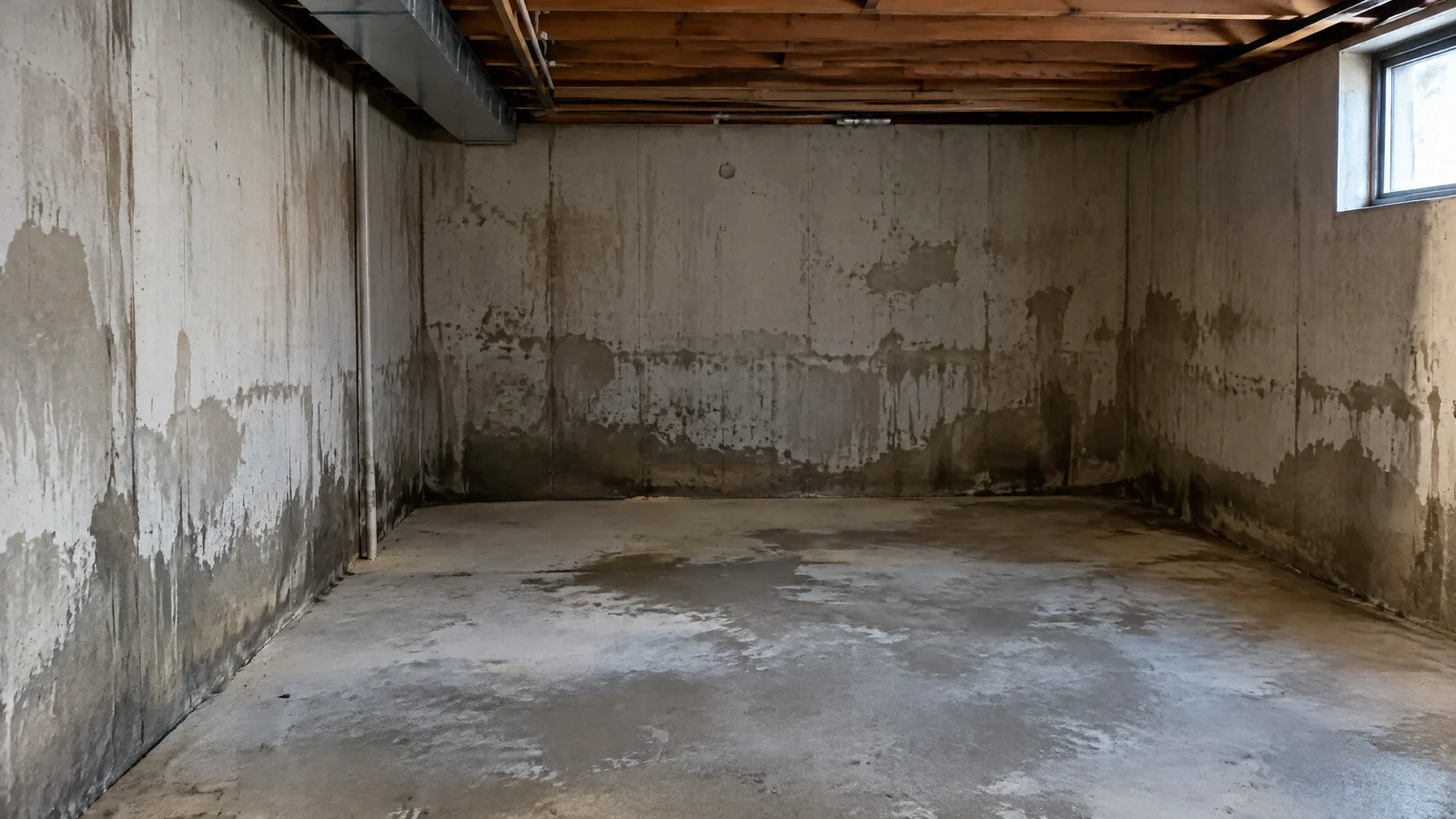
Once safe access is established, the inspection should follow water through the property rather than stop at the most obvious puddle. Wall bottoms, flooring transitions, cabinets, adjoining rooms, insulation and concealed cavities can retain moisture. Water may travel below a finished floor or between levels, so the visible boundary is not necessarily the full boundary.
Ask which areas were visually checked, which were measured and which could not be accessed. Moving contents or opening finishes may reveal additional damage; agree on who can authorize that work and how the opening will be repaired. A limited visual inspection cannot guarantee that every concealed area is dry.
Understand moisture readings
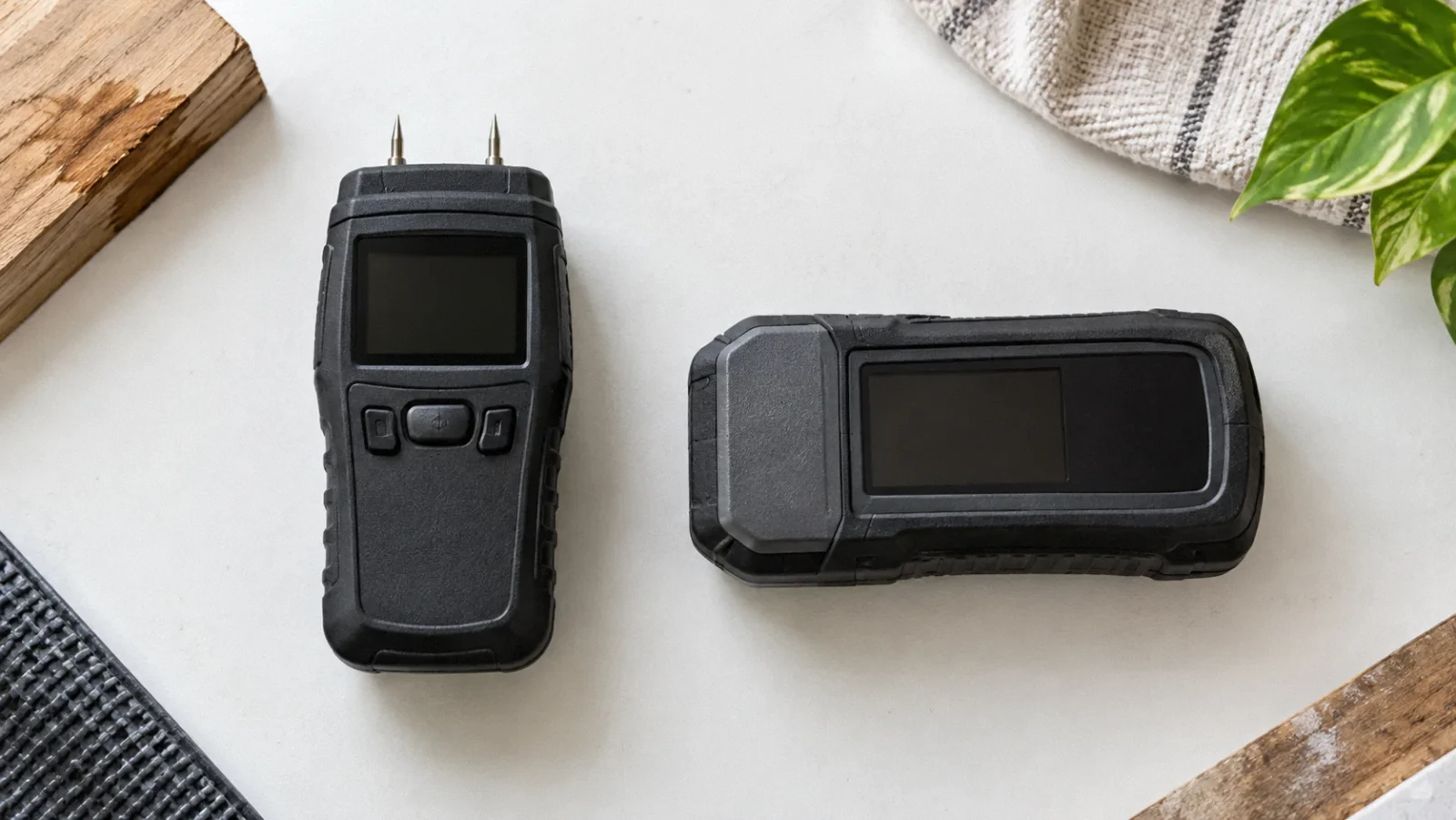
A moisture meter can help locate and track elevated readings, but a number needs context. Instrument type, settings, material, surface conditions and measurement location influence interpretation. Ask the inspector to document the device and locations and, where appropriate, compare readings with unaffected similar material and the drying plan’s criteria.
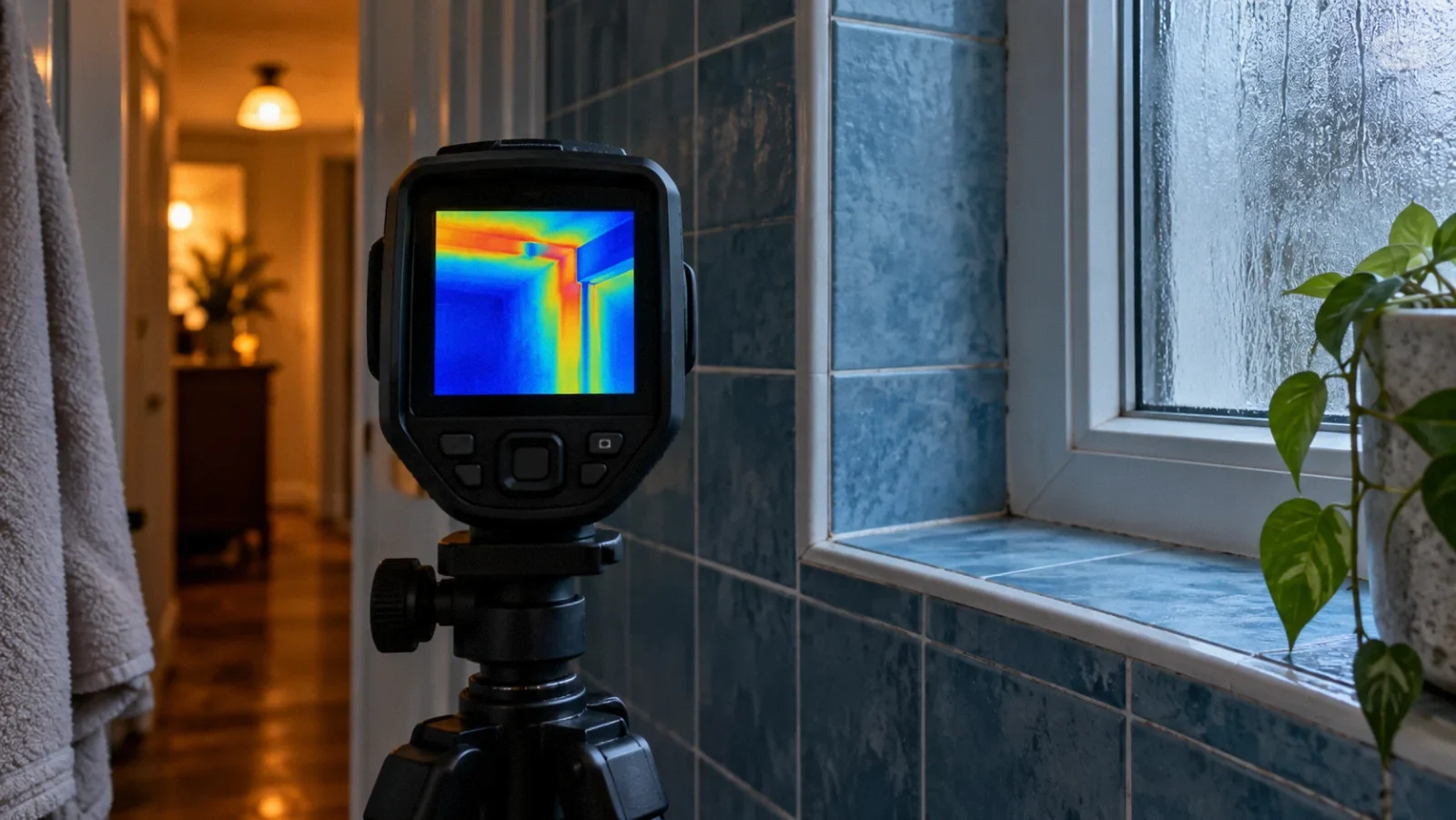
A thermal image can help locate temperature differences, but temperature alone does not prove the presence or absence of moisture. Readings are a snapshot: they do not identify every contaminant or establish structural safety. Repeated, documented measurements are more useful for tracking drying than a single unexplained number.
Separate salvage decisions from measurement
A wet material is not automatically salvageable simply because it can be dried. Flood or sewage contamination, duration of exposure, material construction and the ability to clean and dry it all matter. Porous items, insulation and damaged finishes may need removal. CDC notes that floodwater can be contaminated, and EPA notes that moldy absorbent materials may need replacement.
Ask the restoration professional to identify what will be cleaned, dried, removed or referred to another specialist, and why. Electrical equipment and appliances need qualified evaluation; do not switch them on as a test. Food exposed to floodwater or held at unsafe temperatures requires separate food-safety guidance.
Get a usable inspection record
A practical report identifies the date, property areas inspected, source as known, photographs, observed damage, measurement locations, affected materials, apparent hazards and access limitations. It should separate confirmed observations from suspected causes. Request a floor plan or marked photographs if the affected area is complicated.
If an insurance claim is involved, contact the insurer promptly and ask what documentation and authorization it requires. A restoration inspection does not itself determine coverage. Keep receipts, estimates and communications, and preserve damaged items when safe and when claim instructions require it. Do not delay necessary safety actions while waiting for a paperwork decision.
Plan follow-up
Ask who will stop the source, make utilities safe, remove contaminated material, monitor drying and verify that repairs can begin. If the initial inspection is limited by standing water, blocked access or intact finishes, schedule a reassessment after those conditions change. A change in scope should be explained and documented.
After work, retain the final drying records and photographs. Monitor previously wet areas for renewed dampness, staining or odor, and investigate recurrence. A finished surface or a single dry reading at an accessible point does not establish that every concealed material has been evaluated.
If a report recommends removal, ask how the contractor will protect adjoining areas and dispose of affected material. Record the basis for that recommendation and any constraints on inspection. Where separate specialists have not yet examined utilities or structural components, the report should clearly identify those referrals rather than imply clearance.
Your next-step checklist
- Wait for safe access and electrical clearance.
- Record water source, timing, water level and known contaminants.
- Request photographs, measurement locations and access limitations.
- Agree on removal, drying and specialist referrals in writing.
- Reinspect concealed areas if access or conditions change.
Related questions
Does a moisture meter detect mold?
No. It measures a property related to moisture; it does not identify mold or contamination.
Can an inspection determine insurance coverage?
The inspection documents conditions. Coverage depends on the policy and the insurer’s determination.
Does clear floodwater mean clean water?
No. Floodwater can carry sewage, chemicals and debris even when it looks clear.
Sources & context
Public guidance supports the principles in this article. The practical questions and examples are editorial interpretation, not a site assessment or a coverage decision. State-specific rules apply only where identified.
- CDC: Returning Home After a Disasterfederal guidance
- CDC: Reentering Your Flooded Homefederal guidance
- EPA: Mold and Moisture Controlfederal guidance