Stop an active leak if you can do so safely, inspect accessible fixtures and note when moisture appears. A no-use water meter test can indicate flow in a supply system, but it does not locate every leak or detect all drain and rainwater problems.
Respond to an active leak
If water is spreading, close the nearest accessible fixture valve or the main shutoff if you can reach it safely. Keep away from water near outlets, electrical panels and appliances. Do not touch wet electrical equipment or stand in water to operate a switch. Call a plumber for a leak you cannot isolate and an electrician or utility if electrical safety is uncertain.
For a ceiling that is bulging or a wall that is soft and unstable, keep clear and seek qualified help. Do not puncture a ceiling to release water. Photograph damage and record the time and conditions for the property owner or insurer, without delaying urgent steps to stop further damage.
Look for clues and note when they appear
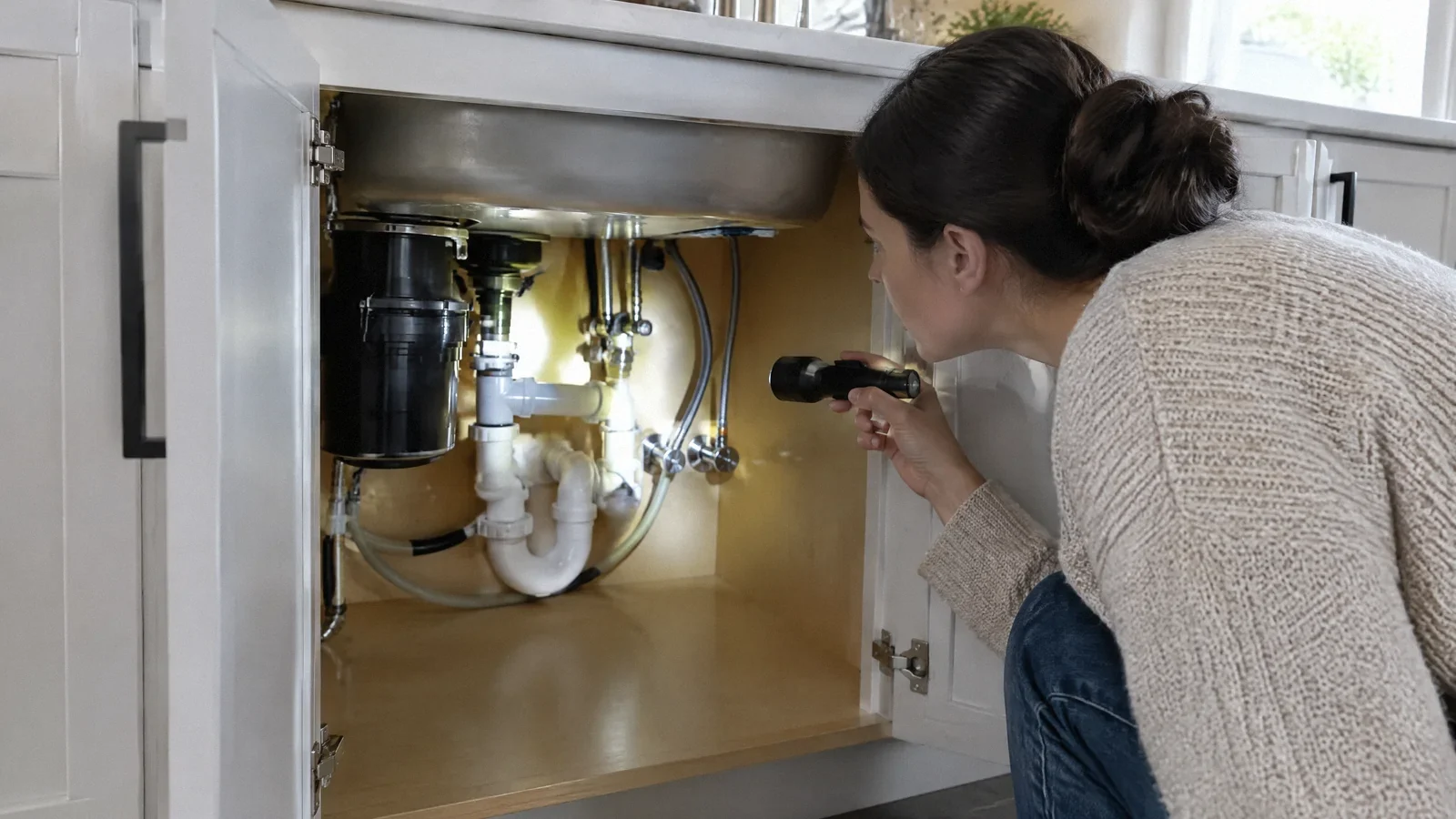
Inspect accessible locations with good lighting: beneath sinks, around toilet bases, at appliance hoses and connections, near the water heater and at visible pipe joints. Look for active droplets, damp cabinet floors, corrosion, swelling, peeling paint or staining. A musty smell can suggest dampness but does not establish its location or cause.
Record whether a mark appears after a shower, when a fixture drains, during irrigation, after rain or continuously. Fresh stains are useful clues, but water can travel along pipes and framing before it appears. A stain below a bathroom does not prove that the nearest pipe is leaking. Avoid opening walls or ceilings until hazards and the likely source are assessed.
Use the water meter as a screening test
First turn off all water-using fixtures and appliances, including irrigation and automatic refill devices, and make sure no one uses water during the test. Read the meter or its leak indicator, then check again after a period without use. EPA describes meter checks as a way to identify possible continuous water use. A moving indicator or changed reading suggests flow somewhere served by the meter.
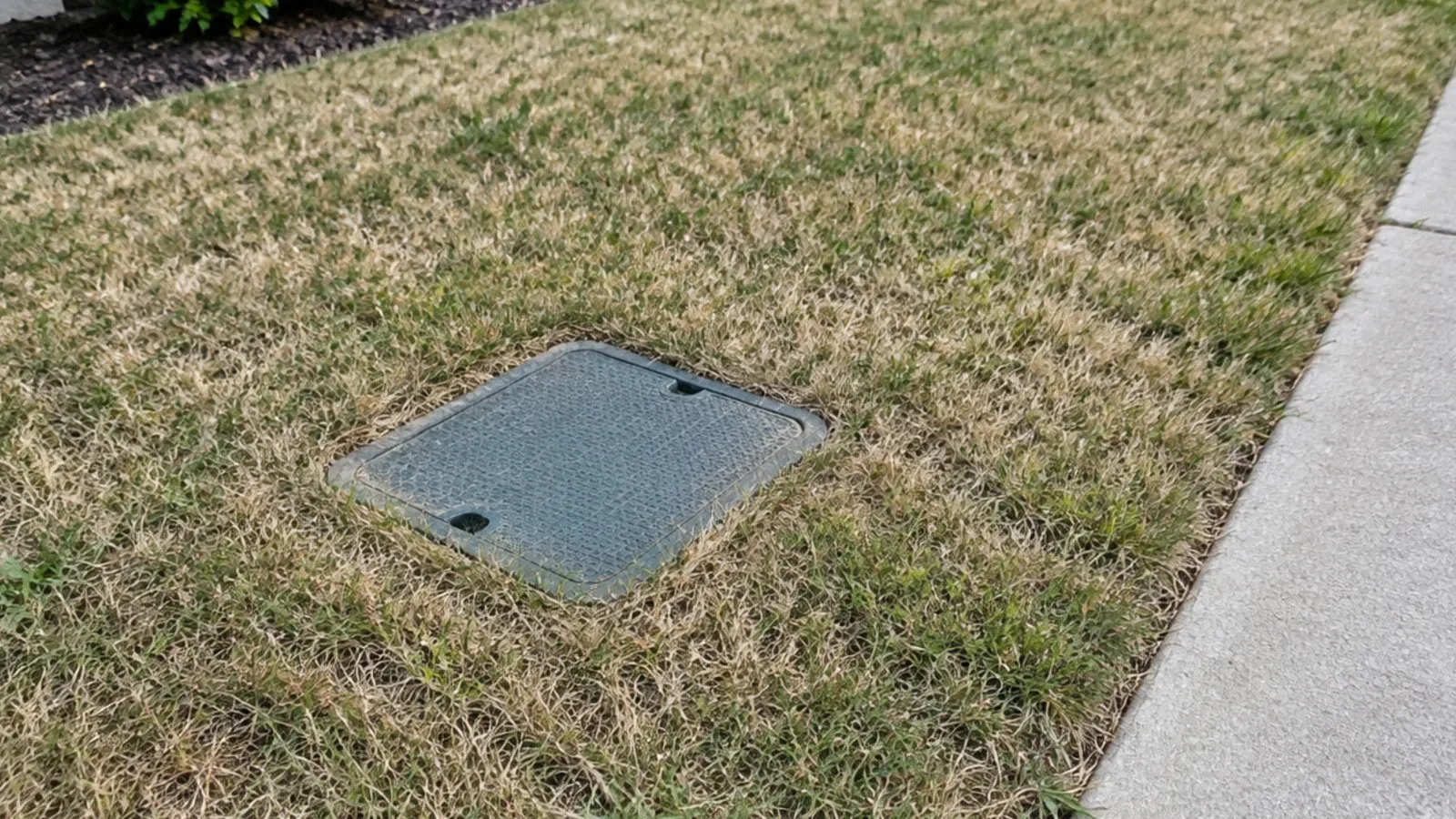
Interpret the result carefully. A continuous-use device, irrigation line or leak outside the house may affect the reading. A small intermittent leak may not register during a short test. A meter test cannot detect all drain leaks, roof leaks or condensation because these may not draw water from the supply at the time. Do not enter an unsafe meter pit or force a stuck valve.
Check fixtures and supply connections
Look for drips at faucets and exposed supply fittings. Place a dry paper towel under an accessible fitting and check it after normal use; water on the paper identifies an area to investigate, not necessarily the precise failed component. For a toilet with a tank, EPA recommends adding food coloring to the tank and checking whether color appears in the bowl without flushing. Flush within the recommended five to ten minutes to avoid staining.
A tankless commercial flushometer is different and should be checked according to its manufacturer. Do not adjust a concealed valve, pressure fitting or gas appliance on the strength of a dye test. If a fitting is actively leaking, isolate the supply if safe and arrange repair rather than tightening an unknown connection until it breaks.
Distinguish supply, drain and exterior water
Supply leaks can occur under pressure even when a fixture is unused. A drain leak may appear only while a sink, shower or appliance empties. If safe, observe accessible connections while another person briefly operates one fixture at a time. Stop if water spreads, a drain backs up or access exposes you to electricity or contamination.
Rain-related wetness can come from roofing, flashing, gutters or surface drainage rather than a pipe. Condensation on a cold pipe may look similar to a pinhole leak; note whether droplets form broadly on the cold surface during humid weather. These observations narrow the possibilities but do not replace inspection. Sewage odors or backups need a plumber rather than repeated testing with more water.
Know when specialized inspection helps
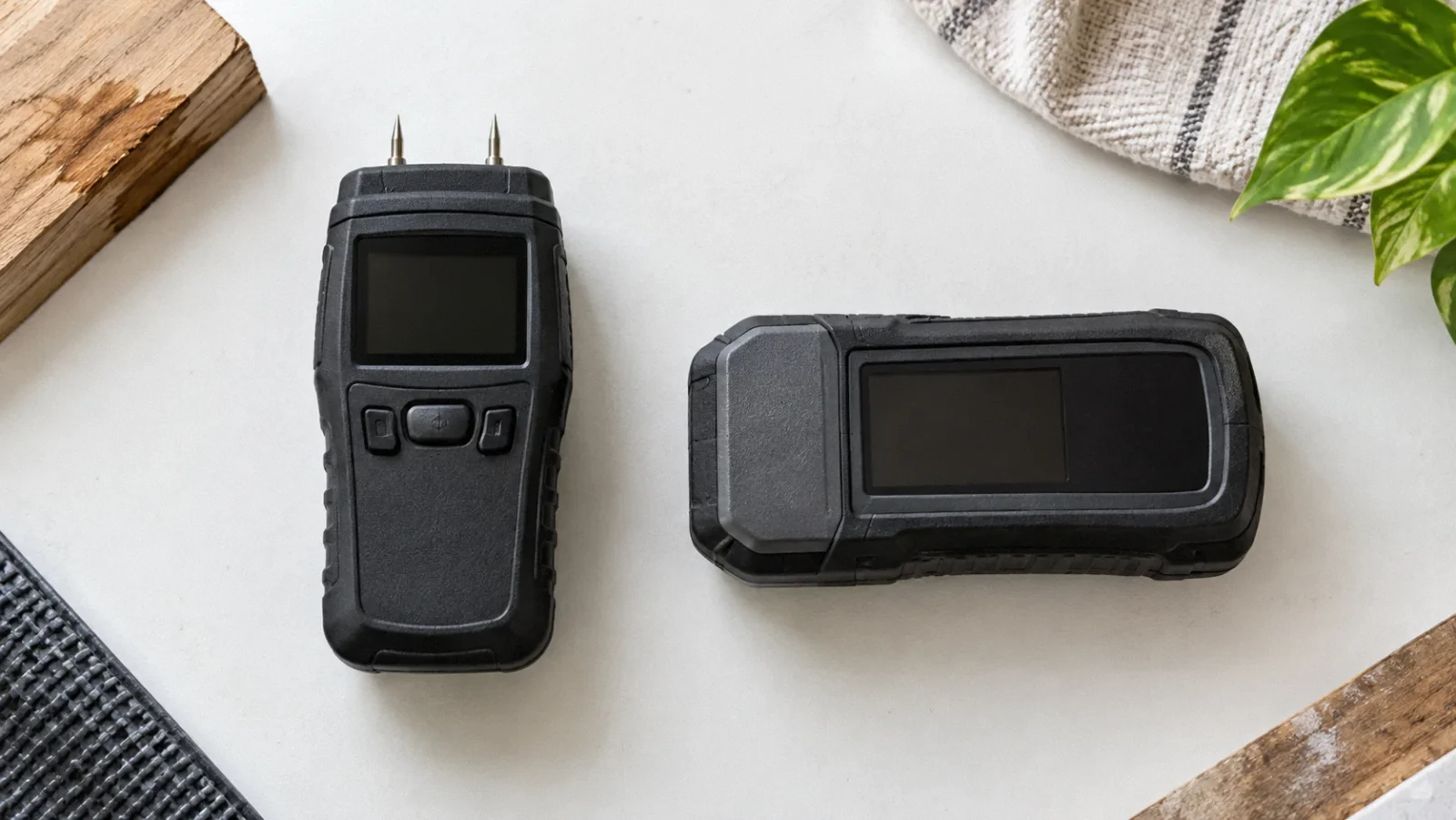
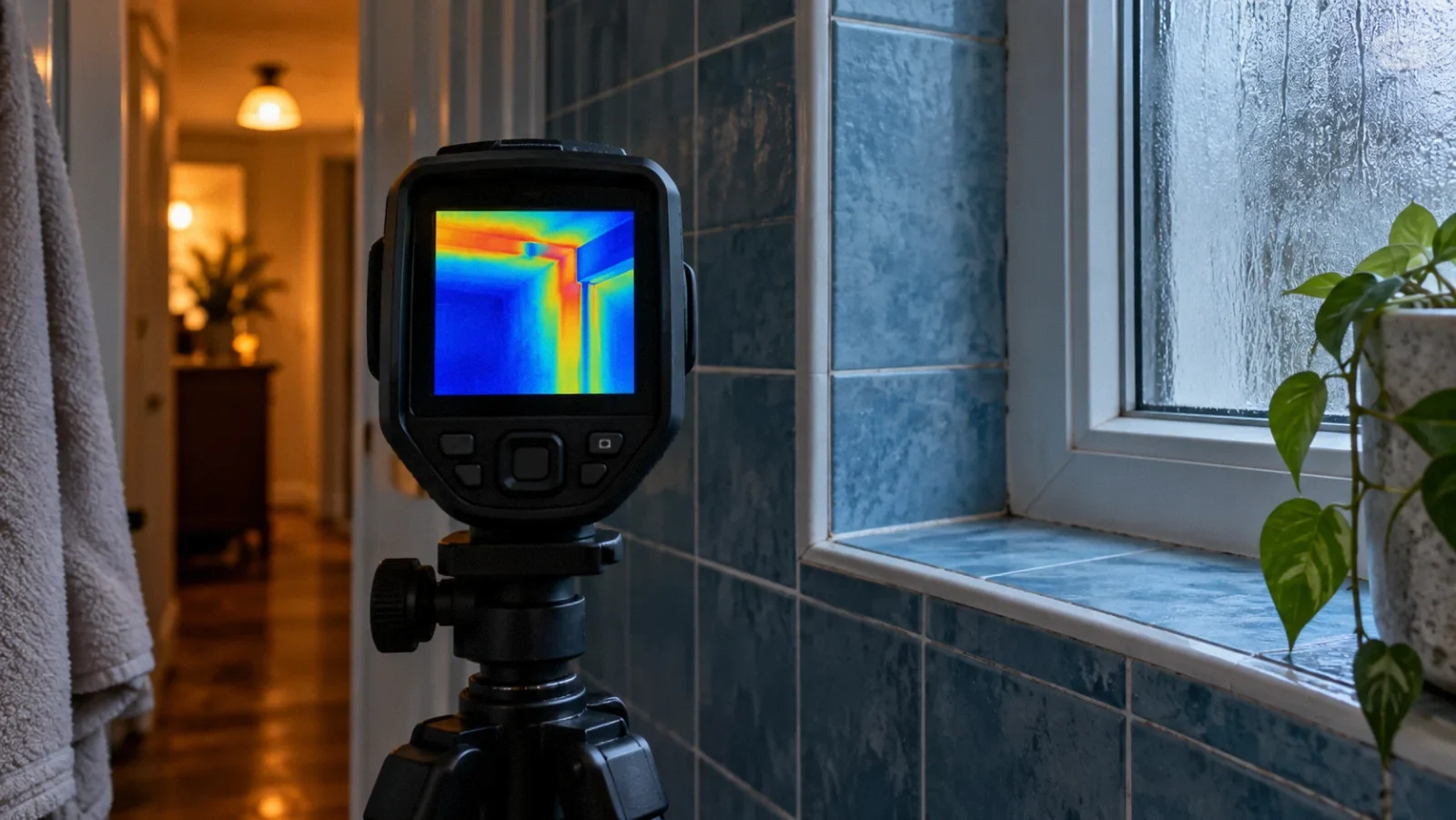
A plumber or leak detection specialist may use a moisture meter, thermal camera, pressure testing or acoustic tools. Each has limits: a moisture meter indicates conditions in the material it is suited to, while a thermal image shows temperature differences rather than identifying water on its own. Ask what evidence supports the proposed location before authorizing invasive opening.
Describe the meter test, the timing of the problem and any photos. Ask the contractor to explain how the water source will be verified and what will be done if the first suspected location is dry. If you rent or share walls and plumbing, notify the owner or building manager early; the source may be in another unit or a shared system.
After the source is found
Repair the cause and confirm the repair under the conditions that revealed the leak. An apparently dry connection immediately after work may still need observation during a full appliance cycle or after a later rainfall. Keep records of the findings and repair, including photographs taken before affected surfaces are closed.
Dry wet materials promptly and assess concealed moisture. Contaminated water, extensive damage, mold or wet electrical systems require qualified help. A repaired pipe alone does not establish that flooring, insulation or a wall cavity is dry enough to close or refinish.
Your next-step checklist
- Isolate active water only when safe.
- Photograph stains and note their timing.
- Inspect accessible fixtures and connections.
- Screen for continuous flow at the meter with all water use off.
- Arrange qualified inspection of hidden, contaminated or unsafe damage.
Related questions
Does a still water meter rule out a leak?
No. Intermittent leaks, slow leaks, drains and rainwater entry may not move the meter during a short test.
Can a thermal camera locate every leak?
It shows temperature differences, which can have several causes. Use it with other inspection and testing rather than treating a thermal image as proof of a leak.
Sources & context
Public guidance supports the principles in this article. The practical questions and examples are editorial interpretation, not a site assessment or a coverage decision. State-specific rules apply only where identified.
- Home Maintenancegovernment
- WaterSense Free of Water Leaks Technical Sheetgovernment
- Leak Detection and Flow Monitoring Devicesgovernment