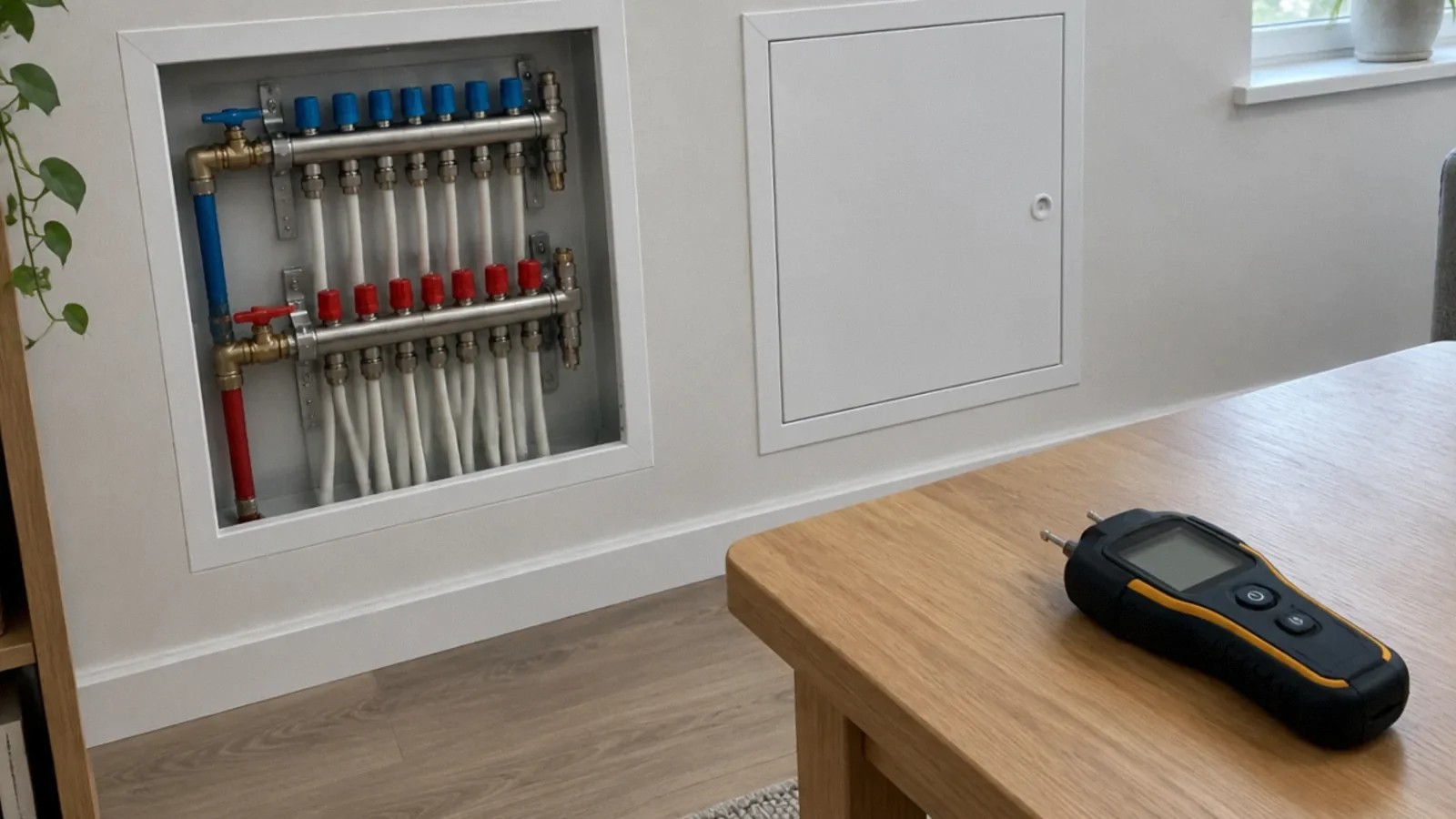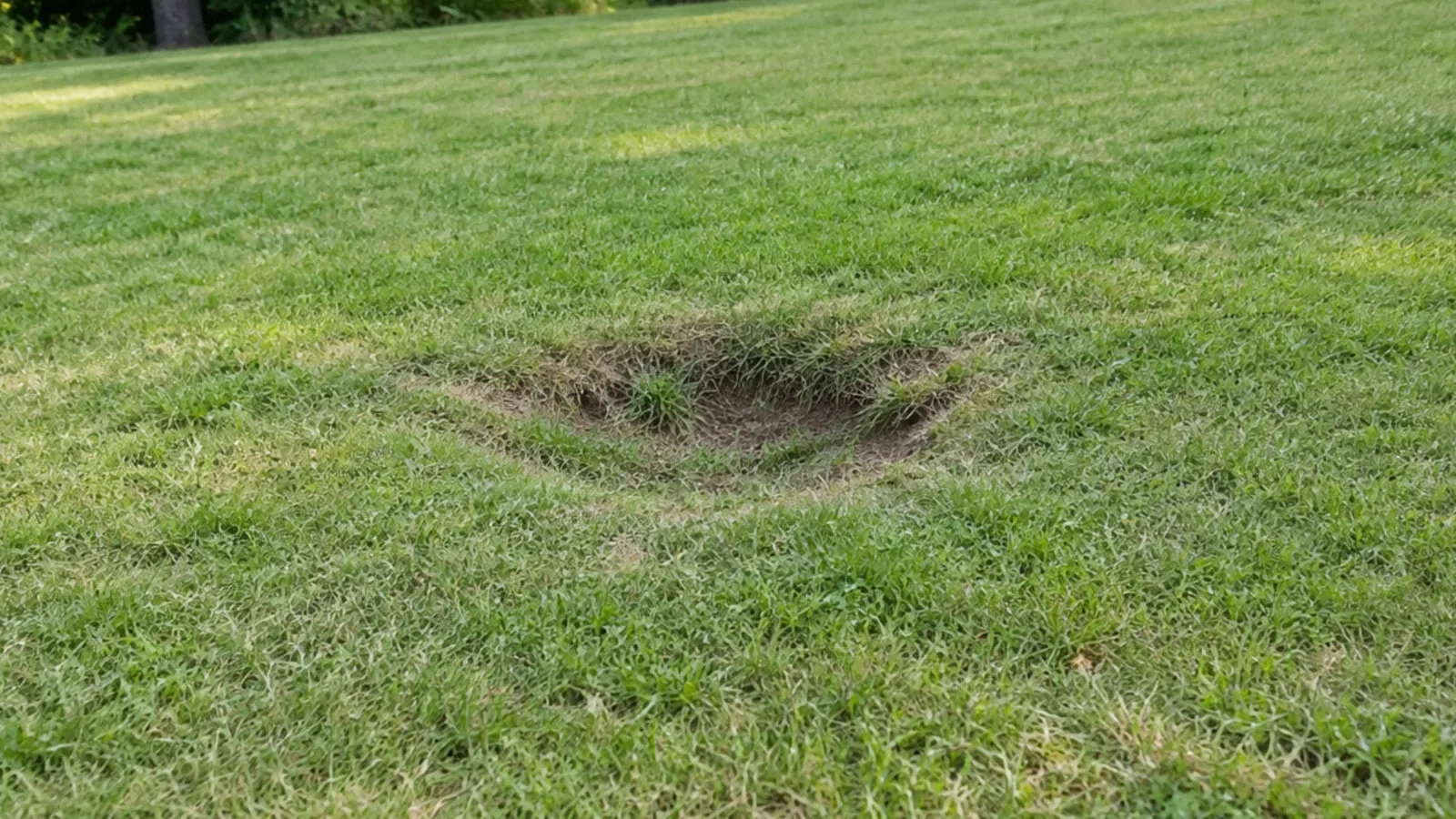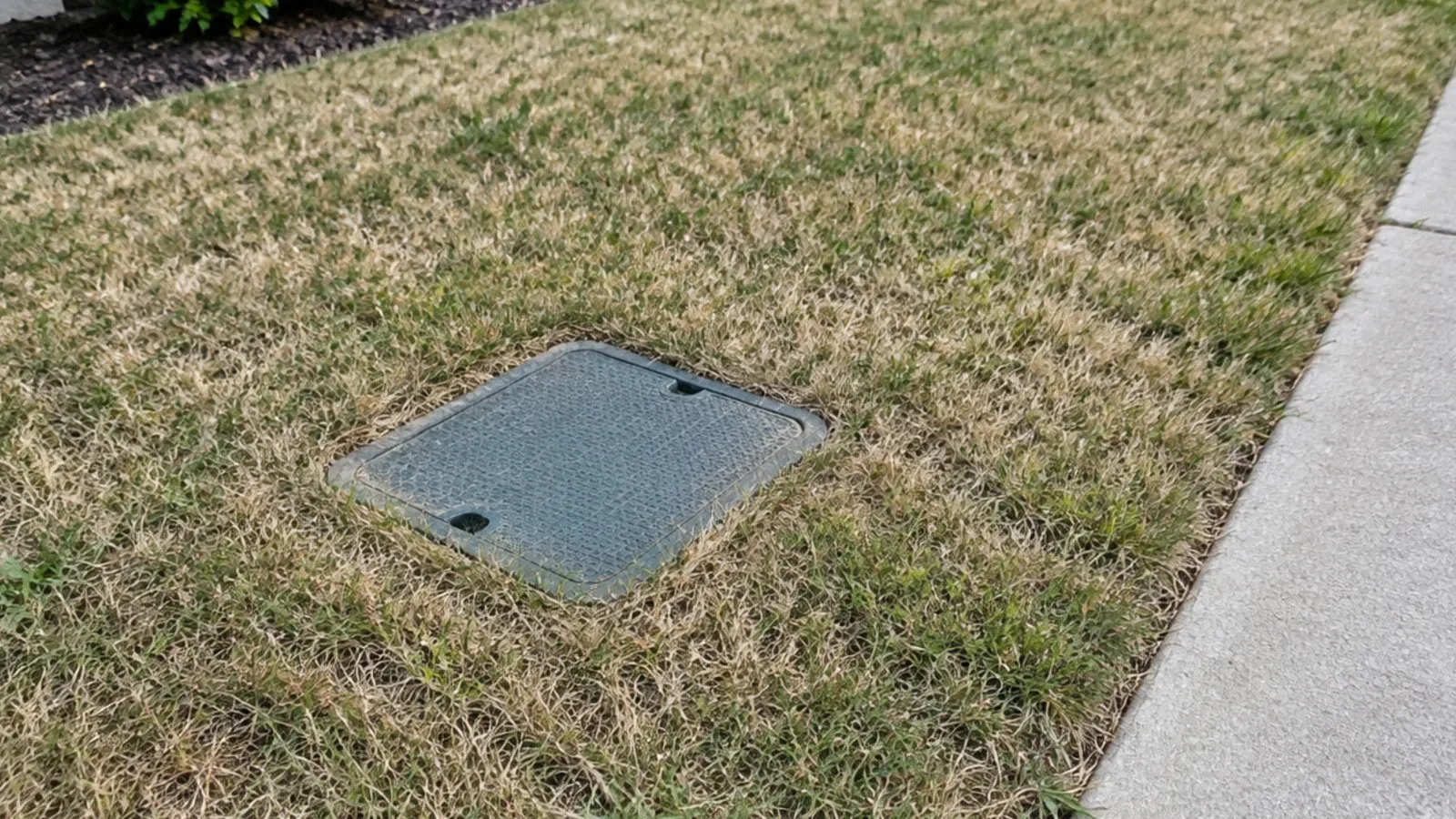
An unexplained wet area, a change in water use or reduced pressure can be a clue to a leak, but none proves that a buried water line is damaged. A water meter check may help identify unaccounted-for flow; it does not locate the leak. Contact the water utility or a qualified leak-detection professional and do not dig until underground utilities have been identified.
Notice the pattern, not just one sign
A wet patch during dry weather, unusual water use, the sound of running water or a change in pressure can prompt investigation. Irrigation, drainage, groundwater and plumbing leaks can create similar conditions. A green area of grass or a high bill alone does not establish that a buried pipe is leaking.
Record when the symptom occurs, whether irrigation or appliances were operating and any recent work in the area. Take photographs from a safe location. Avoid unstable ground, standing water near electrical equipment or an area where a gas leak is possible.
What a water meter check can show
EPA suggests reading the water meter, using no water for two hours and reading it again. If the reading changes, there may be a leak or an unnoticed use of water. Follow your utility’s instructions for accessing and reading its meter; do not open a locked or unsafe enclosure.
Turn off or account for scheduled irrigation, ice makers, treatment equipment and other automatic uses before drawing a conclusion. Meter resolution can limit detection of a small leak during a short interval. No change does not prove every pipe is sound, and a change does not show where the water is going.
Indoor and outdoor possibilities
A running toilet, dripping fixture, irrigation system or a supply line can all contribute to unexpected meter movement. A professional may use the property’s safely accessible shutoffs and system information to narrow the investigation. Do not force an old valve or operate a utility-controlled valve without authorization.
A wet lawn may also result from a drainage problem or a neighbor’s water, while a buried leak can occur without a visible wet area. The location of a puddle may not match the location of the pipe defect because water moves through soil and along trenches.
When to contact the utility
Contact the water supplier about a suspected service-line leak, an unusual meter reading or water emerging near public infrastructure. Responsibilities for the meter, service line and private plumbing differ by provider and location. Ask the utility to explain its boundary and reporting process.
If a line is damaged and water threatens the property, close a clearly identified private shutoff only if it is safe to reach and operate. Otherwise request help. In an apartment or shared property, notify the manager because a shutoff may affect other occupants.
Professional leak detection
A qualified professional may use listening equipment, pressure testing, meter observations or other methods suited to the pipe and site. Each technique has limitations. Ask which evidence supports the suspected location and whether the result is an estimate or has been confirmed by exposure.
Request a written scope describing access, testing, repair alternatives and restoration of paving or landscaping. If the first method does not locate the leak, ask how additional work will be priced. A detected wet area is not automatically proof that a whole line needs replacement.
Before any excavation
Do not dig around a suspected pipe to locate a leak yourself. Underground gas, electrical, communication, water and private lines can create serious hazards. Contact 811 before excavation and follow the applicable notice, marking and safe-digging procedures.
USA North 811’s California handbook warns that unidentified underground facilities may still be present even after utility members respond. Ask who will identify privately owned lines and how uncertainty will be managed. A utility mark is not permission to ignore safe excavation requirements.
If ground is unstable or gas is suspected
Stay away from a growing depression, sinkhole or undermined pavement; the void can extend beyond the visible edge. Keep others clear and contact local authorities or utilities if people, roads or buildings may be at risk. Do not enter or fill an unstable opening yourself.
If a natural gas leak is possible, leave immediately without operating switches, phones or vehicles near the suspected leak. From a safe location, call 911 and the gas utility. Do not attempt to find or repair a gas line while investigating water.
After the repair
Ask the contractor what was found, what pipe was repaired or replaced and how the repair was checked. Obtain records of the location, testing, permits or inspections where applicable, and any paving or landscape restoration. Contact the utility about billing or service questions.
Monitor safely for a return of the original symptom and retain photographs and invoices. If the meter continues to show unexplained use, further investigation may be needed. One repaired section does not prove that every other fixture or line is leak-free.
Your next-step checklist
- Record the timing and location of unexplained water.
- Use a meter check only according to the utility’s instructions.
- Contact the water supplier about responsibility and service lines.
- Call 811 and follow safe locating procedures before excavation.
- Keep away from unstable ground and suspected gas leaks.
Related questions
How can I tell if a water line is leaking underground?
Unexplained wet ground or water use can be a clue, but a qualified investigation is needed to locate the source.
Does a moving water meter prove the leak is underground?
No. It indicates possible unaccounted-for water use; fixtures, irrigation or other equipment may also be involved.
Can I dig to find a suspected leak?
Do not start digging without identifying underground utilities and following 811 and local safe-excavation requirements.
Who is responsible for the buried water line?
The boundary between the utility’s facilities and private plumbing varies. Ask your water supplier about the specific property.
Who should I call for a water leak in the yard?
Contact the water utility to determine whether the problem concerns its service line or yours, and a qualified plumber or leak-detection specialist for private piping. Avoid digging near utilities and call 811 before excavation.
Can a leak cause a high water bill?
Yes, but increased use, billing periods or other issues may also explain a change. Review the bill and ask the utility about a meter check. A plumber can investigate a suspected leak without assuming the location from the bill alone.
Who fixes a water main break?
Responsibility depends on whether the break is in the public main or a privately owned service line. Report a suspected public break to the water utility; a qualified plumber can assess private piping. Stay away from flooding, traffic and electrical hazards.
Sources & context
Public guidance supports the principles in this article. The practical questions and examples are editorial interpretation, not a site assessment or a coverage decision. State-specific rules apply only where identified.
- U.S. EPA: Finding household leaksfederal water guidance
- USA North 811: Utility locating and private linesutility locating guidance
- PG&E: Natural gas safetyutility safety guidance