A water leak can create three separate costs: wasted water, finding and repairing the leak, and repairing resulting property damage. The total depends on flow, duration, utility rates, access and materials. Get a local itemized assessment rather than assuming a single national price applies.
Separate the kinds of cost
A dripping faucet may add to a water bill and require a small repair, while a concealed supply-line leak can involve diagnosis, access, plumbing, drying and reconstruction. These are different line items. A high water bill does not by itself show the location of a leak or the cost to repair damage.
First deal with an active emergency safely. Avoid wet electrical equipment and standing water near power. If a clearly identified ordinary water shutoff can be reached safely, follow its instructions; a fire-protection system requires different procedures and qualified coordination.
Estimate the water lost
A rough estimate needs a measured or defensible flow rate and the duration of the leak. For example, one gallon per minute for one hour is 60 gallons. Multiply that volume by the applicable utility charges only after checking the bill’s units and rate structure. A guessed flow or duration makes the result uncertain.
Water utilities can use tiered prices, fixed charges and separate wastewater calculations. The marginal charge may change as usage rises. Ask the local utility how it bills additional water and whether any leak adjustment program applies; do not assume that a quoted per-gallon rate includes every charge.
Use the meter as a clue
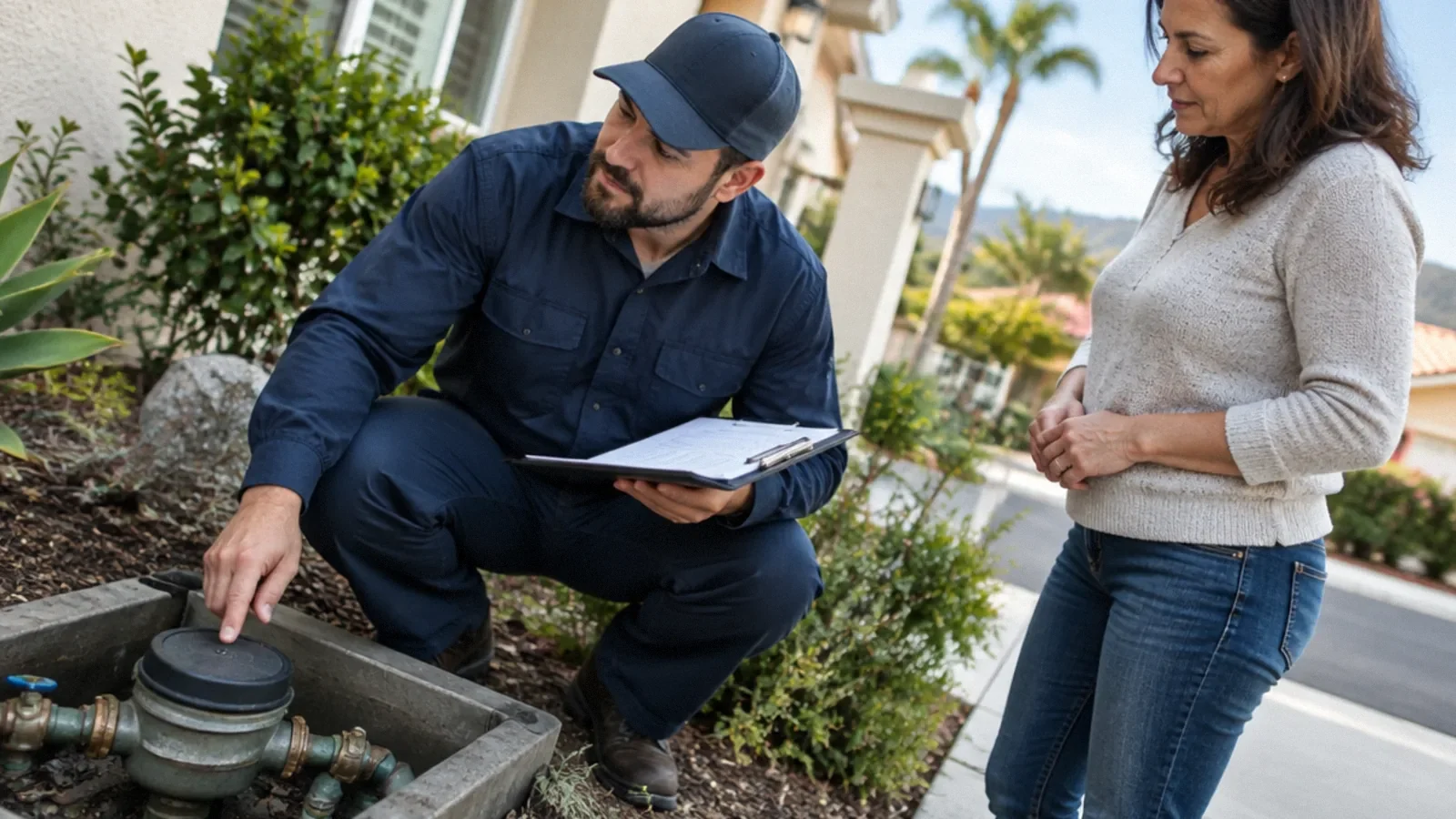
EPA suggests checking a water meter during a period when no water is being used. A change can indicate water use or a leak, but automatic irrigation, appliances, shared service and meter units can complicate interpretation. Record the readings and time rather than relying on memory.
Do not enter an unsafe meter vault or force a locked cover. A utility or plumber can explain access and interpretation. A meter check cannot locate a leak by itself, and a hidden leak may not run continuously during the observation period.
Leak detection and diagnosis
An estimate may include a visit, diagnostic time and specialized detection. The cost depends on whether the leak is accessible, intermittent, under a slab, in a wall or outdoors. Ask what is included, whether the diagnostic fee is credited to repair, and what additional access might be needed.
A detection method identifies evidence and has limits. Ask the professional to explain the basis for the proposed location and any uncertainty before opening finishes. Electrical hazards, shared systems and damaged fire-protection piping need appropriately qualified personnel.
Plumbing repair and access
A quote should identify the component, repair method, labor, materials, access and whether permit or inspection costs are included. A simple accessible valve repair is not equivalent to a concealed line replacement. The price can change after opening an area if additional damage is documented.
Ask for a written change-order process and alternatives where appropriate. Replacing a longer section may be sensible in some circumstances, but it should be supported by the system’s actual condition and a clear scope. Avoid comparing a low repair-only quote to one that also includes reconstruction.
Drying and property damage
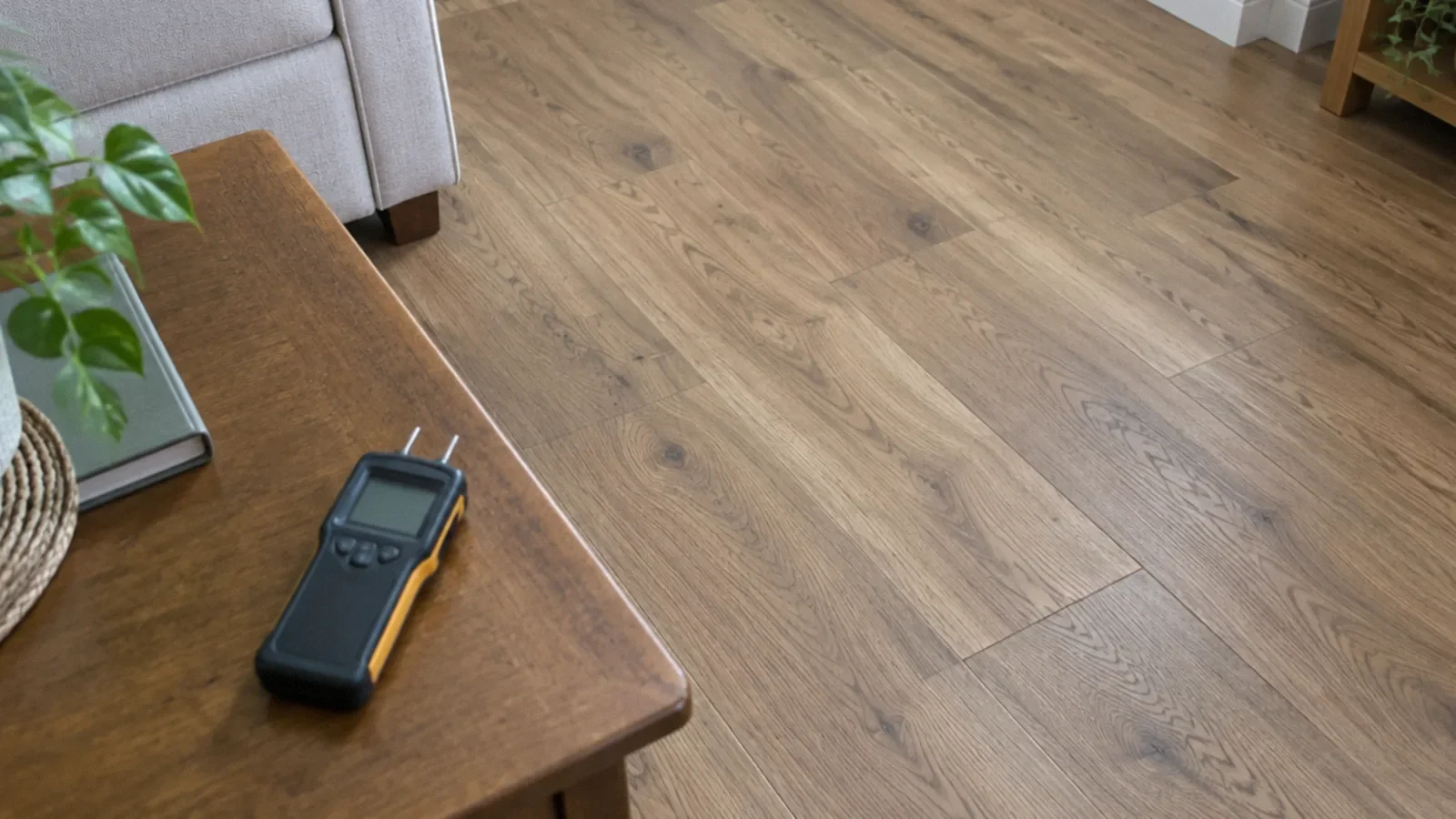
Water extraction, drying equipment, moisture monitoring, disposal and rebuilding are separate from fixing the pipe. Porous materials, contamination, access and the length of wetting affect the work. A surface that appears dry does not prove hidden assemblies are ready for new finishes.
Ask which rooms and materials will be assessed, how drying progress will be documented and whether finish repairs are included. A contractor should explain why material removal is proposed. Keep estimates and final invoices separate so you can see what actually changed.
Insurance and utility questions
Contact the insurer promptly if a claim may be appropriate, and document damage safely. Coverage for the source repair, resulting damage, gradual leakage or a deductible depends on the actual policy and circumstances. An estimate alone does not establish that a claim will be paid.
Ask the utility about its current leak adjustment rules and required evidence. Some utilities have conditions or deadlines, and an adjustment is not guaranteed. Preserve meter records, the repair invoice and dates of discovery and repair for any review.
Compare local estimates
Request an itemized written scope from a qualified provider: diagnosis, access, pipe work, disposal, permits, drying and reconstruction where applicable. Note emergency hours, exclusions and the process for approving new work. Ask what happens if the expected leak is not found at the proposed location.
A national average cannot predict a Bay Area bill for a specific building. Compare estimates on the same scope and ask for clarification on unknowns. The right immediate action is to stop ongoing damage safely and get a diagnosis, not wait for a generic online calculator.
A high water bill: compare use before assuming a leak
Compare usage and billing dates with the same season last year, allowing for visitors, irrigation and estimated readings. Record the meter reading when all known water use is off and check it again after the utility-recommended interval, without entering an unsafe vault. Movement suggests unaccounted use but does not locate a leak; intermittent leaks can be missed. Ask the utility to review the bill and adjustment requirements, and save the repair invoice and readings. A higher tariff or billing period can also increase a bill without a leak.
Your next-step checklist
- Stop an active leak only if the shutoff is safe and identified.
- Record meter readings and bill units.
- Ask for an itemized diagnostic and repair quote.
- Separate pipe work from drying and reconstruction.
- Check the policy and local utility rules.
Related questions
How much will a water leak add to my bill?
It depends on the volume lost, duration and utility rate structure. A measured flow and current local tariff allow a rough estimate.
Does a plumber’s quote include water damage restoration?
Not necessarily. Ask whether drying, material removal and reconstruction are included.
Can a water meter find the leak location?
A changing meter can be a clue to unaccounted water use but does not identify the precise location.
Will insurance pay for every leak?
No. The cause, policy terms and resulting damage determine coverage.
Sources & context
Public guidance supports the principles in this article. The practical questions and examples are editorial interpretation, not a site assessment or a coverage decision. State-specific rules apply only where identified.
- EPA: Home water maintenancefederal water efficiency guidance
- EPA: Leak detection and flow monitoringfederal water efficiency guidance
- EPA: Mold and moisturefederal moisture guidance