Routine plumbing maintenance starts with finding active leaks, knowing where shutoff valves are and checking accessible fixtures and connections. The right schedule depends on the home and equipment. Avoid invasive or unsafe work, and ask a qualified plumber to investigate recurring leaks, sewage backups or uncertain shutoffs.
Start with an inventory
Locate the main water shutoff and identify accessible shutoffs serving sinks, toilets and appliances. Label them clearly if appropriate, and make sure other household members know where to find the main valve. Do not force an old or corroded valve: ask a plumber to assess it.
Record the location and age, when known, of the water heater, supply hoses and other equipment. Save manufacturer instructions and previous service reports. An inventory makes it easier to describe a problem and plan maintenance, but it cannot reveal the condition of concealed pipes.
Inspect visible fixtures and connections
Look under sinks and around toilets, tubs and exposed piping for drips, staining, corrosion or damp materials. Check after normal use when it is safe to do so, and distinguish an active leak from an old stain. A small repeated drip can wet a cabinet or floor over time.
Do not reach into an area where water is close to electrical equipment. If a fitting is actively leaking, use a clearly identified shutoff only if it is safe and accessible, then arrange repair. Avoid repeatedly tightening an uncertain or damaged connection.
Kitchen sink and drain
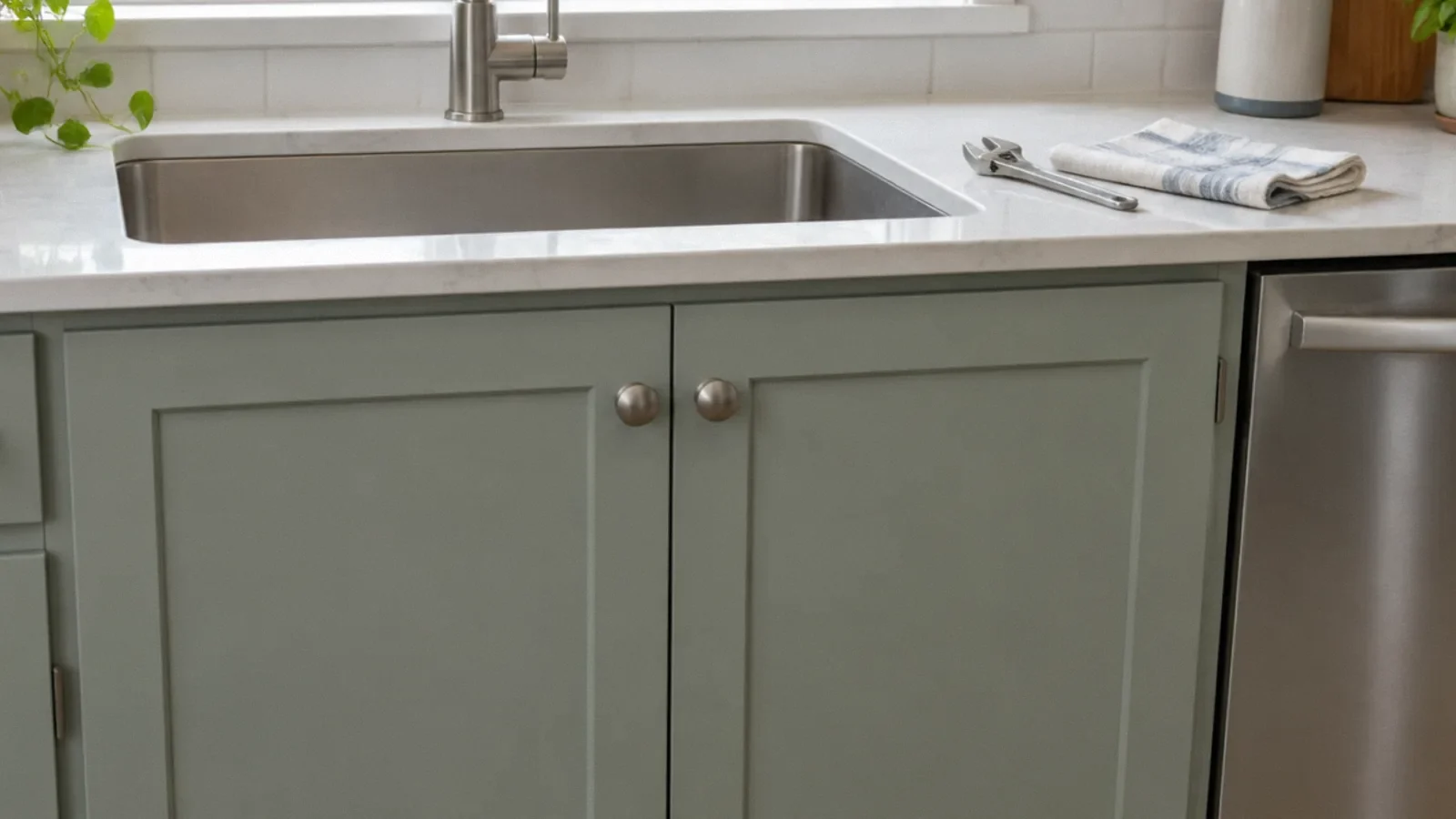
Check accessible connections beneath the kitchen sink and keep the cabinet clear enough to notice moisture. Dispose of cooking grease appropriately rather than pouring it down the drain. A disposal, if present, should be used and maintained according to its manufacturer’s instructions.
Slow drainage may come from a fixture trap, branch line or another part of the system. Avoid mixing drain chemicals or adding one product after another. If water backs up, stop using the affected fixture and ask a plumber to identify the obstruction and a suitable clearing method.
Bathrooms and toilets
Look for a toilet that runs continuously, water around its base, dripping faucets and signs of leakage around showers or tubs. A dry exterior does not prove that a concealed drain or wall assembly is sound, so investigate recurring stains or odors.
Caulk and grout can deteriorate, but applying a new surface layer without identifying the source may conceal a leak. Keep a record of when water appears and which fixture was in use. A plumber or appropriate building professional can distinguish supply, drain and enclosure problems.
Water heater and appliance hoses
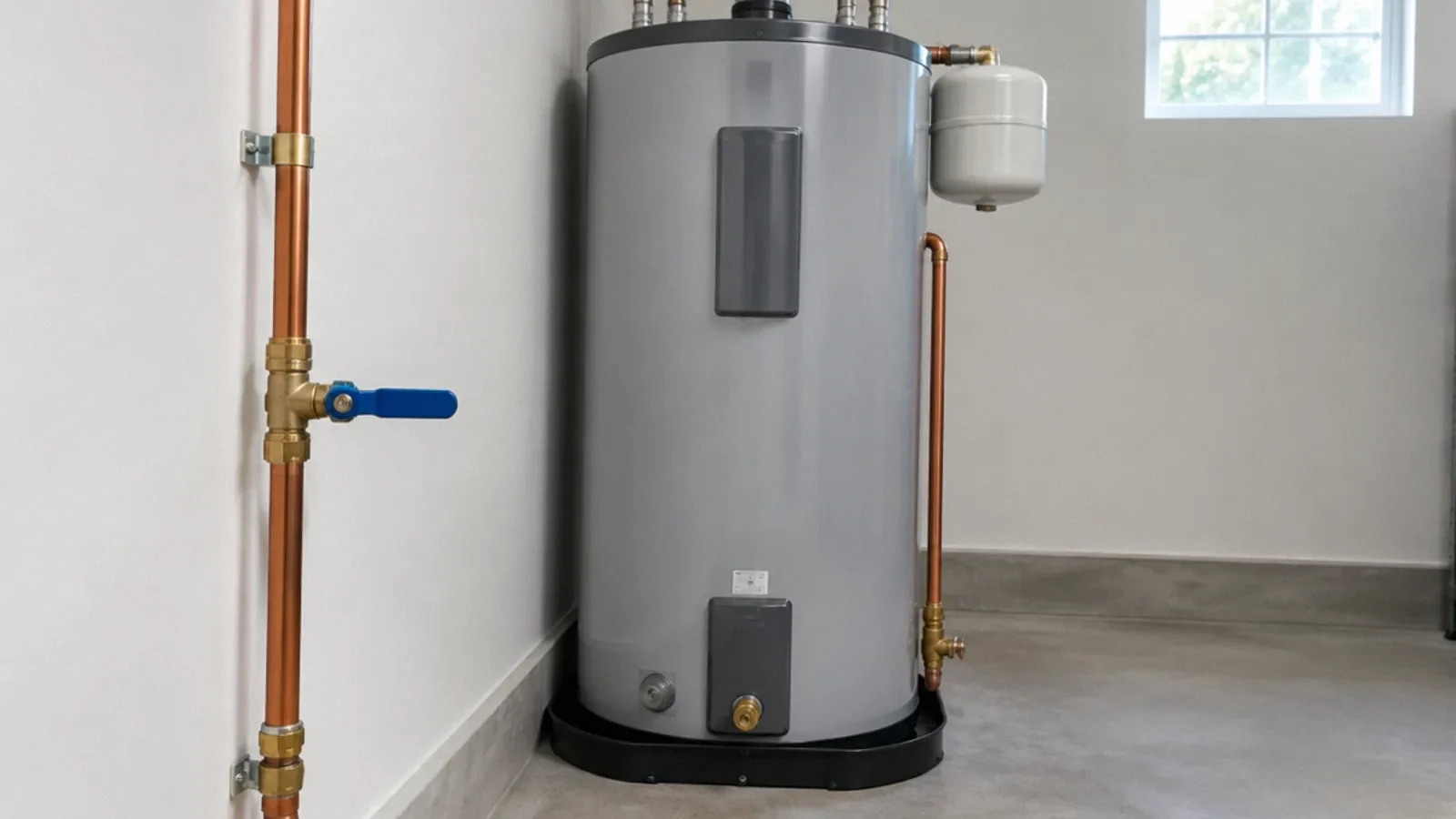
Observe the accessible area around the water heater and laundry appliances for moisture or corrosion. Follow the equipment manufacturer’s maintenance and replacement instructions; the useful life of a hose or component varies with the product and conditions.
Do not touch wet electrical equipment or cap a water heater relief discharge. If the heater is leaking, keep clear of hot water and request qualified service. Leave and call the gas utility or emergency services from outside if you suspect gas.
Seasonal and outdoor checks
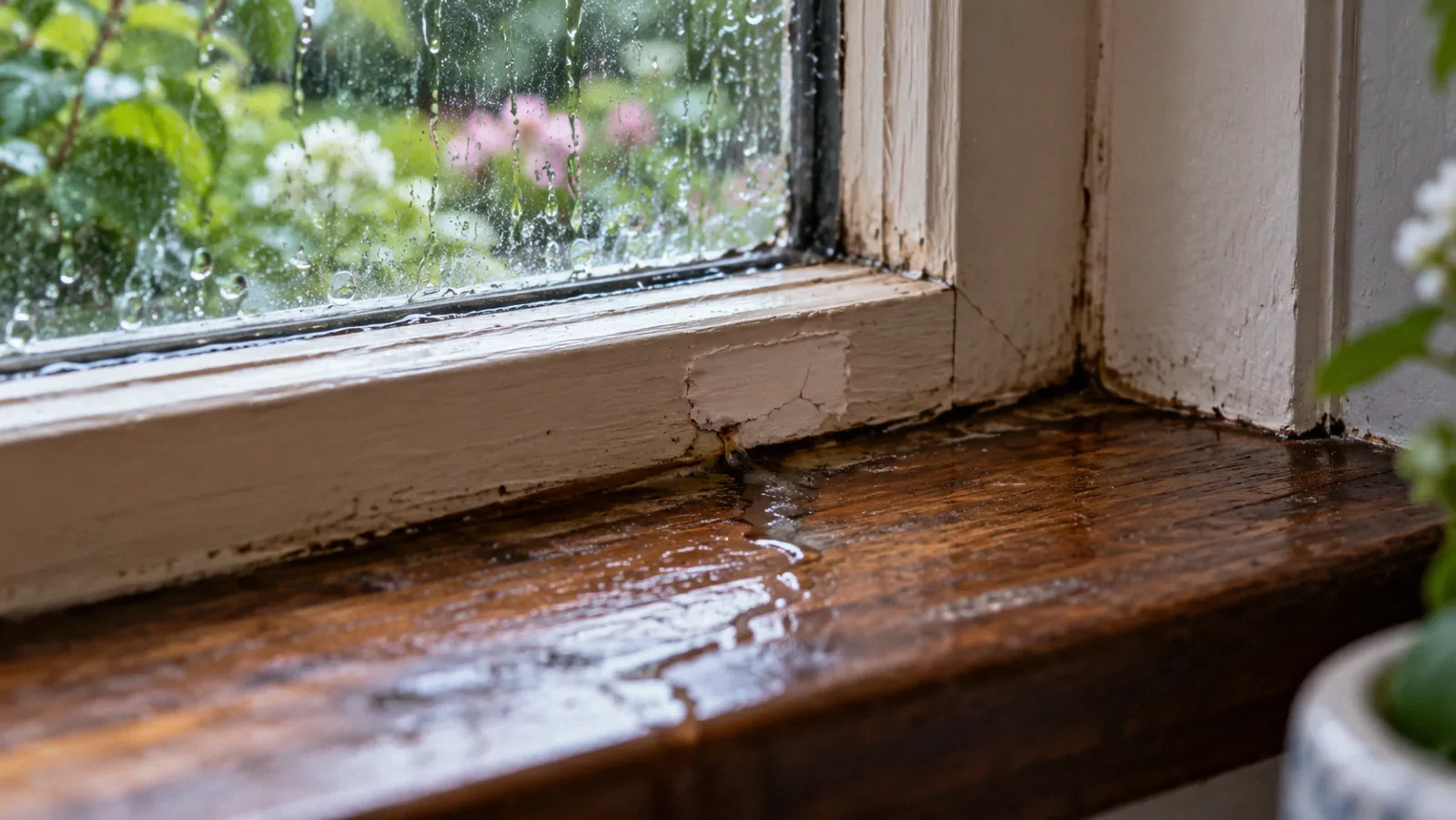
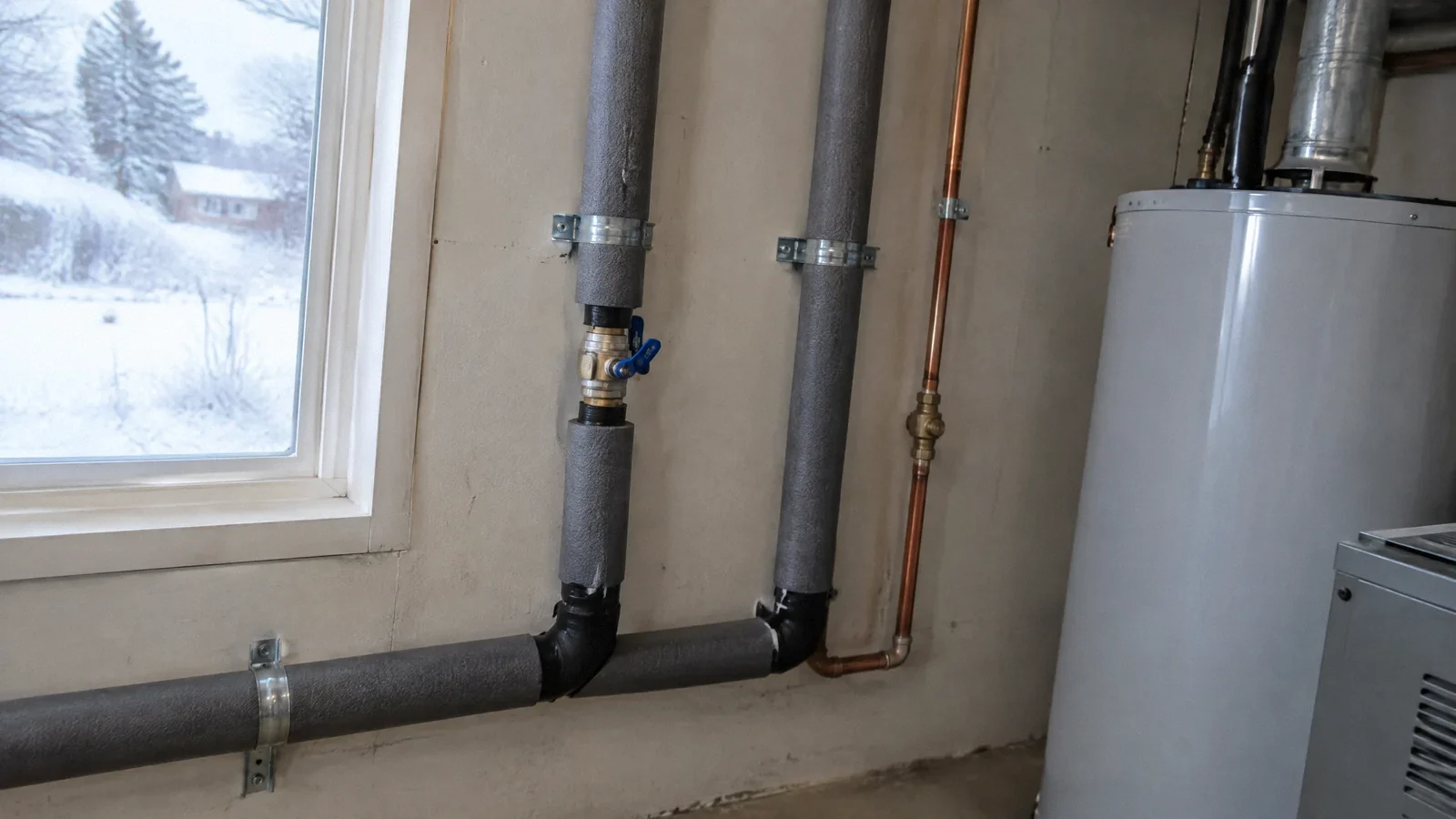
Before cold weather, follow local guidance for protecting vulnerable pipes and outdoor faucets. In rainy periods, watch for drainage problems and water entering near the foundation. Site conditions and climate differ, so a calendar reminder should prompt an inspection rather than guarantee protection.
A sump pump, backflow device or other specialized system may require its own inspection and testing plan. Follow manufacturer instructions and local requirements. Keep discharge routes clear where this can be done safely and ask a professional to evaluate repeated failures.
When to call a plumber
Arrange help for a recurring leak, a valve that will not close, a sewage backup, unexplained water pressure changes or a repair that requires opening walls or working on concealed piping. For water near electrical equipment, unsafe gas conditions or structural damage, contact the appropriate qualified emergency or building professional.
Request a written scope that identifies the suspected cause, proposed repair, cleanup, price and how unexpected work will be handled. Ask about credentials and permits where applicable. A durable repair addresses the cause and affected materials, not just the visible stain.
Build a useful maintenance record
Log the date, location, symptoms and action taken. Keep photographs of accessible areas, invoices and any information about shutoff locations. Note whether a repair stopped the symptom and whether conditions returned after rain or fixture use.
Review the record periodically to spot patterns and arrange the next assessment. Avoid a rigid promise that every component must be replaced on the same schedule: manufacturer guidance, local conditions, observed wear and professional advice are better grounds for deciding.
Plan replacement by condition
There is no single replacement interval for every plumbing component. Record material, age, visible condition and manufacturer recommendations, and ask a plumber to assess recurring leaks or corrosion. For cold-weather preparation see the winter plumbing guide; the maintenance record remains useful throughout the year.
Your next-step checklist
- Identify and label accessible water shutoffs.
- Check visible fixtures, hoses and cabinets for leaks.
- Keep grease and unsuitable products out of drains.
- Investigate recurring stains, backups and valve problems.
- Save service records and follow equipment instructions.
Related questions
How often should plumbing be checked?
The useful interval depends on the home, equipment and conditions. Inspect accessible areas routinely and investigate new symptoms promptly.
Should I force a stiff shutoff valve?
No. A corroded or stuck valve can be damaged. Ask a plumber to assess it.
Can regular maintenance prevent every leak?
No. It can help find or reduce some problems, but concealed defects and sudden failures can still occur.
What should I do about a sewer backup?
Stop using affected fixtures, keep people away from contaminated water and contact the appropriate professional or utility.
How often should plumbing be replaced?
There is no universal interval. Material, condition, local water chemistry, use and repair history matter; ask a qualified plumber to assess the system.
Sources & context
Public guidance supports the principles in this article. The practical questions and examples are editorial interpretation, not a site assessment or a coverage decision. State-specific rules apply only where identified.
- U.S. EPA: Fix a Leak Weekfederal water guidance
- U.S. Department of Energy: Operations and maintenance of water equipmentfederal guidance
- U.S. EPA: Mold prevention and maintenancefederal guidance
- U.S. EPA WaterSense: Home maintenanceprimary guidance