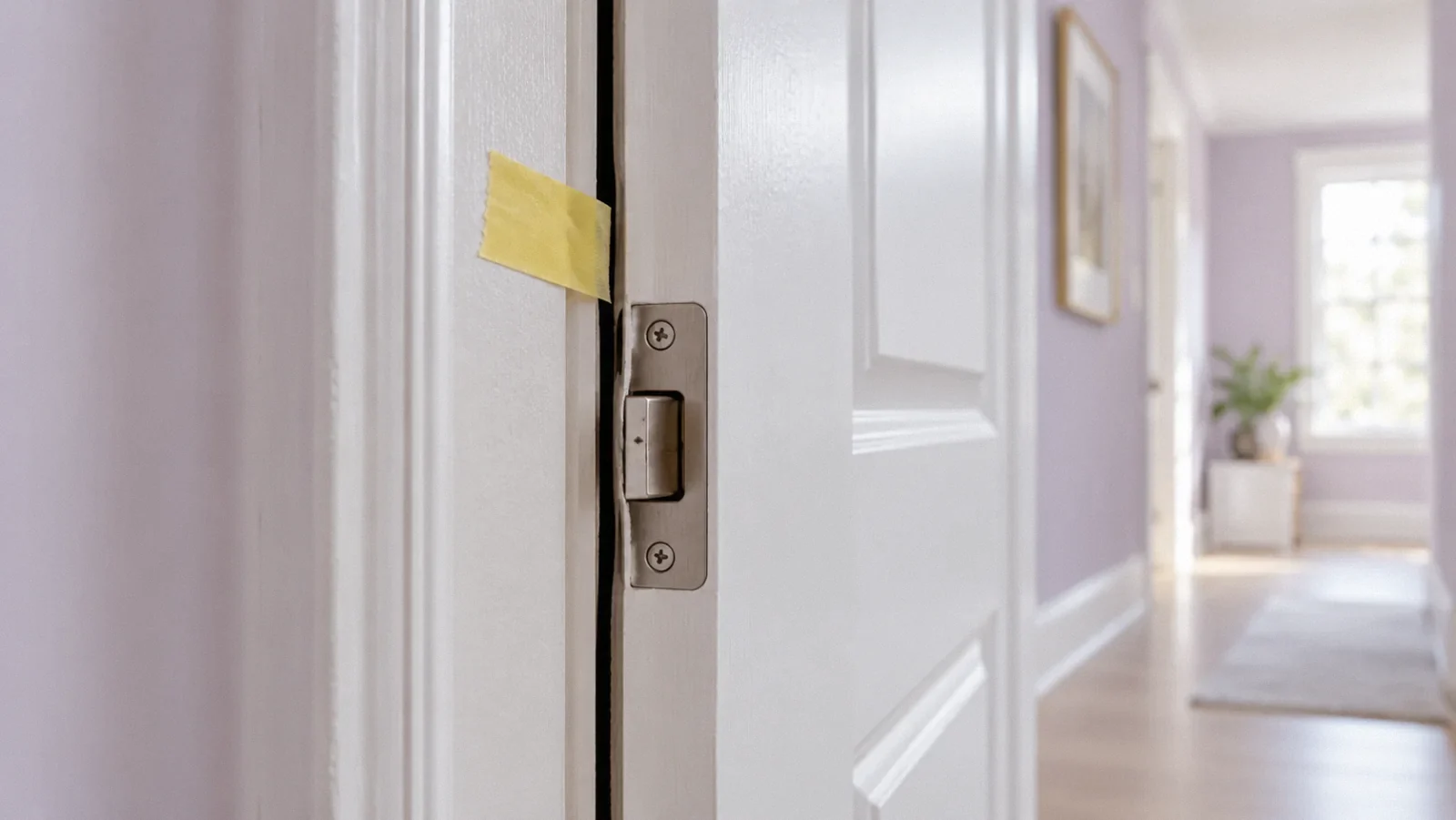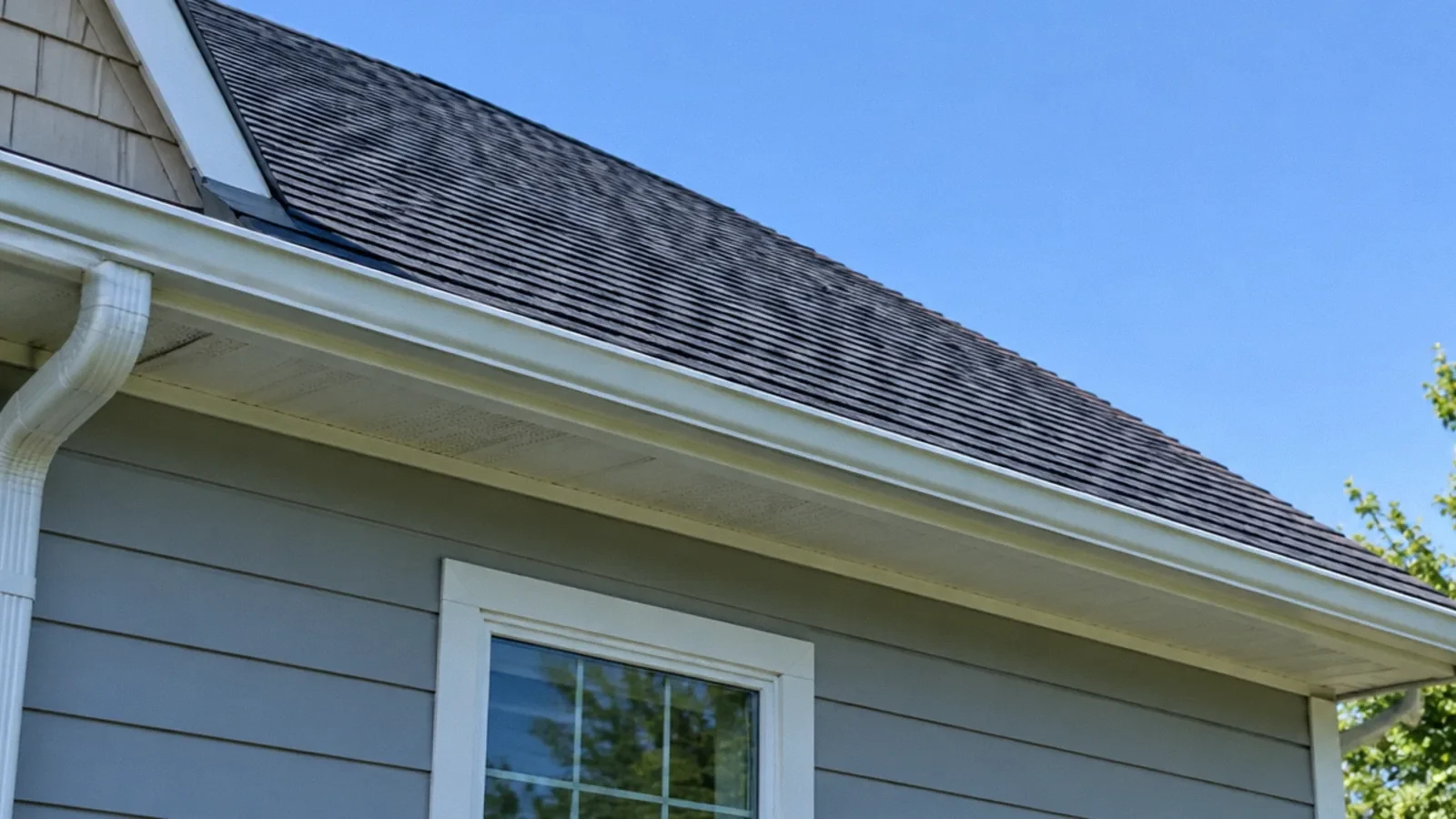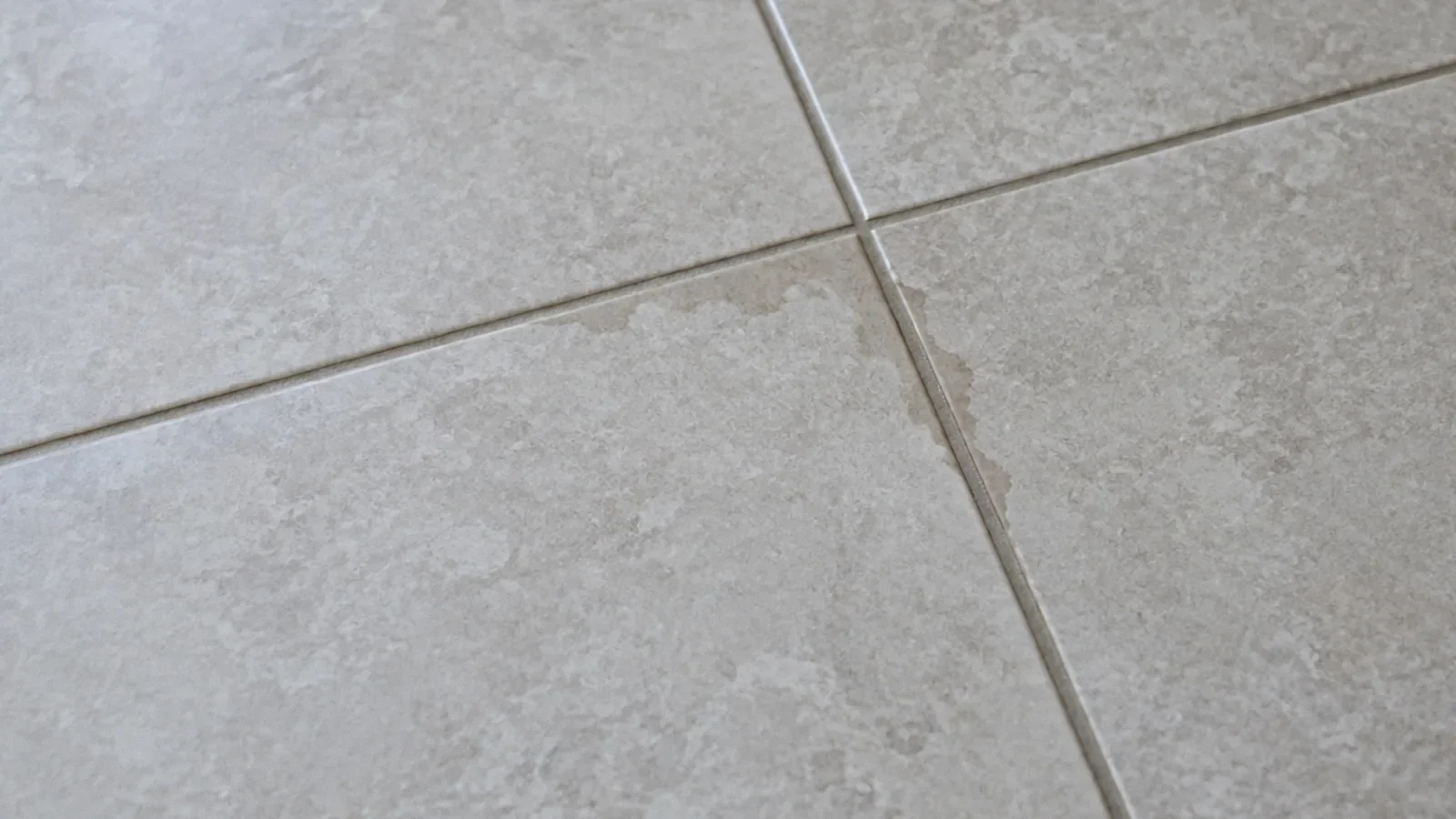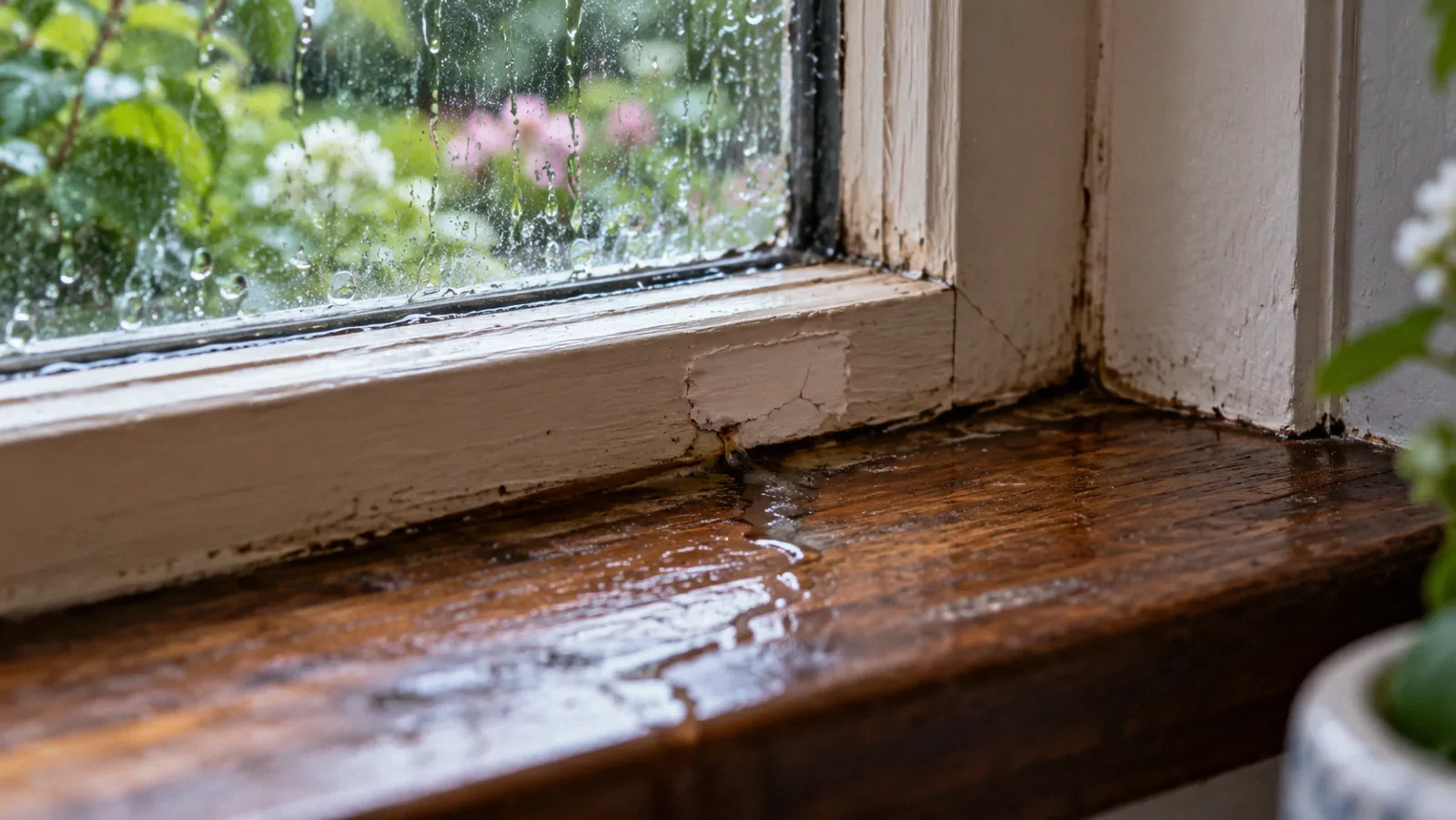
A recurring leak needs a documented cause-and-test approach. Separate the water source, entry point, travel path, and visible damage, then ask each repair proposal to explain which part it addresses and how the result will be checked.
Name the four parts of the problem
The source is where water originates, such as rainfall, a supply line, drainage, or condensation. The entry point is where it enters the affected assembly. The travel path is the route through cavities or along materials. The symptom is where you finally see a stain, drip, swelling, or odor. These locations can be different.
Repeatedly patching the symptom can leave the entry point untouched. Conversely, a legitimate source repair may succeed while already-wet concealed material continues to release moisture. Before declaring a repair successful or failed, ask which of these situations the evidence supports. EPA's moisture guidance makes source correction central to lasting mold control, but the particular source still has to be established.
Build a timeline that tests explanations
Record dates, weather, wind direction if relevant, fixture or appliance use, and the exact location of new wetting. Include each prior repair and what changed afterward. Keep observations separate from assumptions. 'Stain enlarged after a windy storm' is more useful than 'the new roof is bad' because it can guide a targeted investigation.
A period without symptoms matters, but consider whether the triggering conditions occurred. A roof patch that stayed dry through a summer may not have been tested by comparable rain. A drain repair in an unused bathroom may not have experienced normal flow. Ask the investigator which conditions need to be observed or safely reproduced before the hypothesis can be evaluated.
Assign one person to integrate the findings
Recurring leaks often cross trades. A roofer may inspect shingles, a plumber may inspect pipes, and an HVAC technician may inspect condensate, while no one reconciles the full picture. Designate an appropriate investigator or project lead to compare findings and maintain the current hypothesis. This does not mean one person must perform every specialized task.
Ask each professional for a written account of what they inspected, what they ruled in or out, and what remained inaccessible. A statement that 'it is not our work' is not a diagnosis. Request the observations supporting that conclusion and the next area that should be assessed. The file should become more specific with each visit rather than accumulating contradictory verbal opinions.
Use controlled testing rather than random treatments
A useful test isolates a plausible source and has a defined observation point. The method must be appropriate for the building and should be performed by qualified people when it involves water application, pressure, roofs, electrical equipment, or concealed access. Do not deliberately cause another damaging event to reproduce the leak.
Adding sealant broadly before documenting the condition can obscure the original path and complicate later diagnosis. If temporary protection is necessary, photograph it and identify it as temporary. Ask the permanent repair proposal to explain how it restores the intended drainage or containment system. A product name alone is not an explanation of the failure mechanism.
Distinguish residual damage from new water
After a repair, retained materials may still need drying or replacement. Use repeatable measurements and dated photographs to track the condition. A stain can remain after moisture has been corrected, while an apparently clean surface can hide an unresolved wet layer. Interpret the evidence for the actual material and location.
If the same area becomes wet again, compare the new event with the baseline rather than relying on memory. Determine whether the source repair failed, a second source exists, or the original affected area was incompletely assessed. This distinction changes the next scope and can prevent repeated cosmetic reconstruction over an unresolved assembly.
Define a practical completion test
Before authorizing another repair, ask what result will count as success and when it will be assessed. That may involve an appropriate controlled test, normal fixture operation, monitoring through relevant weather, and confirmation that affected materials reach the agreed condition. Record limitations if comparable conditions cannot yet be observed.
Keep warranty questions separate from technical diagnosis. Responsibility matters, but arguing about it should not replace safe mitigation or evidence collection. The final record should connect the diagnosed mechanism, repair, affected-material response, and follow-up result. That chain is what makes the next decision more reliable than another unsupported promise that the leak is finally fixed.
Your next-step checklist
- Separate source, entry point, travel path, and visible symptom on a sketch.
- Record triggering conditions and prior repairs in one dated timeline.
- Assign responsibility for integrating findings from different trades.
- Require a safe, purposeful test before broad permanent treatments.
- Track residual drying separately from evidence of new water entry.
- Agree on completion evidence and any weather-dependent follow-up.
Related questions
Does the same stain mean the same leak returned?
Not necessarily. It may be residual discoloration, remaining moisture, the original source, or another pathway. Compare current measurements and event history.
Should I add more sealant first?
Temporary protection may be appropriate, but document it and seek a diagnosis. Broad treatments can obscure the path without fixing the assembly.
Who should investigate when trades disagree?
A qualified building-envelope or other relevant investigator can integrate the evidence and direct specialized tests. Define that role explicitly.
Sources & context
Public guidance supports the principles in this article. The practical questions and examples are editorial interpretation, not a site assessment or a coverage decision. State-specific rules apply only where identified.
- EPA: Mold, moisture and your homeofficial
- DOE: Kick-out flashing at roof-wall intersectionsofficial
- EPA WaterSense: Leak detection and flow monitoringofficial
Community questions behind this topic
These discussions helped identify reader concerns. They are anecdotal, not technical or legal authority.