A final walkthrough should verify the agreed repair scope and supporting records, not just the new paint. Check source correction, retained materials, permits, reconstruction quality, and unresolved limitations, then document any remaining work and who is responsible.
Bring the agreement into the room
A walkthrough is easier when everyone has the same scope, approved changes, photographs, and outstanding-item list. Organize the review by location rather than asking whether the whole job is 'done.' For each area, identify the original damage, the agreed repair, and the evidence expected. Separate cosmetic preferences from incomplete or incorrect work.
If this is a purchase transaction, use the actual sale agreement and the advice of the transaction professionals. HUD's inspection guidance distinguishes condition review from appraisal, and a final walkthrough is not automatically a replacement for a specialist inspection. If this is a restoration contract, review its acceptance and payment terms rather than assuming the walkthrough alone controls every right.
Confirm the source and concealed work
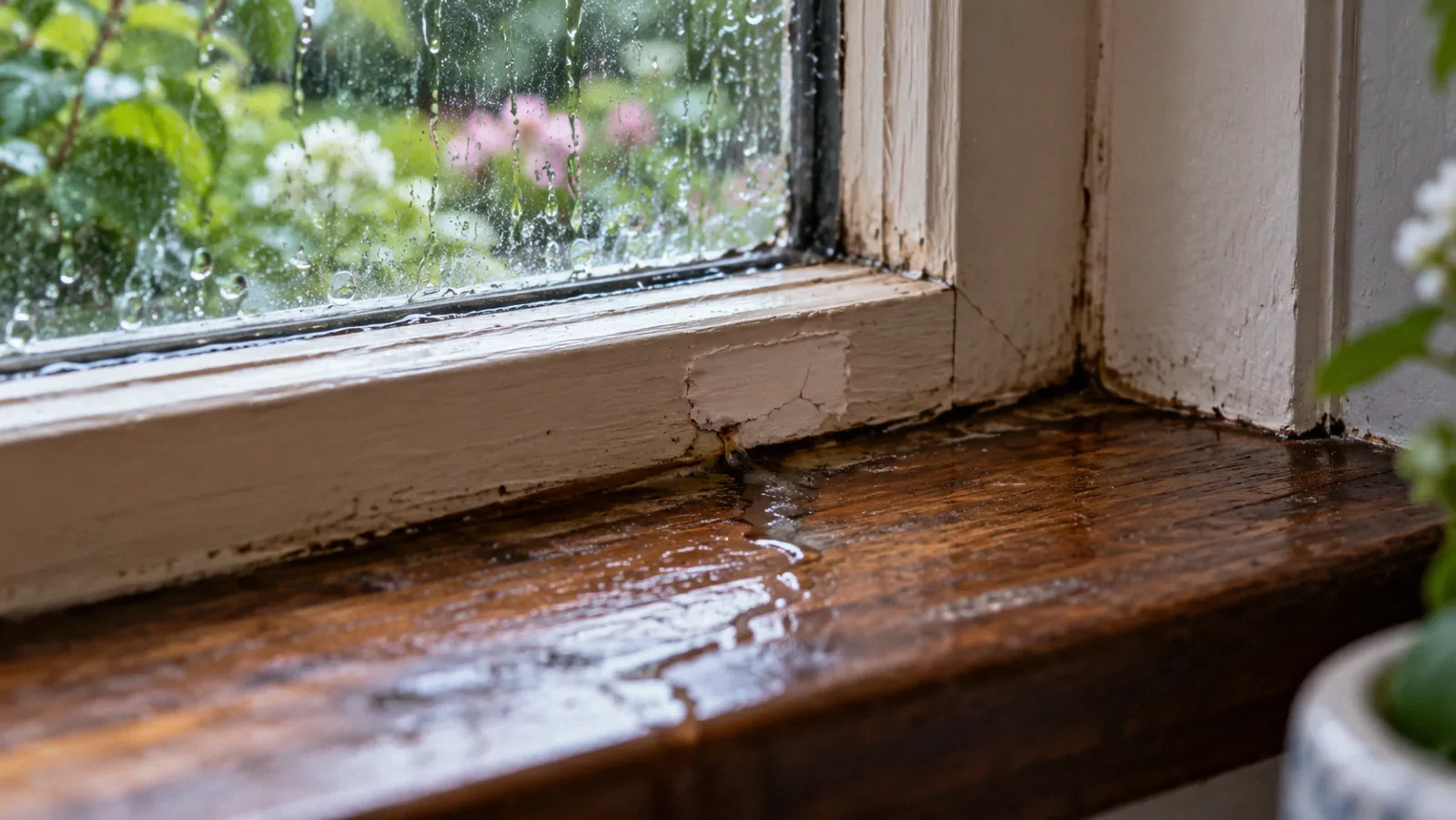
Ask what demonstrates that the original water source was corrected. A new ceiling or floor proves reconstruction occurred, not that the leak mechanism was resolved. Review photographs taken before closure, source repair records, and any relevant test or follow-up observation. If the source was weather-dependent, note what conditions have and have not occurred since repair.
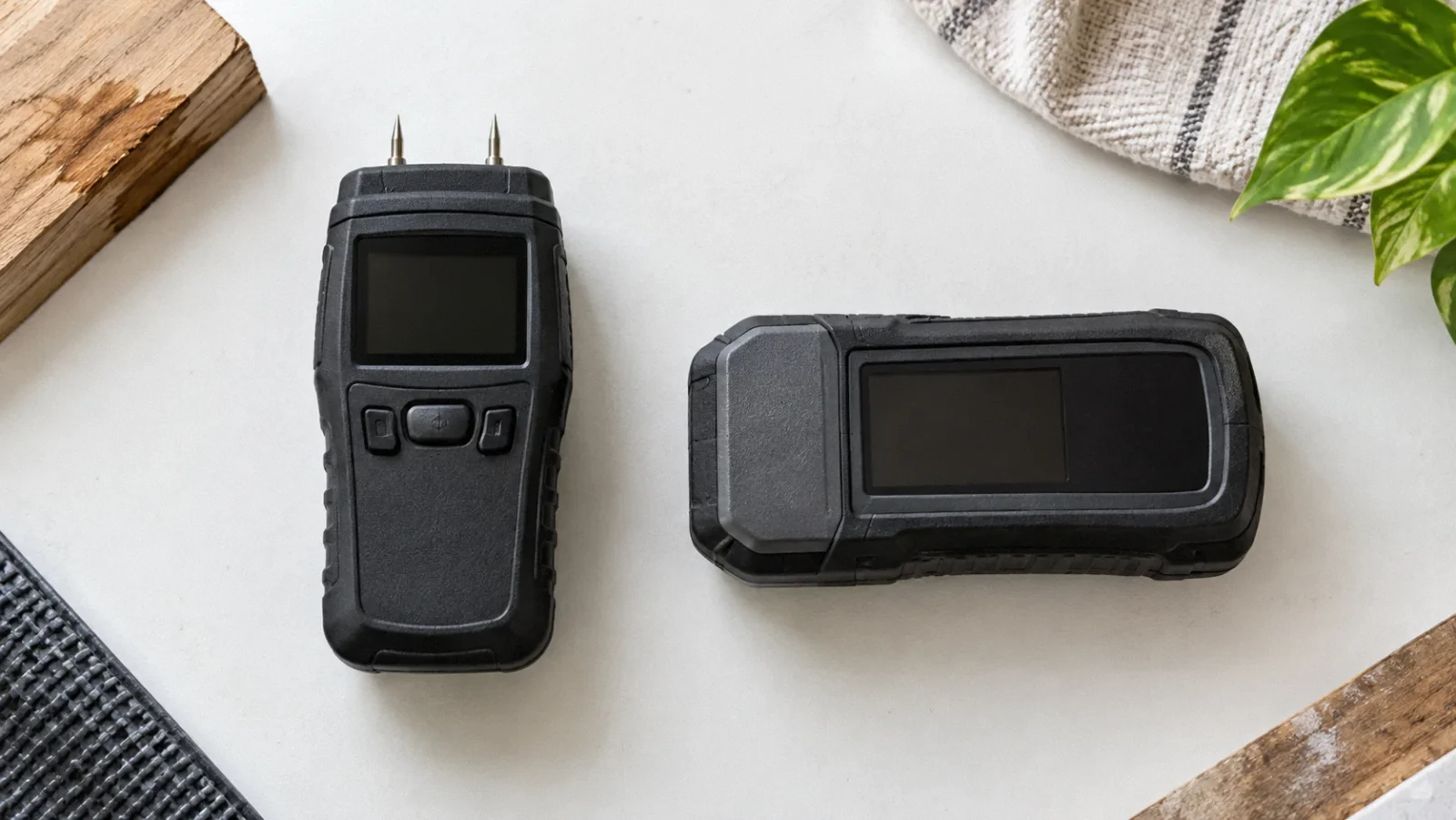
For retained materials, review the final moisture evidence and any remediation verification. EPA's home guidance ties completion to moisture correction and cleanup. Do not substitute the number of drying days for a material assessment. If areas were not accessible or records are missing, identify the limitation and decide what additional review is appropriate before making a broad acceptance statement.
Walk the reconstruction details methodically
Check the repaired surfaces in normal lighting and compare transitions, trim, cabinets, doors, and flooring with the agreed scope. Look for unfinished edges, damaged adjacent finishes, binding doors, loose components, or debris left behind. Operate ordinary accessible features only when the responsible professionals have established that doing so is safe; do not test flood-exposed electrical equipment yourself.
Ask about material-specific care and cure conditions before heavy use or cleaning. Keep product and warranty information relevant to the installed work. If a finish differs from the agreement, record the issue clearly with photographs and the requested resolution. A calm, specific list is more actionable than signing a vague statement that everything is acceptable while hoping to resolve concerns later.
Verify approvals and handoffs
An issued permit is not the same as a final inspection. Request the actual status of required approvals and any correction notices. CSLB directs California owners to the local building department for requirements; other locations have their own authorities. Confirm who is responsible for any remaining inspection and when it will occur.
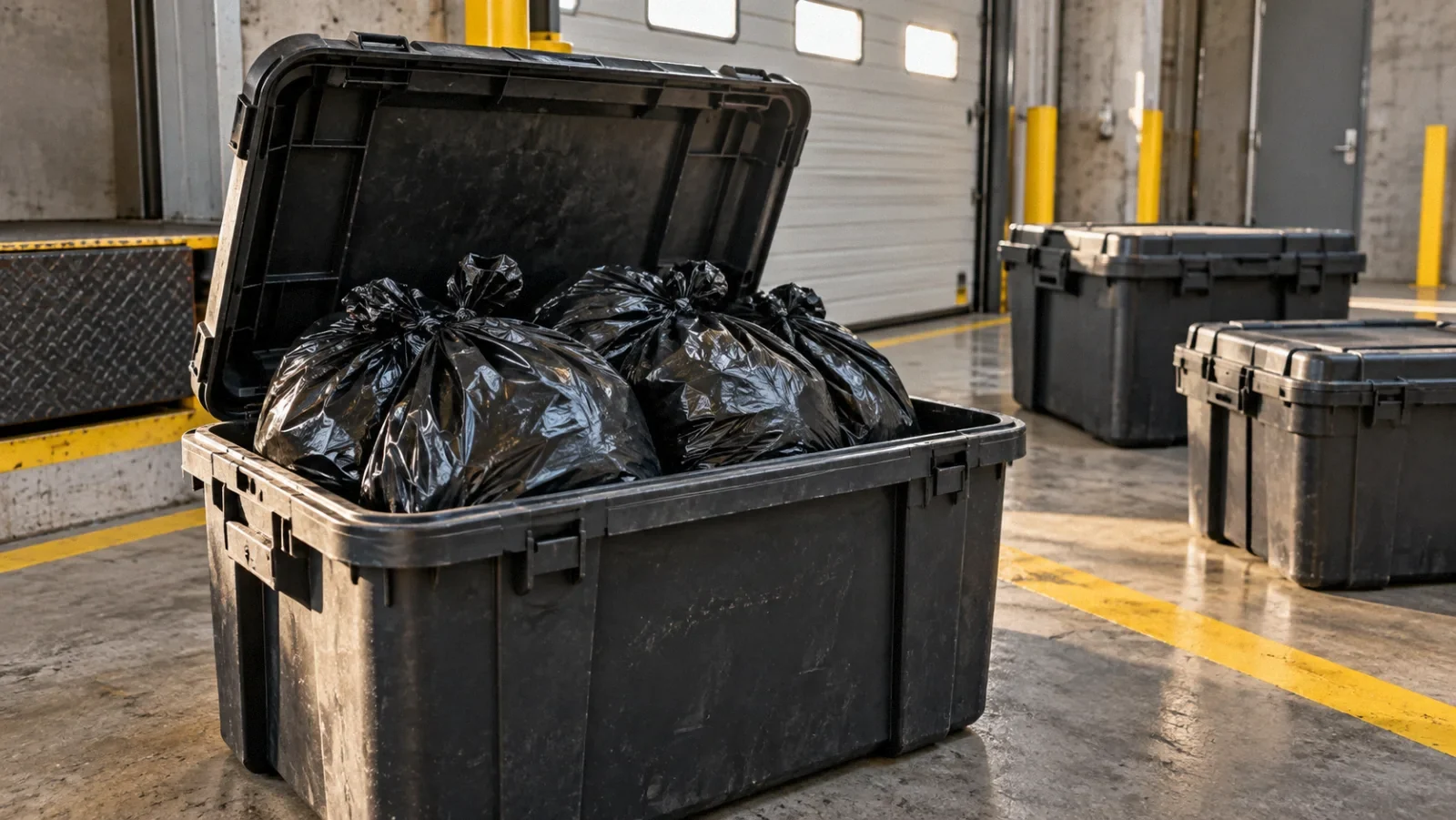
Keep code approvals separate from remediation reports and installer acceptance. Each has a defined scope. If one remains outstanding, list it rather than assuming another favorable report covers the gap. Also confirm that temporary equipment, waste, protective coverings, and staging areas have been removed or otherwise addressed under the agreed plan.
Use a walkthrough record that can be acted on
Consider a repaired laundry room where the finish is complete but the contractor has not supplied the source-repair invoice or final moisture map. Record those as missing deliverables rather than inventing an on-site visual test for work now concealed. Ask whether the contract requires those records and what alternative evidence can legitimately address the gap. A freshly painted room cannot recreate historical measurements.
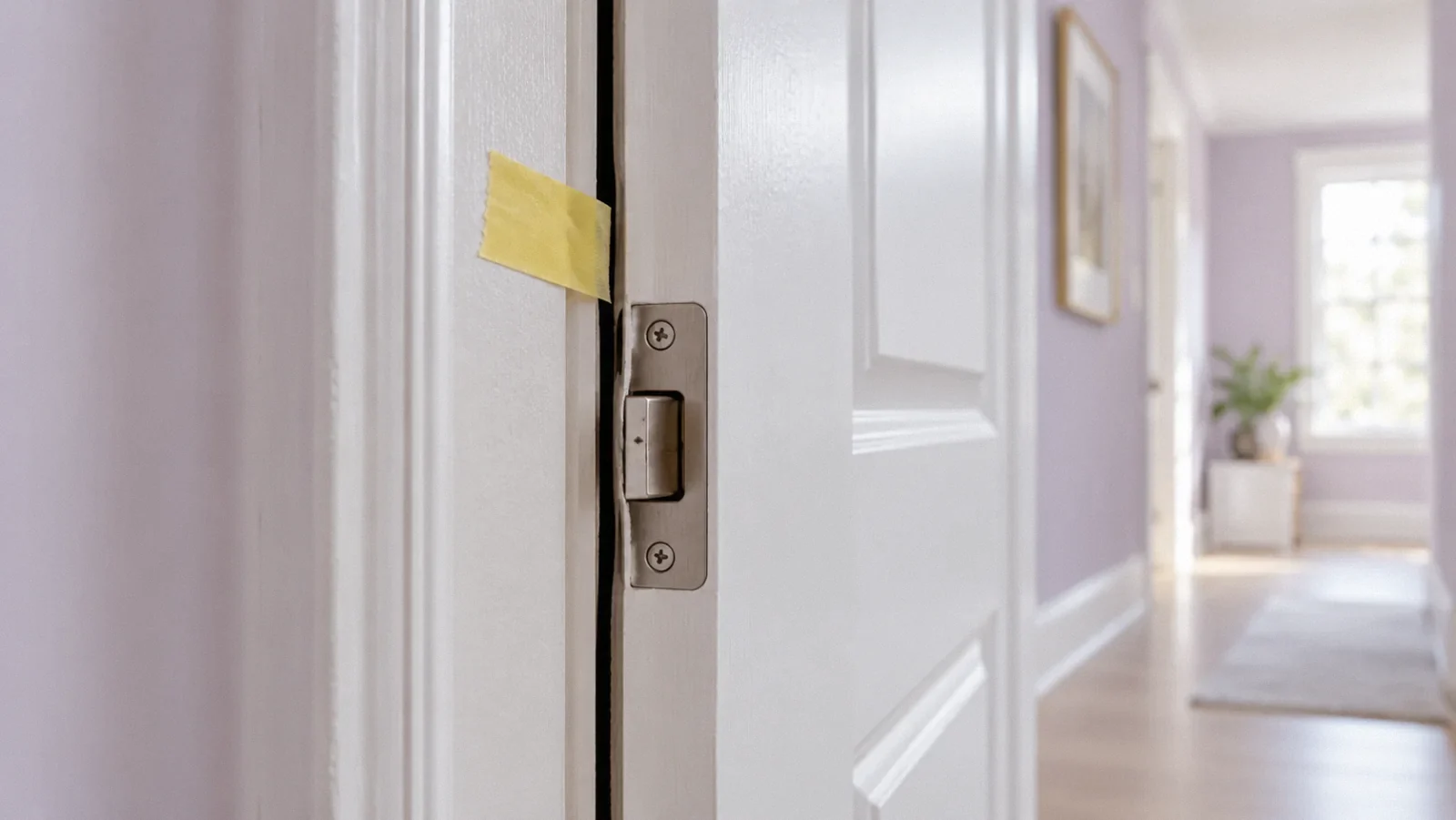
In the same room, a door that binds after floor replacement is a directly observable item. Photograph it, describe the operation, and identify the responsible trade and proposed correction. Keep this separate from the missing-record issue because each requires a different response. Combining everything under a vague complaint that the job is unfinished makes resolution harder.
At the end, read the list aloud with the responsible party and circulate the dated version. Note disagreements as disagreements rather than recording a promise that was not made. Preserve any revised completion date and the method for confirming corrections. The walkthrough then becomes a useful task and evidence record, while legal acceptance and payment decisions remain governed by the actual agreement.
Record exceptions before closing the file
Create an itemized list with location, observation, responsible party, proposed action, and target date. Distinguish work that can be corrected promptly from uncertainty requiring further investigation. If payment, possession, or closing depends on the result, consult the relevant contract professional before signing documents that may affect your position.
Arrange follow-up for recurring-risk locations, especially after the next relevant rain or normal appliance cycle. Keep the completion package in a durable format. The walkthrough cannot guarantee that a future leak will never occur, but it can establish what was observed and accepted at completion. That record makes later maintenance and any recurrence easier to assess.
Your next-step checklist
- Bring the agreed scope, change orders, and outstanding-item list to the walkthrough.
- Review source repair and concealed-work evidence before focusing only on finishes.
- Inspect each repaired location and document specific deviations or damage.
- Confirm final permit status and keep remediation and code approvals distinct.
- List exceptions with responsibility and follow-up dates before closing the file.
Related questions
Should I sign if only small items remain?
That depends on the agreement and the document’s effect. Record the items and obtain appropriate advice before signing a broad acceptance or release.
Can a walkthrough prove hidden materials are dry?
Not by appearance alone after closure. Review the earlier measurements and photographs, and investigate missing evidence where it matters.
What if odor returns after acceptance?
Document the new condition and notify the responsible parties promptly. Compare it with the source repair and verification records rather than assuming the cause.
Sources & context
Public guidance supports the principles in this article. The practical questions and examples are editorial interpretation, not a site assessment or a coverage decision. State-specific rules apply only where identified.
- EPA: Mold, moisture and your homeofficial
- CSLB: Building permit requirementsofficial
- HUD: For your protection, get a home inspectionofficial
Community questions behind this topic
These discussions helped identify reader concerns. They are anecdotal, not technical or legal authority.