Mold, lead, and asbestos are different disposal questions. Identify materials before demolition, prevent uncontrolled dust release during removal and transport, and confirm local acceptance and regulated-waste requirements before sending debris to a facility.
Identify the material before it becomes a mixed pile
A wet wall can contain ordinary building material, lead-painted surfaces, asbestos-containing components, or contamination from the water source. Once everything is mixed in a dumpster, the original distinctions become harder to manage. The assessment and demolition plan should identify suspect materials before removal and specify who determines the disposal route.
Do not assume that visible mold makes every item regulated hazardous waste, or that the absence of visible growth makes debris ordinary. The classification depends on the actual material, contamination, and applicable rules. EPA's asbestos and lead guidance addresses hazards that can remain relevant even when the project began as a simple leak repair.
Confirm the receiving facility’s requirements early
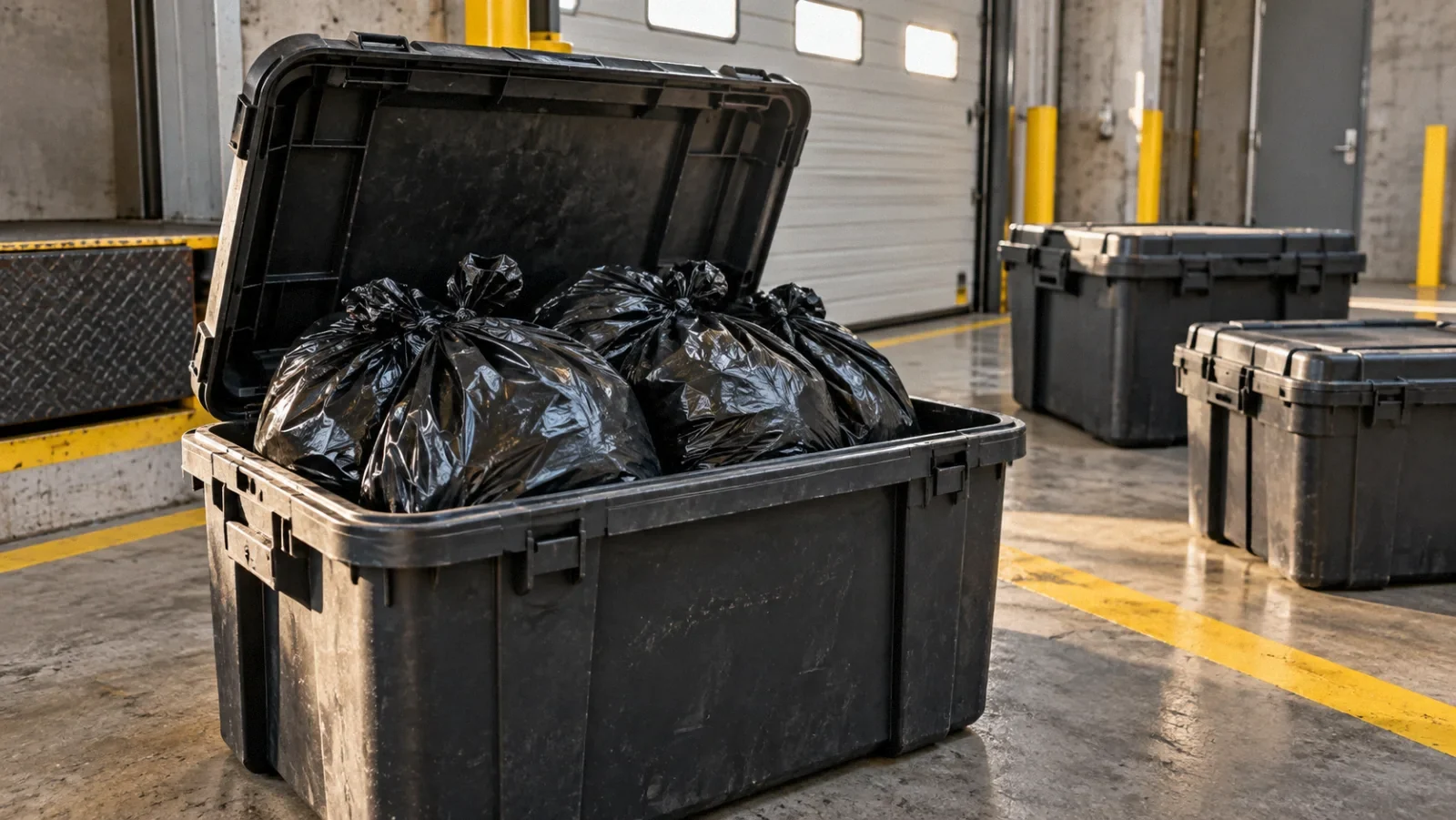
Ask the contractor which facility will accept each waste stream and what documentation, packaging, or advance arrangements are required. State and local requirements and facility policies can differ. A container rental alone does not establish that its contents are acceptable. Obtain the answer before demolition rather than discovering a rejected load after the work area is open.
Where asbestos or another regulated material is involved, use the qualified professionals and procedures required for that work. Do not transport suspect debris in an ordinary personal vehicle as an improvised solution. The disposal plan should connect the material assessment, removal method, transport responsibility, and receiving facility so there is no undocumented handoff.
Control the route through occupied space
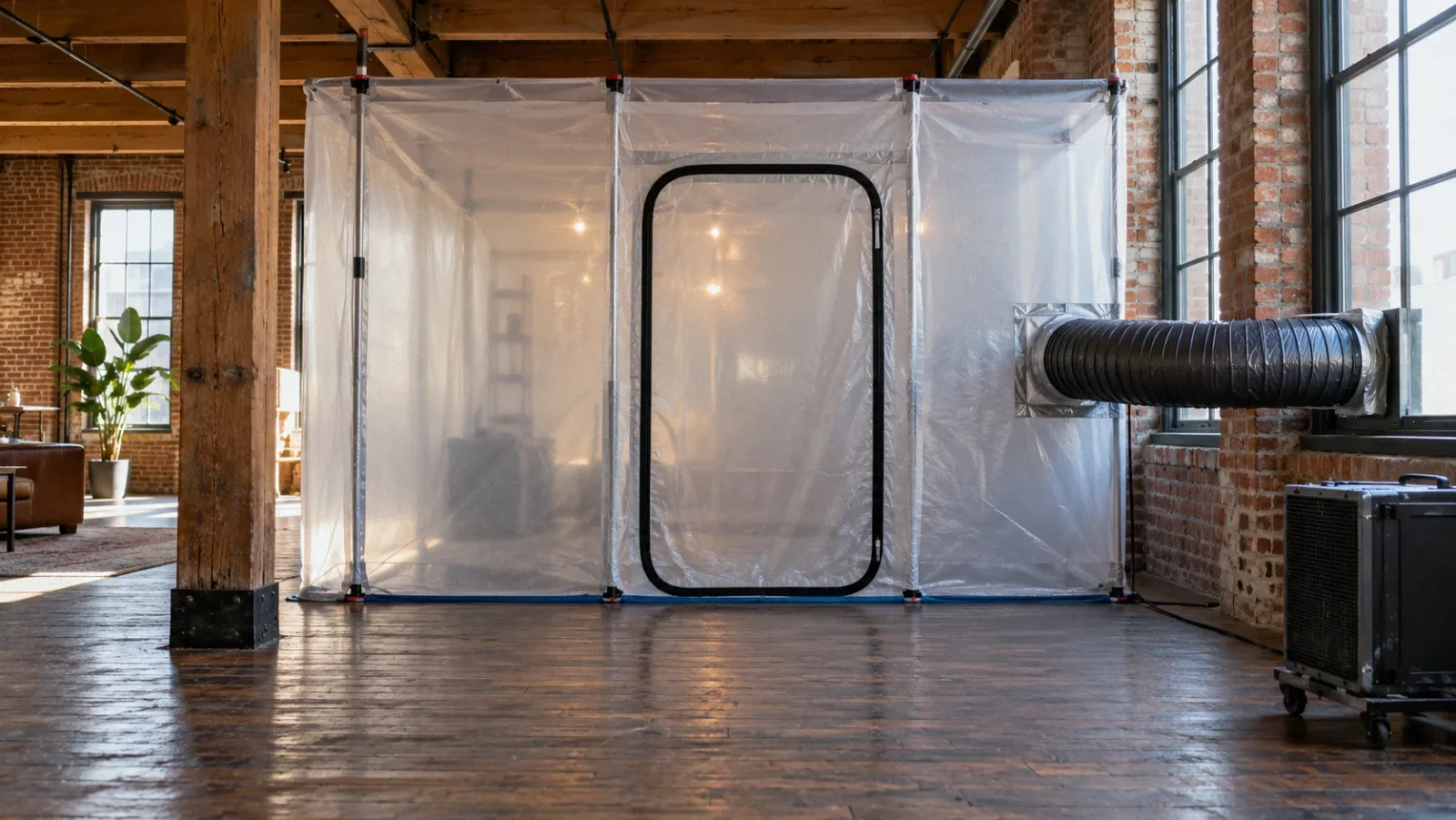
Debris movement can spread dust even when the initial work area is well controlled. Plan the path from the opening to the exit, temporary staging, and cleanup of the route. Large items should be handled under the professional plan so they do not shed material through clean rooms. Avoid dragging contaminated items across carpet or allowing unprotected occupants to sort them.
The owner should know whether belongings must be moved and who is responsible for that task. Keep children and pets away from staging areas. Do not open sealed debris packages to retrieve an item without consulting the project team. If an important document or possession may be inside, discuss retrieval before removal begins and identify a safe decision process.
Keep different hazards under their own requirements
Mold-removal guidance does not establish compliance with asbestos rules. Lead-safe renovation cleanup does not automatically address all sewage contamination. OSHA's flood resources recognize that recovery work can involve multiple hazards. The project may therefore need more than one qualified assessment or control plan, coordinated around the same work area.
Ask whether the scope changes if a new layer or material is found. A crew should have a clear stop-and-review procedure rather than continuing to fill a container under the original assumption. Record what was discovered, who evaluated it, and how the plan changed. This is particularly important in older buildings with several generations of flooring or wall finishes.
Preserve evidence without keeping an unsafe pile
Insurance or legal concerns may require documentation of removed material, but preserving evidence does not mean leaving contaminated debris in an occupied room indefinitely. Photograph items and locations before disposal, retain relevant reports, and ask the insurer or attorney whether any specific item needs examination or preservation. Follow their lawful guidance in coordination with the qualified cleanup team.
If a sample or removed component must be retained, identify who is responsible for handling and storage. Do not improvise a household storage method for asbestos-containing or otherwise hazardous material. The record should show the connection between the original location, the assessed material, and the disposition without creating a new exposure problem.
A mixed-material example
Suppose demolition reveals moldy drywall beside an older flooring layer that has not been assessed. The correct next step is to pause disturbance of the suspect layer and have it evaluated, while managing already-classified debris under the plan. It is not to put everything in one container and let the disposal facility sort out the uncertainty later.
If the assessment identifies regulated material, revise the removal and transport arrangements before proceeding. Keep the material's location and the changed scope in the record. If it does not, preserve that finding so the basis for the disposal decision remains understandable. This staged approach avoids both uncontrolled handling and unsupported claims that every item from a water-damaged room requires the same regulated disposal route.
Close the waste record with the project
Request disposal receipts or other required records appropriate to the waste and jurisdiction. Keep them with the survey, demolition scope, and completion photographs. An invoice saying 'haul away' may be insufficient when regulated material was involved. Ask the contractor to explain the documentation expected for the specific work rather than demanding a form unrelated to the actual waste.
Inspect the staging and transport route after removal as part of the agreed cleanup process. Confirm that leftover bags, fragments, and equipment have been addressed before reconstruction or occupancy of the area. Waste management is part of completing the repair, not an optional final errand after the visible room looks finished.
Your next-step checklist
- Assess suspect materials and water contamination before mixing demolition debris.
- Confirm facility acceptance and applicable packaging, transport, and documentation requirements.
- Plan staging and the debris route through the property.
- Use qualified regulated-material services where required and stop for new discoveries.
- Coordinate evidence preservation without storing hazardous debris in occupied areas.
- Retain appropriate disposal records and verify cleanup of the transport route.
Related questions
Is all moldy drywall hazardous waste?
Not automatically. The answer depends on other material hazards, contamination, and local rules. Confirm the actual classification and facility requirements.
Can asbestos debris go into the same dumpster as ordinary drywall?
Do not assume that. Regulated asbestos handling and disposal requirements must be determined and followed by the responsible qualified team.
Should I keep every removed item for insurance?
Ask what evidence is needed. Photographs and records may suffice for some items, while specific disputed components may need controlled preservation. Avoid creating a new exposure hazard.
Sources & context
Public guidance supports the principles in this article. The practical questions and examples are editorial interpretation, not a site assessment or a coverage decision. State-specific rules apply only where identified.
- EPA: Protect your family from asbestosofficial
- EPA: Steps to lead-safe renovation, updated March 2026official
- OSHA: Flood preparedness and responseofficial
Community questions behind this topic
These discussions helped identify reader concerns. They are anecdotal, not technical or legal authority.