A sinkhole is a ground depression that can form where underlying material dissolves or support is lost. Other depressions can result from leaking pipes, buried material or settlement. Stay away from a new or growing opening, keep others clear and contact local authorities or utilities if people, buildings or services may be at risk.
How a natural sinkhole forms
The U.S. Geological Survey describes natural sinkholes in areas where rock such as limestone, gypsum or salt can be dissolved by groundwater. Over time, underground openings may develop. The ground above can settle gradually or collapse when it no longer has sufficient support.
The appearance and speed of change vary. Not every depression is a natural sinkhole, and a small surface opening may not reveal the size or shape of an underground void. A professional investigation is needed to determine what is happening at a particular location.
Other reasons ground can sink
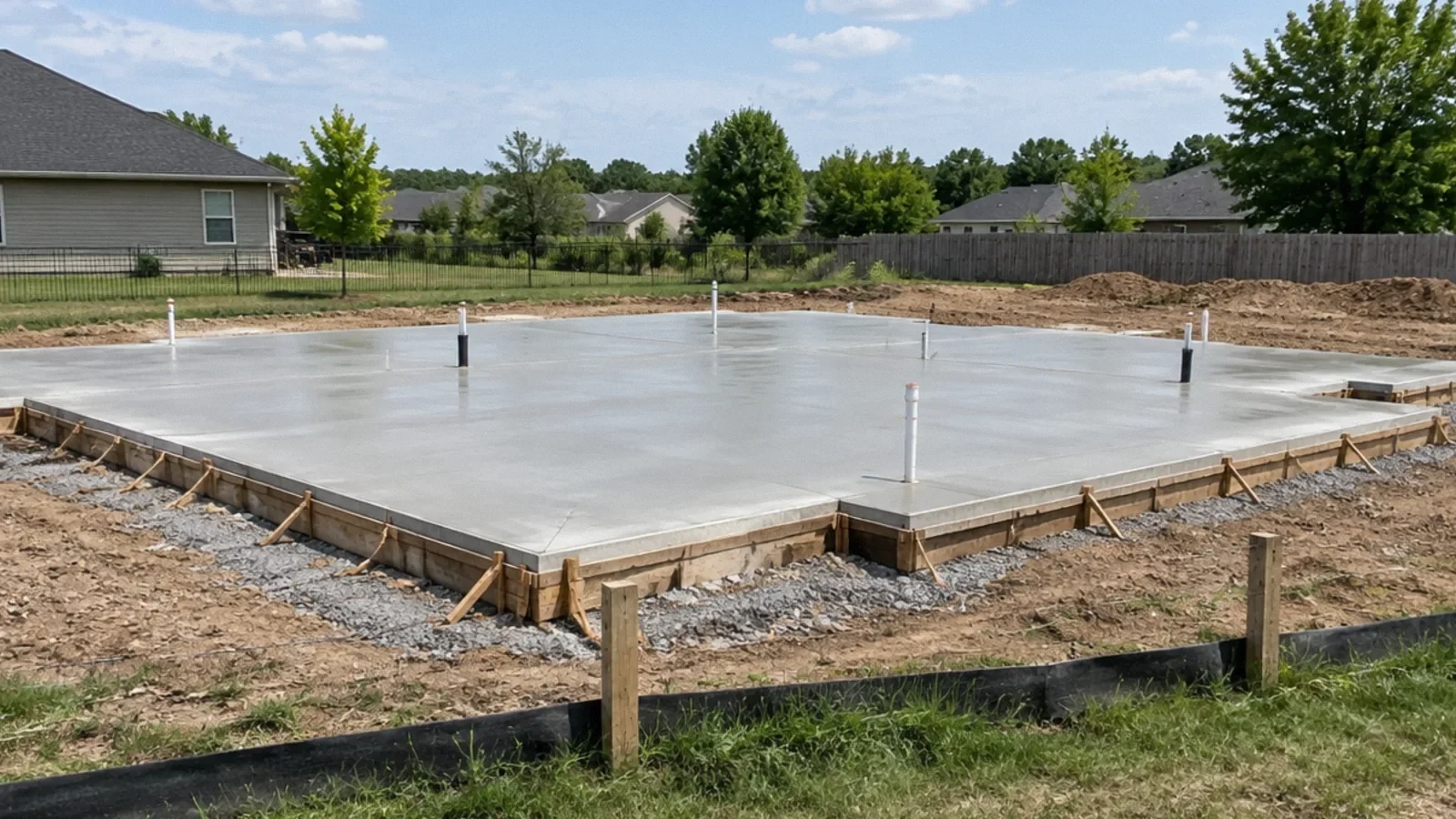
A leaking water or sewer pipe can wash material away below the surface and cause a depression. Settling of an old excavation, buried debris or other construction material can also produce a low spot. USGS recommends considering human-made causes as well as local geology.
A hole near a drain, driveway or building does not establish which cause is responsible. Tell the appropriate utility about a suspected damaged line and obtain qualified help. Do not probe the opening, enter it or attempt to locate a pipe by digging around it.
Possible warning signs
New ground cracks, a developing depression, unusual ponding or a change in the level of a fence or walkway can justify investigation. Cracks in a building or doors that newly stick may also have several causes. None of these signs proves that a natural sinkhole is present.
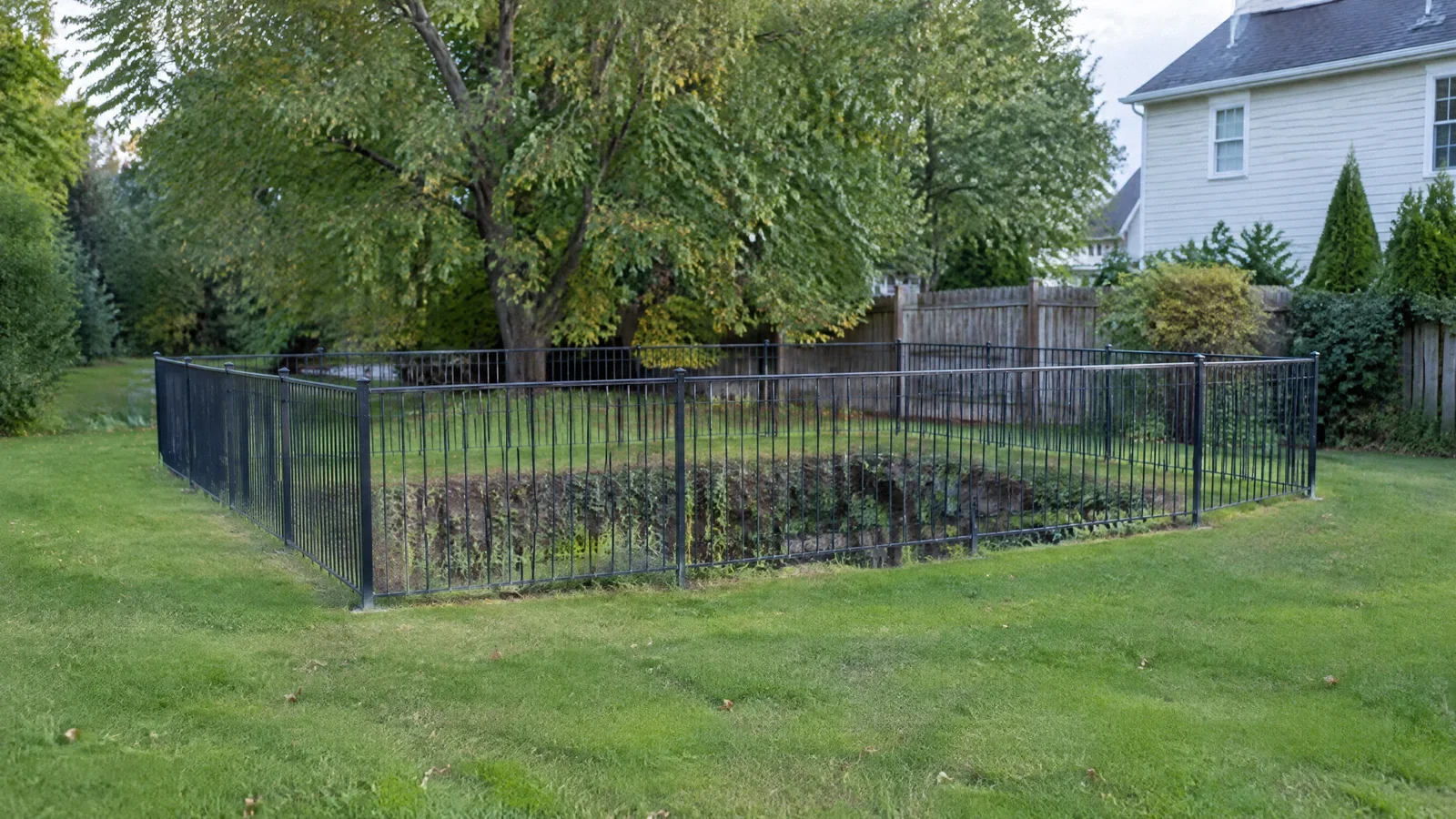
Some collapses can occur abruptly without an obvious warning. Do not approach the edge to measure or photograph it. Observe from a safe distance and keep people, pets and vehicles away from the area. Ground beyond the visible edge may be unstable.
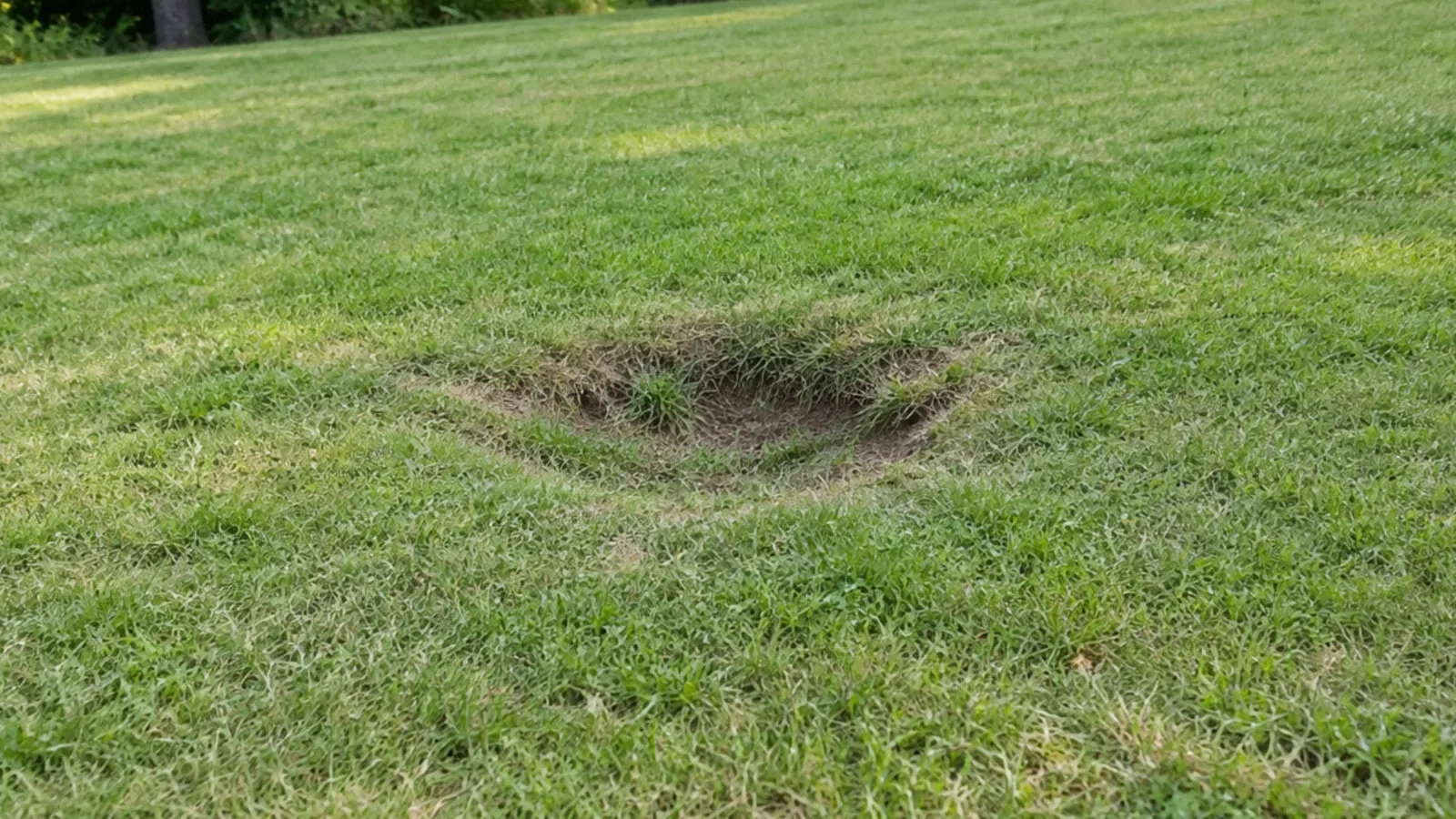
In a yard, watch from a safe distance for a new shallow bowl, small hole, widening crack, tilted fence or unusual standing water. Some depressions develop gradually and others collapse abruptly; shape or rate alone cannot identify a natural sinkhole or exclude a leaking pipe or settling fill.
What to do if ground is moving
If the opening is growing, a building or road is threatened, or you suspect an immediate danger, leave the area when safe and contact emergency services or local authorities. Follow their instructions and do not reenter a threatened building until it has been assessed.
Avoid damaged utility lines and do not operate equipment near a suspected gas leak. Alert the appropriate utility from a safe location. Do not attempt to fill a growing opening yourself: adding material can be unsafe and may conceal an unresolved void or damaged line.
Who can investigate?
The appropriate response may involve local emergency officials, a water or sewer utility, a licensed geologist, a geotechnical engineer or a structural professional. USGS suggests contacting the state geological survey for information about local geology and seeking qualified professional help when needed.
Ask the investigator what evidence is available, whether utilities must be located and what areas can be safely assessed. An investigation may need more than a surface photograph. Keep a record of when the depression was noticed and any change observed from a safe distance.
Water, drainage and pipes
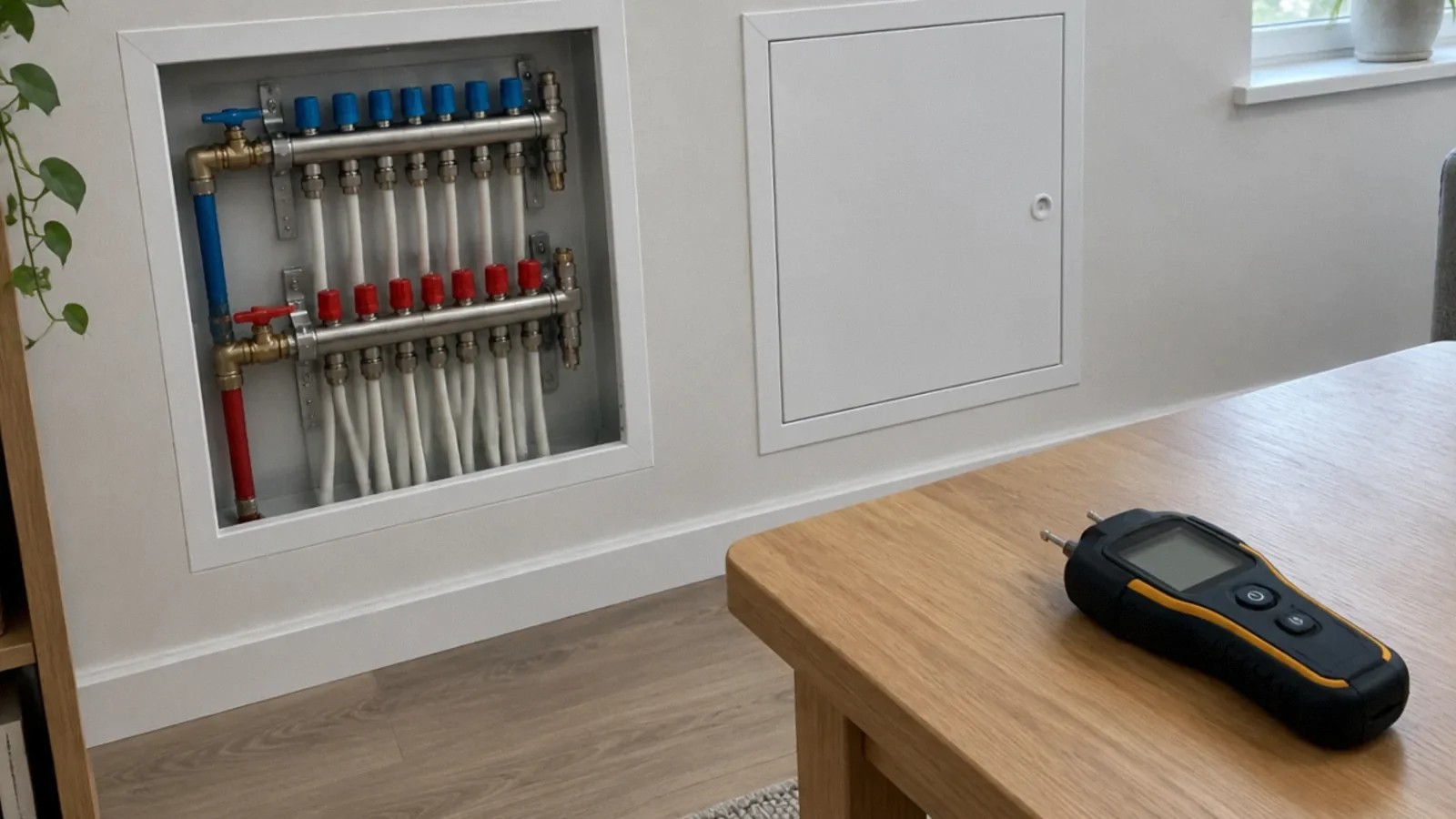
A depression associated with a pipe leak requires the underlying water loss and any damaged line to be addressed as part of the repair. Repeatedly filling a low spot without finding the cause may leave a void or continuing erosion below. Surface drainage, groundwater and buried utilities are separate possible factors.
Do not turn water or gas valves in an unsafe area. If a known water shutoff is safely accessible, follow the utility’s or professional’s guidance; otherwise leave it alone. Gas odors or damaged electrical equipment require immediate emergency precautions.
Insurance and documentation
Coverage for ground movement varies with the policy, location and cause. Contact your insurer and ask what documentation and notification are required. A geological explanation, a utility repair and an insurance coverage decision are related but distinct questions.
Photograph only from a safe position, record the date and retain reports, communications and invoices. Do not enter an unstable area for documentation. If the building or road is affected, follow local instructions about access and temporary protective measures.
Repair depends on the cause
A qualified professional should explain the investigation findings, remaining uncertainty and proposed stabilization or repair. A leaking pipe, a settled construction trench and a natural karst feature can require different approaches. The extent of a hidden void cannot be inferred from the visible opening alone.
Request a written scope describing safety, utility coordination, access, repair and follow-up. If conditions change before work begins, stay clear and notify the responsible professional or authorities. Long-term monitoring may be appropriate when recommended for the specific site.
Your next-step checklist
- Stay away from the opening and keep others clear.
- Leave and contact authorities if there is immediate danger.
- Report suspected damaged utilities from a safe place.
- Do not dig into or fill an unstable depression yourself.
- Ask qualified professionals to identify the cause.
Related questions
Is every hole in a yard a sinkhole?
No. A depression can result from natural dissolution, a leaking pipe, buried material or other settlement. Investigation is needed.
Can a leaking pipe cause the ground to sink?
Yes. Water can remove material from beneath the surface. Contact the appropriate utility and qualified professionals.
Is the ground next to a small opening safe?
Not necessarily. A void may extend beyond the visible edge. Stay away and keep others clear.
Should I fill a new depression with soil?
Do not fill an unstable or growing opening yourself. The cause and any utility hazards need assessment first.
Sources & context
Public guidance supports the principles in this article. The practical questions and examples are editorial interpretation, not a site assessment or a coverage decision. State-specific rules apply only where identified.
- U.S. Geological Survey: What is a sinkhole?federal science guidance
- U.S. Geological Survey: A suspected sinkhole on private propertyfederal science guidance
- PG&E: Natural gas safetyutility safety guidance
- Source guidance: www.usgs.govverified guidance