A home inspection can identify visible concerns and recommend further evaluation, but it cannot reveal every concealed or intermittent water problem. Read access limitations and follow up on moisture clues before relying on a general report for a purchase decision.
Know which service you are buying
A general home inspection, appraisal, mold assessment, sewer inspection, and structural evaluation answer different questions. HUD explicitly distinguishes an appraisal from a home inspection. A lender's valuation or property review should not be treated as an assurance that hidden water damage has been investigated. Ask the inspector what is included and what additional services require a separate agreement.
The inspection contract and applicable local rules define the service. Do not assume every inspector moves stored belongings, removes cabinet panels, operates every appliance cycle, or enters every crawlspace. Ask how obstructed or unsafe areas will appear in the report. A limitation is not a finding that the inaccessible area is satisfactory; it is information about what remains unknown.
Read the report for unresolved questions
A comment such as 'staining observed, dry at time of inspection' contains two facts and a limit. It identifies evidence of wetting and the condition observed that day. It does not establish the cause, the date of the event, or whether concealed insulation was previously affected. Ask whether the inspector recommends records, monitoring, or specialist investigation to resolve the concern.
Pay equal attention to repeated minor clues. Swollen trim near an appliance, a musty closet, a ceiling patch below a bathroom, and missing source-repair records may warrant a coordinated review even if each appears under a different report heading. Create a short issue list linking location, observation, unanswered question, and the professional best placed to investigate it.
Weather and occupancy affect visibility
A roof may not leak during a dry inspection, and groundwater entry may occur only after prolonged rain. A vacant home's plumbing or HVAC may not have been used normally. The absence of a symptom during a short visit is useful information, but it is not the same as observing the building through every relevant condition.
Ask for dated repair records, prior leak descriptions, and available permits. Consider a follow-up after an appropriate weather event if the contract timeline permits. Do not deliberately flood a fixture, climb an unsafe roof, or open finishes without authorization. Controlled testing and destructive access need a defined scope and agreement with the property owner.
Use specialists for a defined gap
A moisture investigator may evaluate hidden migration, a roofer may assess flashing, a plumber may test a suspect drain, and an engineer may evaluate structural deterioration. Choose the service that answers the outstanding question. A generic mold air package may not resolve why a wall becomes wet, just as a roof quote may not evaluate the room beneath it.
Before authorizing follow-up, ask for methods, access needs, limitations, and deliverables. The report should distinguish observed damage from potential concealed scope. If sampling is proposed, ask what the result changes. EPA notes that visible growth often does not require sampling; inspecting moisture and materials may be the more direct route to a repair decision.
Make the follow-up request specific
Instead of asking for a second opinion on the whole house, identify the unresolved issue: the ceiling stain below the upstairs shower, the inaccessible cabinet back, or the basement odor after rain. Provide the first report and ask what additional access or method would answer that question. This gives the specialist a defined task and helps prevent paying twice for the same visual inspection. Ask for a written conclusion that states both the new evidence and the uncertainty that remains, so the transaction decision does not depend on an informal verbal reassurance.
Connect findings to the purchase process
Send material findings through the appropriate transaction channel while inspection rights remain available. Deadlines and remedies depend on the contract and jurisdiction, so have the agent or attorney explain the actual options rather than assuming an online rule applies. California DRE disclosure guidance is relevant to California transactions, not a universal national form.
A negotiated response should match the uncertainty: further access, a defined repair, a supported credit, or another contract decision. Do not reduce an unknown concealed repair to a cosmetic allowance simply because the visible stain is small. Keep the original report, follow-up findings, written answers, and final agreement together. That record is more useful than a verbal assurance that the inspector 'checked for water.'
What a water damage inspection may include
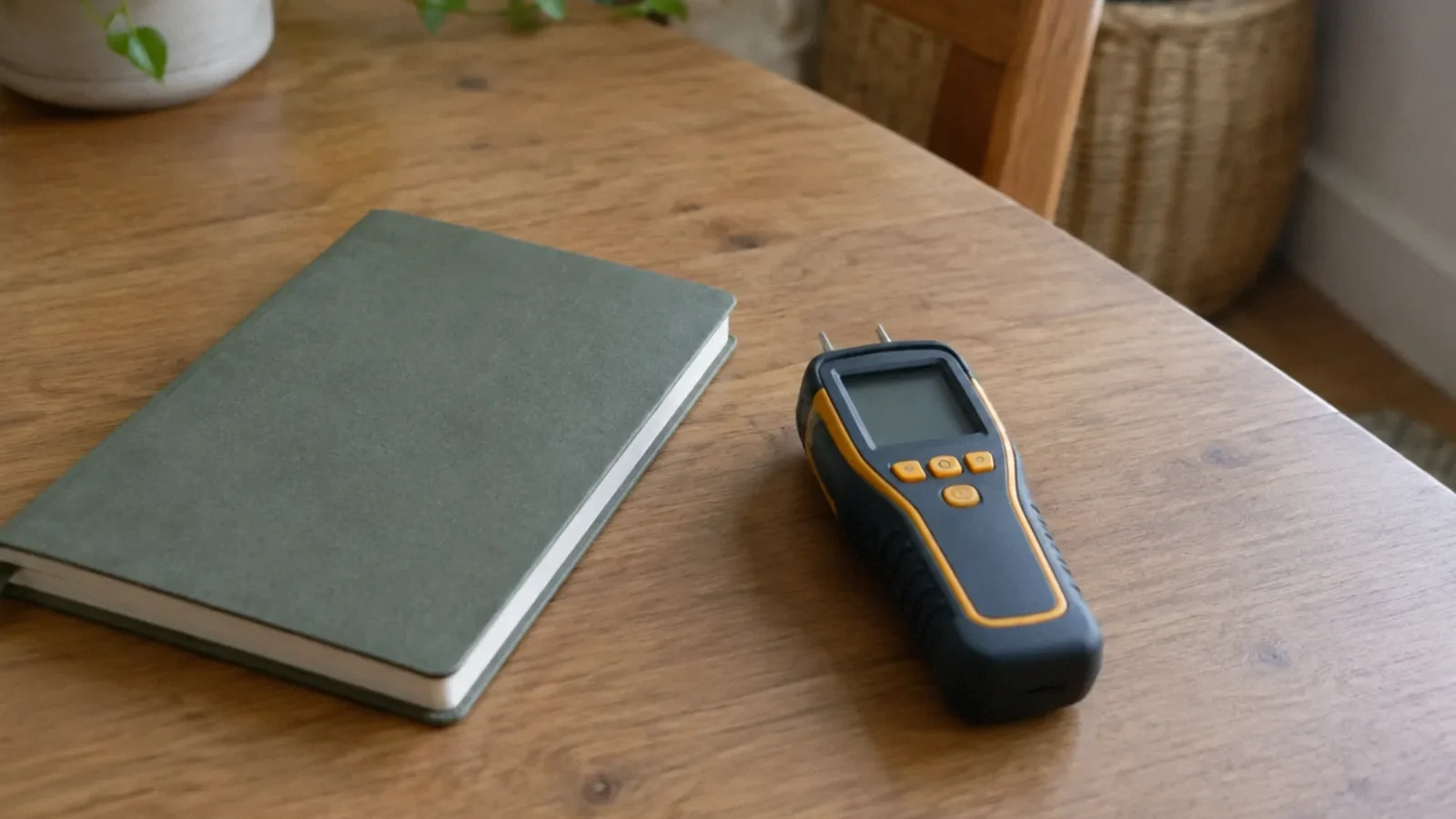
The inspector may review accessible stains, odors, plumbing, roof or drainage clues and the history of a reported event. The exact scope depends on the provider and agreement. A general home inspection is often visual and may not include destructive openings, specialized moisture investigation or laboratory testing.
Ask which rooms, crawl spaces and concealed areas will be accessible, which tools will be used and what conditions will limit the report. An inspection during dry weather may show different evidence from one during an active leak. Document observations without assuming that a single stain identifies its source.
After a leak or before buying
For a current leak, stop the source only if it is safe, avoid wet electrical equipment and arrange prompt assessment. A property buyer may need a general inspection plus a specialist for a defined question; access and contract deadlines matter. Do not assume an appraisal is a home inspection.
Request a written report that separates observations, likely explanations, inaccessible areas and recommendations. Use it to decide whether additional investigation, repair or a negotiated purchase term is appropriate. Neither a visual report nor a clean-looking wall guarantees that hidden damage is absent.
Mold found during a home inspection
A general home inspection may describe visible suspect growth, staining or a musty odor and recommend further evaluation. Color or a photograph alone does not identify a mold species. Ask the inspector where the condition was observed, what moisture evidence was found and what areas were not accessible.
An inspection does not have one universal pass-or-fail rule for mold: the contract, lender requirements and local circumstances can affect the transaction. Request specialist assessment and repair estimates when warranted, and discuss timing or contingencies with your real-estate professional or attorney. Correct the moisture source as part of any remedy.
A safe walk-through and post-event assessment
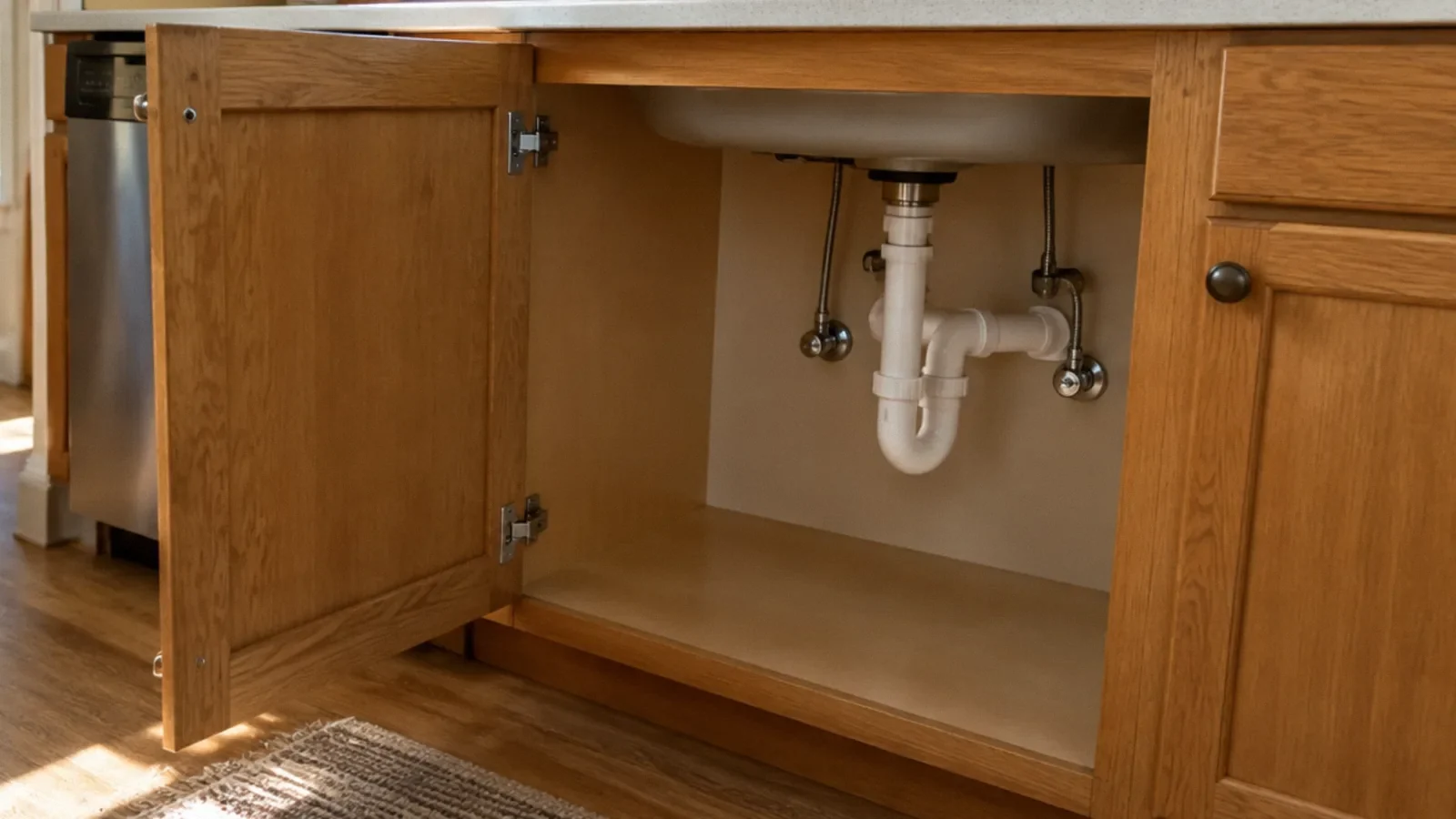
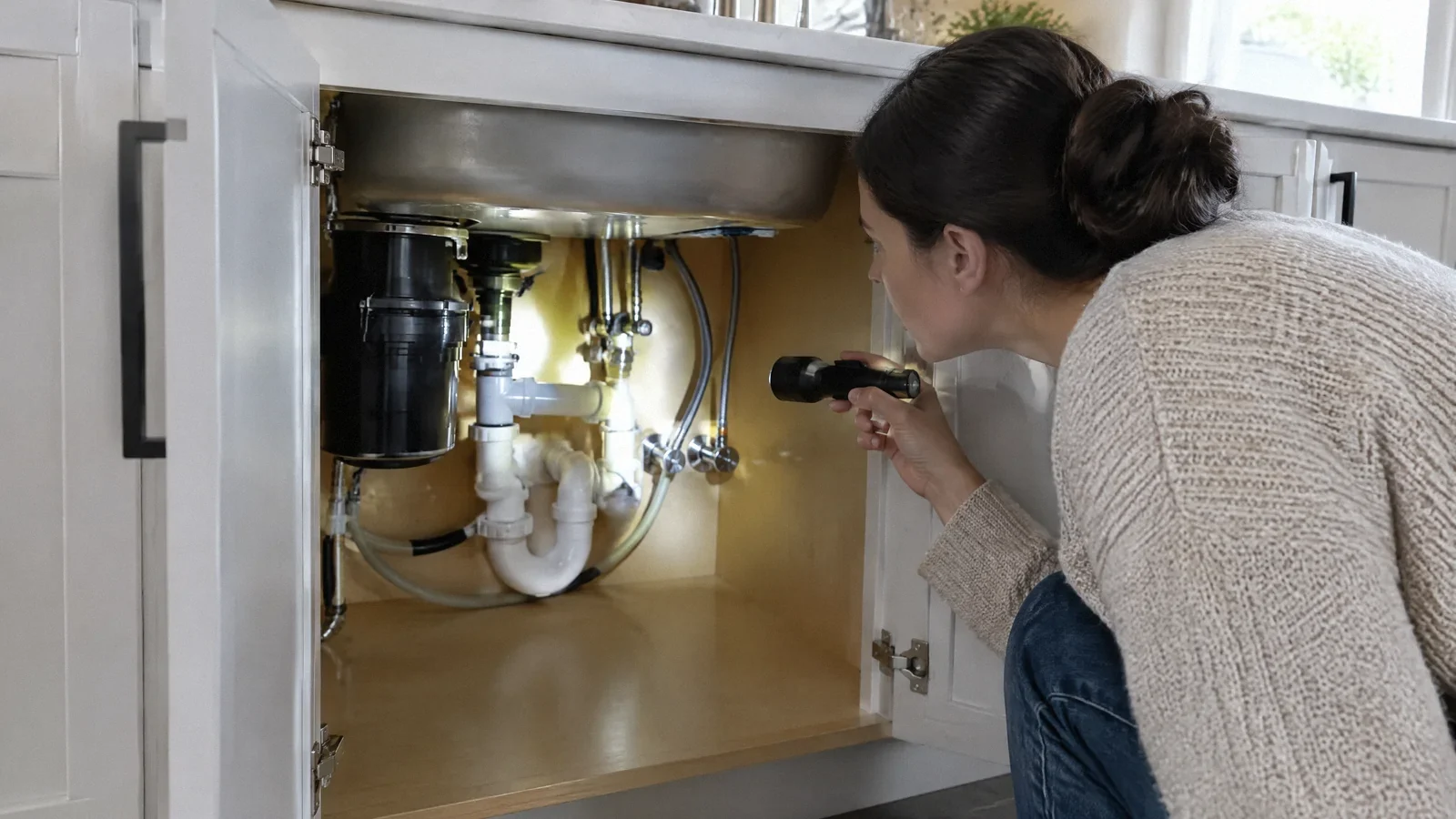
Start in accessible rooms and note the location and timing of dampness, swollen trim, musty odor or ceiling changes. Check around accessible sinks, appliances and lower walls without moving heavy equipment, entering unsafe spaces, touching wet electrical devices or opening finishes. Record inaccessible areas rather than treating them as clear. A leak-finding investigation may need tools and a separate scope.
After a water event, identify and stop the source if safe, record the apparent water source and whether contamination may be involved, and ask the assessor to map affected rooms and materials. Take dated photos when safe and preserve readings, limitations and repair records. Request a separate written drying and reconstruction estimate that distinguishes confirmed work from possible concealed damage. Sewage and floodwater require a contamination-aware professional response; a visual inspection alone cannot classify every affected layer.
Your next-step checklist
- Confirm the inspection scope and distinguish it from the appraisal or specialty services.
- List inaccessible areas and observations that remain unexplained.
- Link clues across rooms to possible shared water sources.
- Request targeted specialist work before releasing relevant contract protections.
- Keep repair records, follow-up reports, and negotiated terms in one purchase file.
Related questions
Does a missed leak mean the inspector was negligent?
Not automatically. Evaluate the agreed scope, accessibility, conditions, report, and applicable duties with qualified advice. A hidden defect alone does not establish a breach.
Should every buyer request mold air sampling?
No. Let the question and evidence guide the method. A moisture or source inspection may be more useful for a particular concern.
Can the seller refuse destructive testing?
Access rights depend on the agreement and law. Obtain permission and use the transaction process to resolve the resulting uncertainty rather than opening finishes yourself.
What does a home water damage inspection include?
The scope may include accessible moisture clues and review of the suspected source. Ask the provider which areas, tools and limitations are included in writing.
What if an inspector finds suspected mold in the attic?
Ask where it was observed, what moisture evidence was found and which areas were inaccessible. A qualified specialist can assess the material and moisture source; a photograph alone cannot identify a species.
Sources & context
Public guidance supports the principles in this article. The practical questions and examples are editorial interpretation, not a site assessment or a coverage decision. State-specific rules apply only where identified.
- HUD: For your protection, get a home inspectionofficial
- EPA: Mold, moisture and your homeofficial
- California DRE: 2026 real estate law excerptsofficial
- EPA: Moisture and mold remediation key stepsofficial guidance
Community questions behind this topic
These discussions helped identify reader concerns. They are anecdotal, not technical or legal authority.