Cabinet faces can look normal while the back, toe-kick cavity, wall, or floor below remains wet. Trace the water source and connected layers, then plan controlled access; deciding whether a cabinet is reusable comes after the hidden damage assessment.
Separate the visible cabinet from the assembly
A kitchen cabinet is attached to a wall and rests over or beside flooring. Water can enter at a sink connection, appliance hose, drain, exterior wall, or floor above, then migrate into components that are not visible through the doors. The back panel may also hide the wall surface. A clean shelf therefore cannot establish that the entire installation is unaffected.
Begin with a simple drawing of the sink, dishwasher, refrigerator water connection, adjoining rooms, and the known wet area. Mark which surfaces can be inspected without moving equipment. Ask the investigator to distinguish a confirmed wet component from an area that is merely adjacent. This avoids both overlooking a narrow concealed pathway and assuming the entire kitchen needs removal.
Compare source behavior with the timing
Supply leaks may continue when fixtures are unused, while drainage leaks may appear during particular cycles. Exterior entry may correlate with rain or wind. Condensation can create moisture without a failed pipe. Record when the symptom appears and what was operating, but do not recreate a damaging event deliberately. A plumber or building investigator can choose an appropriate controlled test.
Ask for the diagnosis in writing before accepting a replacement part as the complete solution. Replacing a hose does not establish that it was the only source, and tightening a visible connection does not describe the water already trapped below. Source repair and damage assessment are related tasks with different evidence. Keep both in the work record.
Use access in stages
The first stage may include emptying accessible storage, examining visible seams, and reviewing measurements at the cabinet base and nearby wall. Moving a dishwasher or built-in appliance can involve electrical, plumbing, weight, and flooring risks, so use qualified help. Do not reach behind energized equipment or remove a structural or utility component simply to follow a smell.
If more access is needed, agree on the opening location, protection of adjacent finishes, and the findings that would expand the scope. EPA warns that disturbing hidden growth can release contamination. Older finishes or adhesives may also require lead or asbestos assessment before disturbance. A targeted opening should answer a specific question, not become unplanned demolition without a documented reason.
Read the exposed evidence carefully
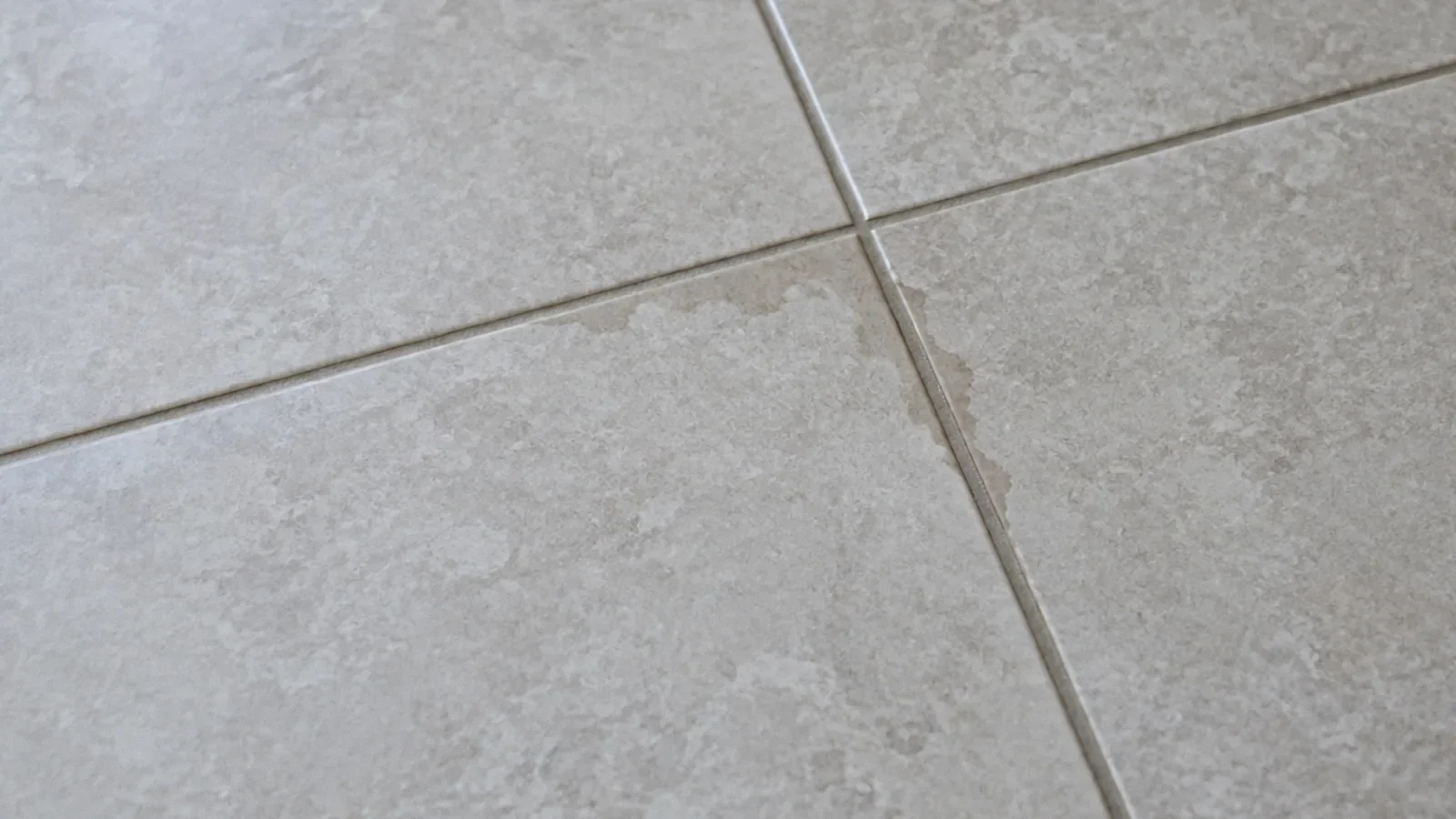
Once accessible, evaluate the wall, cabinet back, floor layers, fasteners, and neighboring cavities. Photograph the arrangement before components are discarded. Note swelling, delamination, staining, visible growth, and loss of material integrity separately. These conditions can have different implications, and none alone supplies a precise date for the leak.
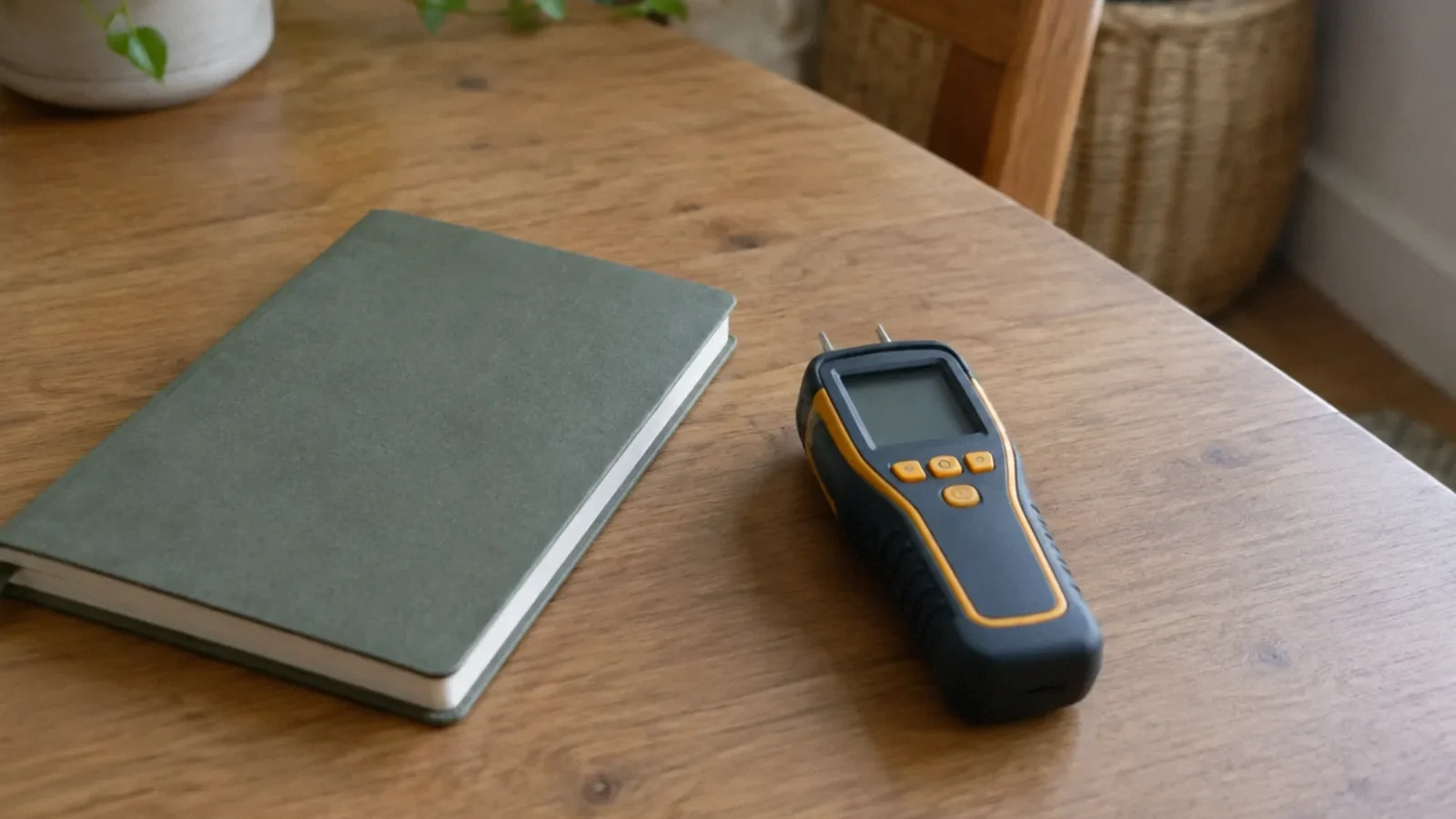
Moisture readings should identify the material, instrument, and location. The investigator should explain how retained components will be dried and how that can be checked. If a layer cannot be accessed or reliably evaluated, the report should say so. A dry cabinet face paired with an unknown subfloor is an incomplete assessment, not a reason to label the full assembly dry.
Establish a reconstruction hold point
Before the opening is closed, review the source repair, final condition of retained materials, and any remediation verification. Decide who approves the substrate for new cabinetry or flooring. This is different from choosing the cabinet style or determining whether a particular door can be refinished; the concern here is the concealed building condition.
Document the final layout and any access panels or leak sensors added. A sensor can help with future detection, but it cannot validate past drying or detect water that never reaches its location. Recheck the original source under normal use and retain the photographs for future owners or repair work. If odor or swelling returns, compare the new event with the original map rather than treating it as an unrelated cosmetic defect.
Mold on or under kitchen cabinets
Suspected growth on a cabinet may signal a sink, appliance or wall moisture problem. Remove food and accessible stored items without disturbing visible growth, and identify the water source. A hard, intact surface and a swollen particleboard core do not necessarily have the same cleanup options.
EPA notes that porous materials can be difficult to clean completely. Do not paint over damp or moldy material, tear apart a cabinet near utilities or assume wiping the visible face treats the wall behind it. For extensive or concealed damage, arrange an assessment and agree on safe access, cleaning, drying and any replacement.
Active under-sink leak and cabinet condition
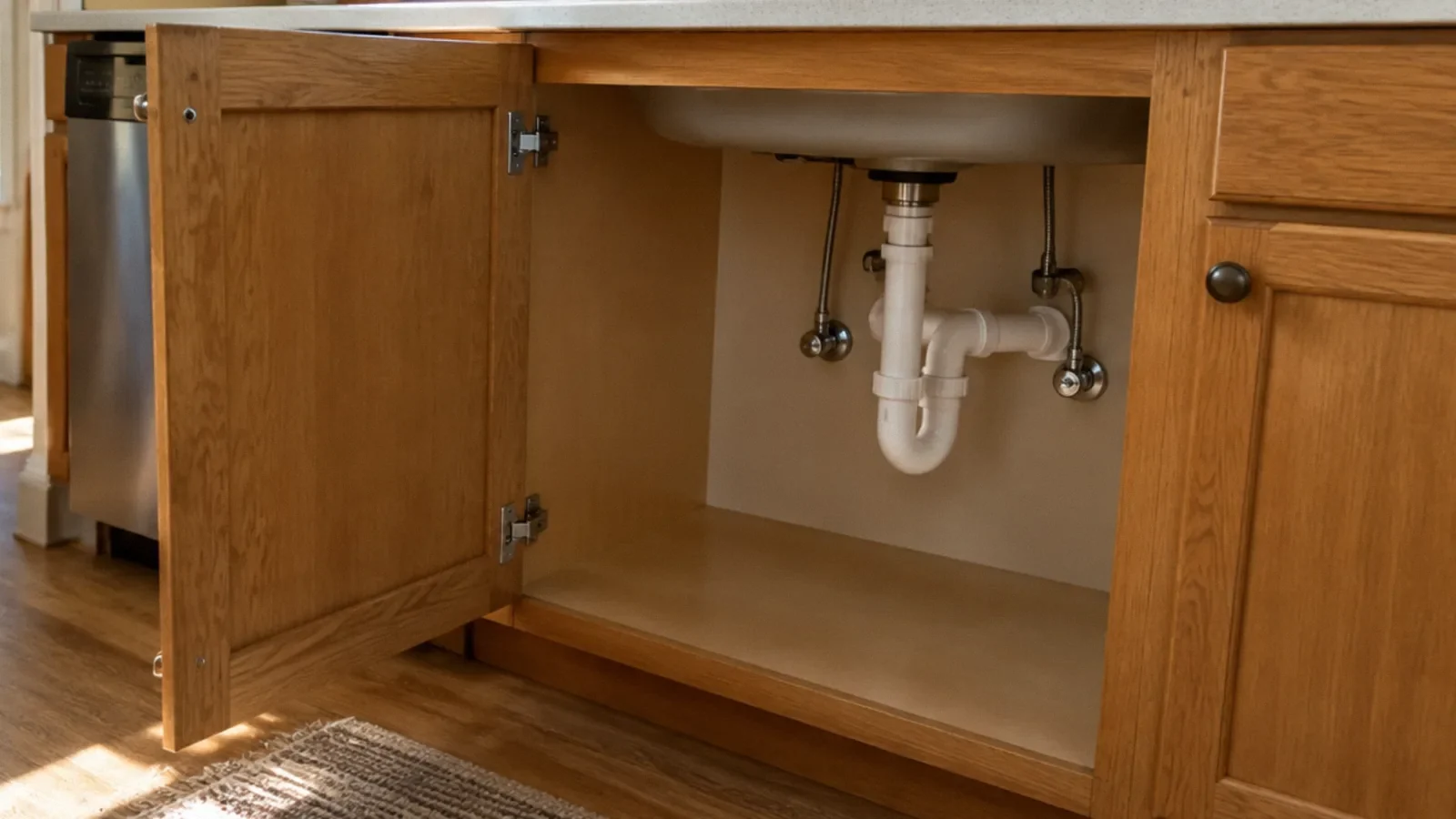
If safe, stop using the fixture and close the accessible fixture shutoff; if the leak continues, contact a plumber or building manager. Keep clear of wet outlets and do not reach into water near electrical equipment. Move dry food and belongings away, document the leak and blot accessible water. Inspect the cabinet base for persistent dampness, swelling, soft spots, delamination or an unstable floor. These signs can indicate damage beyond the visible shelf; a professional should assess concealed wall and floor layers before the cabinet is closed or rebuilt.
Visible or green growth: limits of cleanup
Green, black or any other color does not identify mold species or establish its hazard. EPA describes cleaning small areas on hard surfaces with detergent and water, then drying completely, with suitable gloves, eye protection and respiratory protection. Porous swollen cabinet material can be difficult to clean fully and may need replacement. Do not disturb growth behind fixed cabinets or tear out materials near utilities: concealed growth, recurring odor, widespread growth or sewage contamination calls for experienced assessment and controlled access. Fix the moisture source or growth can return.
Your next-step checklist
- Map fixtures, appliances, adjacent rooms, and the concealed layers around the affected cabinet.
- Record whether symptoms track fixture use, appliance cycles, or weather.
- Use qualified help for appliance movement and utility disconnection.
- Set controlled access boundaries and consider lead or asbestos before disturbance.
- Inspect and document retained hidden materials before cabinets or finishes cover them again.
Related questions
Must every wet cabinet be removed?
No. Access, contamination, material condition, and drying feasibility determine the response. The assessment should explain the reason for each removal or retention decision.
Can I trust a dry shelf reading?
It describes only the measured location and method. The back panel, wall, floor layers, and toe-kick cavity may have different conditions.
Will a moisture sensor under the sink catch every leak?
No. It detects water only within its sensing area. Leaks behind the wall, under another appliance, or below the floor can bypass it.
Sources & context
Public guidance supports the principles in this article. The practical questions and examples are editorial interpretation, not a site assessment or a coverage decision. State-specific rules apply only where identified.
- EPA: Mold, moisture and your homeofficial
- CDC/NIOSH: Mold, testing and remediationofficial
- EPA: Protect your family from asbestosofficial
- EPA: Homeowner and renter mold cleanup guidefederal guidance
Community questions behind this topic
These discussions helped identify reader concerns. They are anecdotal, not technical or legal authority.