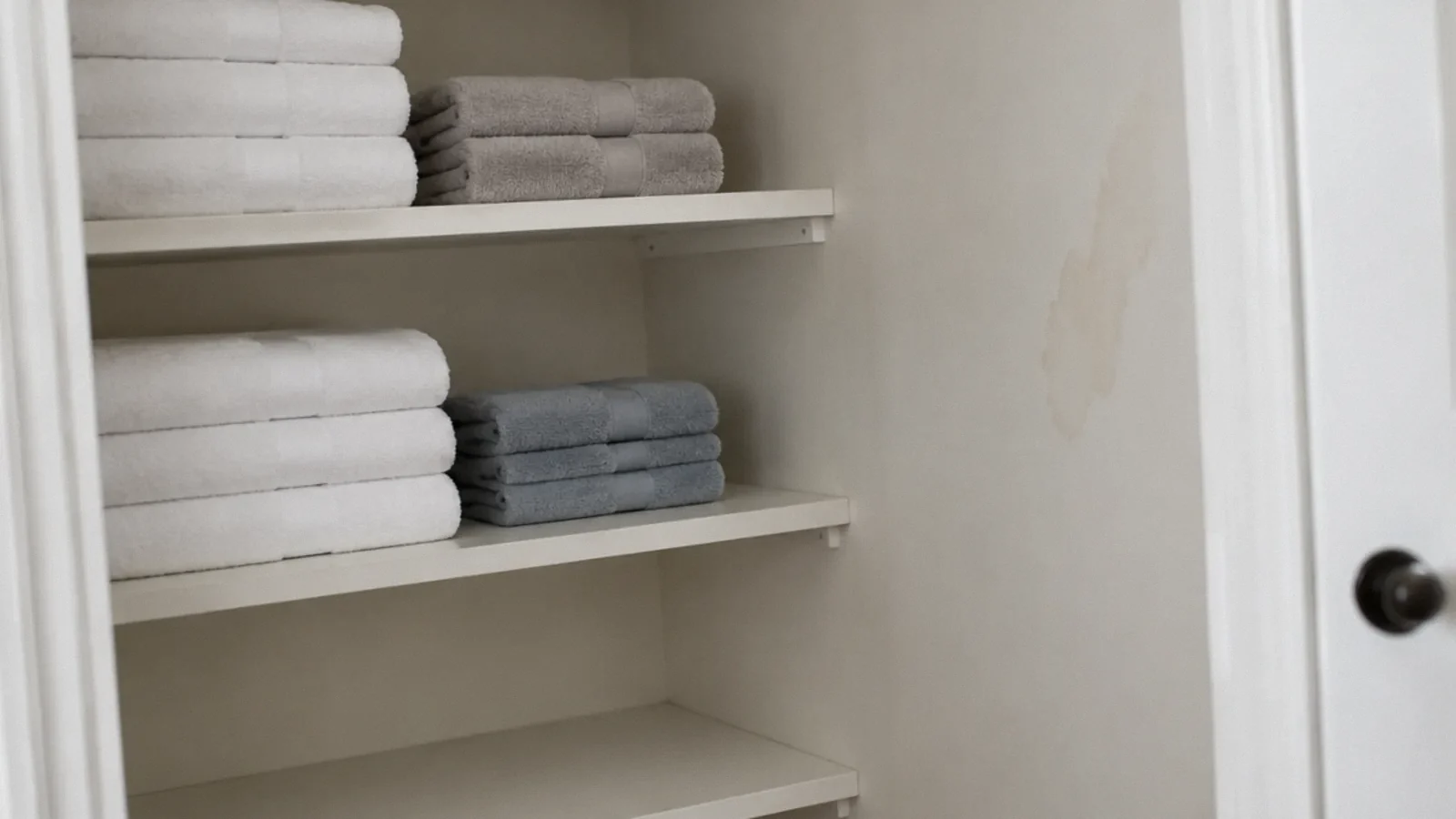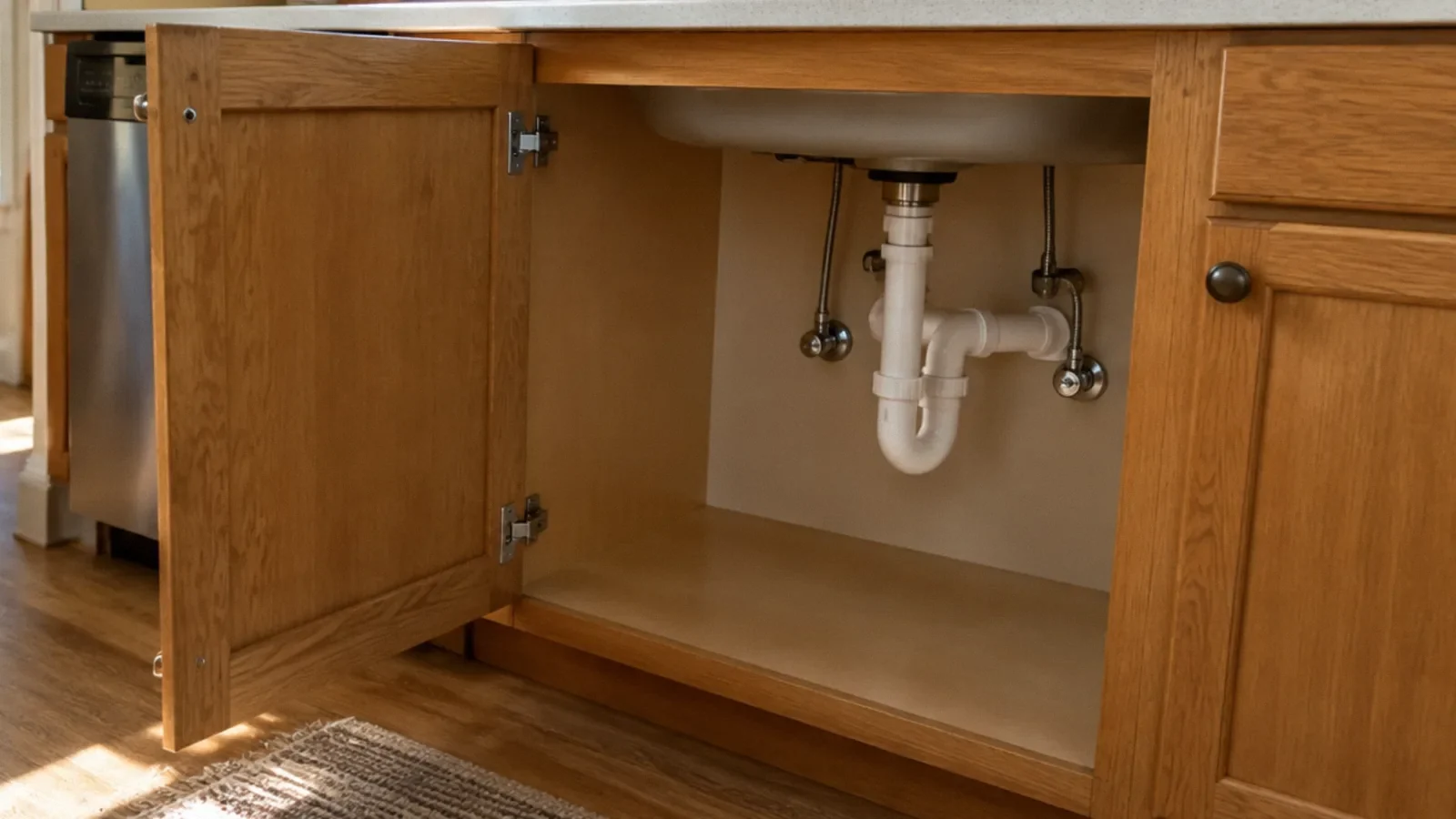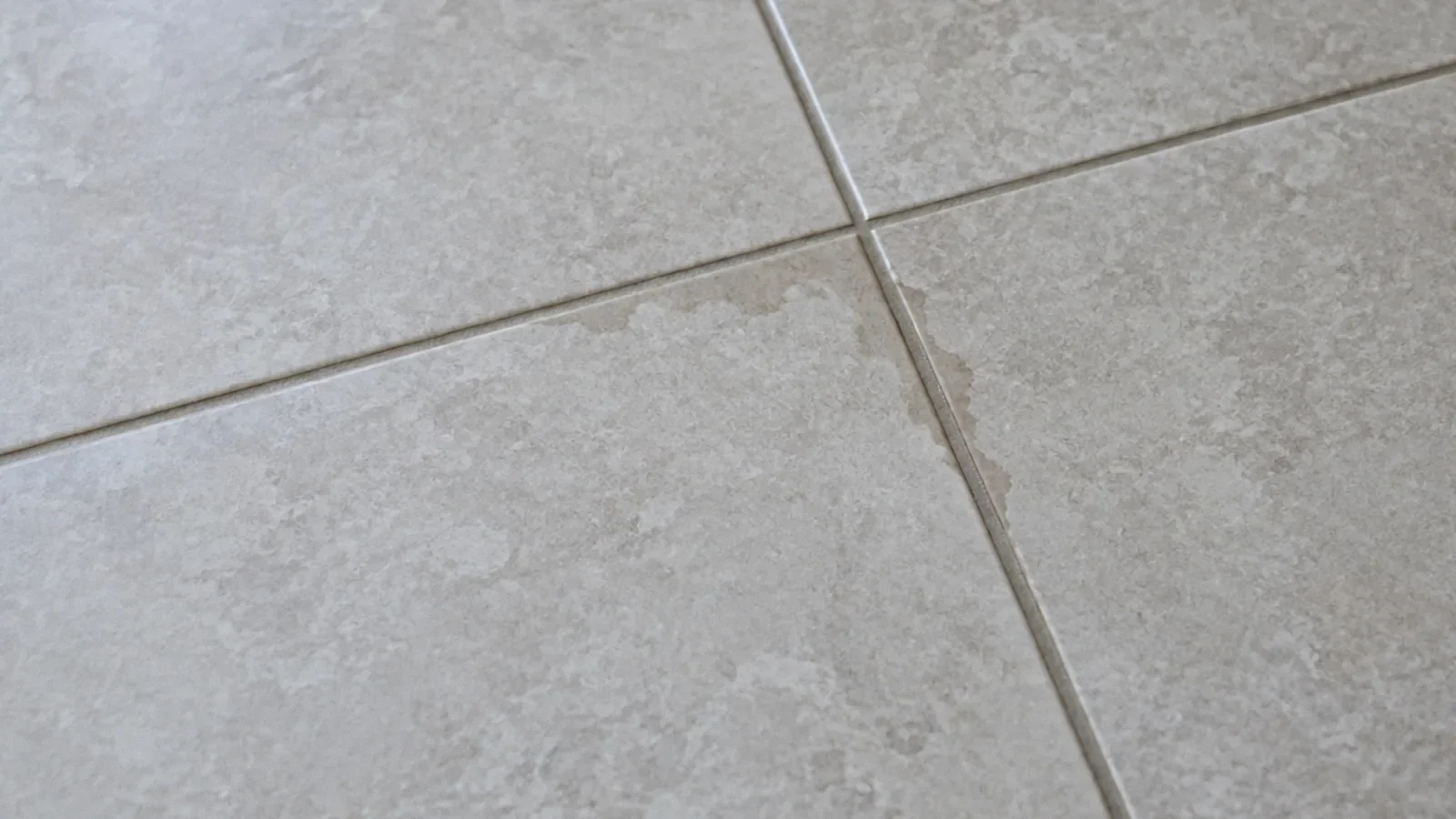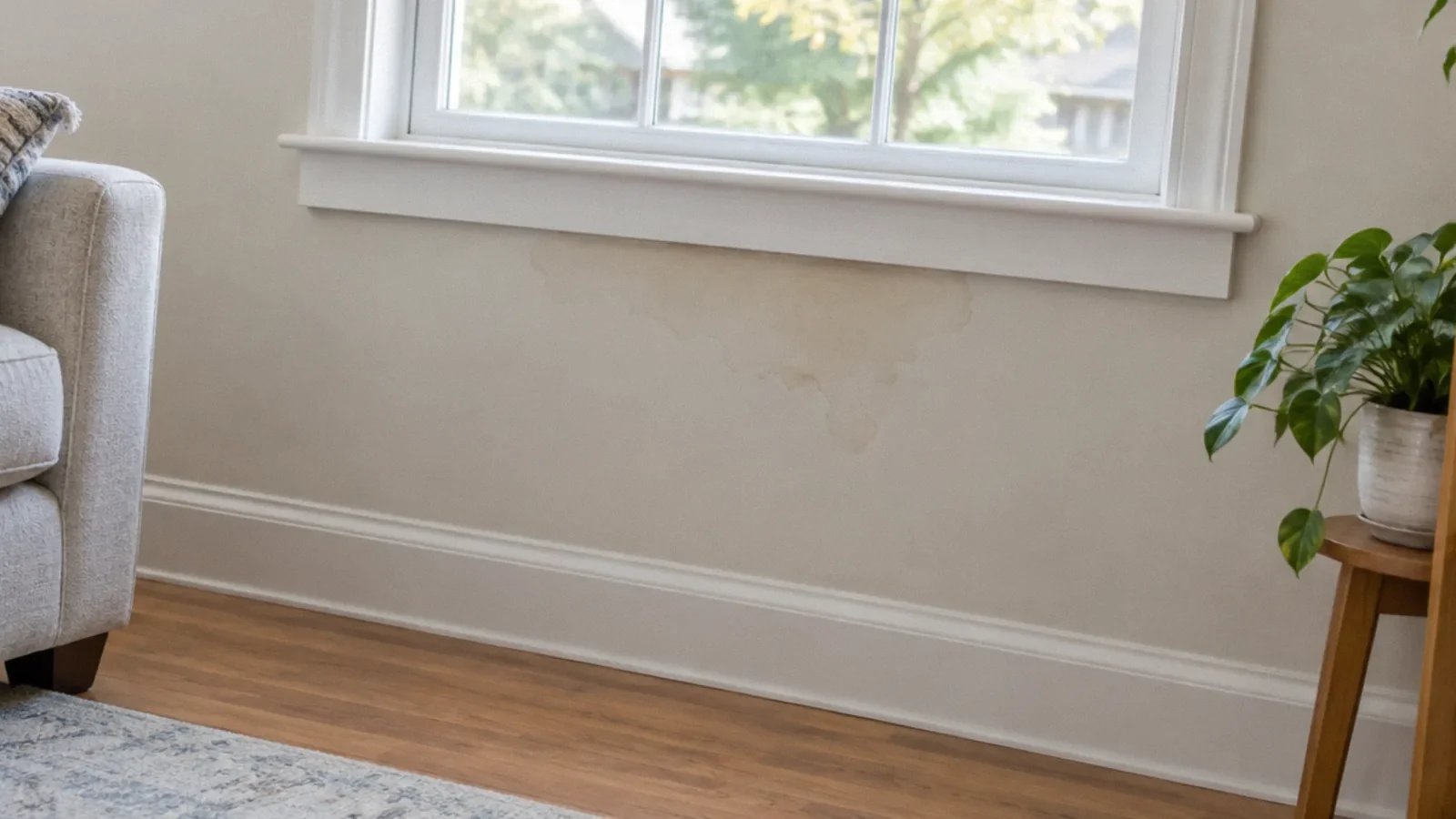
Fresh paint, mismatched texture, or a recurring stain can prompt investigation, but none alone proves concealment. Document the condition, compare it with repair records, and assess moisture before deciding whether a cosmetic patch covers unresolved damage.
A finish is a clue, not a history
A ceiling patch may mark a properly repaired leak, routine remodeling, or an unresolved problem. A bright new wall in an otherwise worn room may deserve a question, but it does not establish why someone painted. Start with neutral observations: the location, approximate dimensions, texture change, discoloration, blistering, and whether the condition changes after weather or fixture use.
EPA advises against painting or caulking over moldy surfaces before cleaning and drying. That provides a building-care principle, not proof that every repainted stain contains mold. The inspection task is to determine what lies behind the finish and whether the source was corrected. The legal question of deliberate concealment requires separate evidence and state-specific advice.
Compare the patch with plausible water paths
Look at what is above or outside the area: a bathroom, roof-wall junction, window, balcony, or condensate line. Ask whether the repair documents identify that source. A stain directly below a bathroom does not automatically prove the drain is leaking; supply plumbing, waterproofing, condensation, or a more distant path may be involved. Water can travel before appearing at the finish.
During a purchase, ask for access and relevant documents within the inspection process. HUD emphasizes the value of an independent home inspection and distinguishes it from an appraisal. A general inspection may identify a concern without resolving the hidden assembly. If the finish or location limits examination, request a targeted follow-up before treating the patch as fully explained.
Choose measurements with clear limits
A qualified investigator may compare moisture readings around the patch, examine adjacent accessible surfaces, or use thermal imaging as a screening tool. Each method has limitations. Temperature variation is not a picture of mold, and a dry surface reading does not establish the historical condition of concealed wood or insulation. Ask what the measurement supports and what it cannot exclude.
If the area is dry, records and appropriate follow-up may be more useful than immediate demolition. If moisture is elevated or the stain returns, investigate the active source. Opening a wall may be warranted, but it should be authorized and planned around utilities, contamination, and lead or asbestos hazards. Do not remove finishes in another person's property without permission.
Preserve evidence before cosmetic work
Keep original photographs showing both the room and the detail. Record the date, weather, and any relevant fixture use. Save written questions and answers, work orders, invoices, and earlier listing photographs if lawfully available. Describe a contractor's observations accurately and ask them to separate what they saw from what they infer about earlier work.
Avoid cleaning, painting, or discarding removed material merely to make the problem look less serious before an assessment. At the same time, do not leave an active leak running to preserve evidence. Necessary mitigation and documentation can happen together: photograph conditions, keep a dated work record, and ask the relevant insurer or legal adviser about evidence preservation when a dispute is developing.
What a dry patch still leaves unanswered
If the patch is dry during inspection, ask whether the original water source has been identified and whether comparable triggering conditions have occurred since repair. A dry-season visit may leave a roof concern unresolved, while a documented plumbing repair and normal use history may provide more useful context. The answer should guide the next step rather than automatically demanding demolition. Keep the distinction between current dryness and historical damage explicit in the report, especially when a buyer is deciding whether the available evidence is sufficient before a contract deadline.
Decide what resolves the concern
A credible explanation connects the original defect, source repair, affected materials, drying or removal, and the final finish. It identifies limitations rather than promising that fresh paint makes everything new. A cosmetic invoice alone may leave the source repair undocumented. Conversely, an old stain with a supported repair history may not justify repeating the entire restoration process.
For a buyer, the decision may be further inspection, a negotiated repair scope, a credit, or use of contract rights with professional advice. For an owner, it may be targeted source repair and documented drying before refinishing. In either case, the useful endpoint is an evidence-based understanding of the assembly, not an accusation based only on the paint color.
Active stains, condensation and leaks
A patch that feels damp, grows, darkens or returns after drying deserves prompt investigation, but color alone cannot identify its cause. Brown discoloration can reflect old water, staining from a finish or another source; it does not identify mold. Photograph and date the patch, keep people away from a bulging surface and wet electrical equipment, and contact the property manager or qualified professional for an active or recurring leak.
Condensation is more plausible on a cold surface during humid conditions, especially when moisture appears across several cool areas; a leak may correlate with rain or fixture use and follow a specific route. Either pattern needs checking because both can coexist. Measure indoor humidity and examine ventilation and accessible water paths without opening suspect materials. Fix the moisture source before cleaning or repainting; a visual inspection alone cannot establish that concealed layers are dry.
Your next-step checklist
- Photograph the finish in context and describe observations without assigning intent.
- Ask which source caused the original stain and request its repair record.
- Treat thermal and moisture readings as evidence with material-specific limits.
- Obtain permission and a safe access plan before opening finishes.
- Preserve dated records while promptly mitigating any continuing water entry.
Related questions
Does stain-blocking primer prove fraud?
No. Such a finish may be part of a legitimate completed repair. The issue is whether damage and moisture were addressed and required disclosures were accurate.
Can a home inspector see through new paint?
No. Inspectors may identify clues and use appropriate tools, but concealed conditions and access limits remain. Ask for the report’s specific limitations.
What if the stain returns after closing?
Document the new event, stop further damage, and arrange source investigation. Review the prior disclosures and repair records with the appropriate professionals before drawing legal conclusions.
Does water stain walls?
Yes. Water can leave discoloration, bubbling paint or other marks, but the stain alone does not identify the source, age or extent of concealed damage.
Sources & context
Public guidance supports the principles in this article. The practical questions and examples are editorial interpretation, not a site assessment or a coverage decision. State-specific rules apply only where identified.
- EPA: Mold, moisture and your homeofficial
- HUD: For your protection, get a home inspectionofficial
- California DRE: 2026 real estate law excerptsofficial
- Official guidanceofficial
Community questions behind this topic
These discussions helped identify reader concerns. They are anecdotal, not technical or legal authority.