Old staining or a patch can support further investigation but does not alone prove a seller knew about an undisclosed defect. Preserve dated records, obtain a source assessment, and have a qualified attorney evaluate duties, evidence, deadlines, and possible remedies.
First steps after discovering water damage
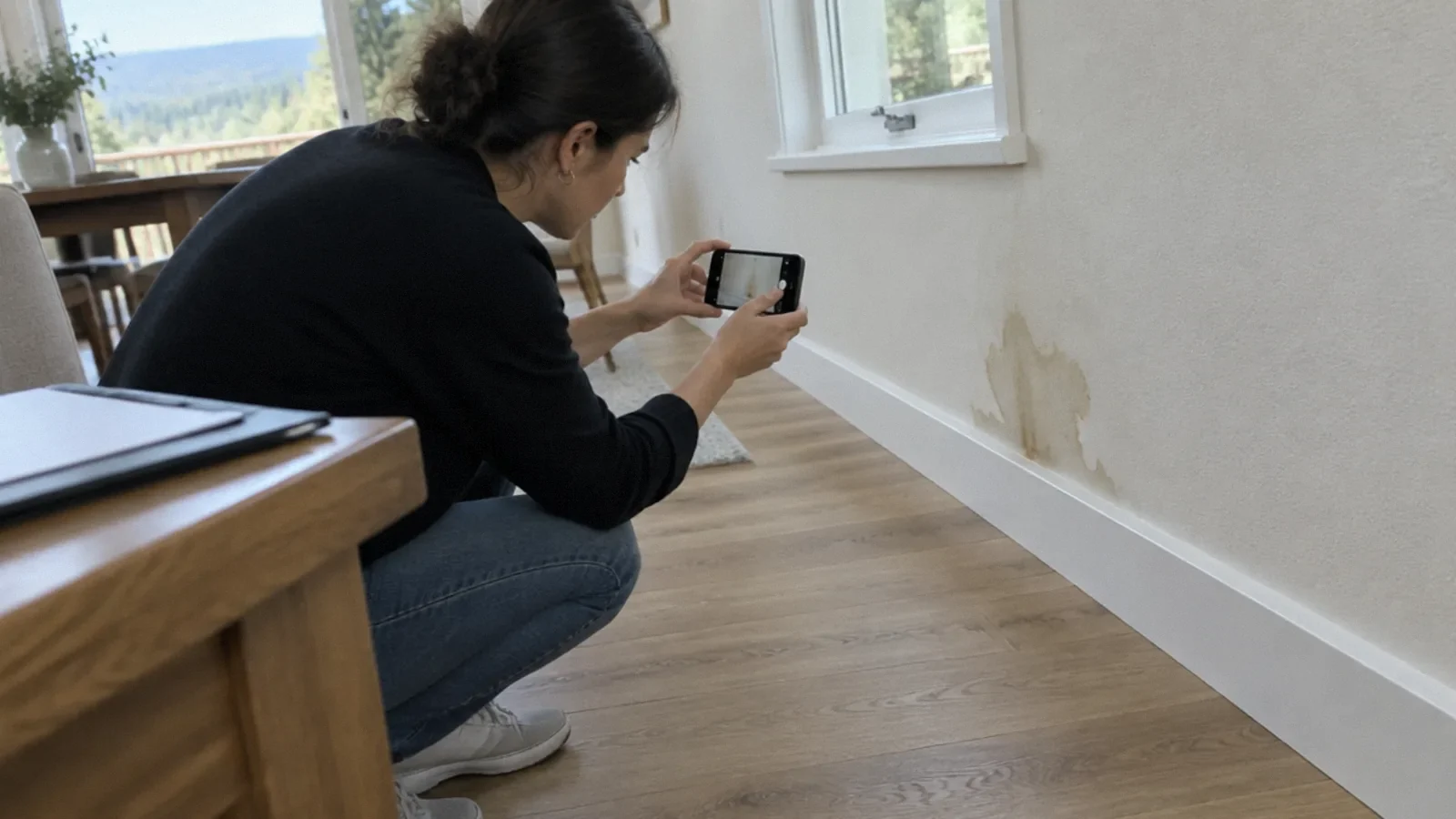
If an active leak is present, keep people away from wet electrical equipment and arrange a safe repair. Photograph the condition from a safe location before necessary work when possible. An urgent repair should not be delayed merely to preserve evidence; document why it was needed and retain invoices.
Review the purchase contract, seller disclosures and inspection report, including any stated limitations. Ask a qualified building professional to identify the source and scope of the damage. Finding damage after closing does not by itself establish when it began, who knew about it or whether a legal duty was breached.
Separate four questions before making accusations
First, what condition exists now? Second, what caused it and when might relevant events have occurred? Third, what did the seller or another responsible party actually know? Fourth, what did the applicable law and contract require them to communicate? These questions overlap, but proof of one does not automatically answer the others.
California DRE materials show why the actual disclosure questions and transaction circumstances matter in California. Other jurisdictions differ. A lawyer evaluating a claim needs the contract, disclosures, reports, timeline, and losses, not merely a photograph labeled 'hidden mold.' Avoid relying on a Reddit comment about another state's successful claim as a statement of your own rights.
Preserve original evidence while stopping damage
Photograph the condition in context before necessary repairs where safely possible. Keep original files, dates, emails, text messages, invoices, and reports. Record who first observed the problem and what they actually saw. If a contractor opens a wall, ask for photographs before removal and a written distinction between direct observations and opinions about prior work.
Do not allow an active leak to continue for the sake of evidence. EPA emphasizes prompt moisture correction and cleanup. Document mitigation as it happens, including why urgent work was necessary. When litigation or an insurance dispute is foreseeable, ask the relevant adviser how to handle removed material and whether another party needs an opportunity to inspect. Evidence preservation requirements can be fact-specific.
Look for records that establish a timeline
A dated prior repair invoice, inspection report delivered to an owner, written tenant complaint, or earlier contractor proposal may be more informative about knowledge than the appearance of a stain. Obtain records lawfully and preserve their context. A photograph without a reliable date or location may have limited value even if it looks dramatic.
If a former tenant or contractor has relevant information, record their own account accurately and let counsel decide how to obtain or preserve formal evidence. Do not pressure someone to adopt your theory or rewrite a history. Distinguish 'I told the owner about water entering this room' from 'I assume the owner must have known.' The first is a potentially verifiable event; the second is an inference.
Treat physical clues as clues
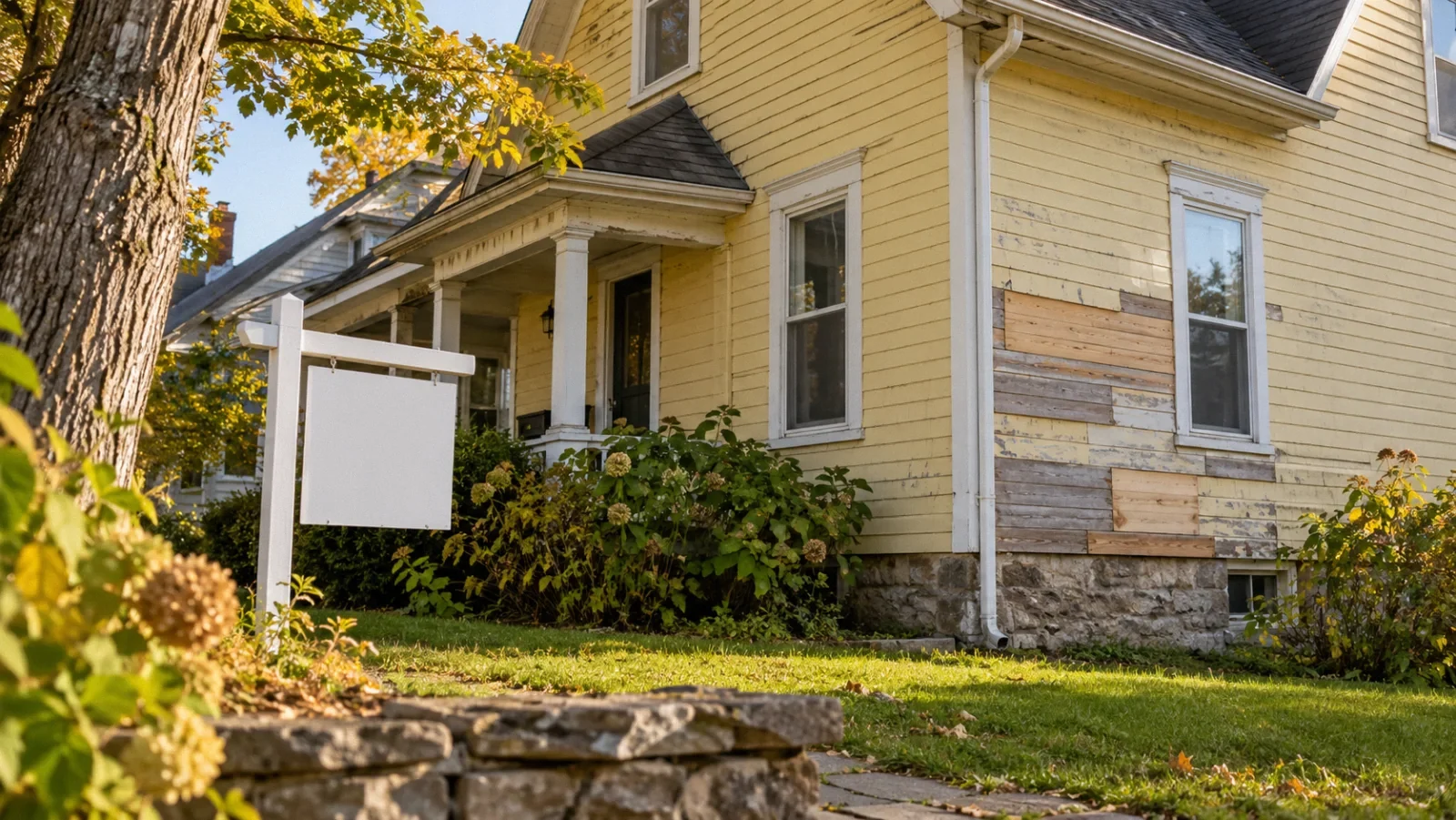
Matching patches at the base of several walls, newer trim, or a repainted ceiling may support questions about prior repairs. They do not establish who performed the work, when, or why. A seller may have inherited repairs or received incomplete information. Likewise, an assertion of ignorance is not automatically conclusive if contemporaneous records show otherwise.
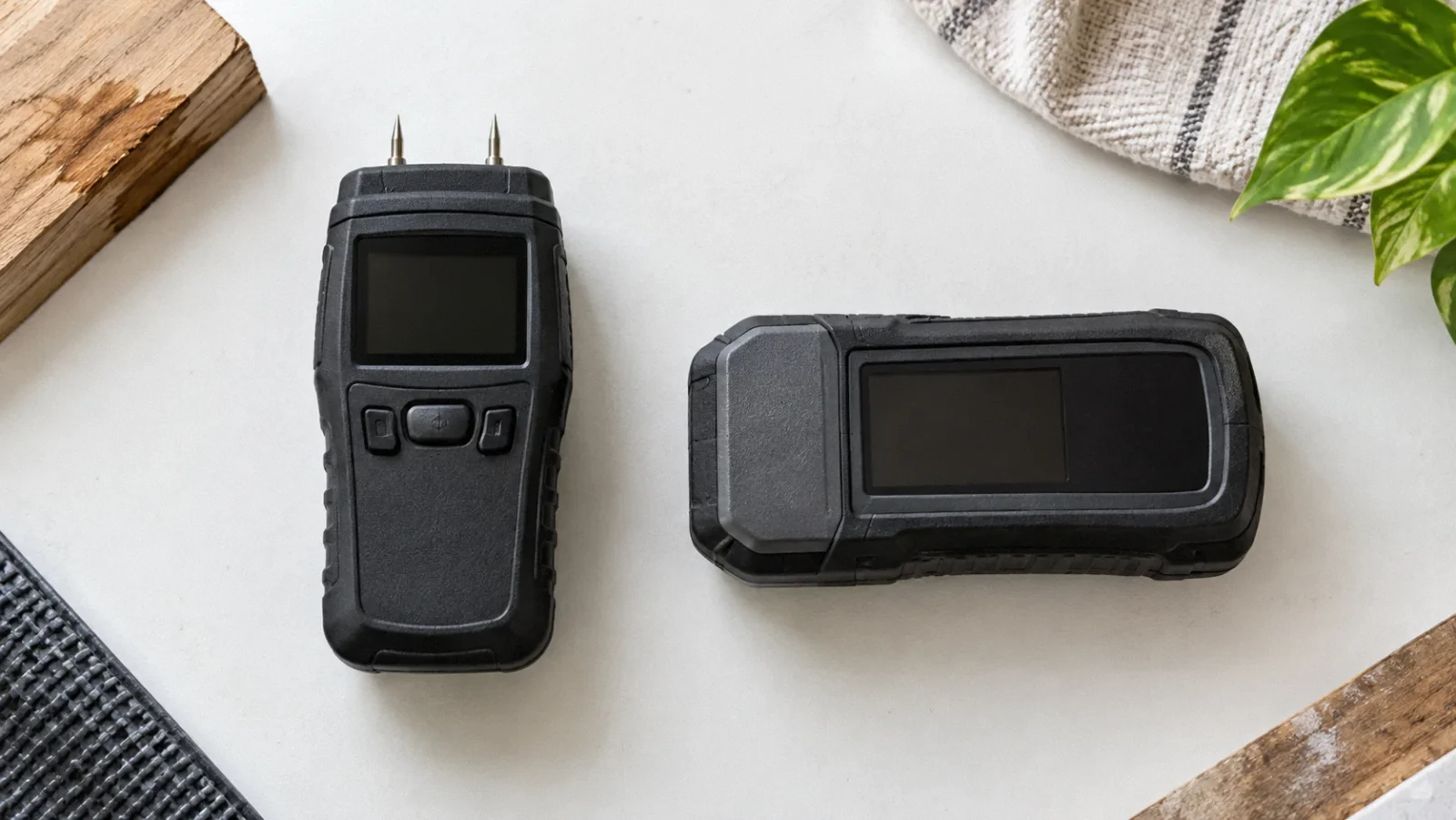
Ask the investigator to describe the material condition without overstating its age. Mold color, rot appearance, or a moisture reading cannot supply an exact start date by themselves. A sound report can explain whether observations are consistent with repeated wetting while acknowledging the limits of dating. That careful wording is more useful than an unsupported claim that damage 'must be ten years old.'
Test your theory against competing explanations
A patch at the bottom of a basement wall may reflect a previous flood cut, a plumbing repair, or another alteration. A prior contractor invoice naming water intrusion at that location strengthens one explanation. An invoice delivered to the seller during ownership may also be relevant to knowledge, but its wording, recipient, date, and context still matter. The legal significance is for counsel to assess.
Build the chronology so facts that weaken your initial theory remain visible. For example, a repair predating the seller's ownership may explain the physical clue without establishing that seller's awareness. A later written tenant complaint may change that analysis. Keeping both facts prevents the investigation from becoming a collection of only the evidence that supports an accusation.
Ask the technical professional to avoid legal conclusions such as fraud in the condition report unless that is genuinely within their assigned expertise. A precise description of earlier patch materials, present moisture, and the observed failure path is more useful. Counsel can then connect those findings to communications, duties, reliance, losses, and the other elements that the actual claim requires.
Organize the file for professional review
Build a chronology with separate columns for event date, source, observation, and unanswered question. Include the purchase contract, disclosure versions, inspection limitations, closing dates, discovery date, source diagnosis, mitigation costs, and proposed permanent repairs. Keep estimates separate from paid invoices and distinguish repair of existing damage from elective improvements.
Ask the attorney about relevant deadlines, notice obligations, contractual dispute procedures, possible parties, and the evidence needed for each theory. Do not assume the only choices are an immediate lawsuit or doing nothing. The appropriate path may involve further investigation, a documented request, negotiation, insurance review, or litigation. The building still needs a safe repair plan regardless of how responsibility is eventually allocated.
Your next-step checklist
- Preserve original dated photographs and communications without editing their substance.
- Mitigate active damage and document why urgent work was necessary.
- Separate direct observations, professional opinions, and your own inferences.
- Seek lawful contemporaneous records that may establish who received information.
- Have counsel assess actual duties, notice requirements, deadlines, and documented losses.
Related questions
Does fresh paint prove prior knowledge?
No. It is a clue that may justify questions. Records and testimony about the underlying condition and communications are more informative.
Can mold tell me exactly when the leak began?
Not reliably from appearance alone. A professional may describe consistency with repeated wetting, but exact dating needs other evidence.
Should I threaten legal action before investigating?
A factual record and legal review usually make the next communication more useful. Avoid unsupported accusations and do not miss applicable notice or filing deadlines while investigating.
What if I find water damage after buying a house?
Address an active leak safely, preserve photographs and records, obtain a professional source assessment and review the purchase documents. A California real estate attorney can assess any relevant notice requirements and deadlines.
Sources & context
Public guidance supports the principles in this article. The practical questions and examples are editorial interpretation, not a site assessment or a coverage decision. State-specific rules apply only where identified.
Community questions behind this topic
These discussions helped identify reader concerns. They are anecdotal, not technical or legal authority.