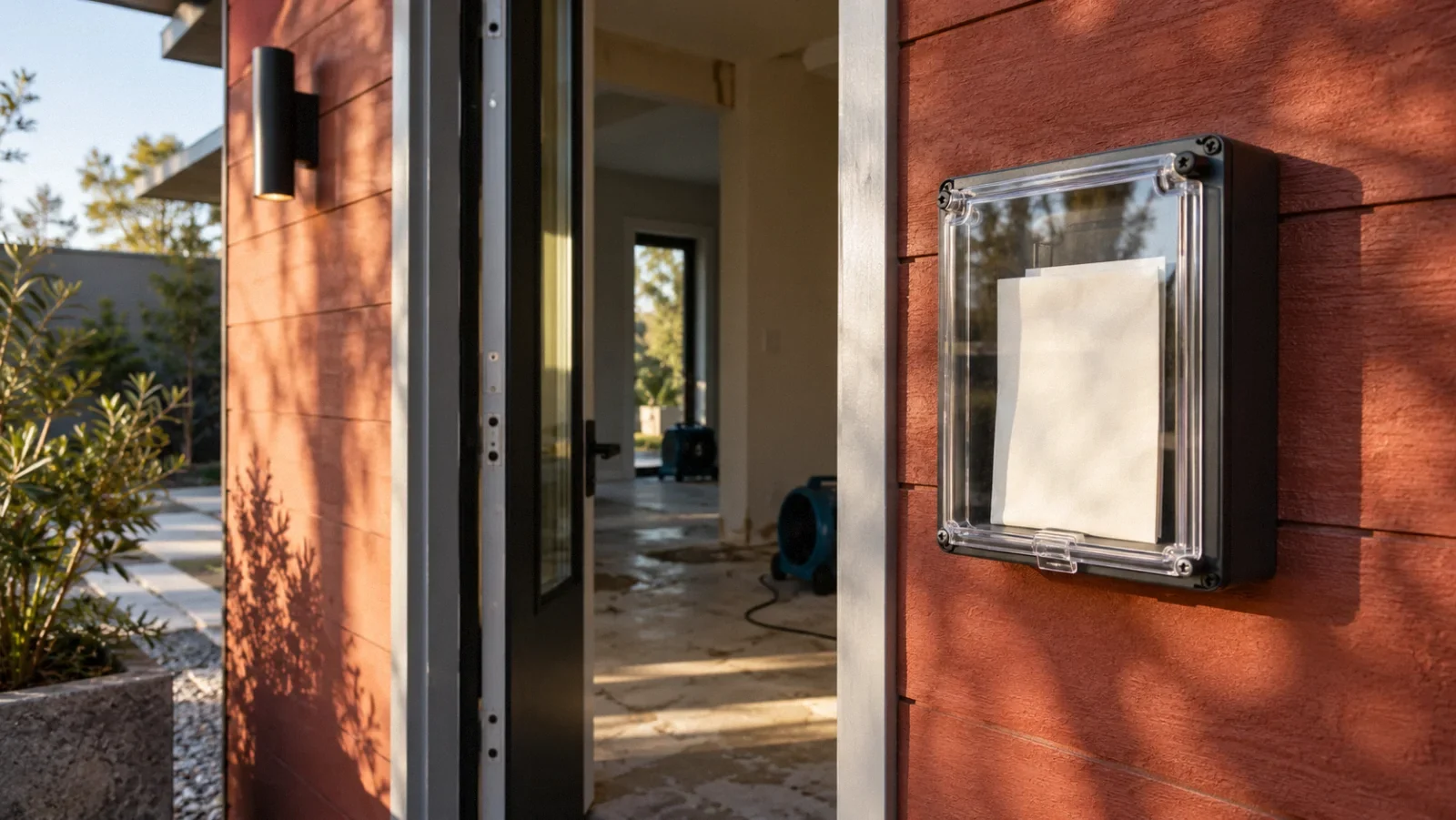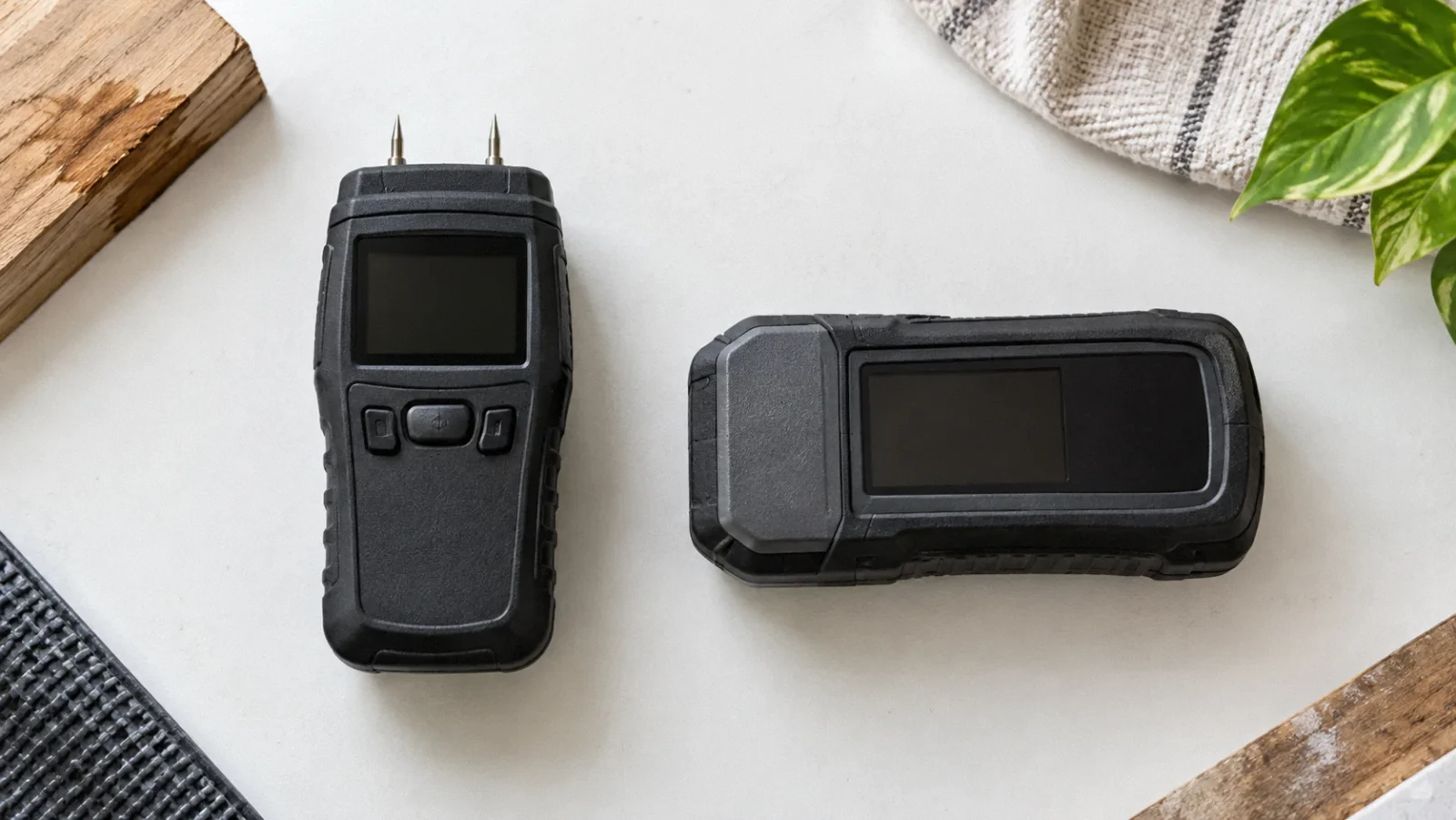
A building inspection checks the permitted work within the authority’s scope. Mold verification evaluates the agreed remediation criteria. Neither automatically replaces the other, and neither should be described as a guarantee about every concealed condition or occupant’s health.
Identify the question each reviewer answers
A building official may inspect framing, electrical, plumbing, mechanical, or other permitted work for applicable requirements. A remediation verifier may evaluate cleaning, moisture correction, retained materials, and any agreed sampling. A flooring installer may separately assess whether the substrate meets installation requirements. These reviews can occur on the same project without having the same scope.
Confusion begins when a document simply says 'passed.' Ask passed what, in which area, on which date, using which criteria, and with which limitations. A municipal inspection record should not be rewritten as proof that no mold remains anywhere. An environmental report should not be represented as permission to cover uninspected electrical or structural work.
Plan the sequence while surfaces are exposed
The project schedule should identify when each reviewer needs access. A building official may need to inspect a repair before it is covered. The remediation reviewer may need to see cleaned surfaces before reconstruction. If these requirements are not coordinated, one trade can conceal the evidence another reviewer needs, creating rework and uncertainty.
Make a simple hold-point list: source correction, removal or cleaning, drying assessment, remediation review if required, rough inspections, reconstruction, and final approvals. The exact order depends on the project. The list should name who releases each hold point and what record is produced. Do not infer that one person's approval silently authorizes every later step.
Understand the limits of mold sampling
EPA states that federal mold or spore limits have not been established and that sampling requires appropriate expertise. NIOSH cautions against using brief air samples as a health-risk verdict. A project-specific sampling protocol may still be part of a contract or other applicable requirement, but it must be labeled accurately.
Ask the verifier to integrate sampling with physical observations. A sample result cannot erase a visible moisture problem or debris left in a cavity. If the report includes a numerical criterion, identify its origin and purpose. A provider's chosen benchmark is not automatically a government standard, and a laboratory result does not itself diagnose whether an occupant's symptoms are building-related.
Resolve conflicting approvals by scope
Imagine a wall repair passes a required framing inspection, but the remediation reviewer finds damp retained material nearby. The framing approval and moisture concern are not contradictory; they address different questions. Reconstruction may still need to wait for the moisture issue. The correct response is to identify the unresolved criterion and responsible party.
Alternatively, a remediation review may find the area clean and dry while the electrical permit remains open. That does not authorize energizing flood-affected equipment or covering work that requires inspection. Keep the outstanding item in the project log and obtain the appropriate qualified review. A stack of favorable documents is not a substitute for closing the specific missing step.
A coordinated review example
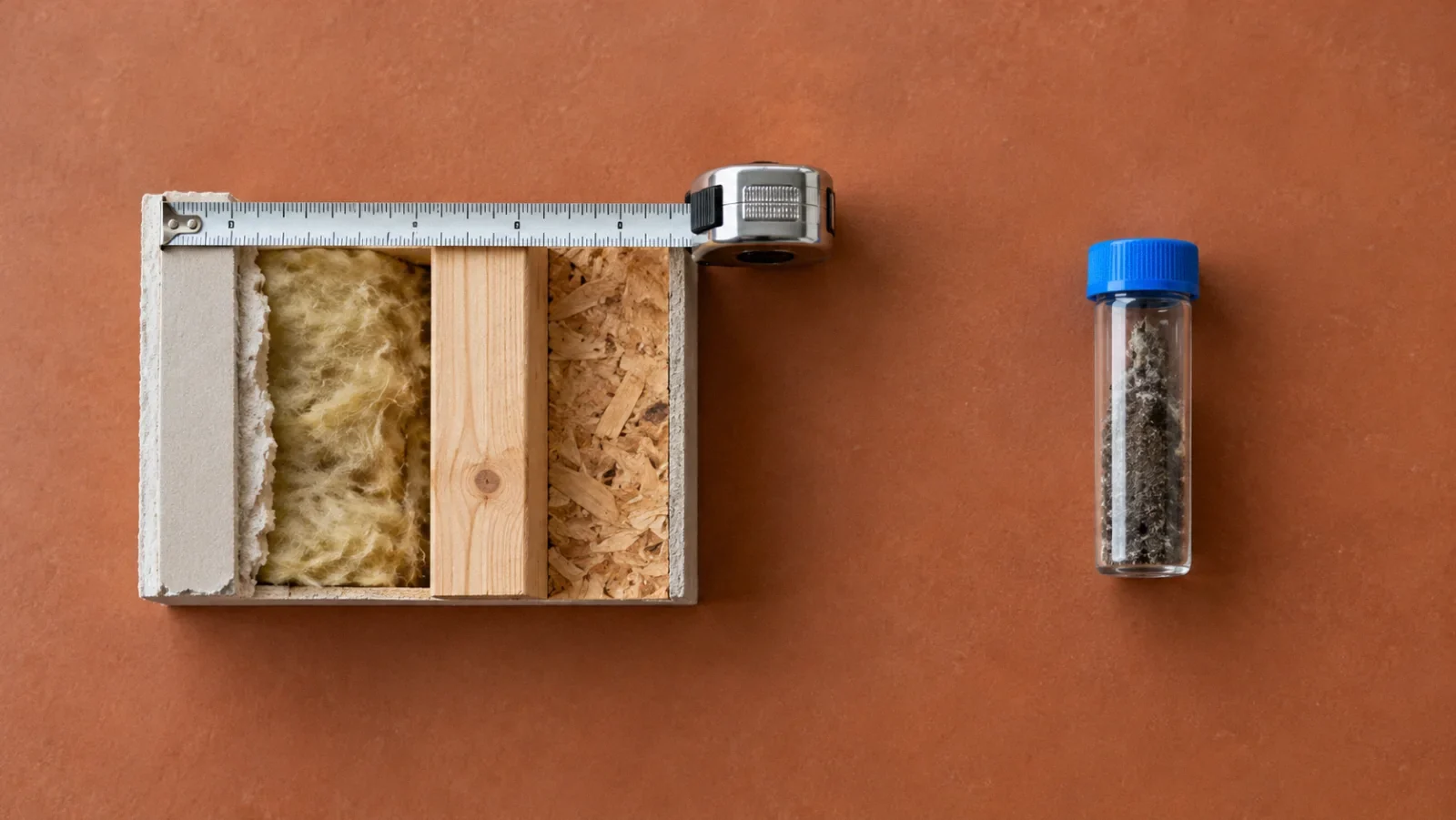
Consider a flood-damaged room where lower wall material was removed, electrical devices were replaced, and remaining framing was cleaned. The environmental reviewer may need to examine the retained surfaces before new insulation is installed. The building authority may need to inspect electrical and framing work at specified stages. The reconstruction installer then needs an acceptable substrate. Put all three access needs on the same schedule.
If one reviewer approves their part while another identifies an outstanding issue, record both outcomes without treating them as competing verdicts. The room might be acceptable for a particular cleaning criterion but not ready for closure. Or permitted work may be acceptable while the source repair is still awaiting confirmation. The next action follows the unresolved issue, not the most favorable document.
Ask the project lead to issue a short stage summary naming completed reviews and open hold points. Include the evidence needed for each remaining release and who can provide it. This prevents an owner from receiving several isolated approvals and assuming they collectively authorize a step that no reviewer actually addressed. The summary should point to the original reports and never broaden their conclusions.
Deliver a completion package with accurate labels
The owner should receive the source repair record, remediation scope and report where applicable, moisture evidence, permit and inspection status, reconstruction warranties, and a list of exceptions. Each document should retain its original title and scope. A summary can help, but it should link to the full reports rather than stripping out limitations.
When selling or occupying the repaired property, describe the verified stages precisely. 'The permitted electrical repair received final approval' and 'the specified remediation area met the agreed verification criteria' are narrower and more useful than 'the house passed everything.' Follow-up remains necessary if water or odor returns, because approvals concern the assessed work and time rather than all future conditions.
Your next-step checklist
- List each required reviewer and the specific question within that reviewer’s scope.
- Schedule access before the surfaces needed for review are covered.
- Record who releases each reconstruction hold point and which evidence supports it.
- Identify the origin and limits of any mold sampling criterion.
- Keep unresolved approvals and exceptions visible in the final completion package.
Related questions
Can a city inspector certify a home mold-free?
Do not assume that is within the inspection scope. Ask the authority what was actually evaluated and obtain a separate assessment when needed.
Does a good mold report close a building permit?
No. Permit status is determined through the relevant authority’s process.
What if the contractor uses clearance as a general label?
Ask for the full report and exact meaning. Clarify whether it refers to visual review, moisture findings, sampling, code inspection, or another defined service.
Sources & context
Public guidance supports the principles in this article. The practical questions and examples are editorial interpretation, not a site assessment or a coverage decision. State-specific rules apply only where identified.
- CSLB: Building permit requirementsofficial
- EPA: Is sampling or testing for mold necessary?official
- CDC/NIOSH: Mold, testing and remediationofficial
- EPA: Mold, moisture and your homeofficial
Community questions behind this topic
These discussions helped identify reader concerns. They are anecdotal, not technical or legal authority.