Water damage does not remove the asbestos hazard in older materials. Before cutting, sanding, scraping, or removing suspect components, arrange appropriate evaluation and use qualified professionals when needed; appearance and a building’s age alone cannot determine asbestos content.
Why an urgent leak still needs a material check
A wet ceiling may require access, but the ceiling can include joint compound, texture, insulation, or other materials with a different hazard from the water itself. Flooring may contain several layers, including adhesives. A repair plan that treats all demolition debris as ordinary wet material can overlook those components. Stop the water safely while the disturbance plan is evaluated.
EPA advises that suspect asbestos-containing materials cannot generally be identified by appearance alone and recommends trained, accredited professionals for assessment and work where appropriate. The presence of intact material does not automatically mean it must be removed. Its condition and the proposed disturbance matter. A damaged or renovation-affected material requires a different decision from one that can safely remain undisturbed.
Inventory the components in the actual work path
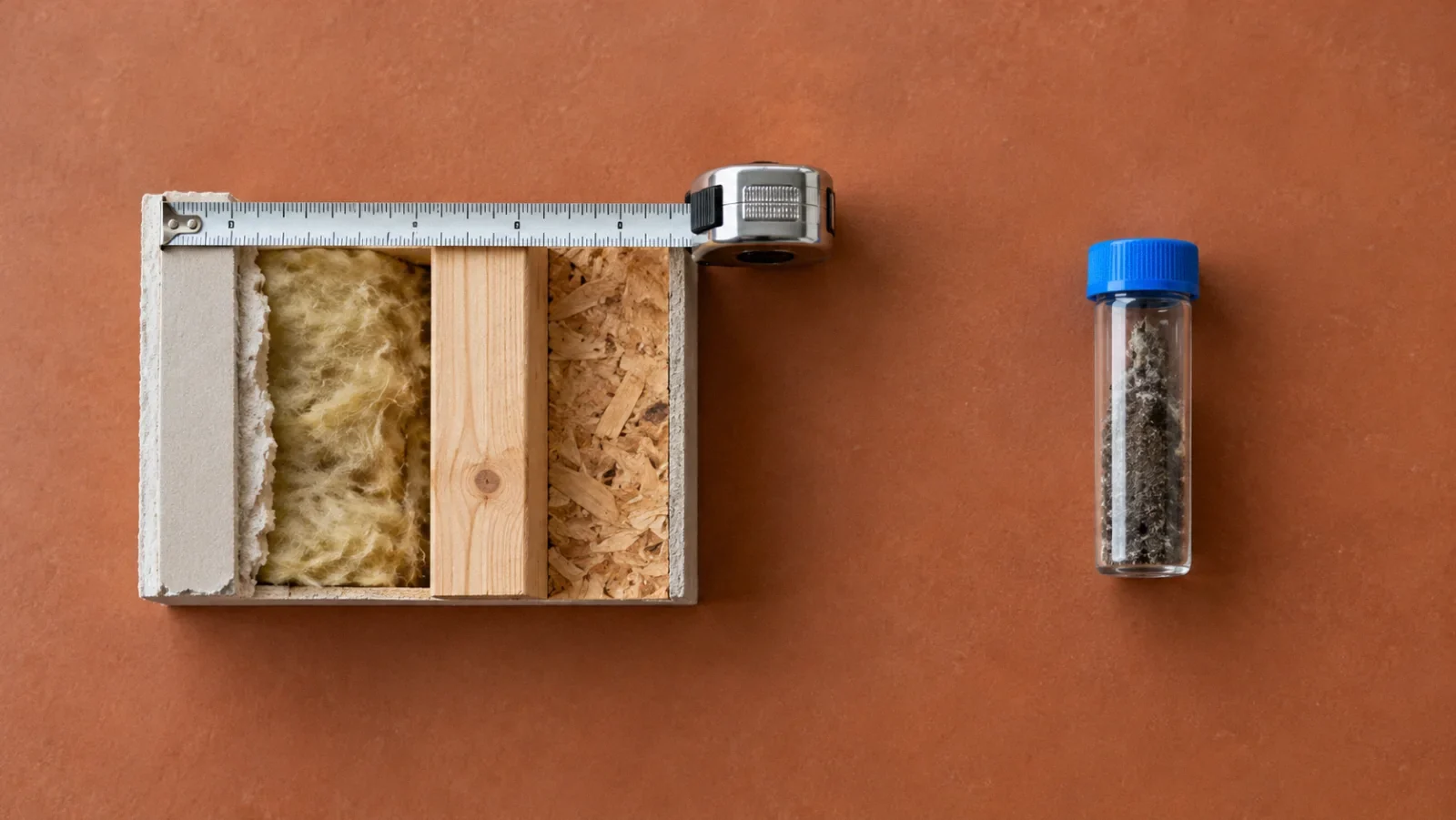
Ask the assessor to review what the proposed opening will disturb, not just the most visible finish. A ceiling access may affect texture, compound, board, and insulation. Floor removal may affect sheet flooring, tile, underlayment, and adhesive. Pipe or duct access may encounter thermal insulation. The inventory should follow the demolition route and anticipated scope changes.
Provide available building and renovation dates, prior surveys, and product records. These can guide the assessment but should not be converted into unsupported certainty. A house built after a familiar cutoff date or a room renovated recently may still contain older layers. Conversely, age alone does not establish that a particular material contains asbestos. Let the qualified assessor explain the evidence and limits.
Keep sampling separate from casual demolition
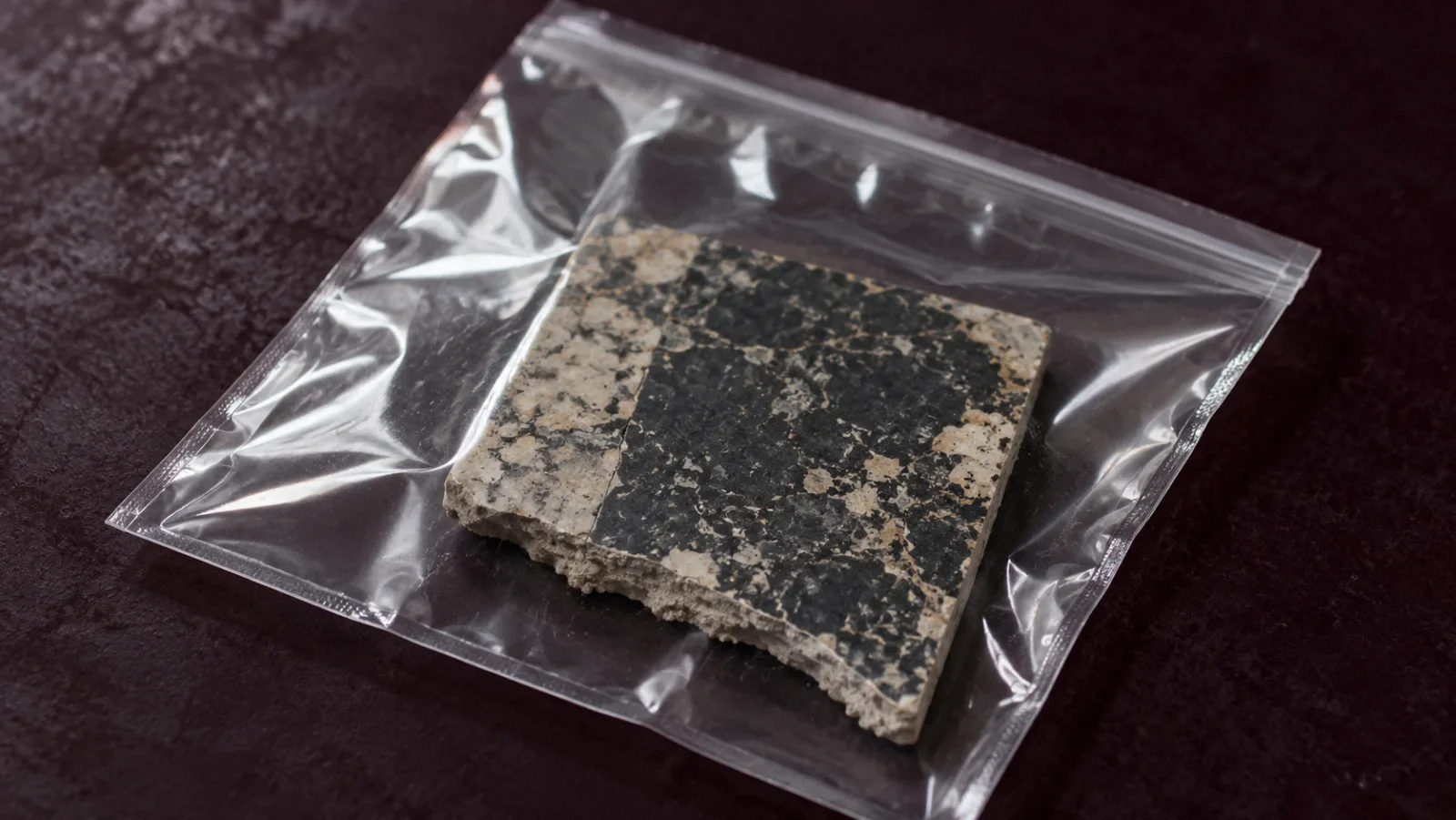
Do not collect samples by scraping suspect material into a bag as an improvised first step. Sampling itself can disturb fibers and must be planned appropriately. Ask who is qualified to inspect and sample in the jurisdiction, which materials the survey covers, and how the results will map to the work area. A negative result for one material does not clear every adjacent layer.
Keep the laboratory report and the assessor's interpretation together. The report should identify sample locations and materials clearly enough for the contractor to avoid confusing them. If later demolition exposes a previously unassessed layer, stop that disturbance and request a revised assessment. A survey is bounded by its scope and access, not an all-purpose clearance for future surprises.
Coordinate the applicable work requirements
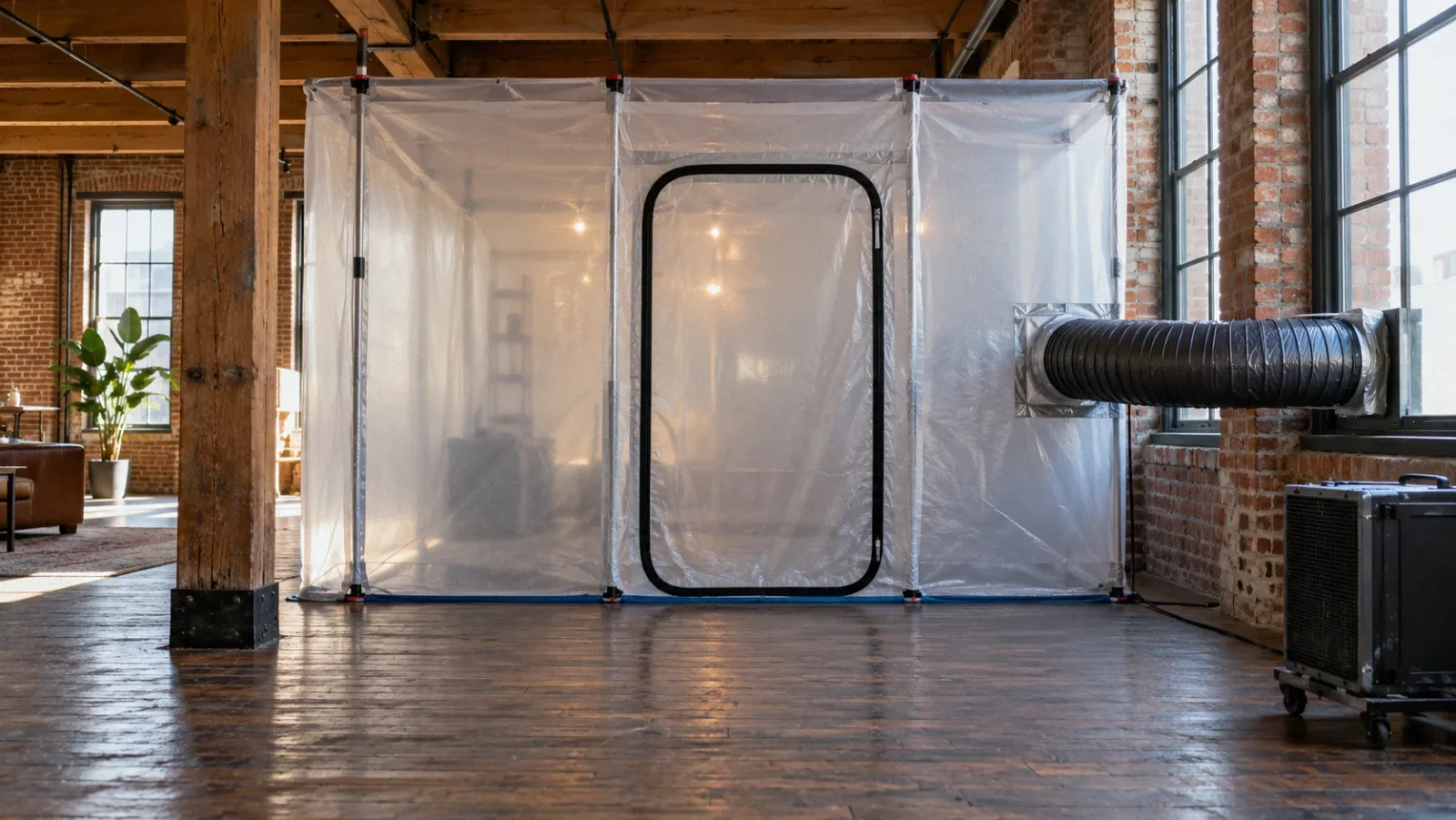
Asbestos work can involve federal, state, and local rules, worker protection, licensing or accreditation, notifications, and disposal requirements. The applicable combination depends on the building and task. OSHA's flood guidance reminds employers that cleanup includes multiple hazards, not just mold. A general restoration credential is not a substitute for the qualifications needed for regulated asbestos work.
Ask the project team who determines the requirements and obtains any necessary approvals. The local building department may also need to review the reconstruction scope. Keep the asbestos work plan connected to moisture mitigation so one crew does not enter or disturb an area before another has established controls. A coordinated schedule can preserve urgency without bypassing the material hazard.
Reconstruction can disturb material left behind
Asbestos review should continue through the reconstruction plan, not end when the removal crew leaves. OSHA's May 7, 2026 interpretation addresses drywall installation after removal of water-damaged asbestos-containing material where other material remains. It explains that contacting or disturbing remaining material can still bring the restoration work under the asbestos standard, with the appropriate competent-person assessment and precautions.
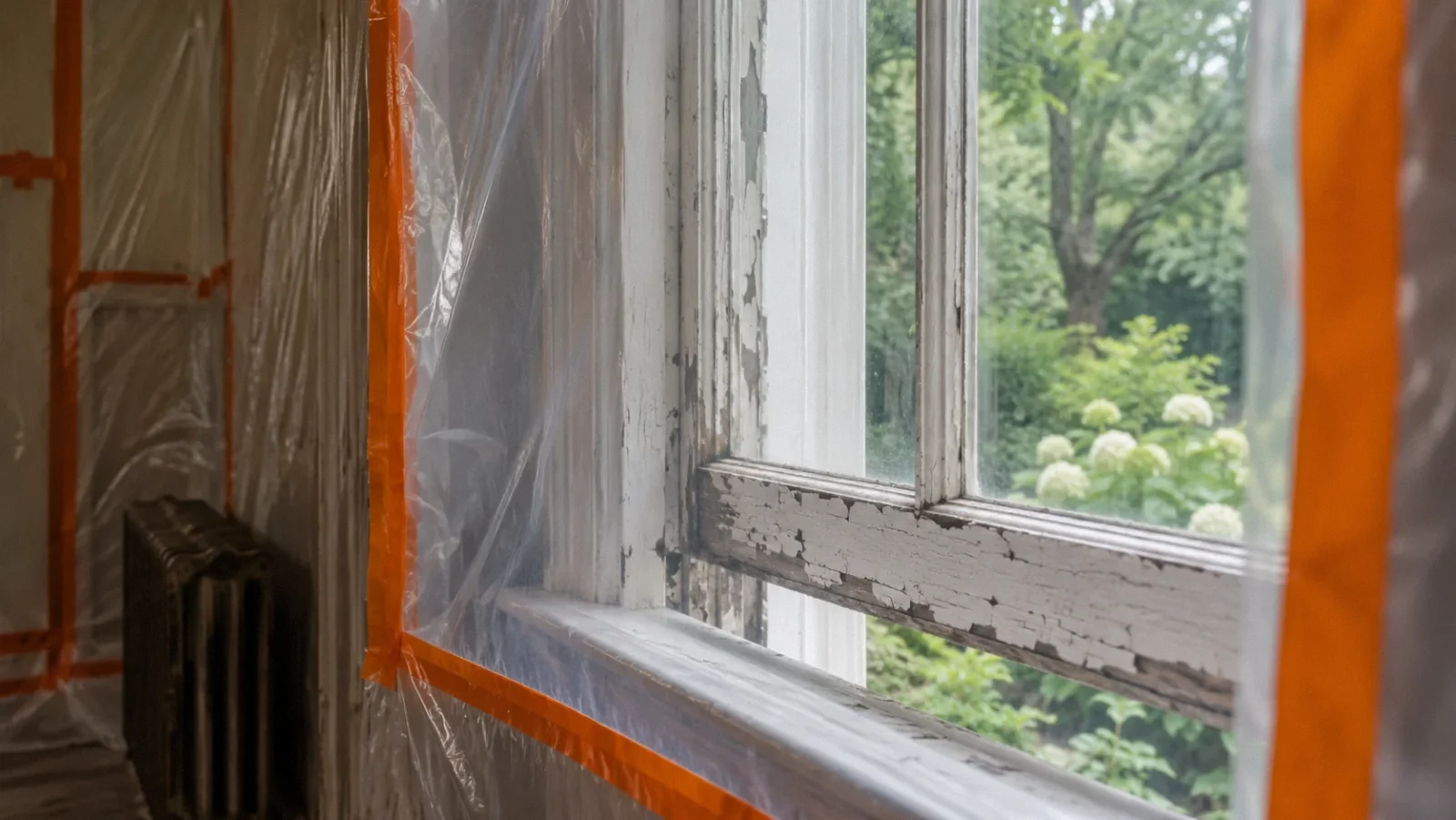
For example, installing a new patch beside existing joint compound may involve sanding or other contact beyond the original removal boundary. Ask the qualified team whether the reconstruction method changes the hazard assessment. The ordinary drywall crew should receive the relevant material-location information before work, rather than discovering it after dust is generated.
Keep the handoff concrete: identify remaining material, restricted activities, the responsible competent person, and the approved next scope. A document saying abatement complete may refer only to the material removed from a defined area. It should not be interpreted as permission to disturb every remaining surface in the room. This distinction prevents a carefully controlled removal from being undermined during routine finishing work.
Verify the handoff before ordinary reconstruction
The completion documentation should identify the material addressed, work area, methods and controls described in the professional plan, required inspections or testing, and disposal records where applicable. Do not substitute a mold air report for asbestos-related requirements. The hazards and analytical methods are different, and the word clearance needs a defined meaning.
After the regulated work, confirm which remaining materials are still present and whether future disturbance requires precautions. Retain the survey and completion documents for later renovations and sale disclosures where applicable. If a material was left in place, label its location in the property file. The goal is not indiscriminate removal of every older component; it is preventing uncontrolled disturbance while completing the water repair.
Your next-step checklist
- Inventory every material layer the proposed access or demolition may disturb.
- Use a qualified assessor and keep sample locations tied to the demolition plan.
- Stop when an unassessed layer appears rather than extending a limited result to it.
- Coordinate asbestos, worker protection, permit, and disposal responsibilities.
- Retain the full survey and completion record, including materials left in place.
Related questions
Does being wet make asbestos safe to remove?
No. Water damage does not erase the material hazard or applicable work requirements. The response needs an appropriate professional plan.
Can one negative sample clear the whole room?
Not automatically. It applies to the sampled material and the assessment design. Different layers or suspect materials may need separate evaluation.
Must all asbestos in a home be removed?
Not necessarily. EPA distinguishes intact material that can remain undisturbed from damaged or renovation-affected material. A qualified assessment should guide the decision.
Sources & context
Public guidance supports the principles in this article. The practical questions and examples are editorial interpretation, not a site assessment or a coverage decision. State-specific rules apply only where identified.
- EPA: Protect your family from asbestosofficial
- CSLB: Building permit requirementsofficial
- OSHA: Drywall replacement after removing water-damaged asbestos-containing materials, May 2026official
Community questions behind this topic
These discussions helped identify reader concerns. They are anecdotal, not technical or legal authority.