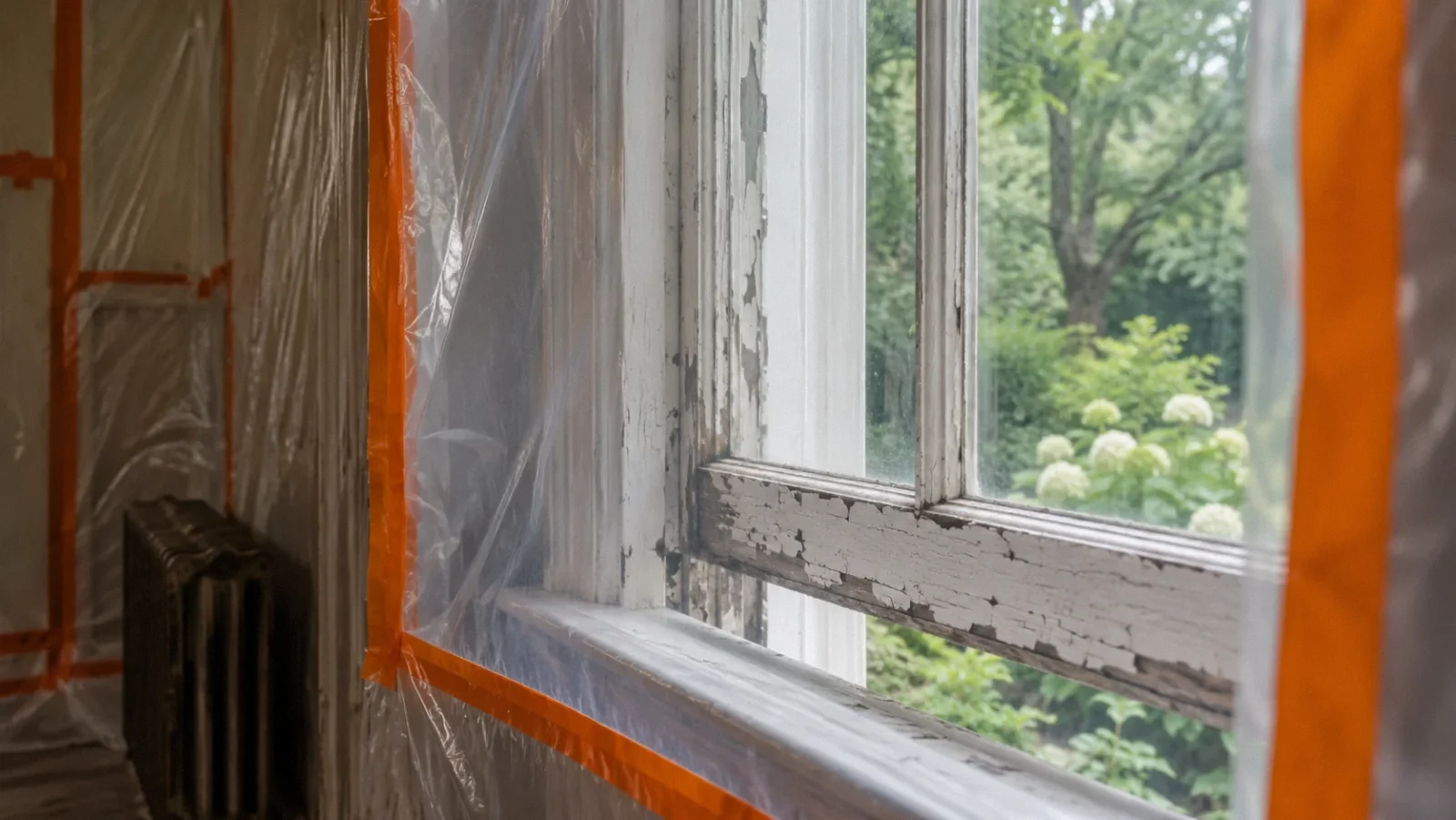
Water damage repairs that disturb paint in pre-1978 housing can create lead dust. Covered paid renovation work generally requires lead-safe certification and practices under EPA’s RRP framework or an authorized state program; confirm the actual scope and applicable requirements before demolition.
The leak and the paint are separate hazards
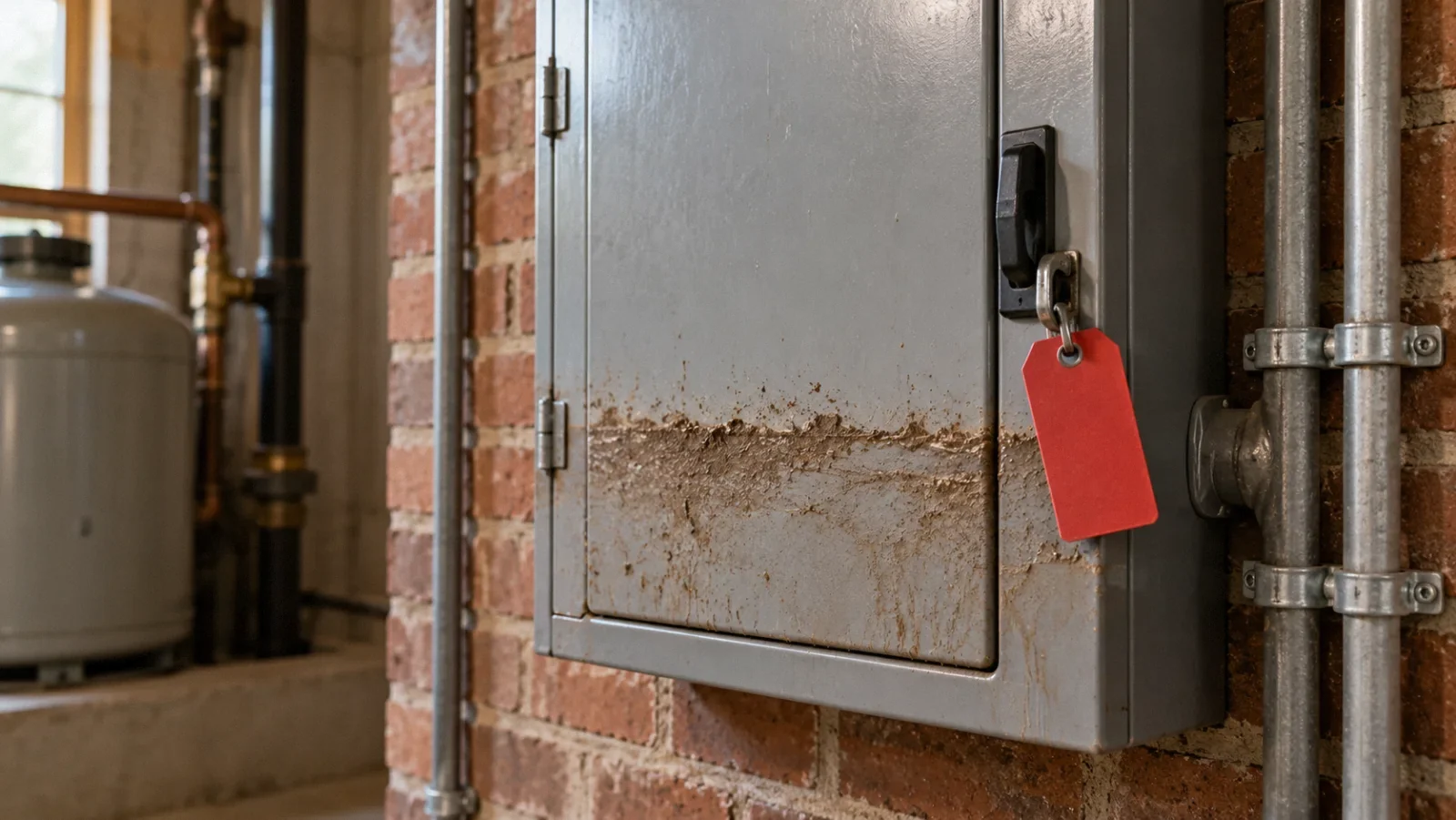
A saturated wall can require prompt action while its painted layers create an additional disturbance hazard. Cutting, sanding, scraping, and demolition can distribute dust beyond the wet area. Do not assume that because the original problem was water, a drying or mold plan automatically addresses lead. The repair team should evaluate both the water-damaged assembly and the surfaces it will disturb.
EPA's consumer guidance explains the relevance of pre-1978 housing and lead-safe work. Its Steps to Lead Safe Renovation, Repair and Painting publication was updated in March 2026. The applicable federal or authorized state requirements should be checked for the actual project. This is particularly important when a contractor relies on an exemption or describes the work as emergency activity.
Confirm who is qualified for the work
Ask the paid contractor about firm certification and the certified renovator responsible for covered work. General construction licensing and lead-safe certification address different requirements. A familiar restoration company may have the appropriate qualifications, but that should be verified rather than inferred from its equipment or advertising.
The owner's do-it-yourself situation can differ from paid work, but it is not a reason to ignore dust protection. EPA notes that the RRP framework can apply to rental property, child-care operations, or renovation for profit even when an owner is involved. Clarify the property use and work arrangement before assuming a homeowner exception. Worker-protection requirements may also apply separately to employers.
Define the disturbed surfaces and access route
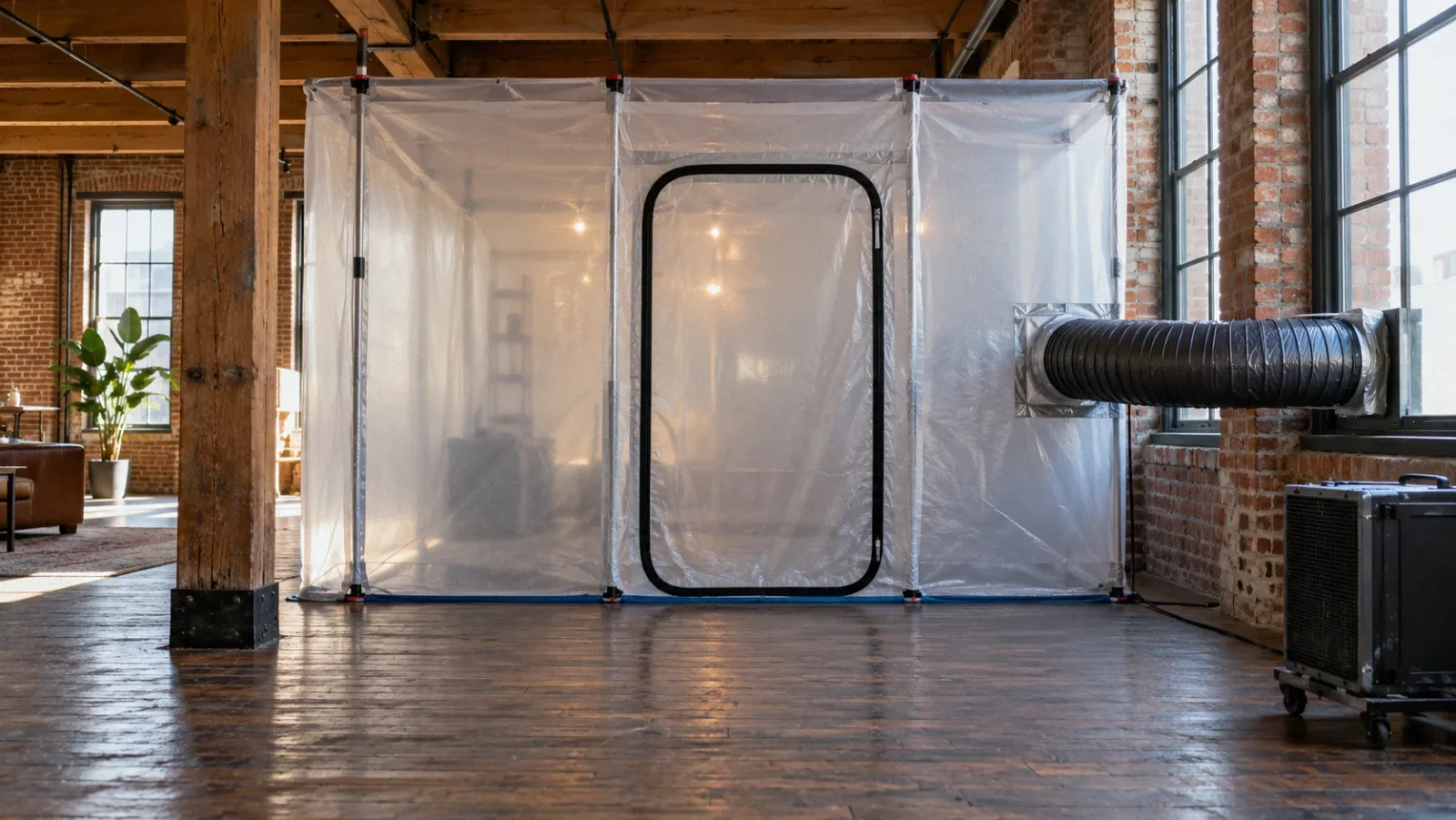
The work area includes more than the hole in the wet wall. Removing trim, moving doors, accessing plumbing, and transporting debris can affect painted surfaces and clean rooms. Ask for a plan that identifies the area, occupant separation, protection of belongings, cleanup, and the route for waste. The plan should account for children, pets, and normal access through the home.
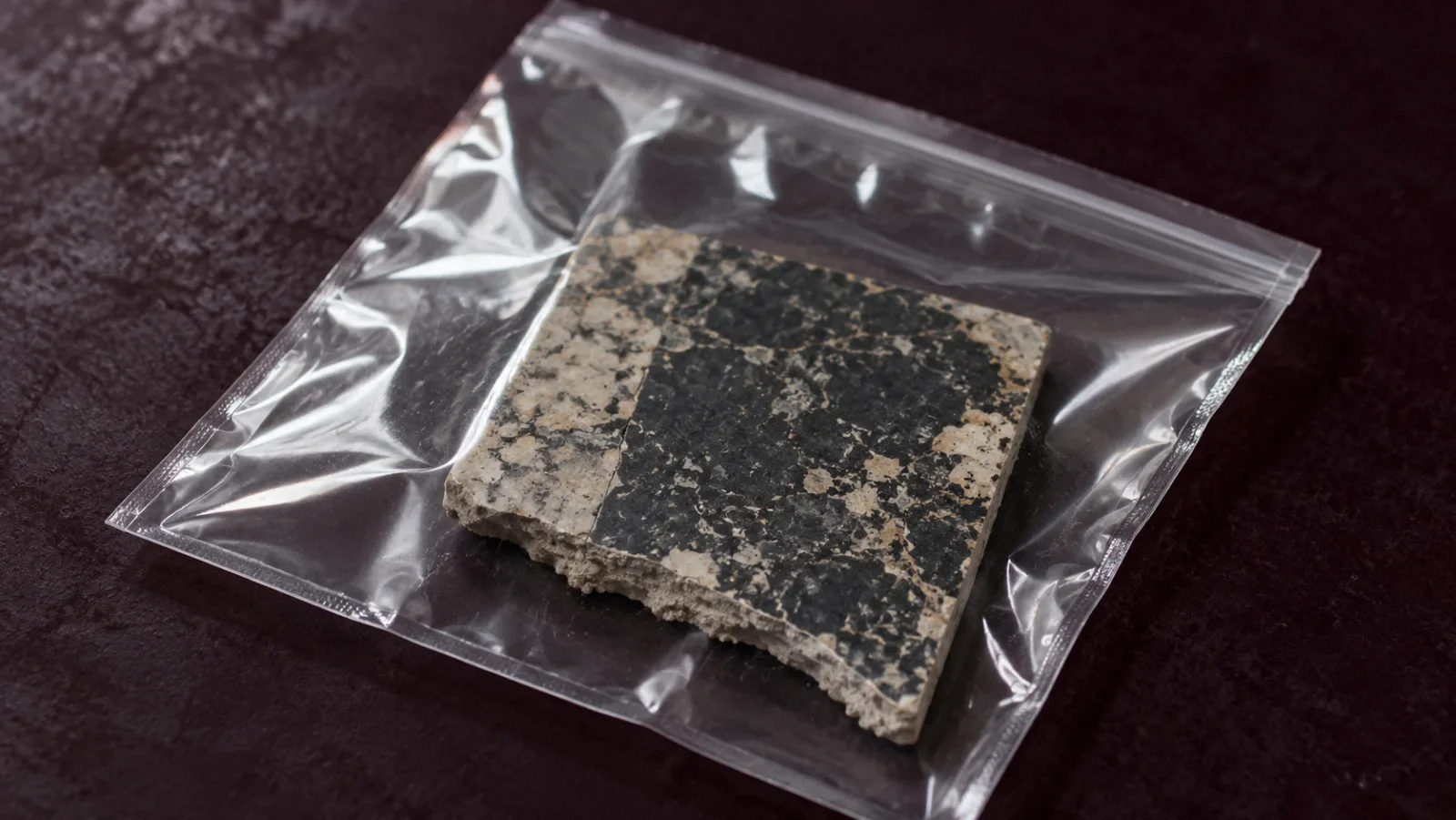
If testing is used to determine whether relevant surfaces contain lead-based paint, ask which method and qualifications are accepted for the decision being made. Keep results tied to specific components. A finding about one wall does not necessarily describe a door, window, or older layer elsewhere. If the scope expands, revisit the assessment rather than treating the original result as permission for unrelated disturbance.
Handle emergency work without expanding the exception
An active leak may require immediate stabilization. Ask the qualified contractor how the applicable emergency provisions affect the necessary work and which obligations remain. Do not accept a blanket statement that the entire later renovation is exempt because the job began with a burst pipe. The urgent response and planned reconstruction may have different requirements. Under the federal RRP rule, emergency renovations remain subject to cleaning, cleaning verification, and applicable recordkeeping requirements; consult the applicable federal or authorized state program for the specific work.
Document the reason for emergency action, surfaces disturbed, work dates, and subsequent cleanup. Once the immediate threat is controlled, establish the ordinary plan for remaining work. This protects the project from an improvised sequence in which each new task is treated as part of the original emergency even after there is time to assess and organize it properly.
Understand completion terminology
RRP cleaning verification and a formal clearance examination are not interchangeable labels. Which process applies depends on the program, contract, property, and work. Ask the contractor to name the actual requirement and provide the corresponding record. A mold report, a building permit final, or a room that looks clean does not replace a lead-specific requirement.
Keep occupant return decisions connected to completion of the required work and cleanup. If another program or contract requires dust testing, arrange the appropriately qualified person and the correct timing. Do not invent a universal threshold from an old web page or assume a test used on a different property applies unchanged. Use the current applicable criteria and preserve the full results.
Separate occupant protection from employee exposure duties
A lead-safe renovation plan protects the building occupants and controls contamination, while the employer also has worker-exposure duties. OSHA's lead-in-construction standard addresses covered construction, renovation, demolition, cleanup, and related handling where employees may be occupationally exposed to lead. Meeting one part of a project does not automatically demonstrate compliance with every other applicable requirement.
Ask the contractor how adjacent trades will be informed of the work area and whether their tasks disturb additional painted components. A painter arriving after demolition may still sand an older surface outside the original opening. A plumber may enlarge access. Those changes should be reviewed before the activity, not discovered during the final cleanup discussion.
The owner should retain project-level records and completion evidence without requesting private medical information about individual employees. If a contractor cannot explain who is responsible for the lead-safe sequence, pause the planned disturbance long enough to resolve that coordination. A clear handoff is a practical protection, particularly when several small contractors each see only their own portion of the repair.
Review a realistic handoff
Consider a small supply leak that requires opening a painted wall behind a vanity in an older rental. The plumber may need access, the restoration crew may remove wet material, and another contractor may rebuild. The owner should identify who establishes the lead-safe work area before the first disturbance and who documents final cleanup. Three invoices do not create coordination automatically.
Ask each trade whether its work changes the protected area or disturbs additional paint. Keep the lead assessment, certification information, work records, and completion documents with the water-damage file. The repair can then be explained as a sequence of defined tasks, with evidence that both moisture and renovation dust were addressed, rather than a claim that drying the wall solved every hazard.
Your next-step checklist
- Identify property age and use before assuming which lead-safe requirements apply.
- Verify the covered contractor’s firm certification and responsible certified renovator.
- Map disturbed components, occupant separation, and the debris route.
- Limit any emergency exception to what the applicable rule actually allows.
- Distinguish cleaning verification from any separately required clearance examination.
- Keep lead records with the source repair and reconstruction file.
Related questions
Does a wet wall contain no lead dust risk?
No. Disturbance of lead-based paint can create hazardous dust during removal and reconstruction even when the original material became wet.
Does an ordinary contractor license establish RRP certification?
No. Verify the relevant lead-safe qualifications separately for covered work.
Can the mold clearance report cover lead too?
Not unless a properly qualified professional performed the distinct required lead assessment under the applicable criteria. The hazards and methods differ.
Sources & context
Public guidance supports the principles in this article. The practical questions and examples are editorial interpretation, not a site assessment or a coverage decision. State-specific rules apply only where identified.
- EPA: RRP program for consumersofficial
- EPA: Steps to lead-safe renovation, updated March 2026official
- OSHA: Lead in construction, 29 CFR 1926.62official
- EPA: Post-disaster renovations and lead-based paintofficial
Community questions behind this topic
These discussions helped identify reader concerns. They are anecdotal, not technical or legal authority.