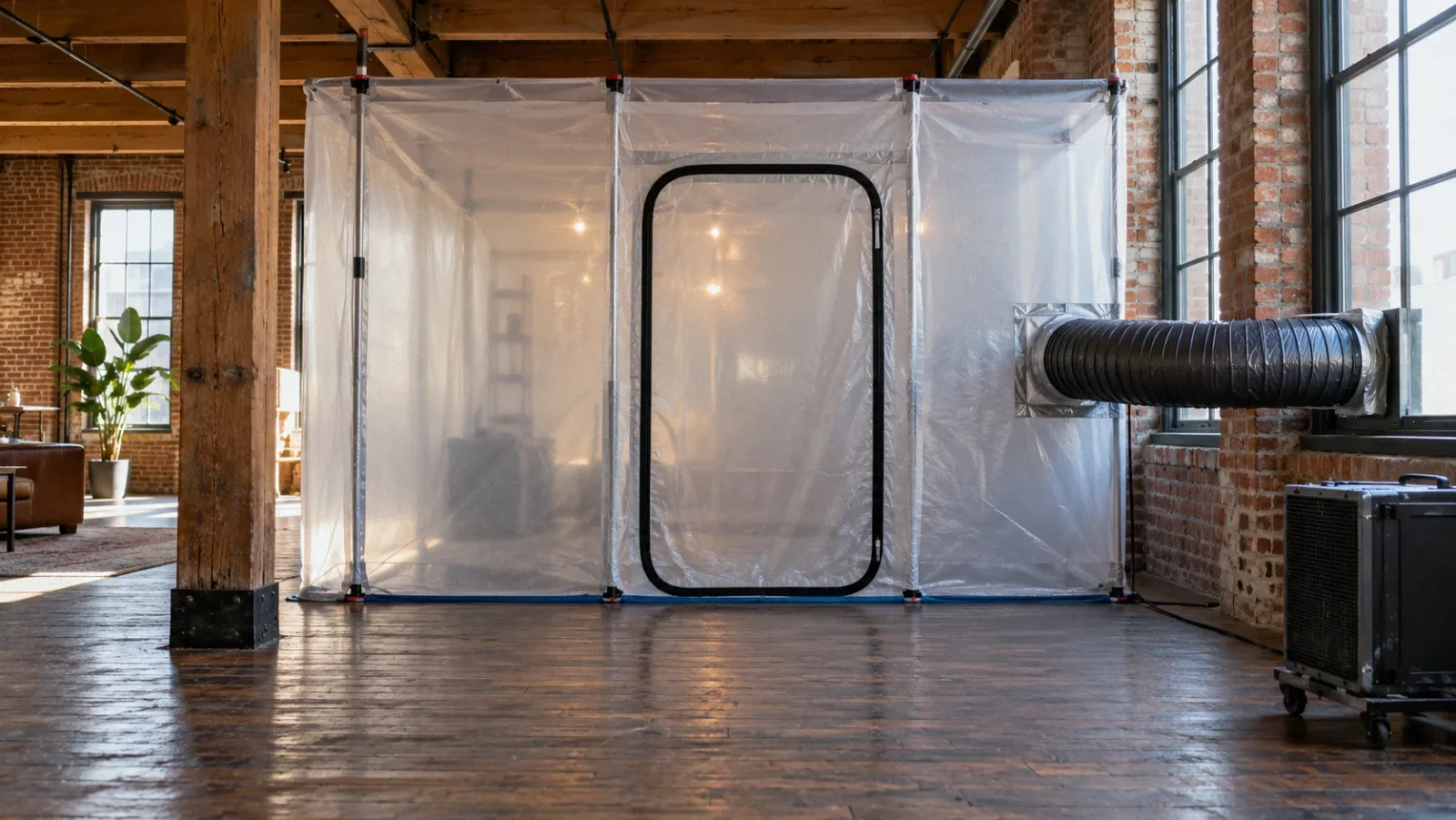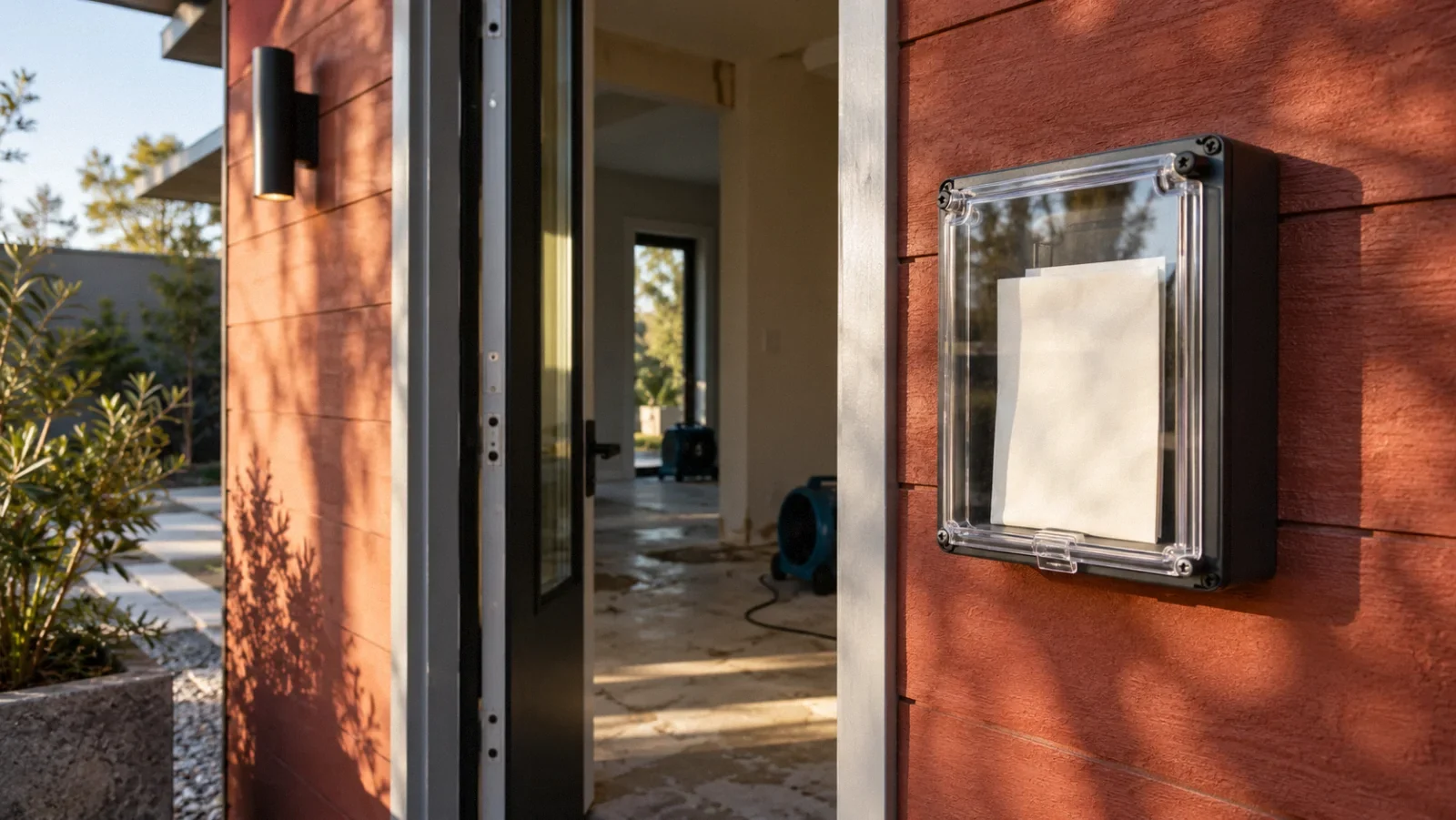
Permit requirements depend on the jurisdiction and repair scope. Ask the building department before reconstruction, especially when structural, electrical, plumbing, mechanical, or floodplain work is involved; emergency mitigation does not automatically exempt the permanent repair.
Describe the work, not just the cause
A building department needs to know what will be altered or replaced. 'Fixing a leak' may mean a minor connection repair, replacement of damaged framing, electrical equipment work, or reconstruction of a flooded room. The water event explains why work is needed, but the scope determines which approvals and inspections may apply.
CSLB's California guidance directs owners to the local building department because requirements vary. Outside California, consult the equivalent authority. Do not take a contractor's general statement that 'insurance jobs never need permits' as a reliable rule. Insurance authorization, contractor licensing, and building permits are separate questions with different decision makers.
Separate urgent stabilization from reconstruction
Stopping an active source, protecting occupants, and limiting further damage may need prompt action. Ask the local authority how emergency work should be documented and when any required permit process must begin. A local emergency provision may affect timing or procedure without exempting the permanent repair from applicable requirements.
Keep dated photographs and a record of work performed before inspection. Where possible, avoid covering relevant structural or utility work before the authority has had the required opportunity to inspect. If emergency removal is necessary for safety, document why and contact the appropriate professionals. Do not delay a genuinely urgent safety response merely to obtain a perfect photograph.
Identify the separate approval tracks
A project may involve building, plumbing, electrical, mechanical, floodplain, or hazardous-material requirements. Lead-safe renovation and asbestos controls may apply independently of whether a local building permit is required for a particular finish repair. EPA's RRP guidance is especially relevant to covered work disturbing paint in pre-1978 housing.
Ask who will coordinate the approvals and which parts of the job each covers. A remediation company may handle removal while another contractor reconstructs the space. If responsibilities are split, write down who obtains permits, schedules inspections, and provides final records. Gaps often appear at the handoff, when each party assumes the other will close the project.
Ask about floodplain implications early
For flood-affected buildings, the local floodplain administrator may need to evaluate requirements beyond replacement of the visible damaged materials. FEMA's mitigation guidance emphasizes matching work to flood conditions and local requirements. Do not assume a like-for-like repair always avoids a broader review; the applicable rules and project facts must be assessed locally.
Provide the authority with a coherent scope and cost information when requested. Ask what documentation is needed and which decisions must occur before reconstruction. Avoid splitting an integrated project into artificial pieces to evade review. If the scope expands after concealed damage is found, ask whether the permit documents or other approvals need revision.
Use a scope matrix for a mixed repair
Consider a bathroom leak requiring a ceiling opening, damaged joist repair, replacement of a light, and new drywall. The owner can list each task and ask the department which permit and inspection requirements apply. The answer for repainting does not automatically apply to the joist or electrical work. If hazardous materials are present, their assessment and work requirements belong on a separate line rather than disappearing under the building permit heading.
Give the department a sketch and photographs when useful, and keep the written response or a dated record of the guidance received. Ask whether the proposed reconstruction preserves a rated assembly, changes a system, or requires a design detail. These are questions for the authority and qualified designer, not facts to infer from the small visible size of the leak.
If the contractor discovers more damaged framing after removal, update the scope before closing it. A permit based on the initial opening may need revision or additional inspection. Assign that communication to a named party so work does not proceed under an obsolete description. At completion, compare the final record with what was actually built, including approved changes and remaining corrections.
For a sale, unresolved permit status may require explanation even when the room looks finished. Preserve the authority's actual records rather than describing a pending inspection as approved. This keeps the permit issue distinct from the quality of the cosmetic finish and from any separate remediation verification.
Verify status rather than collecting a permit number
An application, an issued permit, a passed rough inspection, and a final approval are different stages. Ask for the actual status of each required inspection and any outstanding corrections. A contractor's screenshot may be useful, but the official record or written confirmation provides a clearer basis for understanding what remains open.
Before final payment or a sale, assemble permit records with the repair and remediation documentation. A building final does not establish that every concealed surface is mold-free, and a mold report does not establish code compliance. Label each record accurately. The objective is a complete set of approvals and evidence for the work actually performed, with any remaining exceptions clearly identified.
Your next-step checklist
- Prepare a location-by-location scope describing materials and systems to be altered.
- Ask the local building department about permits before permanent reconstruction.
- Clarify emergency procedures and preserve evidence of urgent stabilization work.
- Assign responsibility for each permit, inspection, correction, and final record.
- Recheck requirements when concealed damage expands the original scope.
Related questions
Does replacing drywall always require a permit?
No universal answer applies. Scope, rated assemblies, structural involvement, local exemptions, and other work can matter. Ask the authority for the specific project.
Does insurance approval replace a permit?
No. Coverage or payment decisions do not determine local building requirements.
Is an issued permit proof the repair is finished?
No. Required inspections and final approval may still be outstanding. Verify the actual status and any correction notices.
Sources & context
Public guidance supports the principles in this article. The practical questions and examples are editorial interpretation, not a site assessment or a coverage decision. State-specific rules apply only where identified.
- CSLB: Building permit requirementsofficial
- FEMA: Protect your home from floodingofficial
- EPA: Steps to lead-safe renovation, updated March 2026official
Community questions behind this topic
These discussions helped identify reader concerns. They are anecdotal, not technical or legal authority.