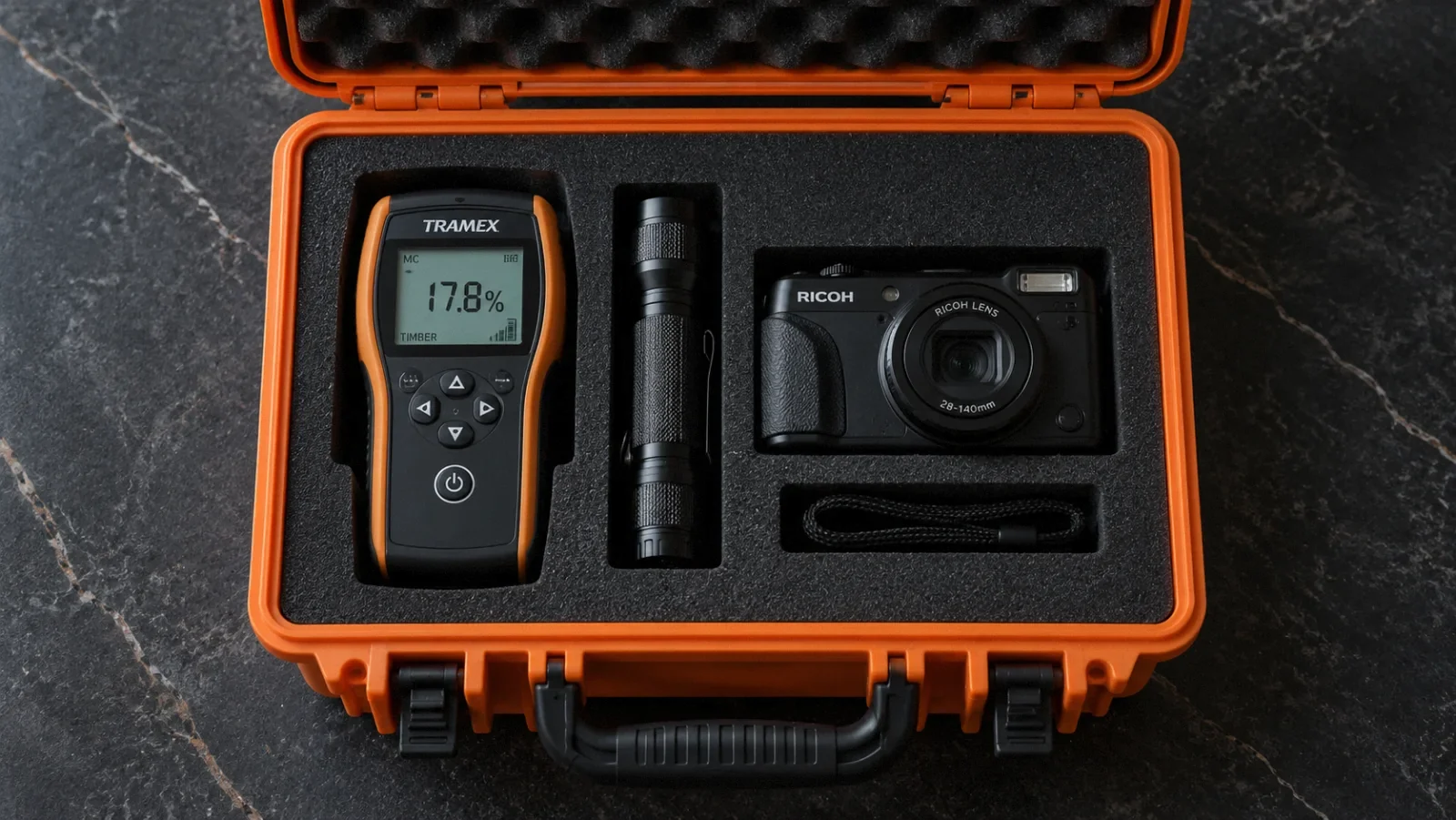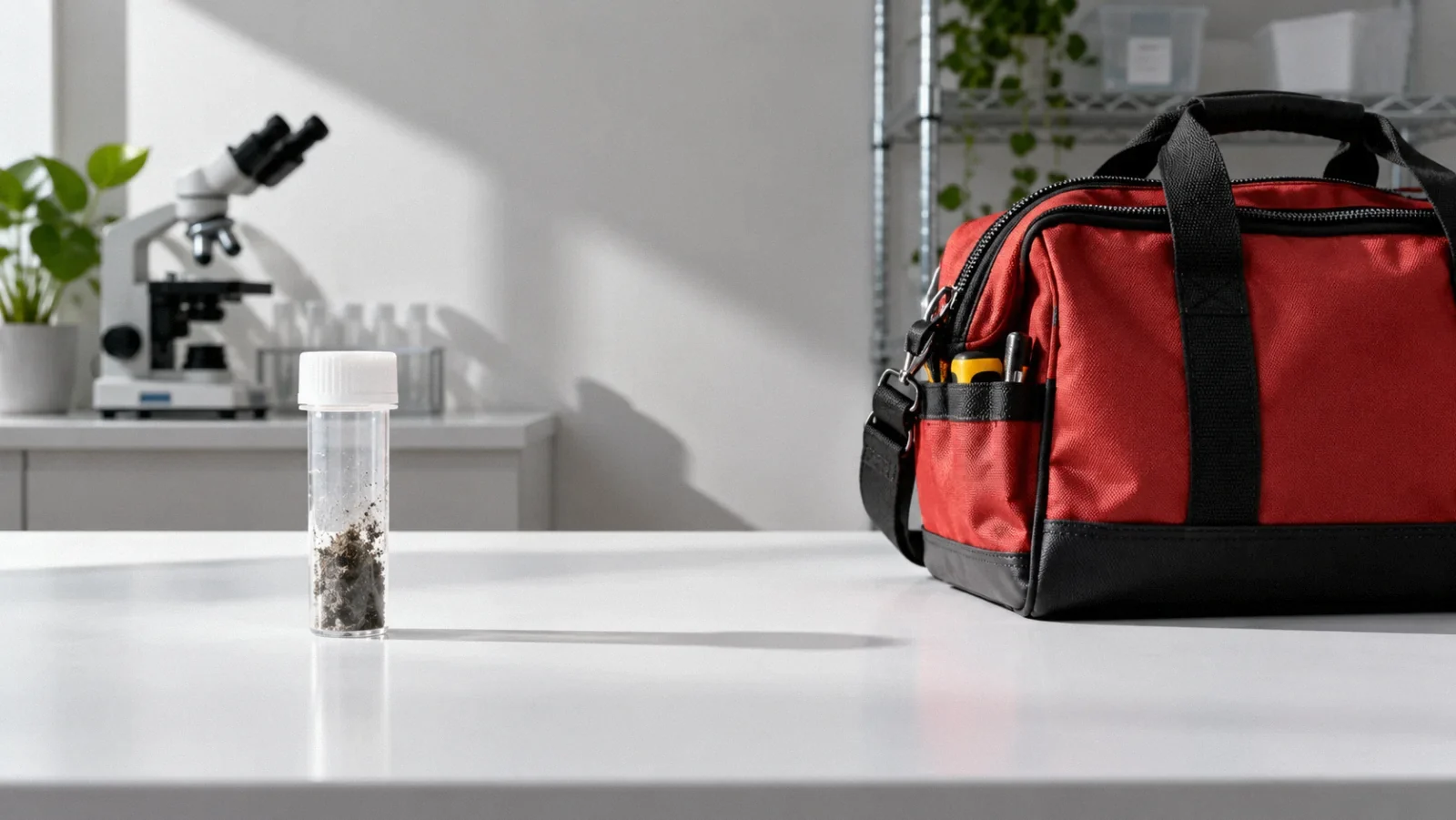
Check whether the person designing or evaluating remediation benefits financially from selling that work. Independence can improve confidence, but a credible assessment still needs clear methods, findings and limitations.
Identify the decisions that create incentives
A business that finds damage, sells removal and certifies its own result occupies several roles. That structure can create incentives to expand work or to accept completion too easily. It does not prove wrongdoing, but it deserves transparent questions. Ask who develops the scope, who performs the work and who evaluates the result.
A separate laboratory does not automatically make the whole assessment independent. The party choosing locations, collecting samples and interpreting results can influence the conclusion. Likewise, a different business name may share ownership or referral arrangements. The relevant issue is the relationship among the decision makers, not only the logos on the report.
Check the local regulatory structure
Texas TDLR provides a clear state example: a license holder generally cannot perform both mold assessment and remediation on the same project, with specified exceptions. The state also has defined roles and documents. This rule should not be presented as a nationwide requirement. Check your jurisdiction before assuming a particular arrangement is prohibited.
Ask each provider to disclose its role and any relationship with the other participants. Where a separate assessor is required, verify that the arrangement actually satisfies the applicable rules. Where separation is not mandated, consider whether the scale, disagreement or occupant concerns justify commissioning an independent opinion anyway.
Make testing answer a real question
EPA guidance says visible mold often does not require sampling and that federal airborne mold limits have not been established. A test result therefore cannot simply be compared with a universal federal safe number. Ask what the proposed sampling is meant to determine and what action follows each plausible outcome.
An assessment should consider moisture source, affected materials, access limitations and the work performed. A laboratory report without a site explanation can leave the homeowner with numbers but no decision. Do not accept a sales pitch that makes expensive testing an automatic prerequisite for every repair, or a promise that one favorable air sample proves the entire property has no hidden problem.
Agree on completion criteria before work starts
Ask how the completed work will be evaluated and who makes that assessment. Criteria should address the defined project, source control, condition of affected materials, cleanliness and any specifically justified testing. The assessment should distinguish areas included from areas not examined. Avoid a vague clearance promise with no written basis.
If the contractor pays for post-work evaluation, ask whether the owner receives the full report directly and can communicate with the evaluator. Payment by one party does not by itself decide credibility, but hidden communication restrictions or undisclosed relationships reduce transparency. Ensure the report identifies methods and limitations rather than offering only a pass or fail label.
Respond to an unclear or disputed clearance
The Reddit sample includes a homeowner who had not received results after contractor-arranged testing and another seeking a genuinely separate assessor. These anecdotes support asking for documents and relationships, not assuming a delayed report means a failed test. Request the full report, sampling dates, locations and explanation of results.
If visible concerns remain, document them and ask how they were evaluated. A favorable sample does not answer every question about unremoved material, unresolved moisture or areas outside the sampling plan. An independent review can focus on those specific issues. Do not use the dispute to make unsupported claims about illness or a precise health risk.
- Relationship disclosure: ownership, employment, referral compensation and financial ties among assessor, remediator and evaluator.
- Sampling purpose: question, locations, comparison approach and the decision each result would affect.
- Completion basis: defined scope, observations, moisture status, cleanup findings and justified test interpretation.
- Report access: who receives the complete document and who can ask the evaluator for clarification.
Test the independence claim with ordinary questions
Ask the evaluator whether it receives a fee when the owner chooses the recommended remediator, whether it shares ownership or staff with that business and whether its inspection fee changes depending on who performs the work. Ask who controls the final report and whether the owner receives all findings, including qualifications or failed criteria. These questions can be asked calmly without accusing anyone of misconduct.
Consider a post-work report arranged by the contractor that includes only a laboratory page. Request the site assessment explaining where samples were collected, why those locations were selected and how the findings relate to the defined project. A laboratory result alone may not establish that all specified cleaning, removal or source-control tasks were completed. The evaluator should explain that connection or identify its scope limitation.
If a relationship is disclosed, decide whether a separate review is warranted based on the stakes and unresolved concerns. A small straightforward project and a large disputed concealed-mold project may justify different approaches. Independence improves the decision structure, but it does not guarantee expertise or accuracy. Continue verifying qualifications, method and reasoning. The goal is a trustworthy basis for accepting the work, not simply paying a second person to repeat a test without addressing the observations that caused concern.
Your next-step checklist
- Map assessment, work and post-work evaluation as separate roles.
- Check applicable local conflict and licensing rules.
- Ask for disclosure of ownership and referral relationships.
- Define evaluation criteria and report access before remediation.
- Investigate unresolved observations instead of relying solely on a pass label.
Related questions
Is using the same business always illegal?
No nationwide rule can be assumed. Texas has a specific separation requirement with exceptions; other jurisdictions differ. Even where allowed, the relationship should be disclosed and the technical evidence reviewed.
Does a low mold count prove the home is safe for everyone?
No. A result reflects a particular sample and conditions, and EPA has not established federal airborne mold thresholds. Health questions belong with a clinician, while the assessor explains building findings and limits.
Sources & context
Public guidance supports the principles in this article. The practical questions and examples are editorial interpretation, not a site assessment or a coverage decision. State-specific rules apply only where identified.
- Texas TDLR: Mold Assessors and Remediators FAQsofficial
- EPA: Investigating, Evaluating and Remediating Moisture and Mold Problemsofficial
- EPA: Mold Testing or Samplingofficial
Community questions behind this topic
These discussions helped identify reader concerns. They are anecdotal, not technical or legal authority.