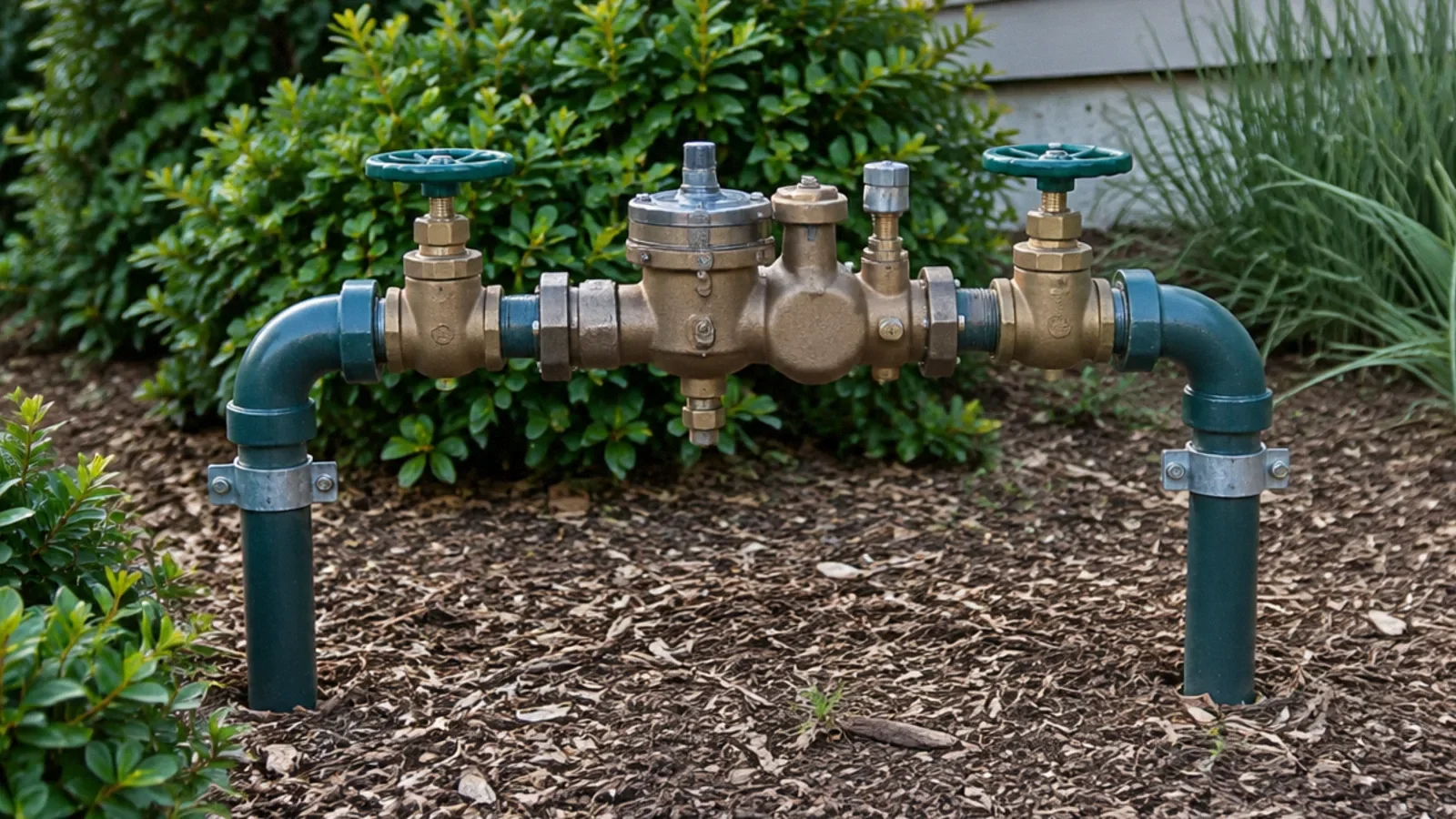
Backflow testing checks whether a testable prevention assembly is working as required to help protect drinking water from reverse flow. Requirements depend on the water supplier, property and device. In San Francisco, covered assemblies must be tested at least annually by an authorized tester; other Bay Area suppliers have their own rules.
What backflow means
Under normal conditions, drinking water travels from the distribution system toward a property. Backflow is a reversal that can allow water or other material from a connected system to move toward the drinking-water supply. A cross-connection is a connection or potential connection that can create this risk.
Backflow can be associated with a change in pressure. The appropriate protection depends on the hazard and the configuration of the connection. A prevention assembly is not interchangeable with a simple drain or a device selected only by appearance.
What the test checks
A qualified tester uses the approved procedure for the particular assembly to check whether its components operate within the applicable requirements. The inspection and test may identify a failed check valve or another issue requiring repair or replacement. The exact procedure varies by assembly.
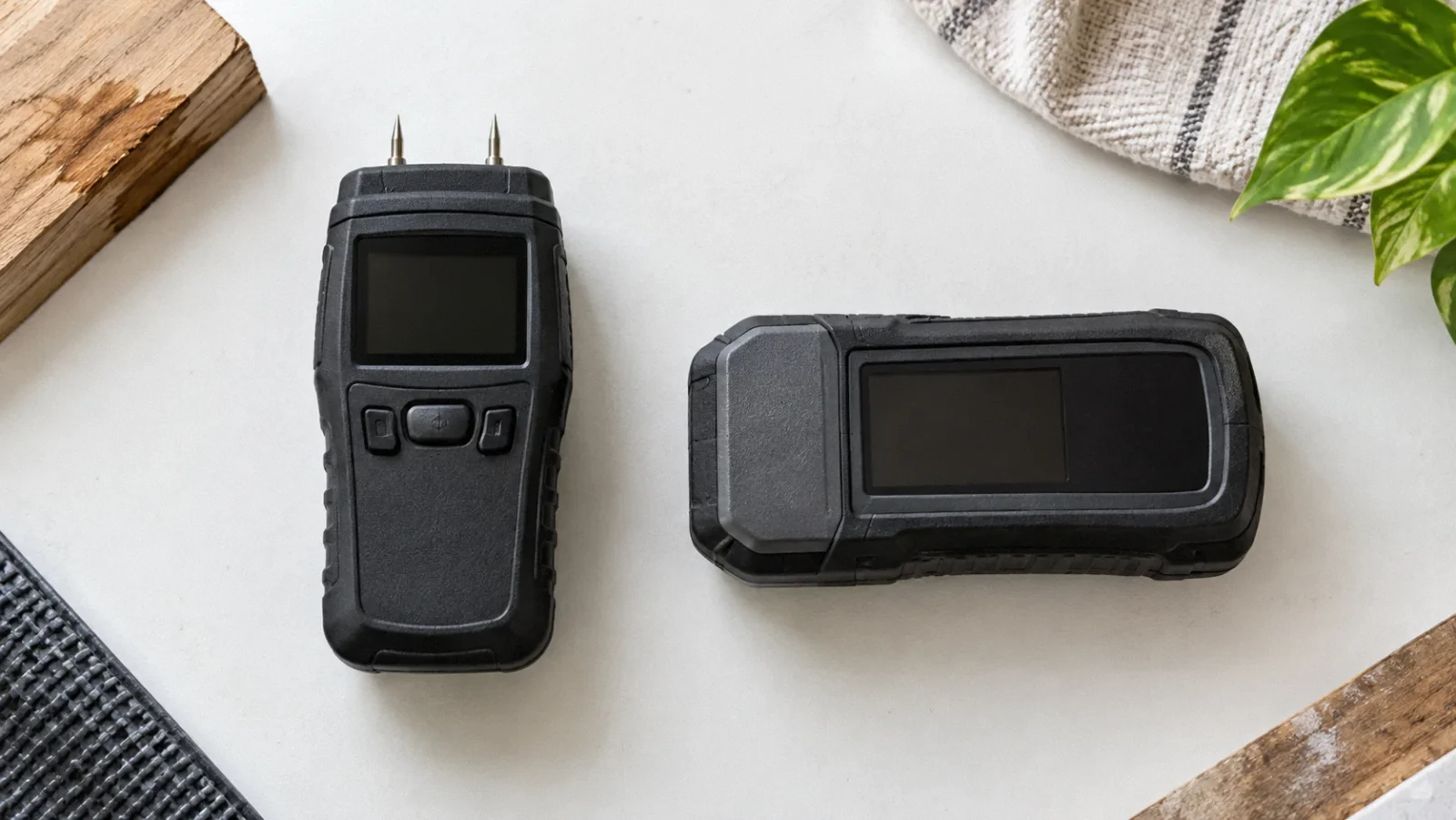
Testing is not a general water-quality laboratory analysis and does not prove that every part of the property’s plumbing is safe. Ask for the test report, the device identification, the results and any required follow-up. Do not operate or alter the assembly yourself to simulate a test.
Examples of systems that may need protection
Irrigation, fire service, boilers, chemical feed equipment and other connections can create different hazards. A property may have an assembly at the service connection or another location required by the water supplier. Whether a particular home needs one depends on the property and the authority’s requirements.
An irrigation timer or a sprinkler head is not by itself a test report for a backflow assembly. Ask the water provider which devices are required, where they are located and whether they are testable. The rules for a commercial connection may differ from a typical residential fixture.
San Francisco requirements
The San Francisco Public Utilities Commission states that properties with specified potential cross-connection hazards must have an approved assembly tested at least annually. It lists dedicated irrigation and certain interconnected fire sprinkler systems among examples. The commission says new assemblies must be tested after installation and at least once a year thereafter.
SFPUC requires testing by an authorized backflow prevention assembly tester and sends a notice when annual testing is due. This is a San Francisco-specific example, not a statement that every home in the Bay Area has an assembly or that every water supplier uses the same procedure. Check your own provider’s current instructions.
How often should it be tested?
The water supplier or authority may specify an annual interval, a test after installation or repair, or another schedule for a particular device. Read the notice and confirm the device identification and deadline. Different assemblies and jurisdictions can have different reporting arrangements.
A property owner should not assume a prior test by another owner satisfies a current notice. If you rent or manage a shared property, ask the responsible owner or manager who arranges testing and receives the report. Follow the applicable provider’s instructions rather than a generic calendar.
What happens during a visit
The tester identifies the assembly, checks access and performs the required field procedure with suitable equipment. Testing may temporarily interrupt water to the connected system, depending on the setup. Ask beforehand about access, scheduling and whether an interruption will affect occupants or equipment.
The duration depends on access, number of assemblies, the procedure and any problem found. There is no reliable universal number of minutes for every property. Confirm the fee and whether submitting the report to the water supplier is included.
If an assembly fails
A failed test means the result does not meet the applicable criteria; it does not automatically identify the condition of every other device. The tester or water supplier should explain the required repair, replacement, retest and reporting process. Do not bypass, remove or modify the assembly yourself.
Ask for a written result and a repair estimate, including who is authorized to do the work and when a retest is required. Follow the water supplier’s notice and deadlines. Contact the provider promptly if a needed repair cannot be completed in time.
Keep useful records
Save notices, test reports, repair invoices and the assembly identification with the property records. Record the next due date and confirm who submits results. If a landscaping or plumbing project changes the connection, ask the water provider whether an updated review or test is required.
For a property outside San Francisco, contact its own water utility or local authority for applicable rules and authorized testers. Requirements can change, and an article cannot determine whether a specific assembly is required at a particular address.
Backflow in plumbing: why direction can reverse
A cross-connection is an actual or potential link between drinking water and another source that may contain contaminants. Under normal conditions water flows toward the point of use. Backflow means that pressure conditions can reverse the direction and let other water or substances enter the drinking-water piping.
EPA describes two mechanisms: backsiphonage, associated with reduced pressure in the drinking-water supply, and backpressure, when pressure on the connected side exceeds supply pressure. A pressure loss does not prove contamination occurred, but it illustrates why appropriate protection must be selected for the actual hazard.
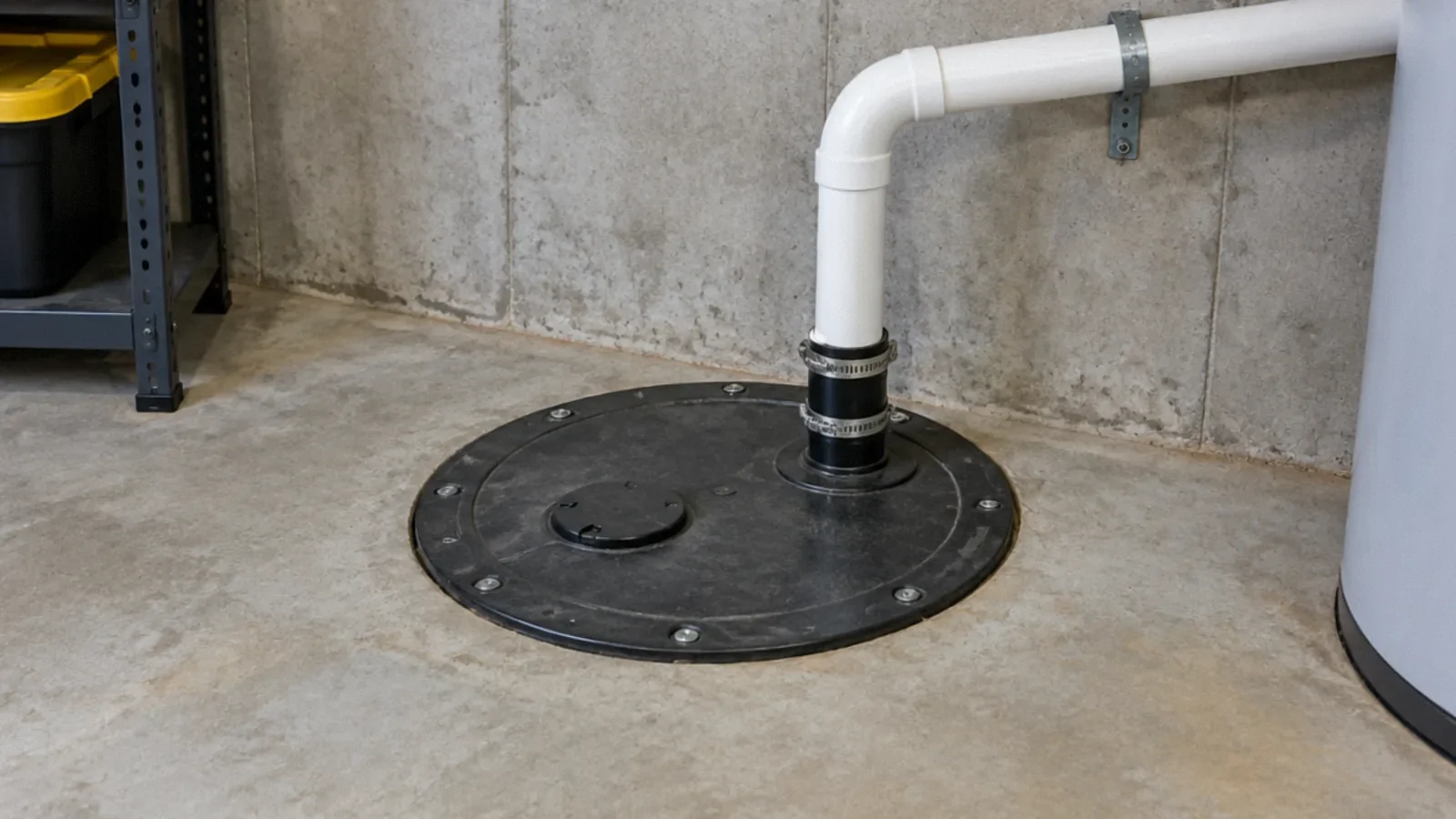
Do not confuse drinking-water backflow with sewage backing up through a drain; these are separate plumbing hazards, even though the same word is sometimes used. If drinking-water contamination is suspected, stop using the water for drinking or cooking and contact the water supplier and appropriate health authority for instructions. A licensed or otherwise authorized professional can assess the cross-connection and required protection.
A preventer is not the flow
Backflow is the reverse movement of water; a backflow preventer is a protective device or assembly selected to prevent contaminated water from returning through a cross-connection. It is not itself the reversed flow. Selection and testing depend on the connection and the water supplier’s requirements.
Your next-step checklist
- Identify the water provider and any required assembly.
- Read the current notice and testing deadline.
- Use a tester authorized by the relevant provider.
- Ask about water interruption, reporting and total fees.
- Retain the report and arrange any required retest.
Related questions
What is backflow testing?
It is a field check of a testable prevention assembly to see whether its components meet the applicable requirements.
Is annual testing required for every Bay Area home?
No general rule covers every home and supplier. Check the property’s device and its water provider’s current requirements.
Who may test an assembly in San Francisco?
SFPUC says testing must be performed by an authorized backflow prevention assembly tester.
How long does a backflow test take?
The time depends on the device, access, number of assemblies and whether problems are found. Ask the tester when scheduling.
Sources & context
Public guidance supports the principles in this article. The practical questions and examples are editorial interpretation, not a site assessment or a coverage decision. State-specific rules apply only where identified.
- San Francisco Public Utilities Commission: Cross-connection controllocal water utility guidance
- U.S. EPA: Cross-connection control and backflow preventionfederal guidance
- San Francisco Public Utilities Commission: Water rules and regulationslocal water utility rules
- EPA: Cross-connection control best practicesfederal technical guidance