A sump pump moves water collected in a basin or pit to a suitable discharge location outside the building. A float or other control generally starts the pump when the water reaches a set level. A pump is one part of a drainage system; its usefulness depends on where water collects, power, discharge and maintenance.
The purpose of a sump pump
A sump pump is designed to remove water from a collection basin before it rises beyond the system’s capacity. Some basins receive water from drains around or beneath a foundation; the exact arrangement depends on the building. The pump does not prevent every possible source of water from entering a basement.
A plumbing leak, sewage backup, surface runoff and groundwater seepage require different responses. A sump system may help manage water routed to its basin, but it cannot repair a burst supply pipe or make contaminated water safe. Identify the source whenever a basement floods.
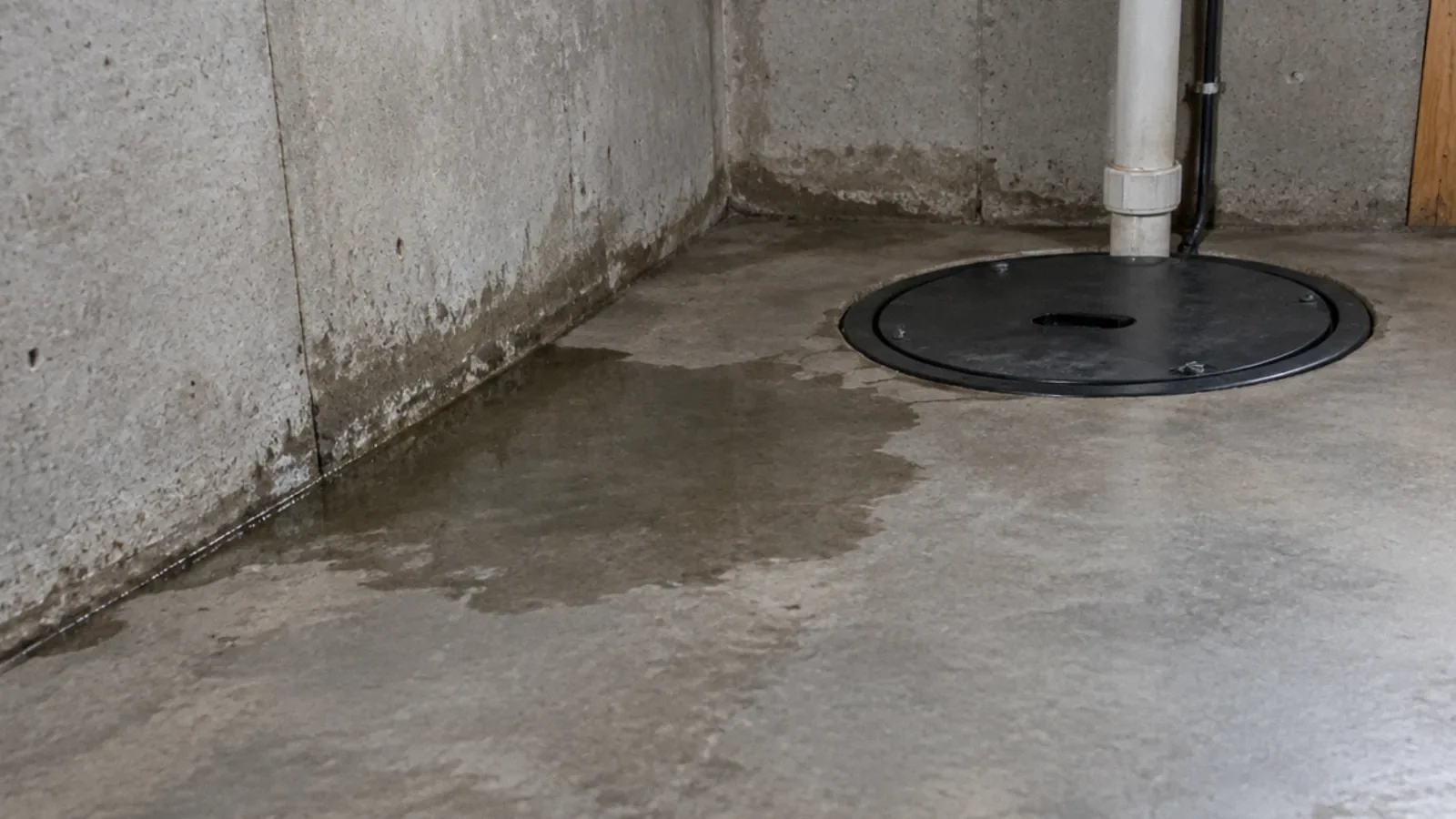
Groundwater may appear as seepage at a wall-floor joint or persistent wetness after rain, although leaks and surface runoff can look similar. Properly directed gutters and grading, repairs to drainage, or another site-specific approach may be needed. A drainage channel helps only if it intercepts the water and conveys it to the basin; water entering elsewhere, a blocked drain, a pump failure or inflow beyond capacity can still flood the space. Ask a drainage professional to assess recurring water.
The basin and water collection
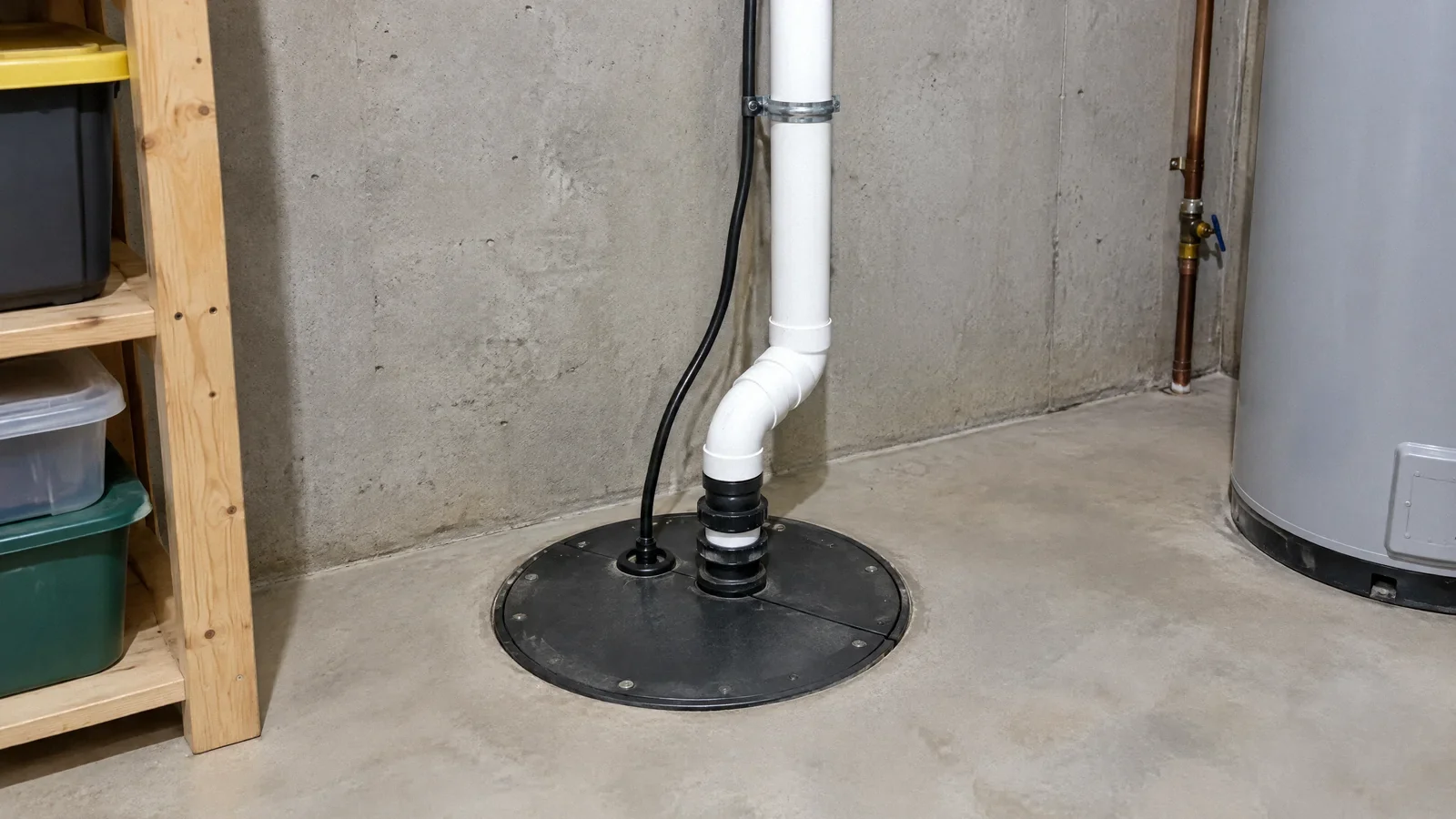
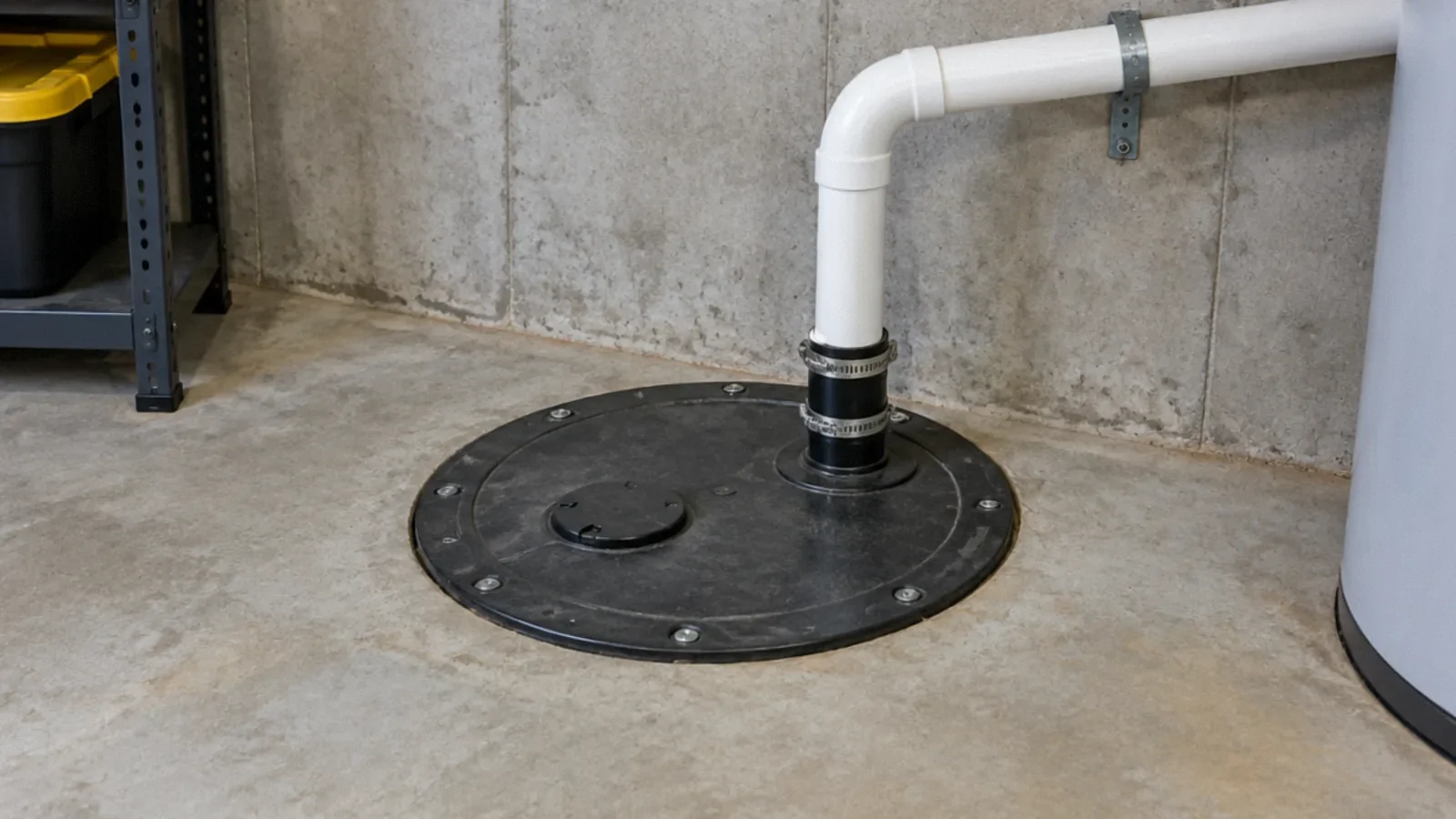
The basin, often called a sump pit, is a low point where water collects. It may have a secured cover and connections to drainage piping. The location and design should allow appropriate maintenance while limiting hazards associated with an open pit.
Water must be able to reach the basin for the pump to move it. A blocked drain or water entering another part of the building can leave a floor wet even when the pump operates. Ask a qualified professional how the drainage system at your property is configured.
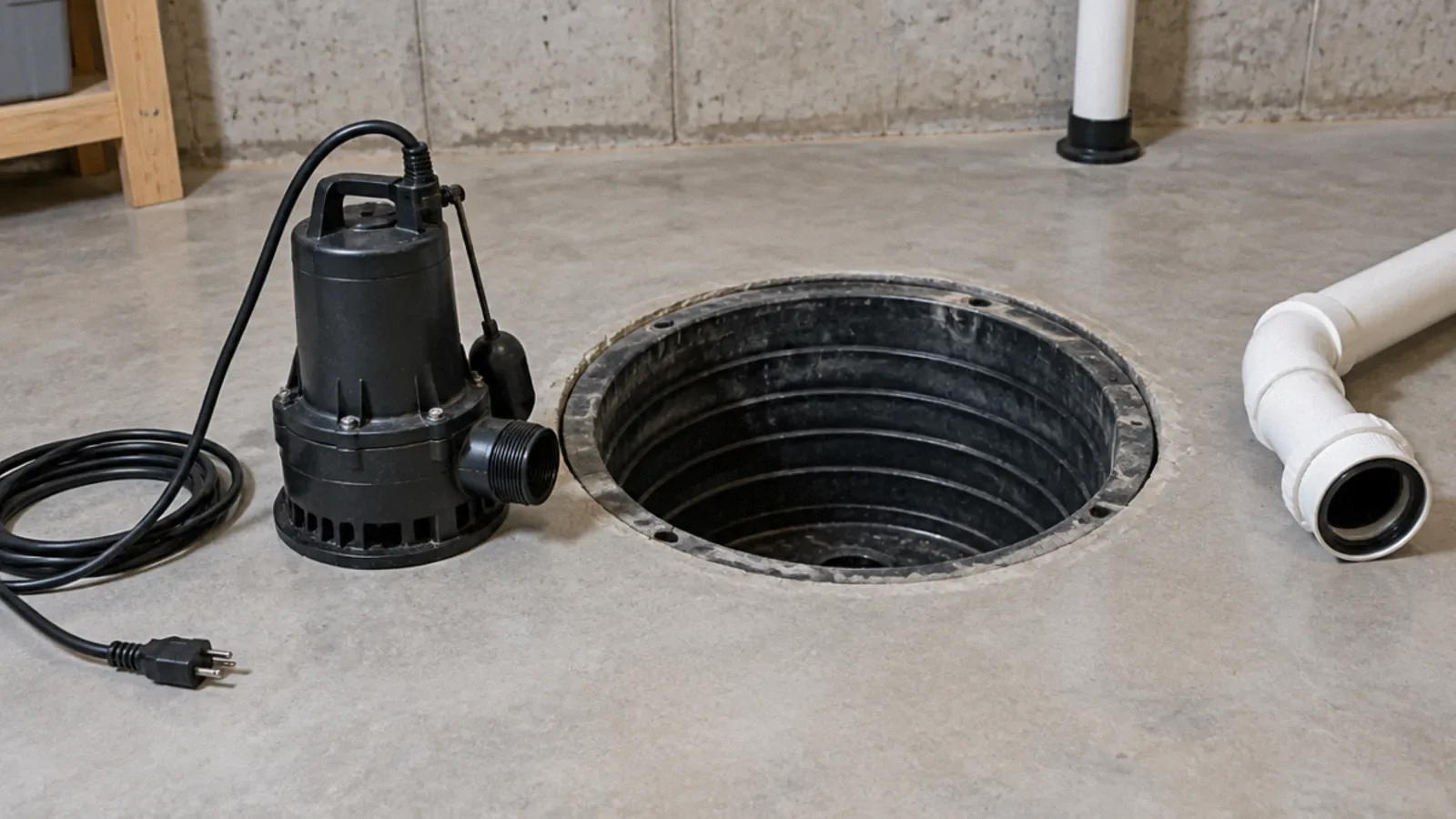
A covered round basin in a basement floor, a discharge pipe leading outdoors or a pedestal motor above a pit may suggest a sump installation. A covered or concealed unit may not be visible; ask the owner or installer and review plans rather than opening a cover in unsafe conditions.
What starts and stops the pump
Many pumps use a float switch: as water rises, the float activates the motor, and the pump stops when the level falls. Other systems use different controls or sensors. The start and stop levels depend on the installed equipment and adjustment.
A float that is obstructed or a control that fails may prevent normal operation. Do not reach into a wet basin or handle an electrical connection in standing water. If operation is uncertain, keep clear of hazards and arrange service.
Submersible and pedestal pumps
A submersible sump pump sits in the basin, with components designed for that installation. A pedestal pump has its motor mounted above the basin and a pump assembly below. Both types need an appropriate control, electrical supply and discharge arrangement.
The visible appearance varies by manufacturer, and a covered basin may conceal the pump. Do not infer capacity or operating condition simply from the pump’s size or from seeing a pipe leave the pit. Use the model information and a professional assessment when replacing equipment.
Where the water goes
A discharge pipe carries pumped water to an approved location. A check valve is often installed to reduce water flowing back toward the basin when the pump stops. The route should not send water back toward the foundation or create another hazard.
Local rules and site conditions govern acceptable discharge. Do not assume a connection to a sanitary sewer is permitted. Ask the installer where water goes, how the pipe is protected from blockage or freezing and who maintains the outlet.
Why a pump may not run
A power outage, failed control, obstructed float, damaged pump or blocked discharge are possible causes, but the symptom alone does not identify the fault. Some pumps run continuously because of an ongoing inflow or a control problem. Record what you observe from a safe location.
If the basement is flooded or water is near electrical equipment, stay out and contact a qualified professional or emergency service as appropriate. Do not unplug, test or reset wet equipment while standing in water. A separate repair guide explains what information to provide a technician.
Backup power and alarms
A backup pump, battery or other power arrangement may reduce some outage risks, but each has its own limitations and maintenance requirements. A high-water alarm can provide warning, provided someone can hear it or receive a notification and act.
Ask a qualified installer how the backup starts, how long it may operate under your conditions and how it will be tested safely. Battery age, inflow rate and discharge conditions affect performance. No backup can guarantee that every flood will be prevented.
Maintenance and records
Follow the manufacturer’s instructions and arrange safe periodic inspection. Keep the basin cover and access in good condition, note unusual noise or frequent cycling, and check the discharge location when it can be observed safely. Do not open electrical covers or work in a hazardous pit.
Save the model, installation date, service records and alarm or backup instructions. If water returns, record rain conditions, the time and whether power was available. Those details help a professional assess the full system rather than replace a pump without finding the cause.
What size sump pump do I need?
Pump selection depends on inflow and discharge conditions. See the related sizing guide and maintenance guide for selection and testing details.
Your next-step checklist
- Know where the basin and discharge are located.
- Keep the cover and access in suitable condition.
- Stay away from water near electrical equipment.
- Follow the manufacturer’s maintenance instructions.
- Plan for outages and know whom to call.
Related questions
What is a sump pump for?
It moves water from a collection basin to a suitable discharge point as part of a property drainage system.
Does a sump pump stop all basement floods?
No. It only moves water that reaches its basin and depends on power, controls, capacity and discharge.
What is a submersible sump pump?
It is a pump designed to operate within the basin. Its controls and installation vary by model.
What should I do if the basement is flooded and the pump stops?
Stay clear of electrical hazards and standing water near equipment. Contact a qualified professional; do not handle wet electrical connections.
Does every house have a sump pump?
No. Whether one is installed depends on the property, foundation, drainage design and local conditions. A qualified inspector can help identify the system at a specific home.
Do I need a sump pump?
Not every home needs one. The foundation, drainage design, groundwater and local requirements matter. Ask a qualified professional to assess the property and explain available drainage measures.
How can I test a sump pump?
Follow the manufacturer’s safe test procedure and check the float, pump operation and discharge where accessible. Never touch electrical equipment from standing water; ask a qualified professional if the basin or controls cannot be accessed safely.
How does a sump pit work?
A sump pit collects water from an associated drainage system; a pump can discharge accumulated water when its control activates. The arrangement and discharge destination vary by property.
Sources & context
Public guidance supports the principles in this article. The practical questions and examples are editorial interpretation, not a site assessment or a coverage decision. State-specific rules apply only where identified.
- University of Minnesota Extension: Moisture in basementsuniversity guidance
- U.S. EPA: Mold preventionfederal guidance
- CDC: Avoiding carbon monoxide poisoningfederal safety guidance