If a sump pump stops working, keep clear of standing water near electrical equipment and do not reach into the pit while the pump may be energized. Check the manufacturer’s guidance and arrange qualified help for electrical, mechanical or discharge problems. A repair plan should address the reason the pump failed and how the system will be tested.
Start with the safety of the area
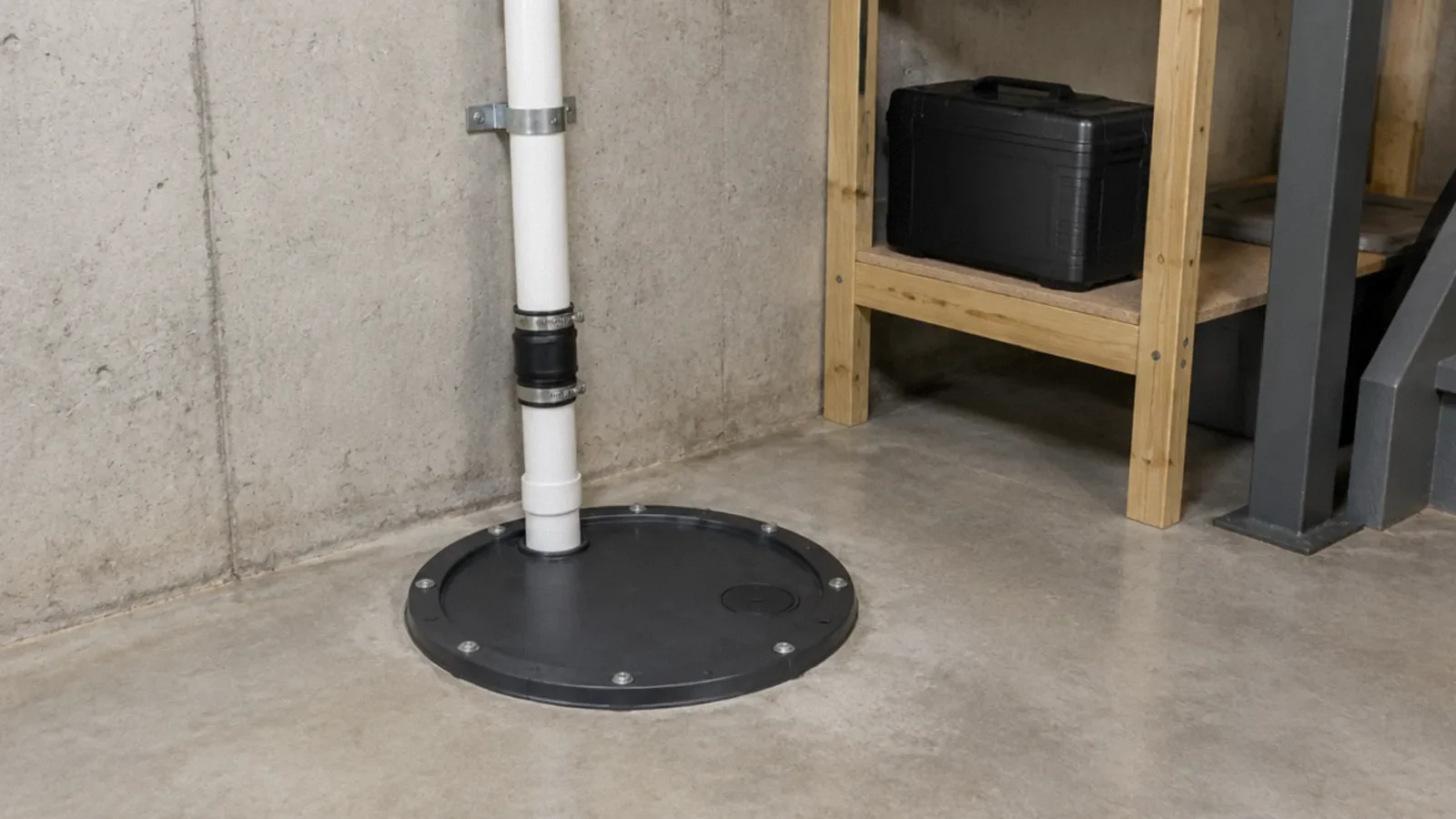
A sump pit collects water so a pump can move it to an approved discharge location. The pump and its controls depend on electrical and mechanical components that may be close to water. If the floor is flooded or you cannot safely reach the disconnect, stay clear and contact a qualified electrician or emergency service.
Never stand in water to unplug a pump or reset electrical protection. Do not touch a damaged cord or reach into the pit while the unit may be energized. An open pit can also be a fall hazard; keep children and pets away and replace the cover when it is safe and appropriate.
What symptoms should you document?
A pump that is silent when water rises, runs continuously, cycles rapidly, hums without moving water or discharges little water may need attention. Each symptom has several possible causes, including a power issue, a float problem, a blocked discharge or worn equipment. Noise alone does not establish the diagnosis.
Record when the problem began, whether there was a recent storm or outage, and whether water is entering the building. Note the model, age and any alarm or backup system. Share the observations with the technician rather than repeatedly cycling a malfunctioning pump.
Power, controls and float operation
A tripped breaker, disconnected plug or protective device can interrupt power. Check only what is visible and safely accessible from a dry location, and follow the manufacturer’s instructions. If a breaker or ground-fault device trips repeatedly, do not keep resetting it; a qualified electrician should investigate.
Many pumps use a float or sensor to start when water rises. A float can be obstructed or misadjusted, but correcting it may require power isolation and access to the pit. Do not manipulate a mechanism near water or electrical connections unless the manufacturer’s procedure can be followed safely.
Discharge and check-valve problems
A pump may run but move little water if the discharge is obstructed, frozen, disconnected or otherwise unable to carry water away. Water flowing back after the pump stops can also indicate a problem with a check valve or installation. These possibilities require inspection; a symptom does not identify a single failed part.
The discharge must go to a location permitted by local rules and not create a hazard for a neighbor or public area. A technician can check the pipe route, outlet and valve. Do not open a pressurized or frozen pipe or redirect water without understanding the consequences.
Repair or replace?
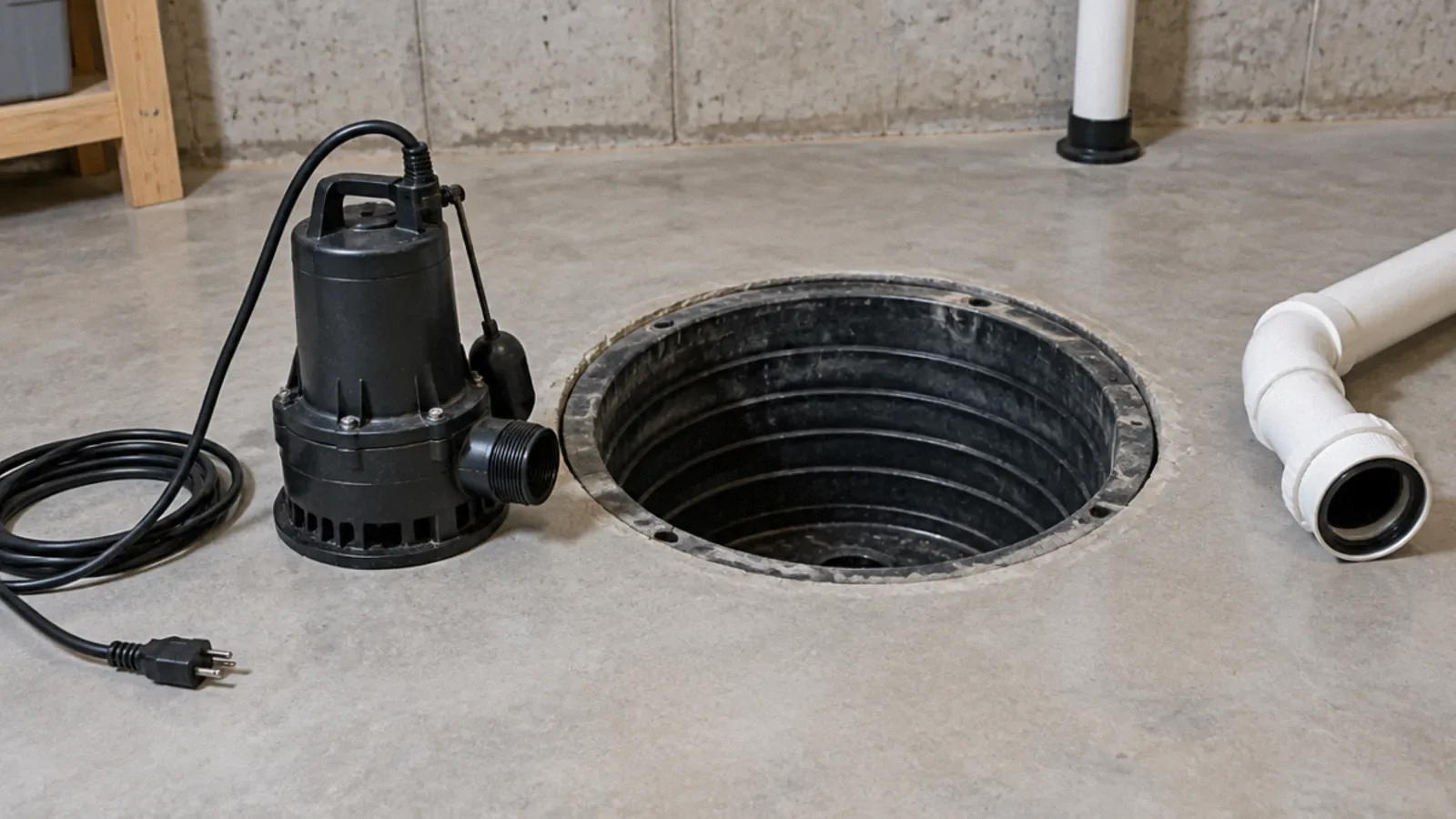
The appropriate decision depends on the fault, pump condition, access, parts and the cost of a compatible replacement. Ask for an explanation of the failure and a written estimate that separates diagnosis, parts, labor and any discharge work. If a backup unit or alarm is involved, ask whether it is included in testing.
Replacing the pump without correcting an undersized discharge, blocked float or repeated electrical fault may leave the original problem unresolved. Conversely, a single worn part does not automatically mean the entire drainage system must be rebuilt. Compare the proposed work with the documented cause.
What a service visit should cover
Ask how the technician will safely isolate power, inspect the pit and discharge, verify the float or sensor and test operation after repair. The exact procedure depends on the manufacturer and system. A controlled operational test should confirm that water moves to the intended outlet and the pump stops appropriately.
Request the model and settings of replacement components, any limitations found, and instructions for maintenance. Keep the invoice and test notes. If the technician cannot test because power or water is unavailable, record the outstanding step and arrange completion when safe.
Plan for a power outage
A primary electric pump cannot run during an outage unless a suitable backup power or pumping system is available. Battery backups, water-powered backups and generators have different limitations and installation requirements. A water-powered backup may require backflow protection and should be evaluated under local rules.
An alarm can provide notice of high water but does not remove it. Review the backup’s capacity, maintenance, power source and failure alerts with an installer. Do not connect a generator to house wiring without an approved transfer arrangement installed by a qualified electrician.
After a pump failure or basement flood
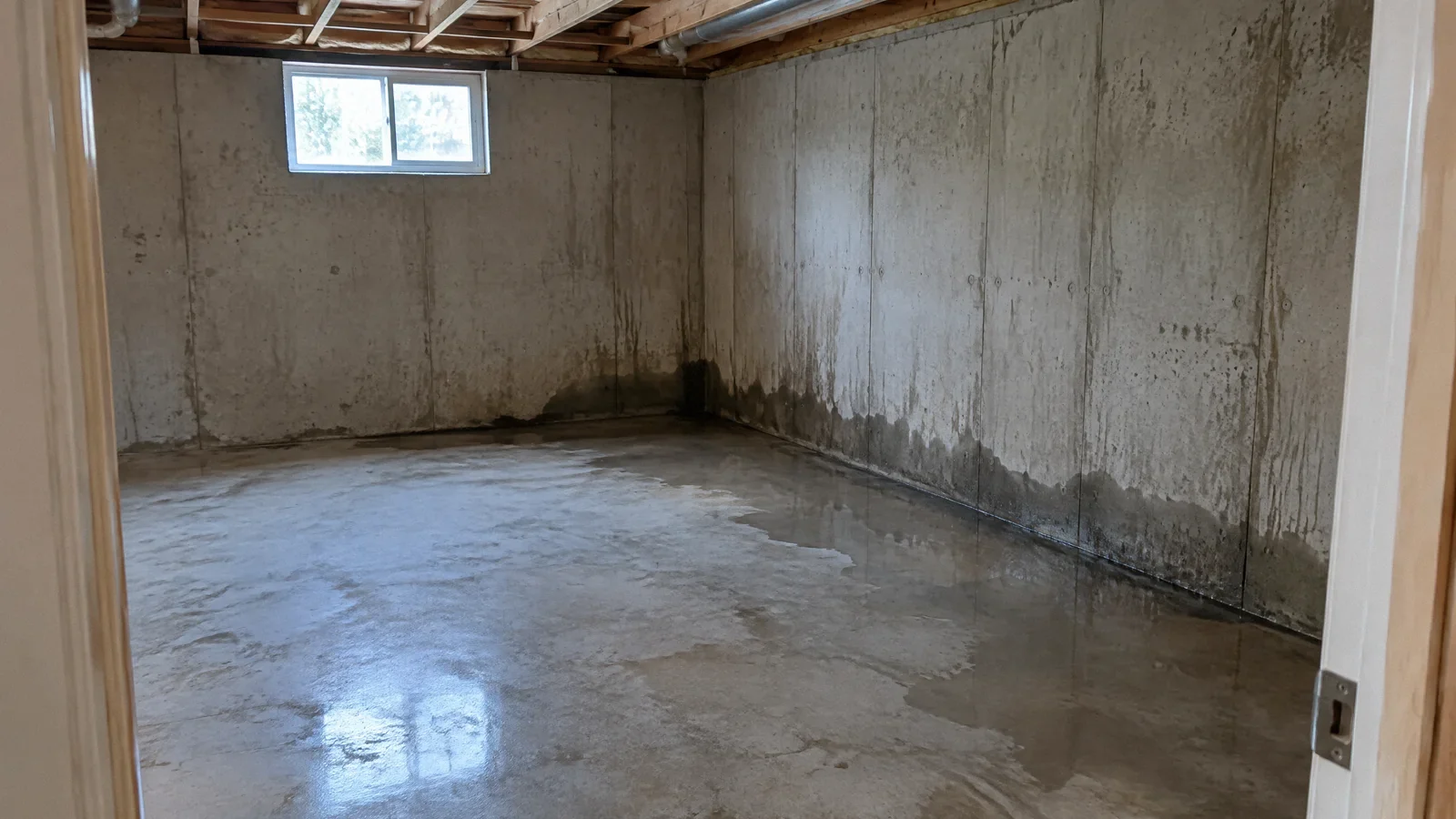
Keep out of contaminated water and avoid electrical hazards. A flooded basement can experience pressure from saturated soil outside, so seek local emergency or engineering guidance before rapid pumping. After water is removed, inspect affected materials and cavities for moisture and contamination before rebuilding.
Document the failure and response when it is safe. Review recurring water entry, grading, drainage and the pump’s operating history rather than relying only on a new motor. The separate maintenance guide covers ongoing planning for pump and backup failures.
Where is the water coming from?
Some water in a sump basin is normal: the basin collects drainage until the pump starts. Water outside the basin may come from a leaking discharge joint or pipe, a damaged pump housing, or a pit overflowing because inflow exceeds pumping or the pump has stopped. Observe from a safe dry place; the wettest visible point may not be the origin.
Do not reach into the pit, handle a wet plug or work on a pump that may be energized. Have a qualified technician isolate power safely and identify the leak before repair. If the floor is flooded, keep clear and arrange safe electrical assessment.
Age, service history and the pump base
There is no universal service life. Find the installation date, model, manual and any manufacturer service-life guidance, then weigh age against cycling history, corrosion, repeated failures, available parts and the consequence of another outage. A newer unit can fail early; an older working unit is not automatically defective.
The pump needs a level, stable support appropriate to its model and basin. Sediment or shifting support can interfere with operation and the float. Bricks are not a universal prescription: consult the manufacturer and installer about an approved base and clearance, then verify operation after service.
Your next-step checklist
- Stay clear of water near electrical equipment.
- Document whether the pump is silent, humming or cycling.
- Do not repeatedly reset a tripping electrical device.
- Ask for a written diagnosis, repair scope and operational test.
- Review the discharge, alarm and backup plan after repair.
Related questions
Why is my sump pump humming but not pumping?
A jam, discharge restriction or motor issue may be involved. Turn to the manufacturer’s safety guidance and arrange qualified service; the sound alone is not a diagnosis.
Can I unplug a pump while standing in water?
No. Stay clear and have power isolated safely by a qualified professional or utility.
Should I repair or replace the pump?
Compare the identified fault, pump condition, compatible parts, warranty and complete installed cost.
Does a new pump prevent every basement flood?
No. Power, discharge, water entry and backup capacity also matter.
When should a sump pump be replaced?
There is no universal replacement date. Repeated failures, damage, unreliable operation or an inability to repair the pump can justify replacement after assessment. Test and maintain it according to its instructions and consider the consequences of an outage.
Should a sump pump sit on bricks?
Placement depends on the pump, pit and manufacturer’s instructions. An unstable support can interfere with operation; ask a qualified installer how the pump should be positioned and tested in the particular basin.
Sources & context
Public guidance supports the principles in this article. The practical questions and examples are editorial interpretation, not a site assessment or a coverage decision. State-specific rules apply only where identified.
- U.S. EPA: Flooding safetyofficial guidance
- CDC: Reentering a flooded homepublic health guidance
- CDC: Carbon monoxide preventionpublic health guidance