Replace a failing sump pump only after the electrical supply and site conditions are safe. A qualified installer should size the pump for the actual inflow and discharge lift, check the pit and piping, and test the completed system.
Decide whether replacement is needed
A pump that runs continuously, cycles unusually often, makes new noises, or fails to lower the water may need service, but those symptoms do not prove the motor itself has failed. A stuck float, obstructed intake, faulty check valve, power problem, or blocked discharge line can produce similar symptoms. Ask a qualified pump professional to inspect the whole system and explain the diagnosis before approving replacement.
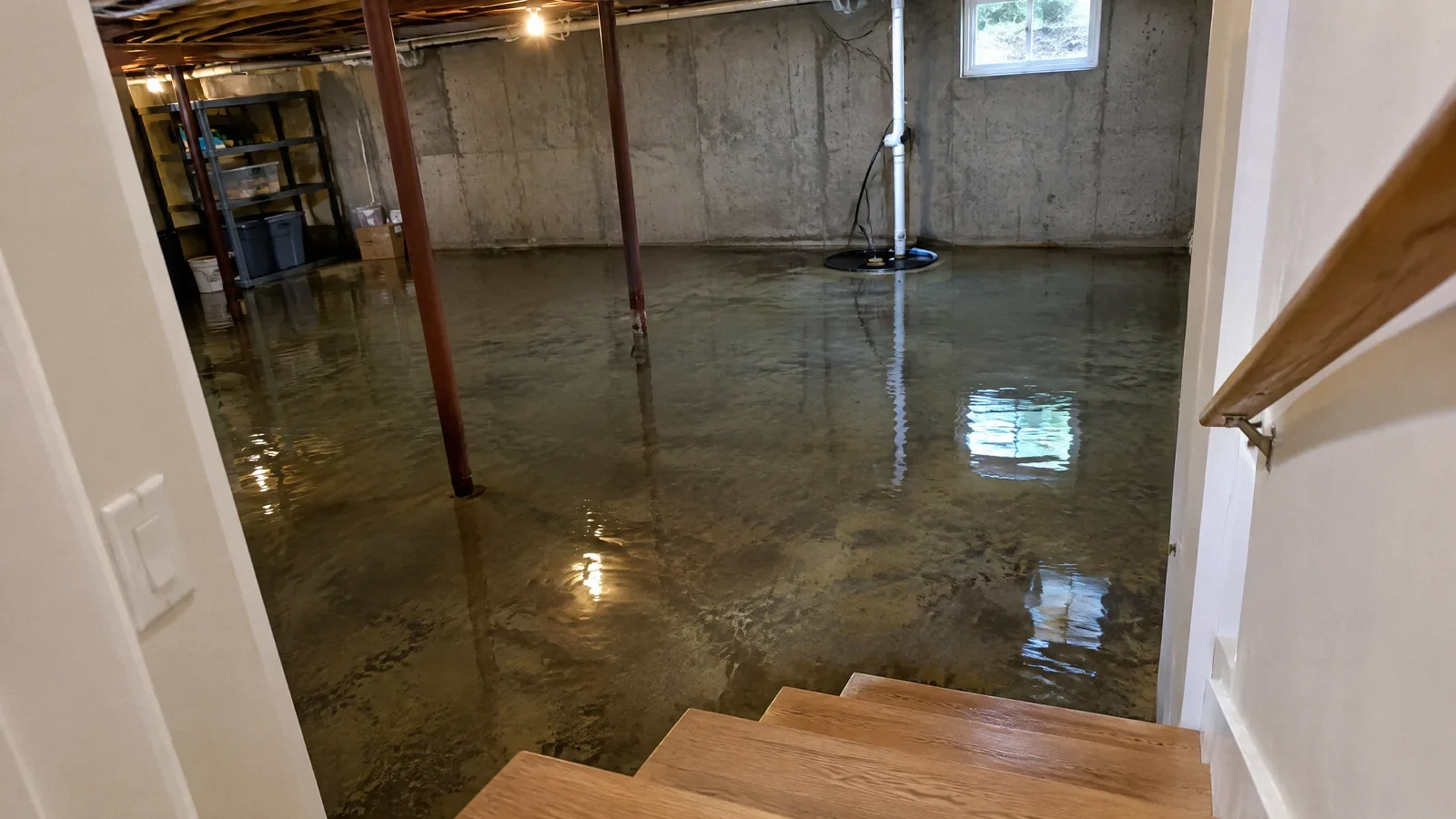
If the basement is flooded, stay out of water that could contact electrical equipment. Do not reach into the basin or unplug the pump while standing in water. An electrician or utility can make the electrical supply safe. A sewage ejector pump serves a different purpose from a groundwater sump pump; tell the contractor what the basin receives so the correct equipment and safety procedures are used.
Match the pump to the site
The installer needs more than the old pump’s horsepower. Selection depends on expected inflow, the vertical rise from the pump to discharge, pipe length and fittings, discharge arrangement, and the manufacturer’s pump performance curve. A unit that cannot deliver enough water at the actual lift may not keep up. Oversizing can cause excessive cycling in a small basin, so ask how the proposed pump and float settings fit the pit and site.
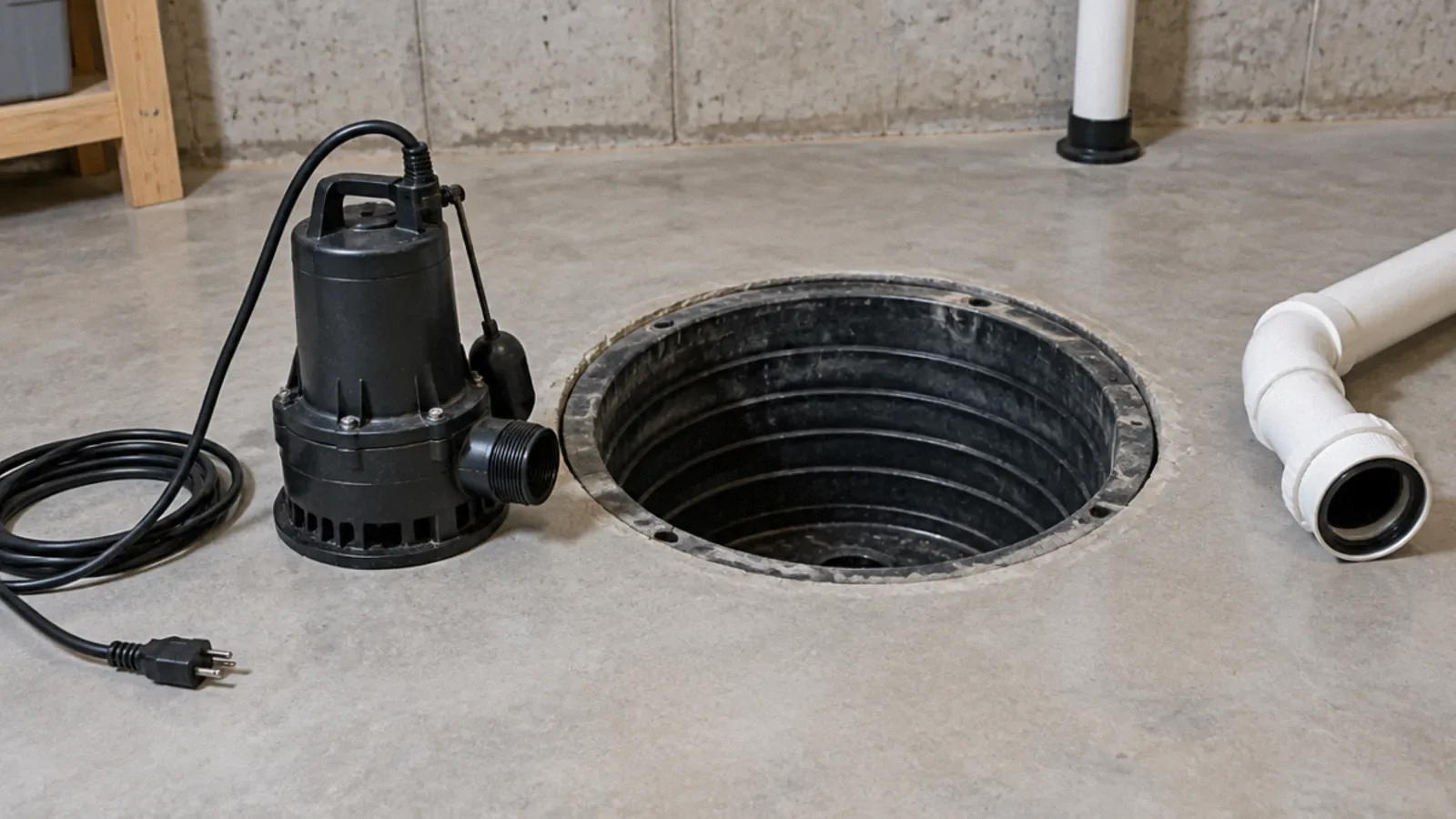
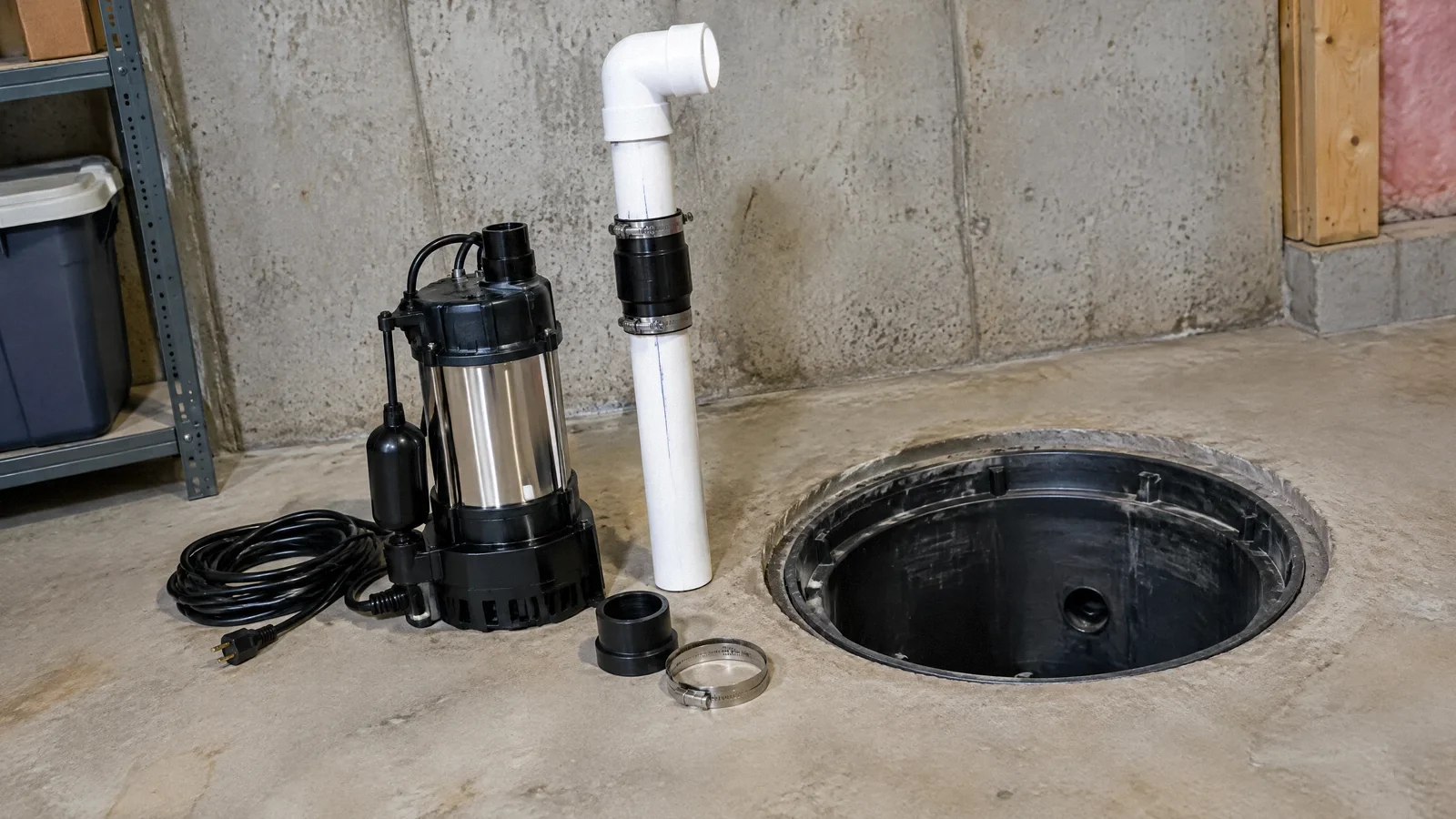
Submersible pumps sit in the basin; pedestal designs place the motor above it. Each has particular space, cooling, service, and noise characteristics. Confirm that the replacement fits the pit and that the float can travel without catching on the wall, cord, or pipe. Review the product’s operating limits and warranty. The right choice depends on the conditions, not a universal replacement interval.
Inspect discharge and electrical provisions
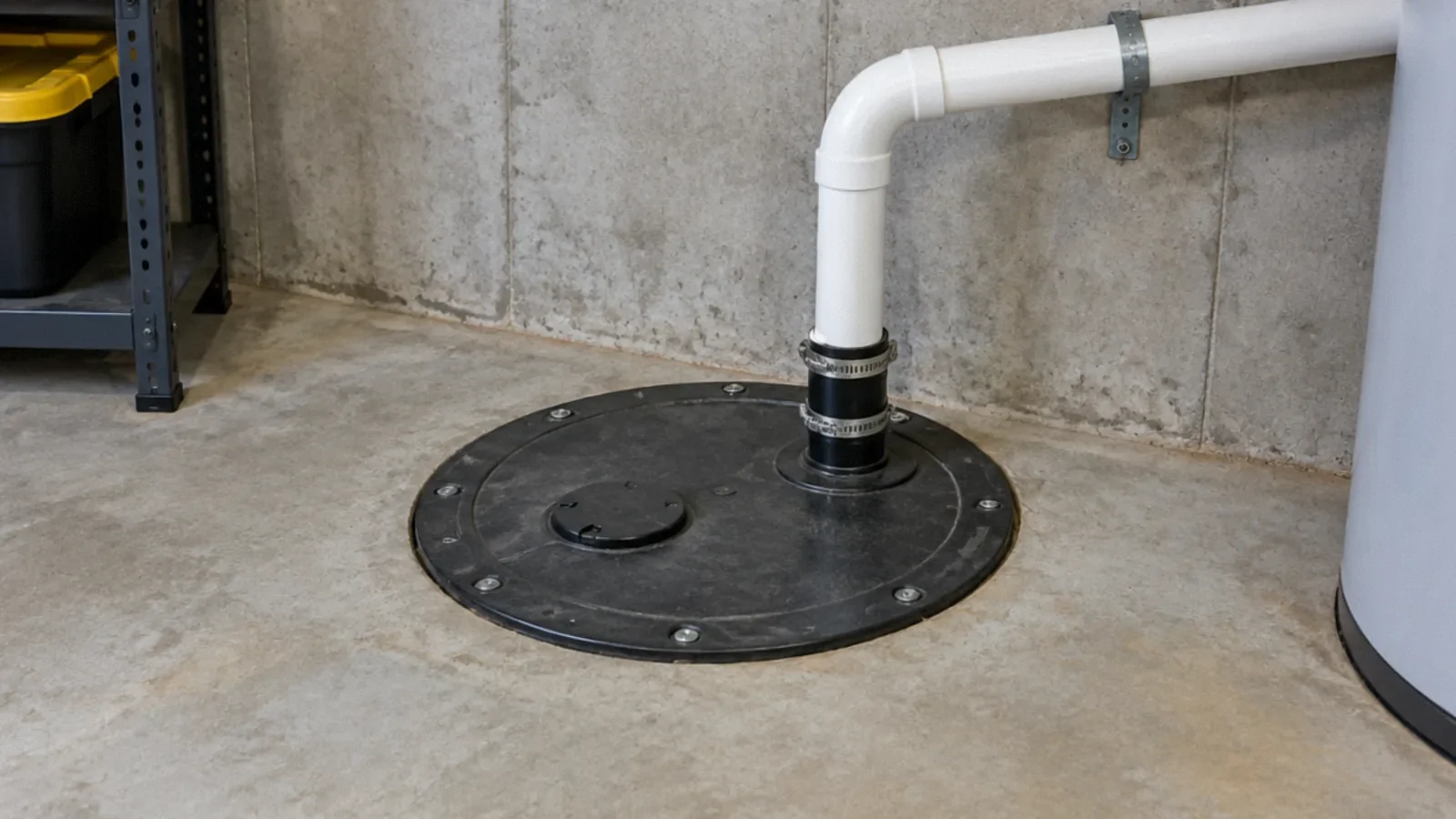
The check valve helps limit water flowing back into the pit after the pump stops. The installer should check its condition, orientation, and compatibility with the new pump and piping. Inspect the discharge line for damage, blockage, freezing risk, and a suitable outlet. Local rules may restrict where sump discharge can go; do not assume that connection to a sanitary sewer or septic system is permitted.
The installer should follow the manufacturer’s electrical instructions and local code. A damaged cord, wet receptacle, unsuitable extension cord, or repeatedly tripping circuit needs professional attention. Do not modify the plug, bypass protection, or work on electrical connections in wet conditions. The job may require an electrician as well as a plumber or pump installer, depending on the work and jurisdiction.
Test and plan for outages
After installation, have the contractor demonstrate a normal operating cycle and verify that water reaches the intended discharge point, the pump stops, and the float moves freely. Ask how the high-water alarm works and how often the manufacturer recommends testing. Keep the model number, installation date, instructions, and service record where they can be found during an emergency.
A backup pump, battery, and high-water alarm may reduce risk during an outage or primary pump failure, but capacity and runtime vary. Ask what each component can handle, how the battery is maintained, and what happens during prolonged loss of power. Keep the discharge clear and have the system inspected as recommended. A replacement alone cannot prevent flooding if the incoming water exceeds the system’s capacity.
Your next-step checklist
- Confirm the cause before replacing the pump.
- Check flow at actual lift, pit fit and discharge.
- Test the completed system and backup.
Related questions
Should I choose the same horsepower?
Not automatically. The replacement must deliver adequate flow at the actual system head and fit the basin.
Does a new pump work during an outage?
A standard electric pump needs power; an appropriate backup can provide limited operation depending on its design and capacity.
Sources & context
Public guidance supports the principles in this article. The practical questions and examples are editorial interpretation, not a site assessment or a coverage decision. State-specific rules apply only where identified.