Floor Drains: What They Do, Common Problems and Repair
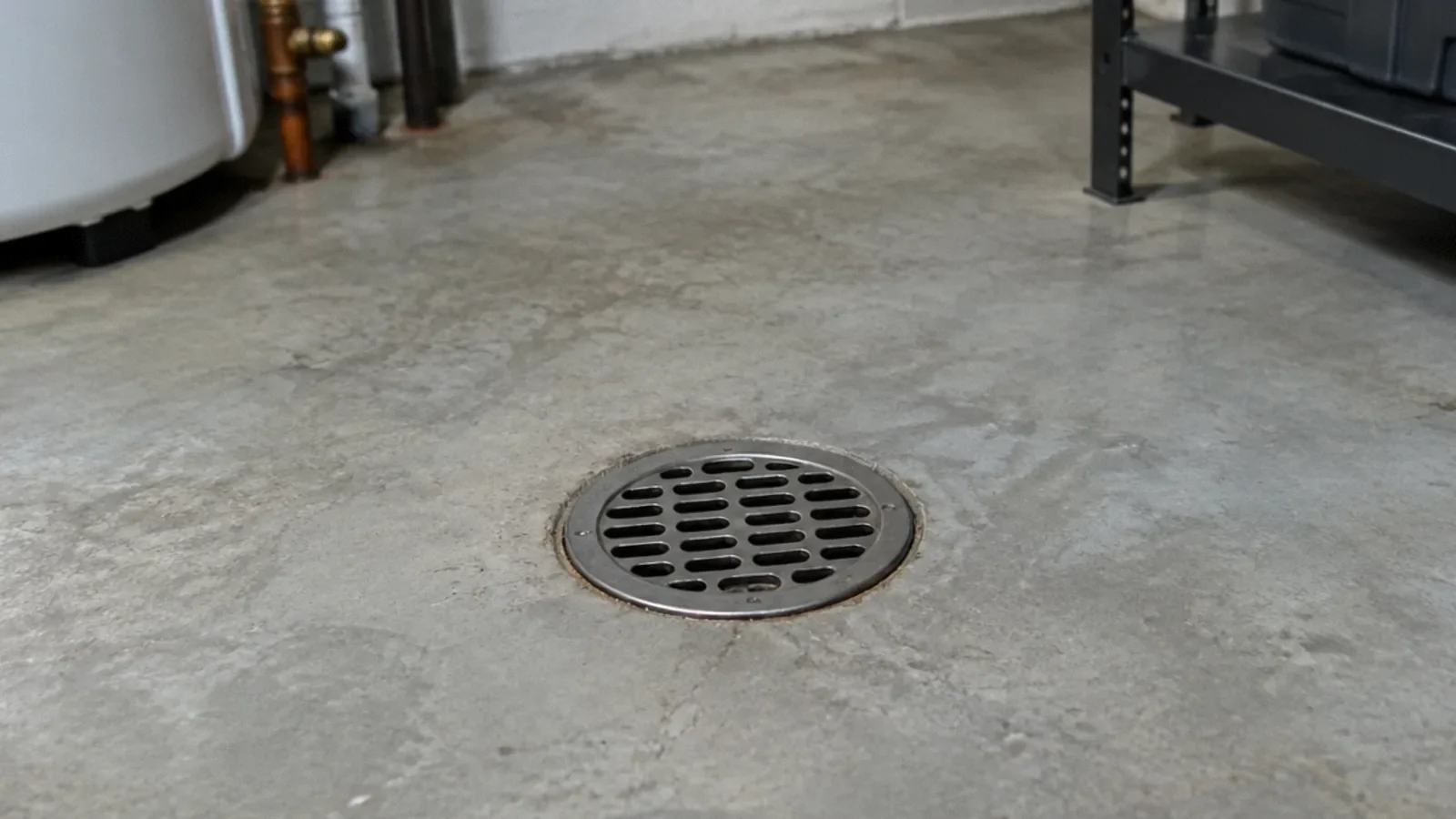
Understand floor drain connections, trap seals, common backup symptoms and questions to ask before repair or replacement.
Pipes, fixtures, drainage and safe troubleshooting. Browse 28 detailed guides.
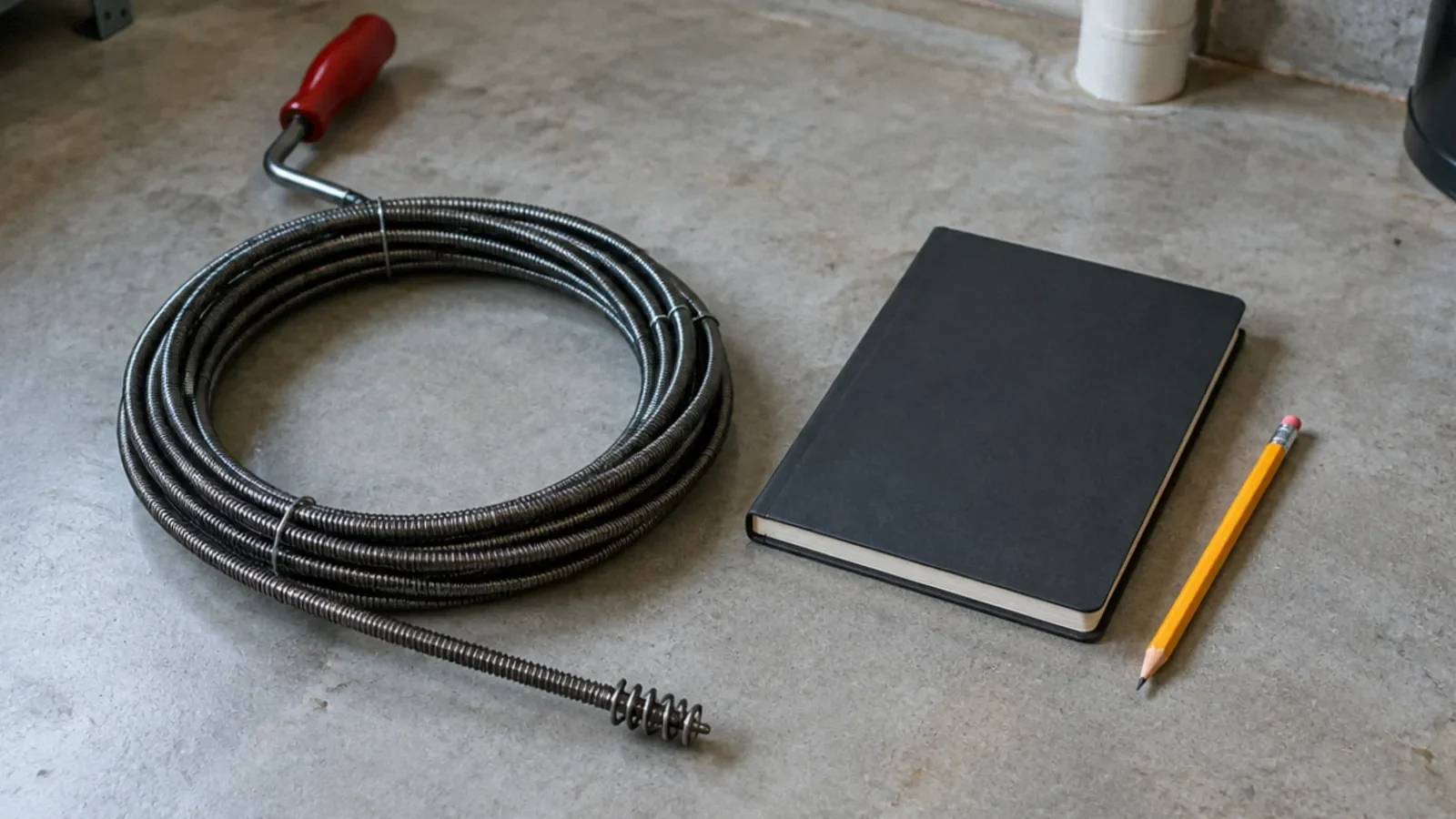
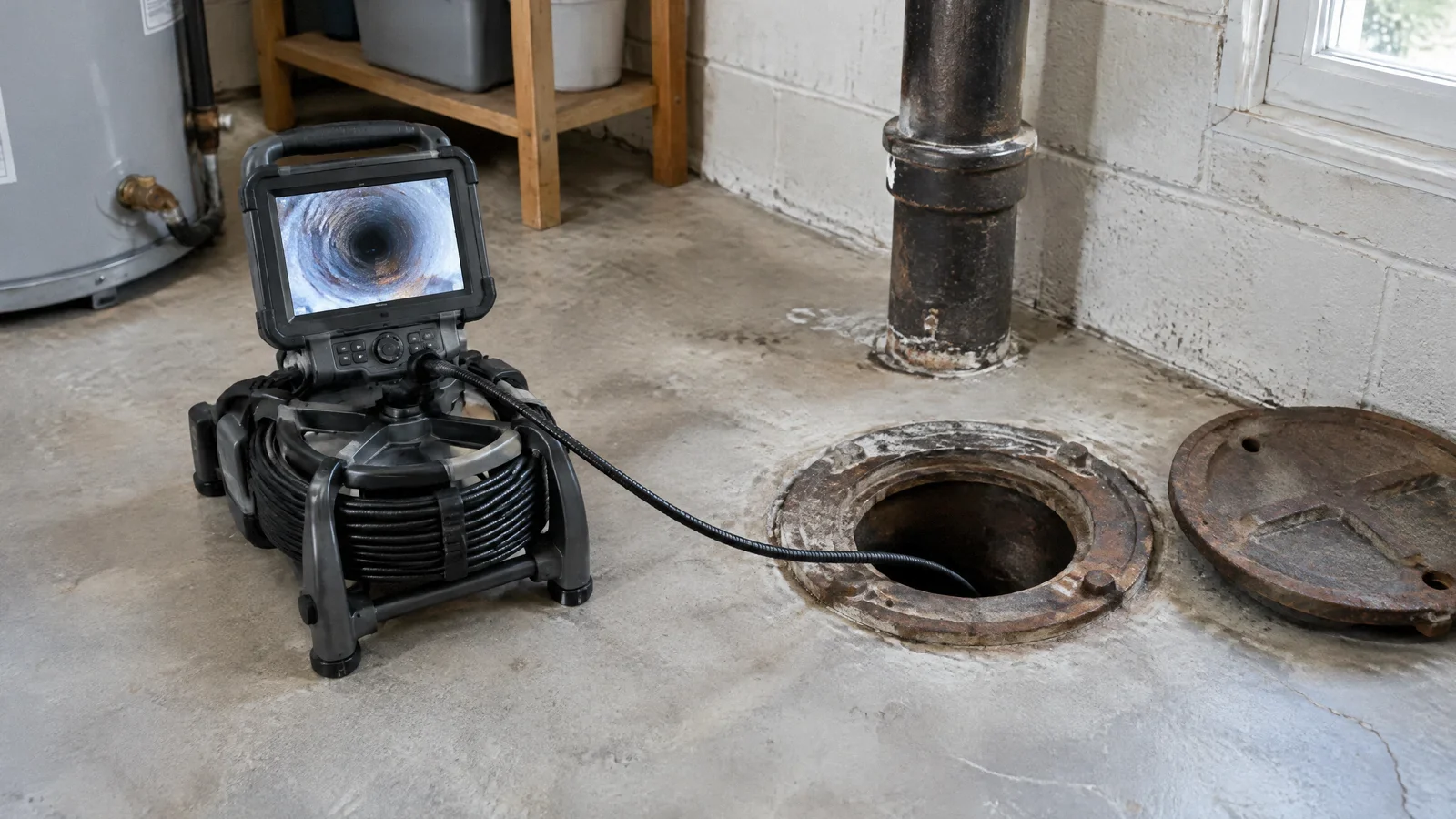
Understand floor drain connections, trap seals, common backup symptoms and questions to ask before repair or replacement.
Compare dated national drain-cleaning cost references and understand call-out fees, snaking, sewer inspection and repair exclusions.
Understand the limits of a home inspection, when a separate plumbing or sewer evaluation may help and how to use the findings.
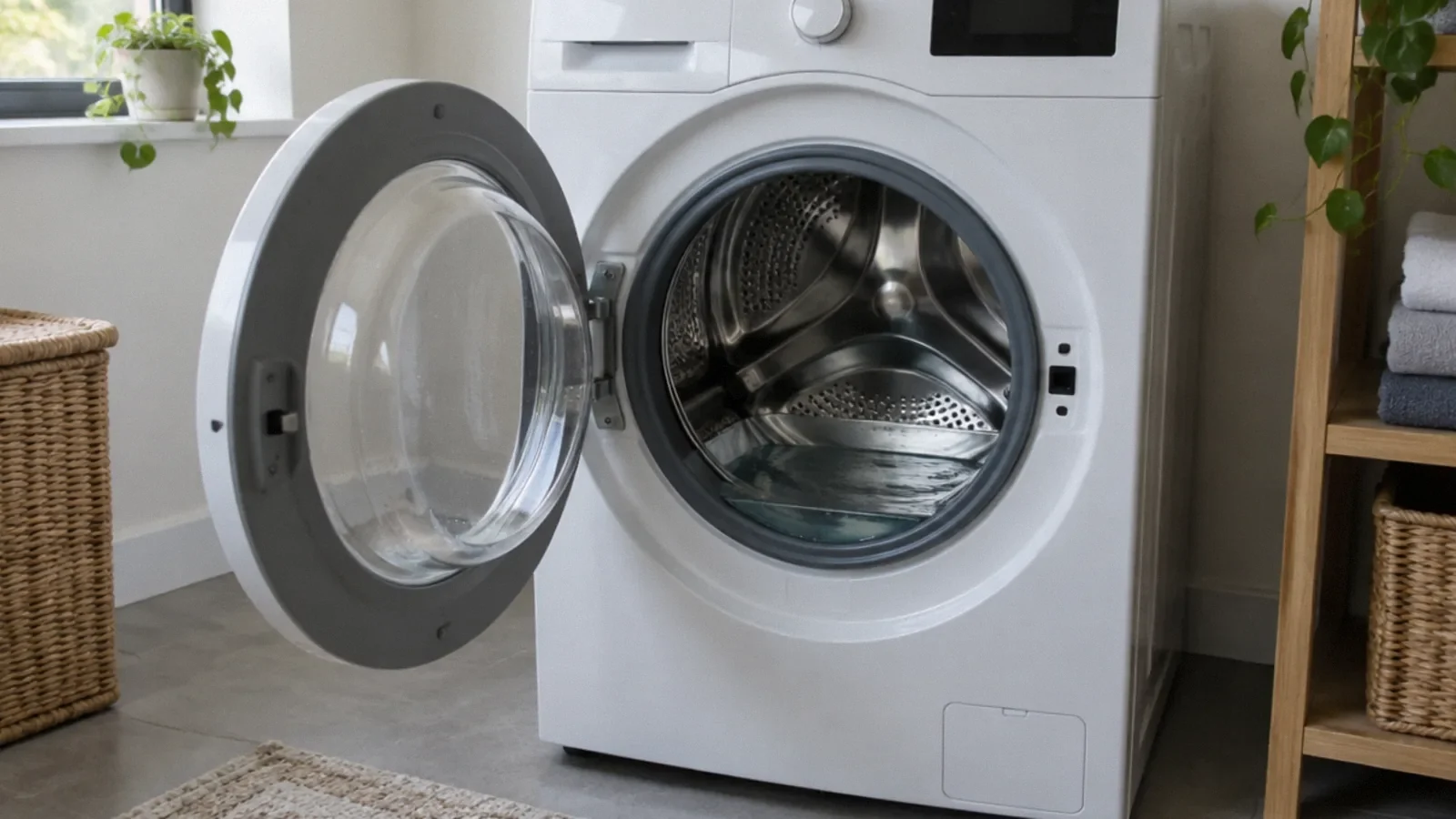
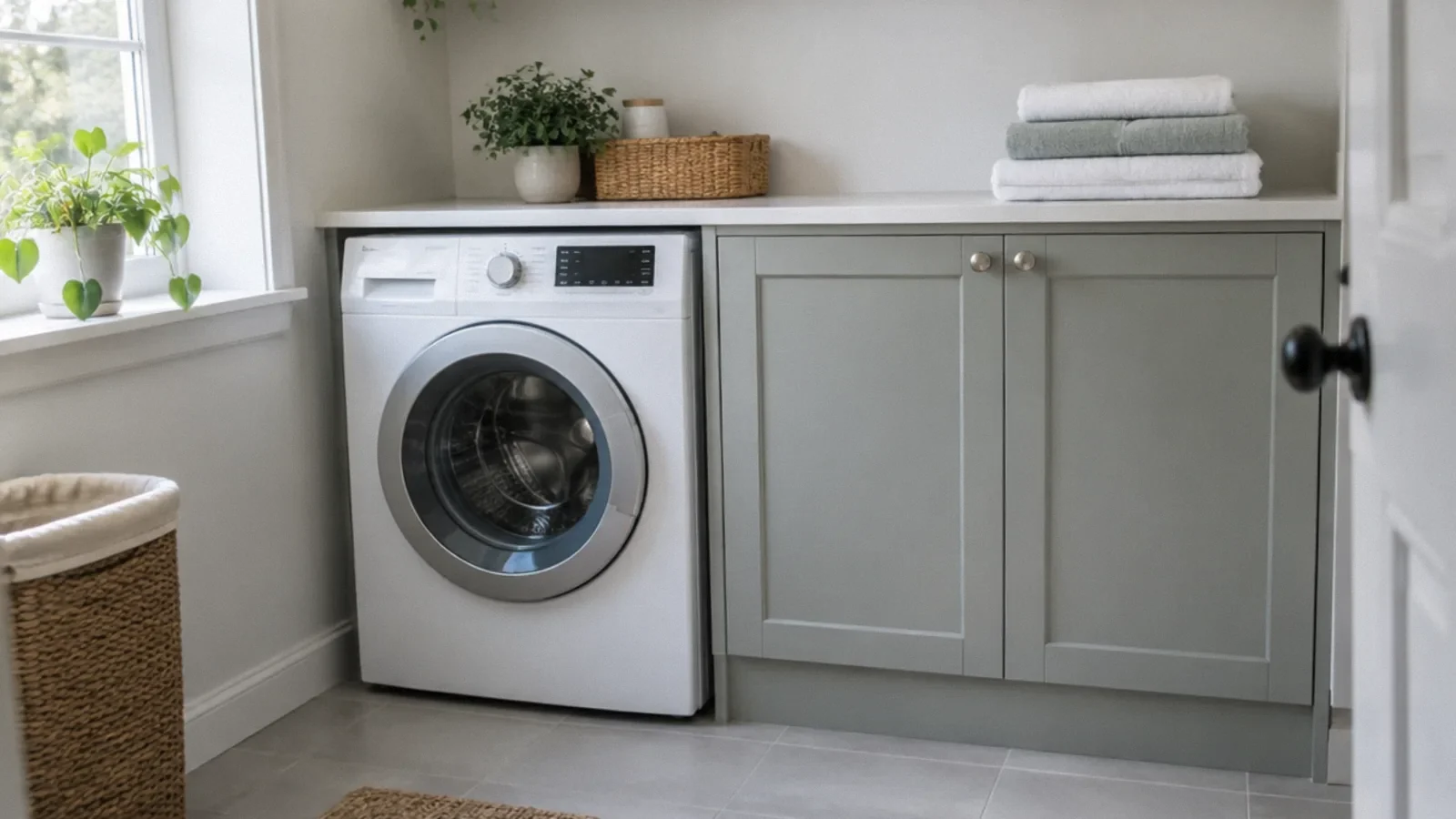
Understand common reasons a washer does not drain completely, what to check safely and when to request appliance service.
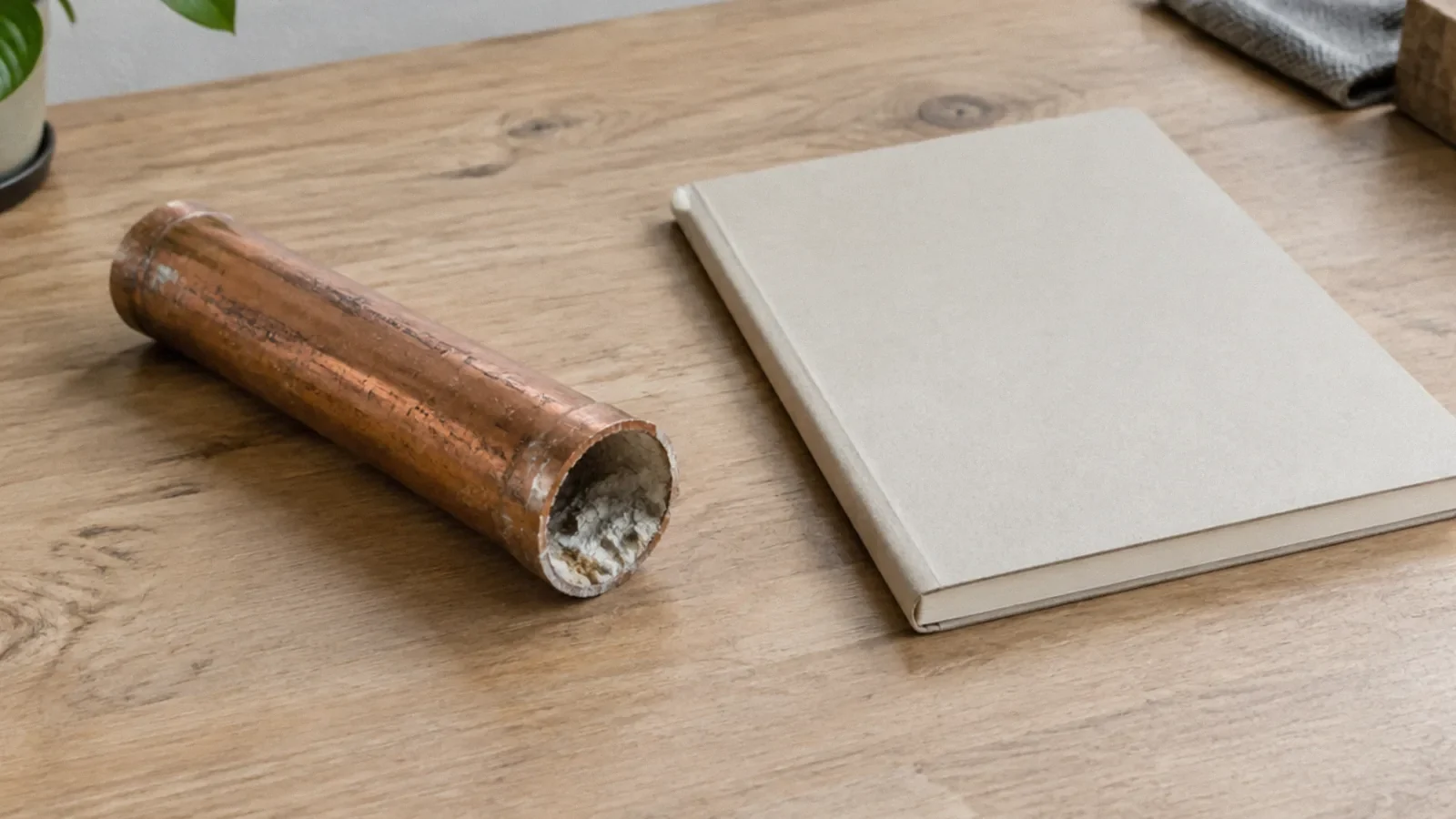
Understand mineral deposits, hard water, signs of restricted flow and questions to ask before descaling or replacing plumbing.
Understand washer water supply and drainage, related leak risks and when a local permit or qualified professional may be needed.
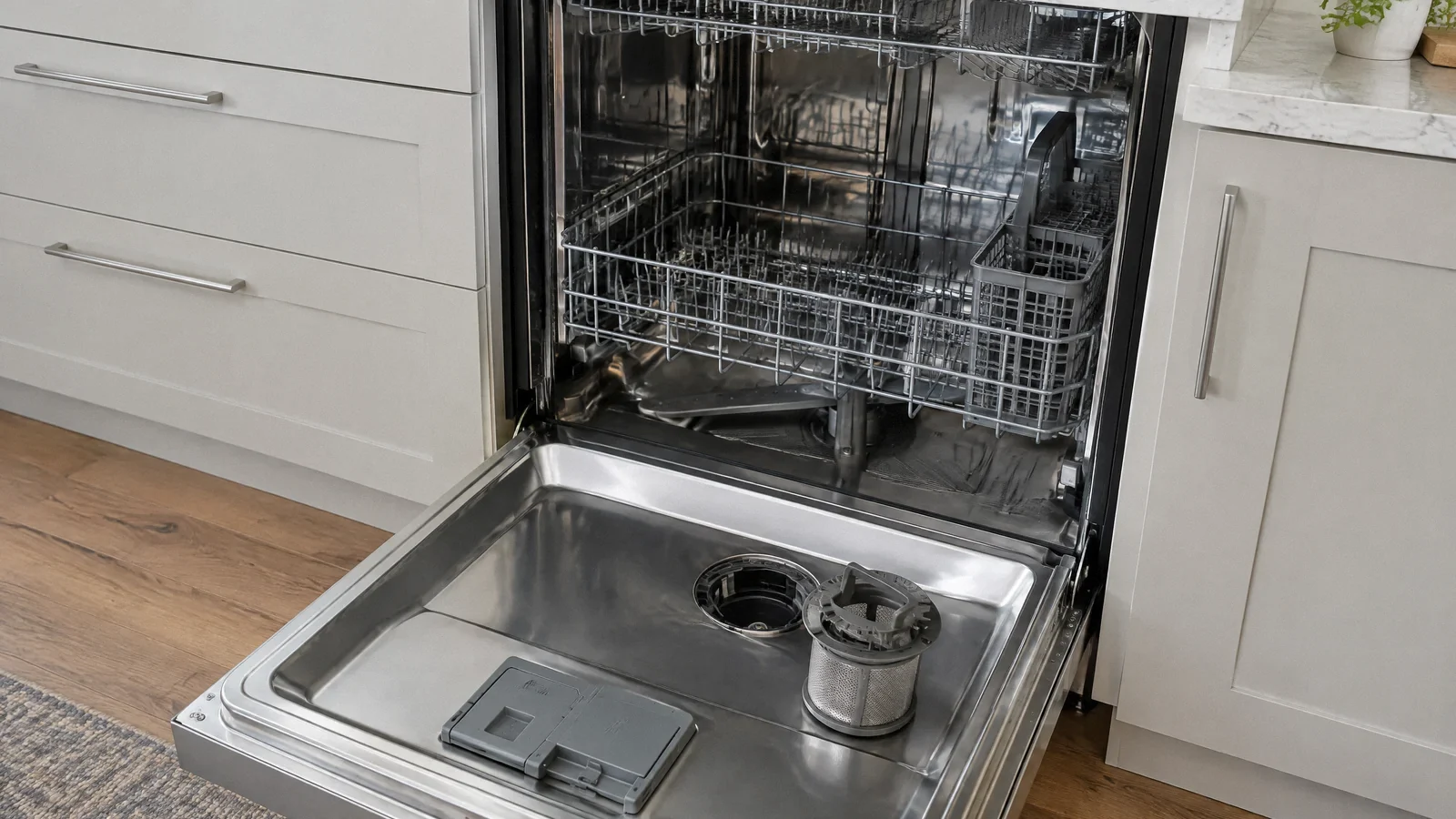
Check the cycle, filter, sink connection and drain path when a dishwasher leaves water behind, and know when to call for service.
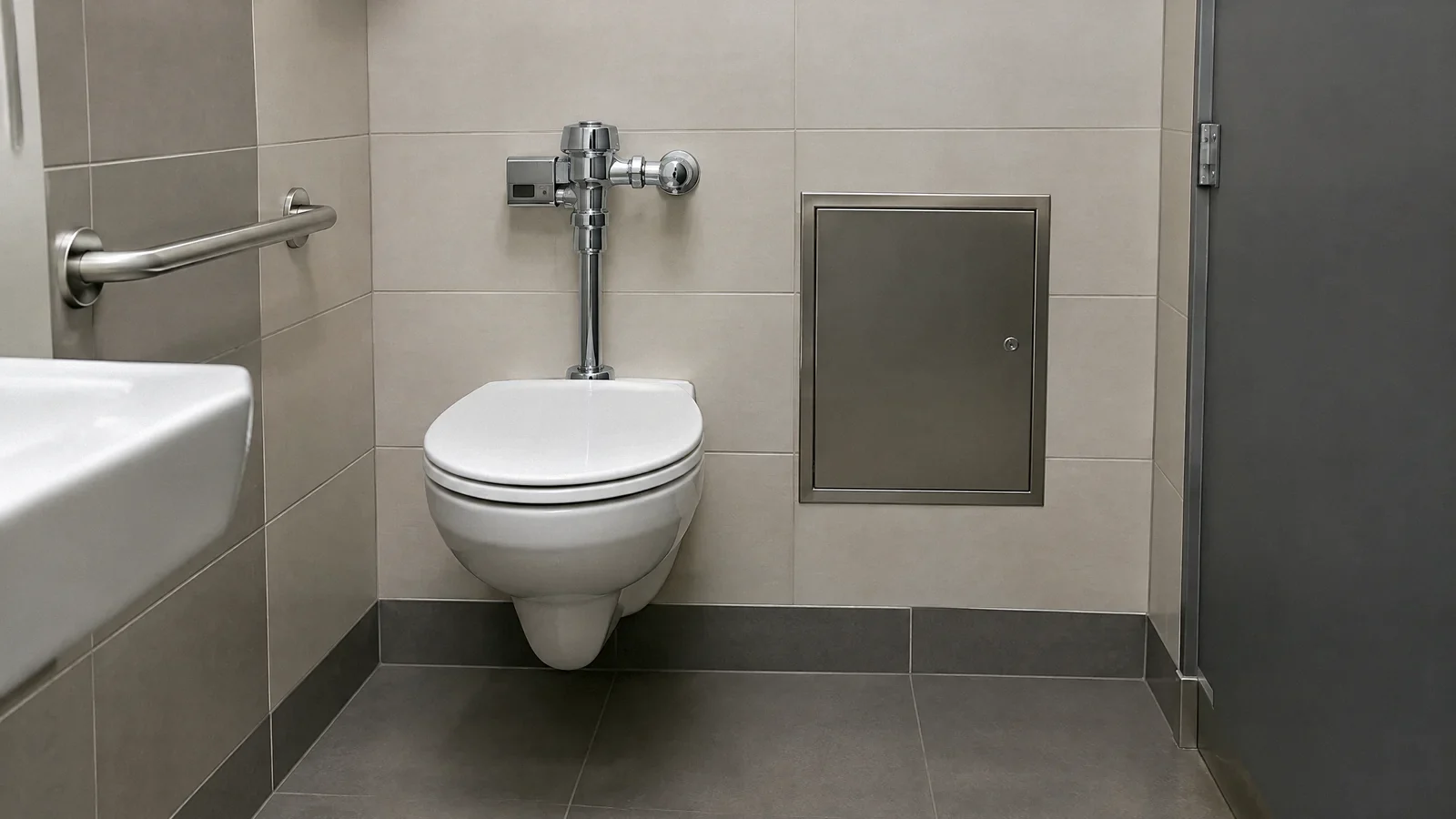
Identify common commercial toilet symptoms and know when a flushometer or drain needs qualified service.
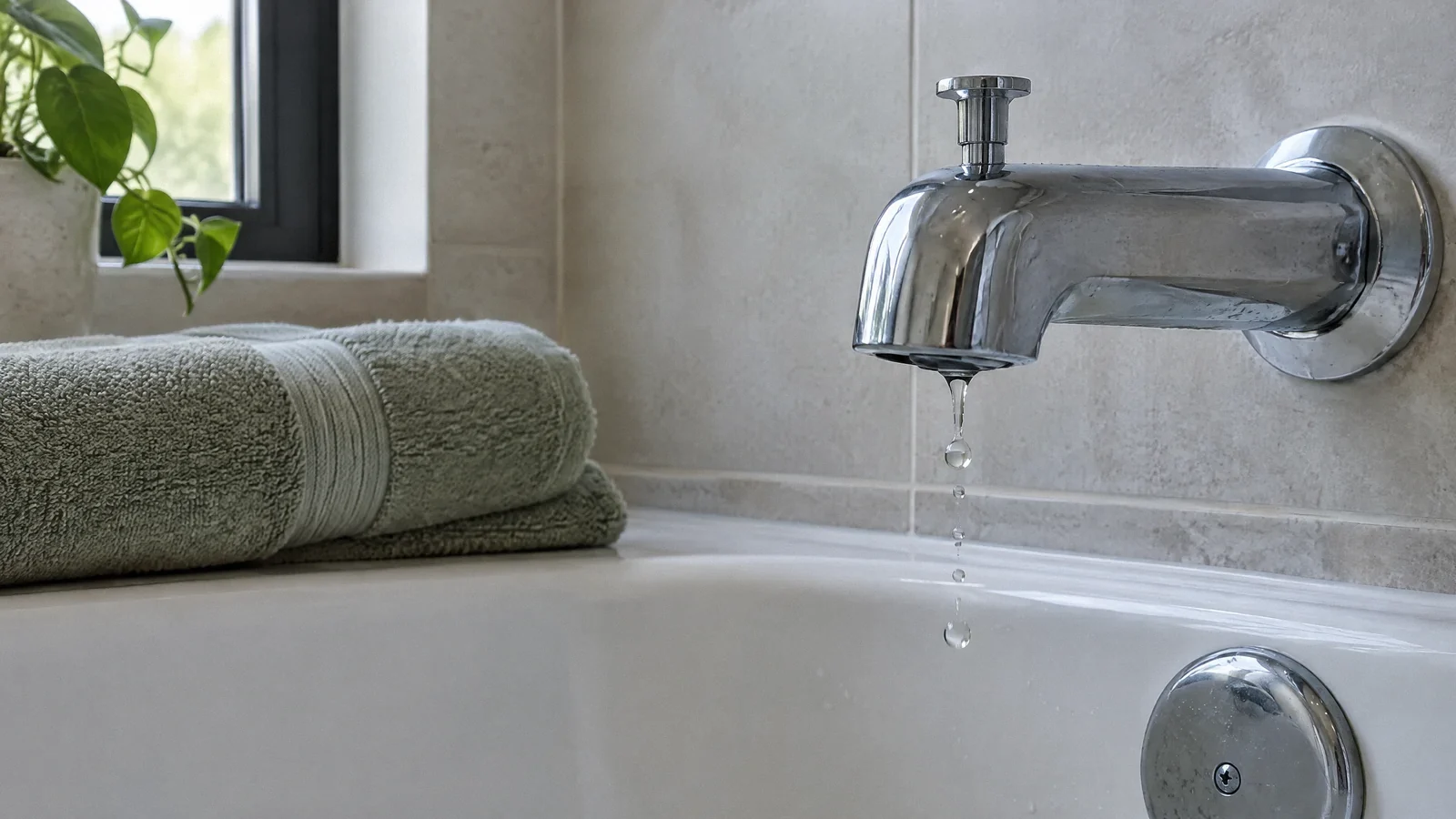
Identify a bathtub faucet leak, find the correct valve parts and know when to call a plumber.
Find common causes of sink odors, clean accessible parts and recognize when a plumber is needed.
Learn how 811 requests, utility records and private locating help identify buried water lines before excavation.
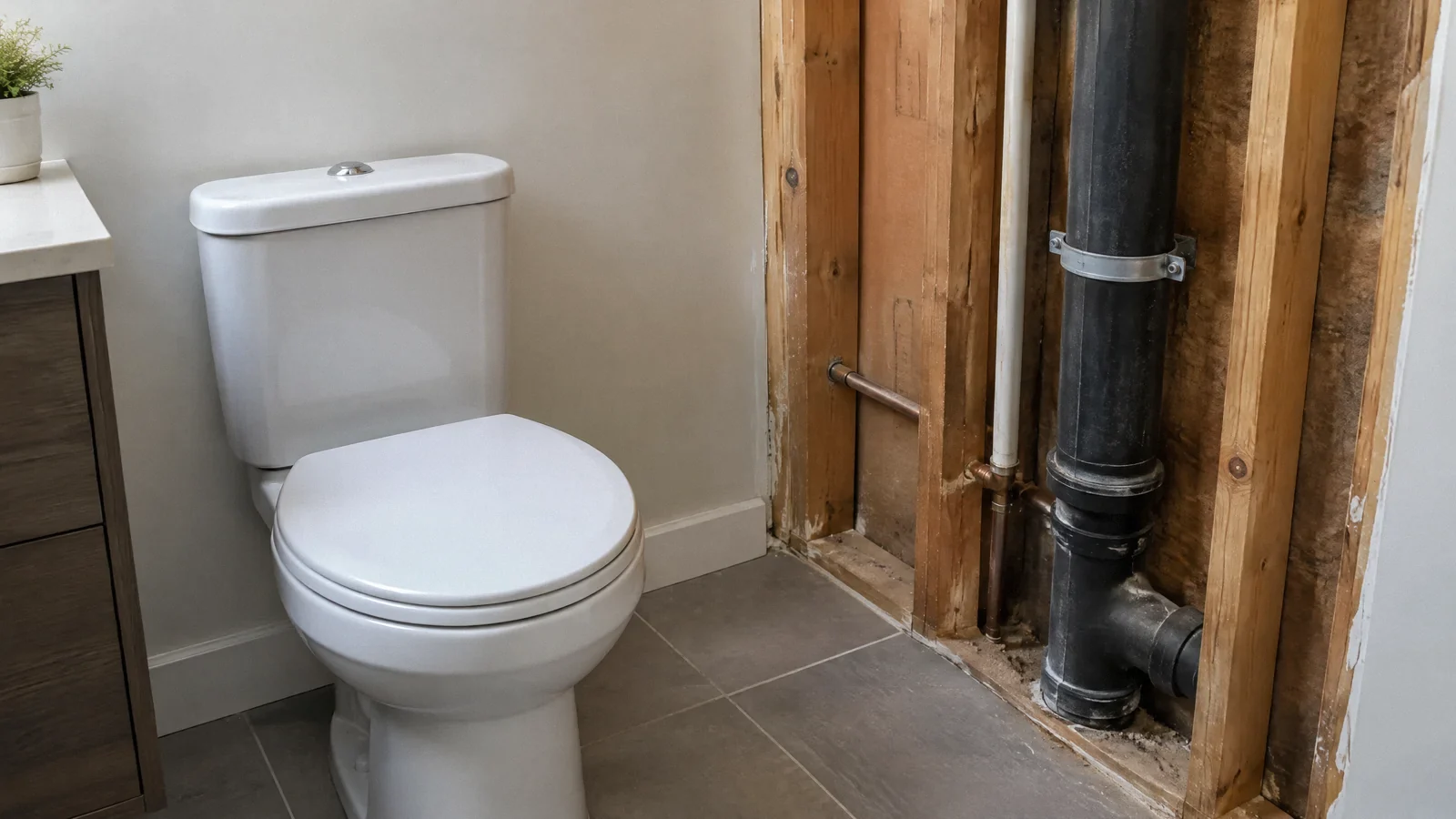
Plan the drain, vent, supply, clearances and inspections involved in relocating a toilet.
Plan safe professional disconnection, removal and disposal of a storage, tankless or heat pump water heater.
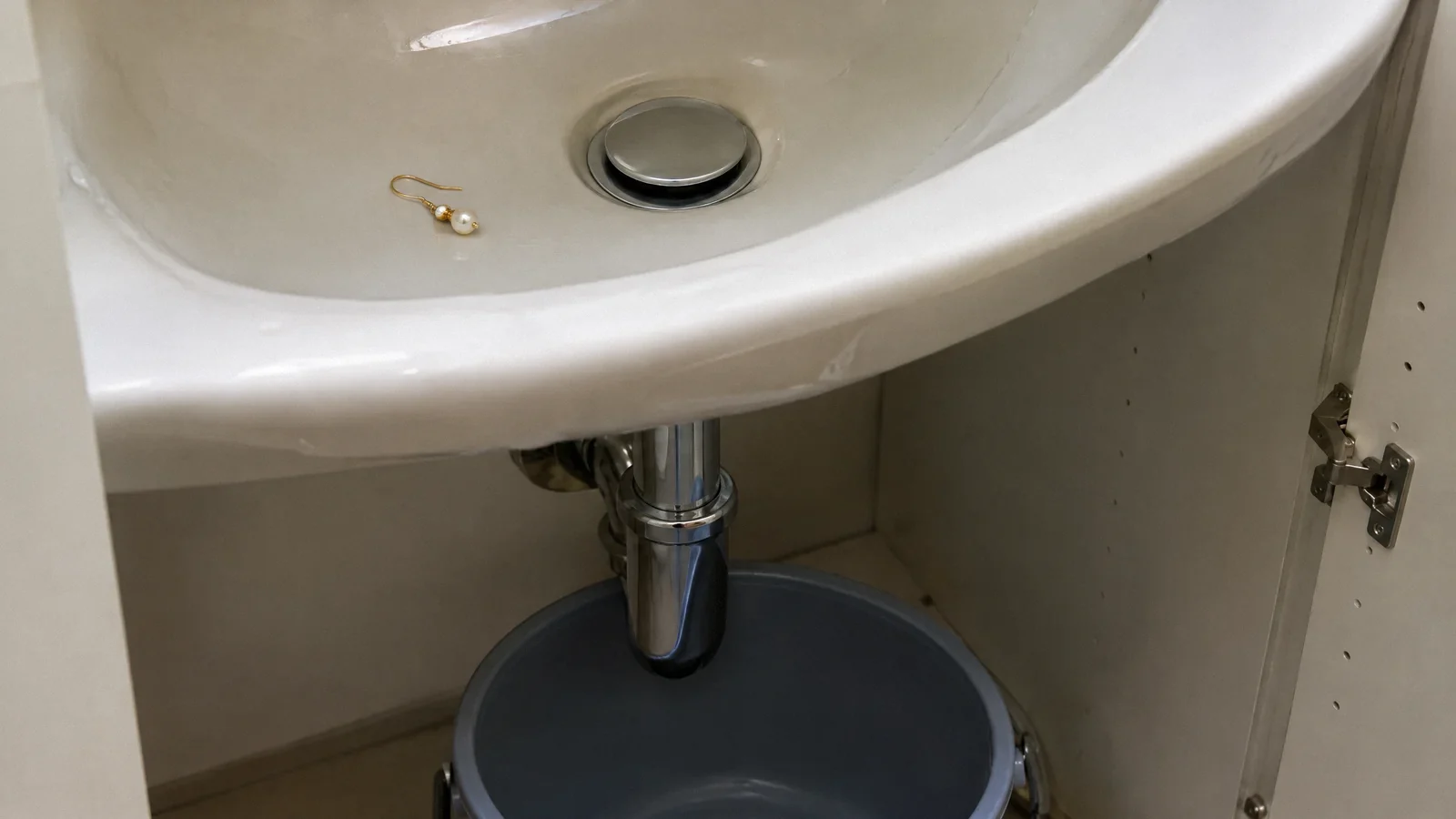
Stop the water, check the stopper and trap, and know when to call a plumber.
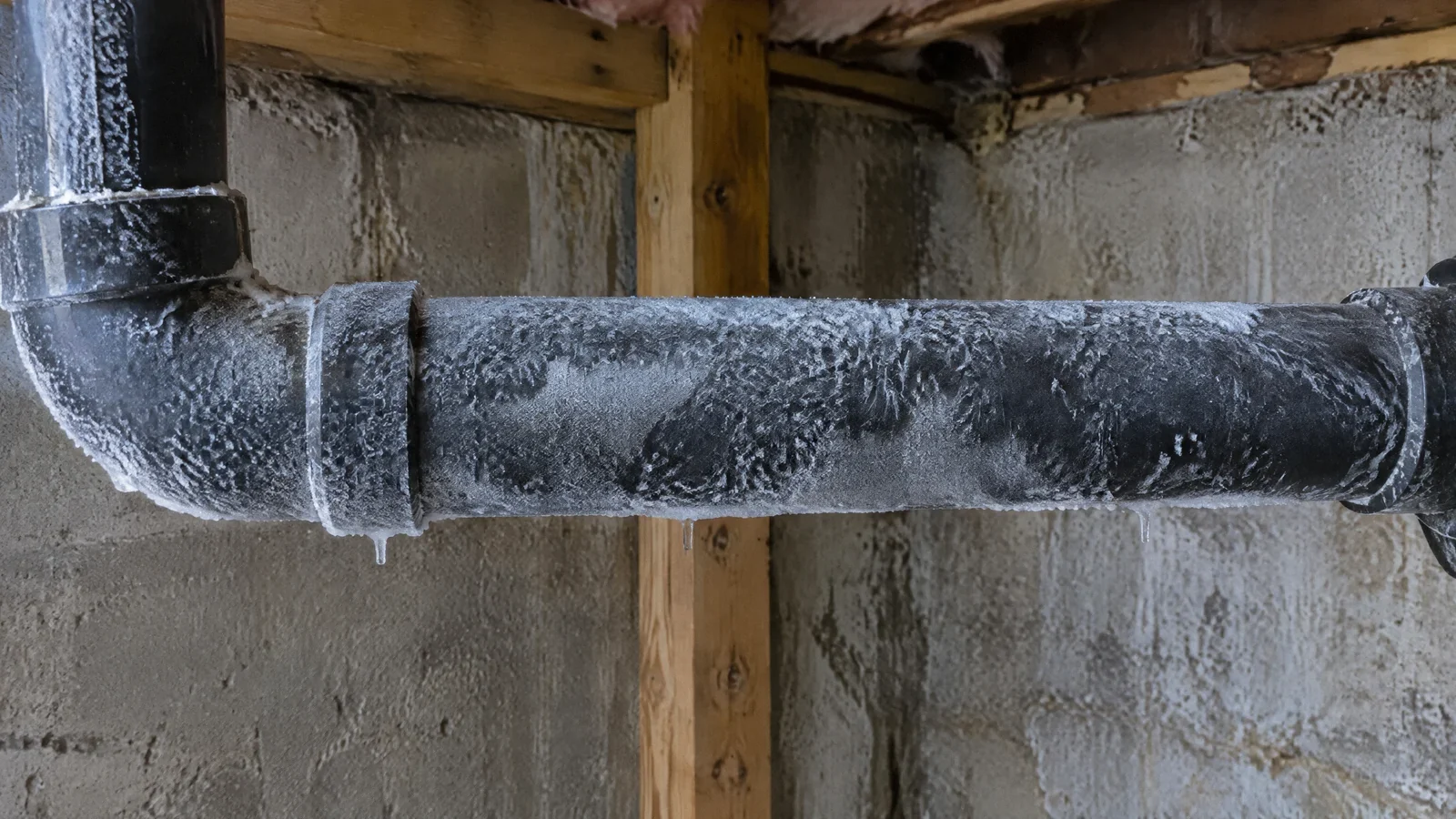
Recognize a frozen drain, prevent overflow and use safe, gentle warming.
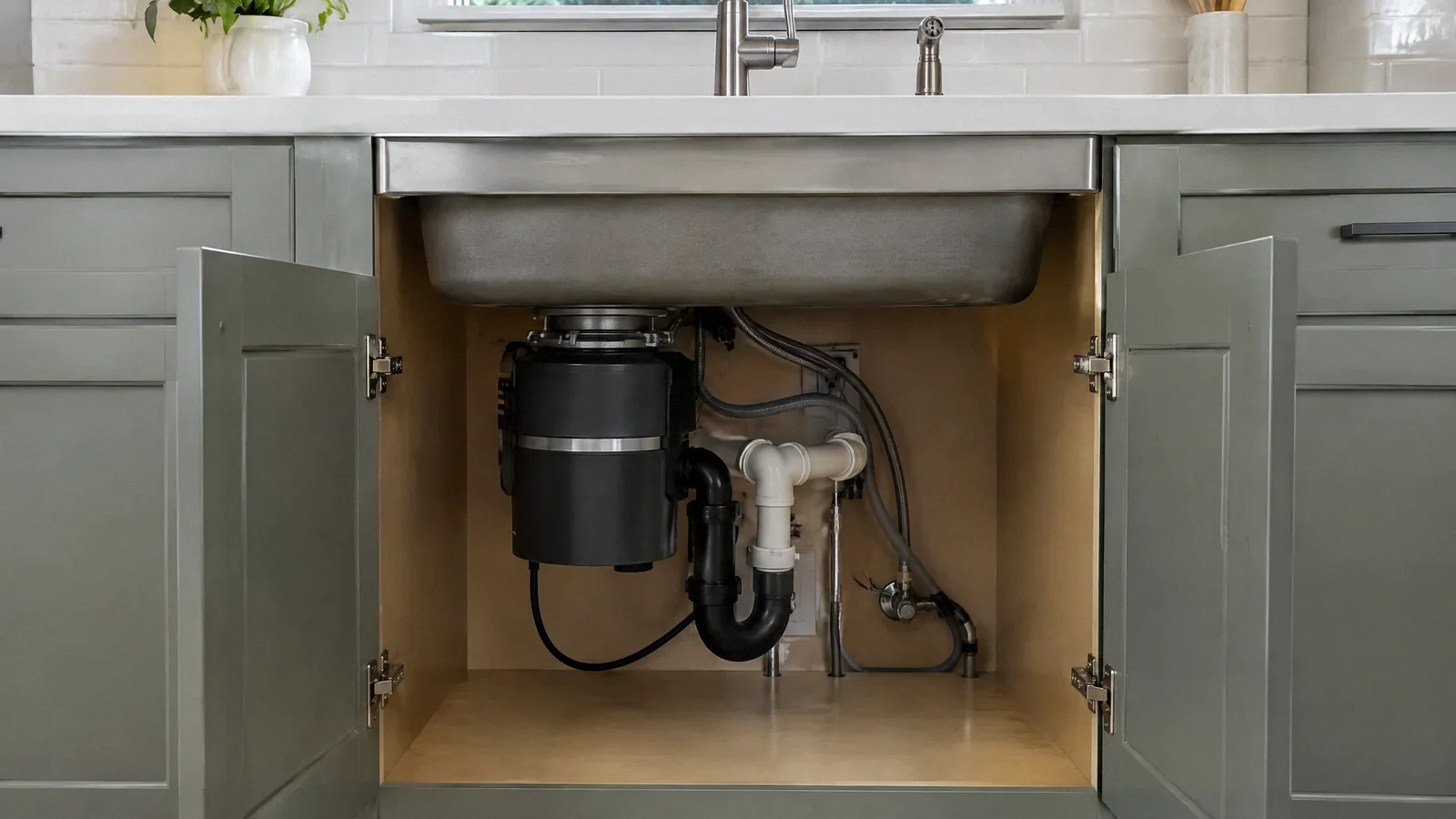
Distinguish a jammed disposal from a blocked drain and troubleshoot safely.
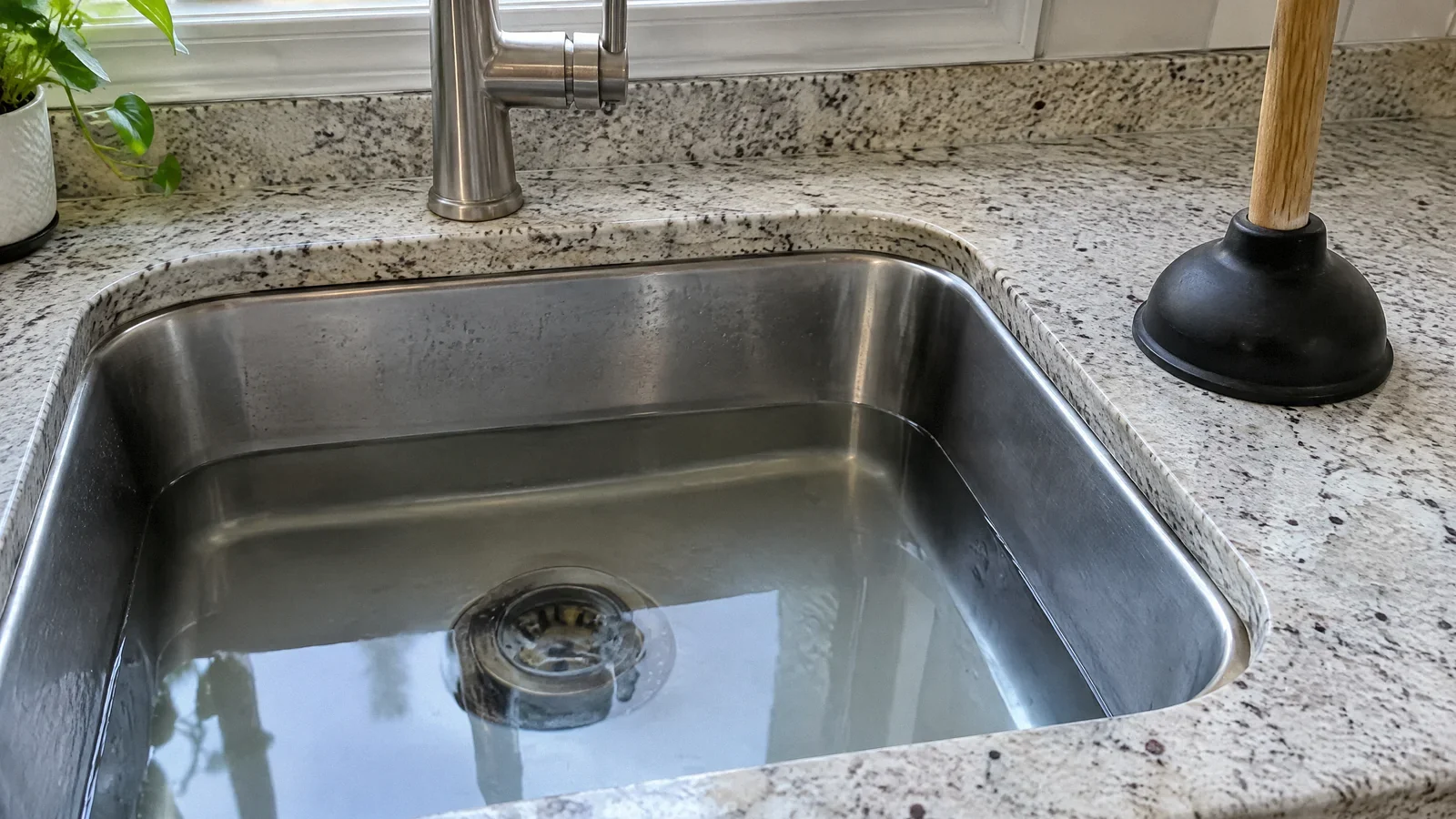
Steps for a slow or blocked kitchen sink, including standing water and a clear trap.
Understand toilet venting options, the role of local plumbing code, and when a plumber should assess a drain.
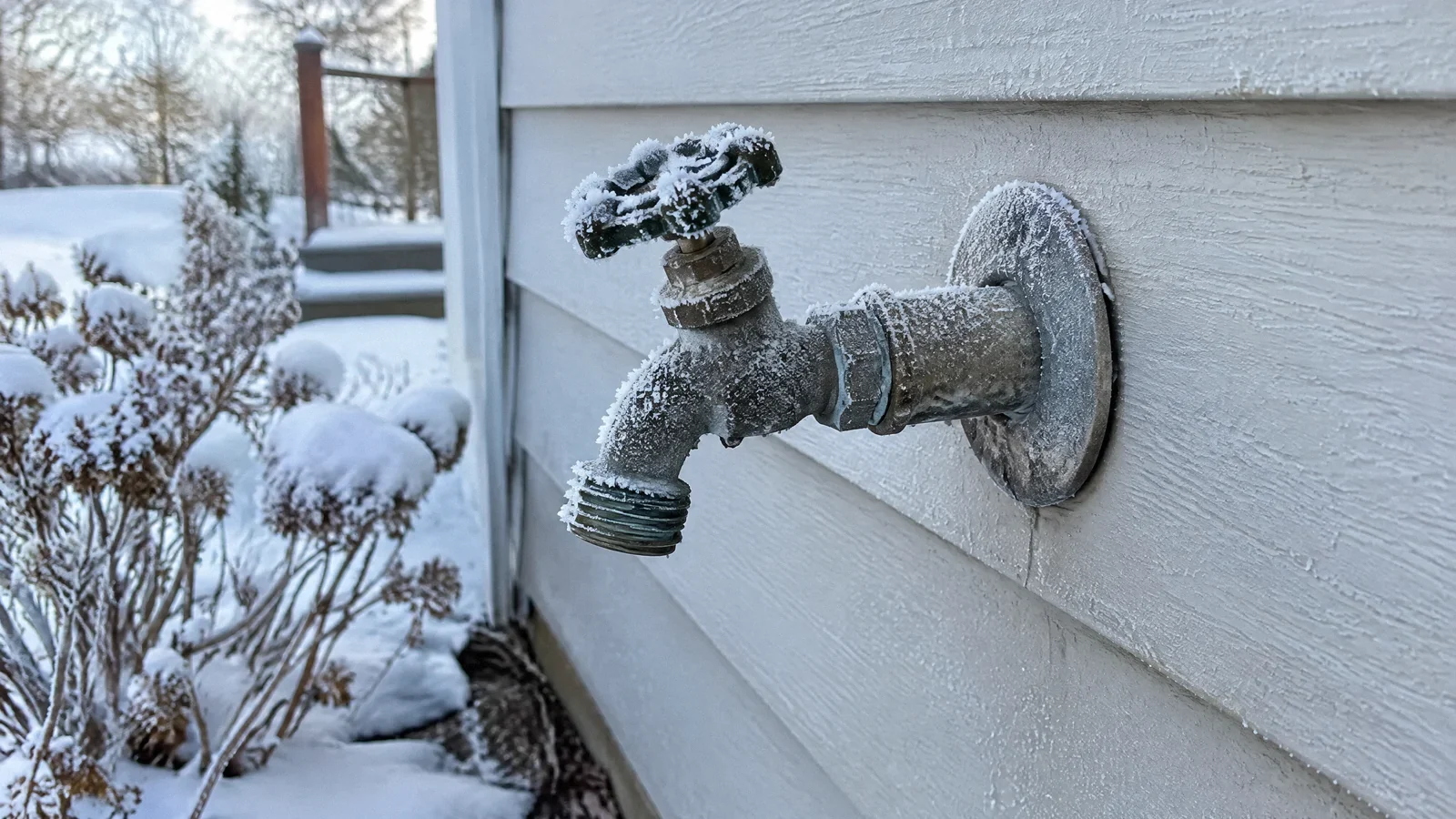
Do not force a stuck handle. A frozen handle and a frozen supply pipe are different problems; if water only trickles or the freeze is inaccessible, protect the home and call a plumber.
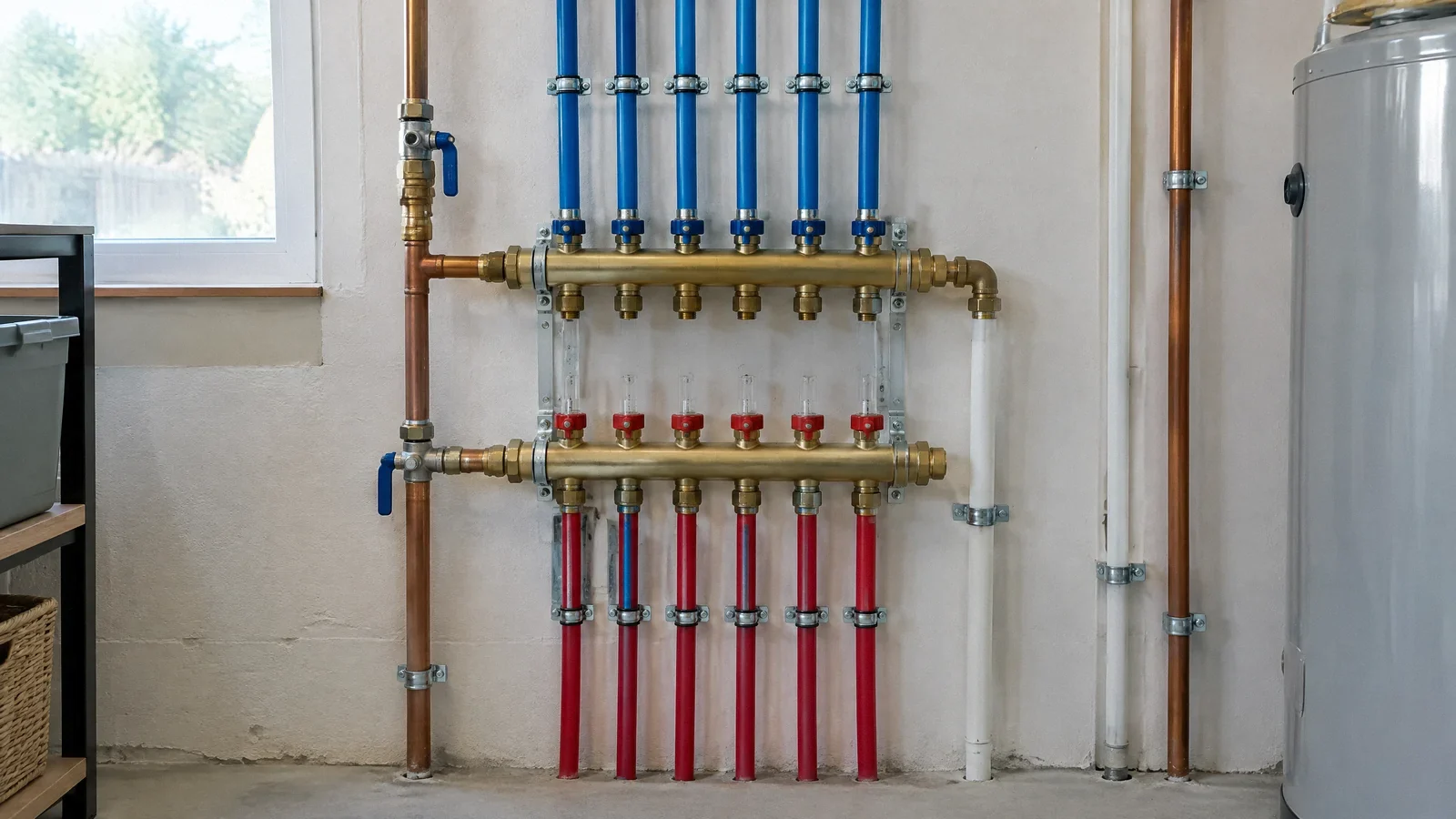
A home plumbing system brings potable water to fixtures, heats some of it, and carries wastewater away through drains and vents. Shutoff valves and backflow protections support safe operation.
One Wisconsin contractor lists $1,000–$4,000 for cast-iron drain descaling; that is one local published price, not a national quote. Inspection, length, access and pipe condition can change the total.
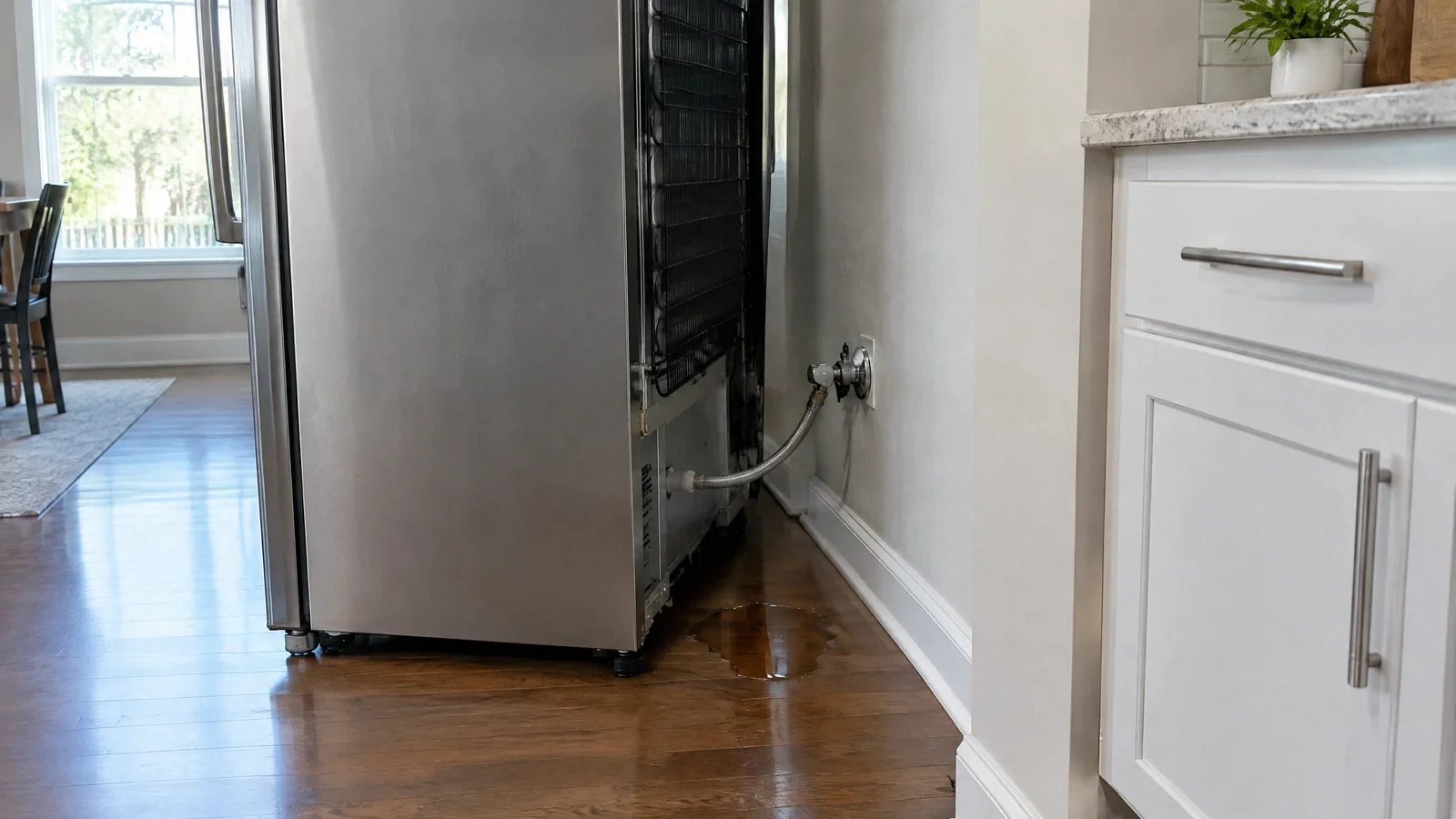
Respond to a leaking refrigerator water line, arrange appropriate repair and assess nearby flooring and cabinets.
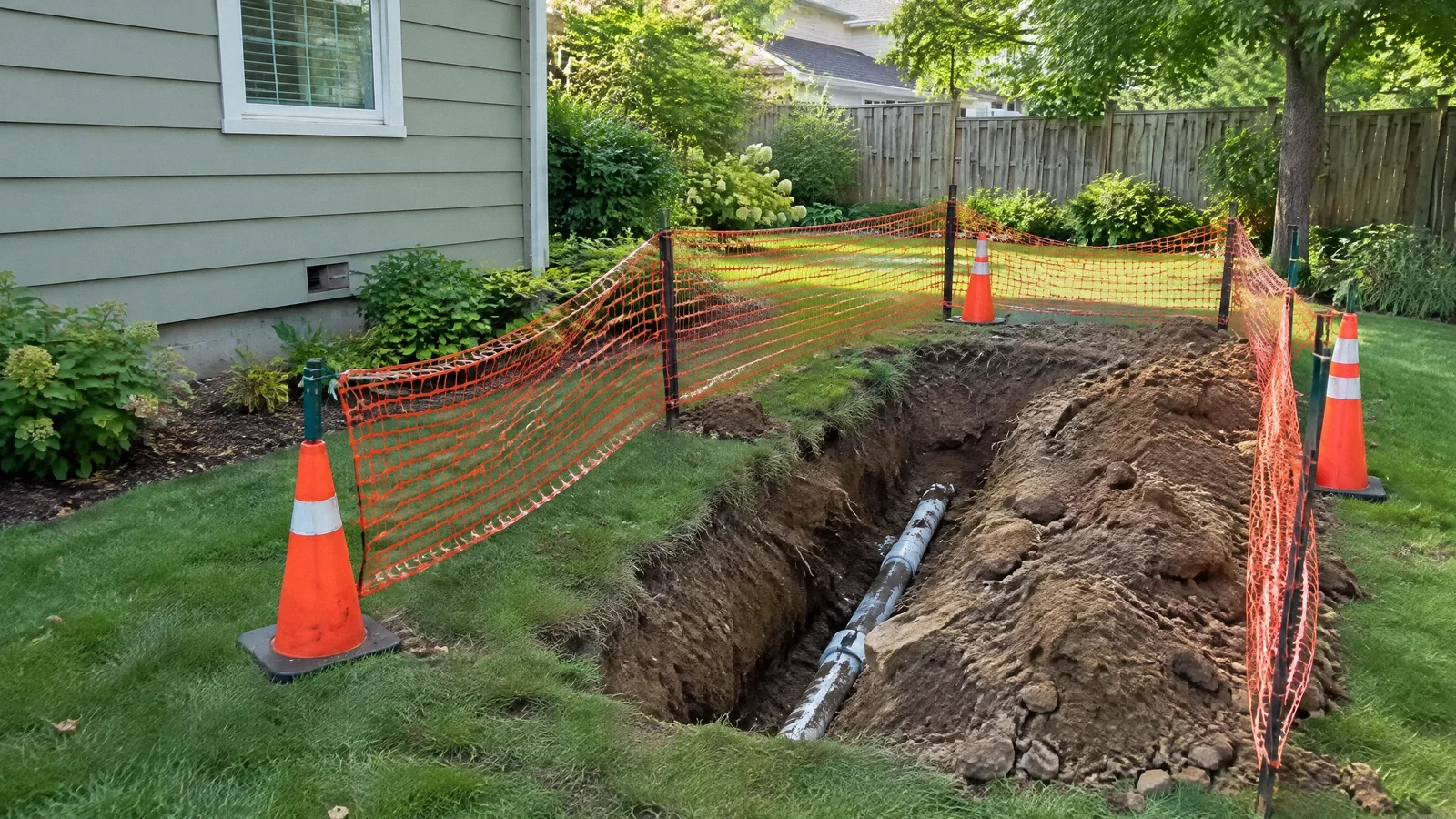
Understand septic pipe repair choices, including locating damage, evaluating access and comparing a defined repair scope.
Recognize possible septic pump problems and learn what qualified inspection should check before selecting a repair.
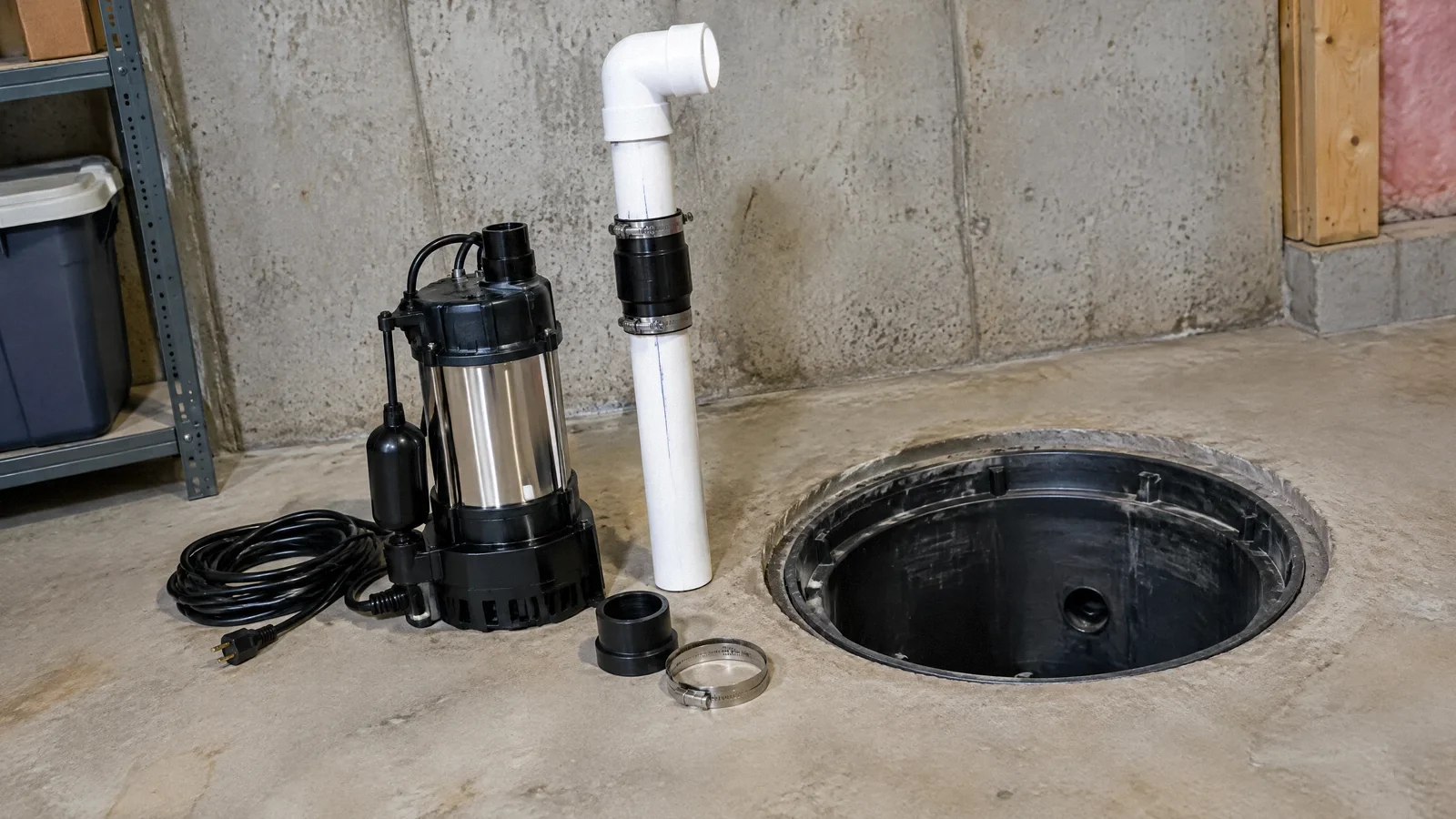
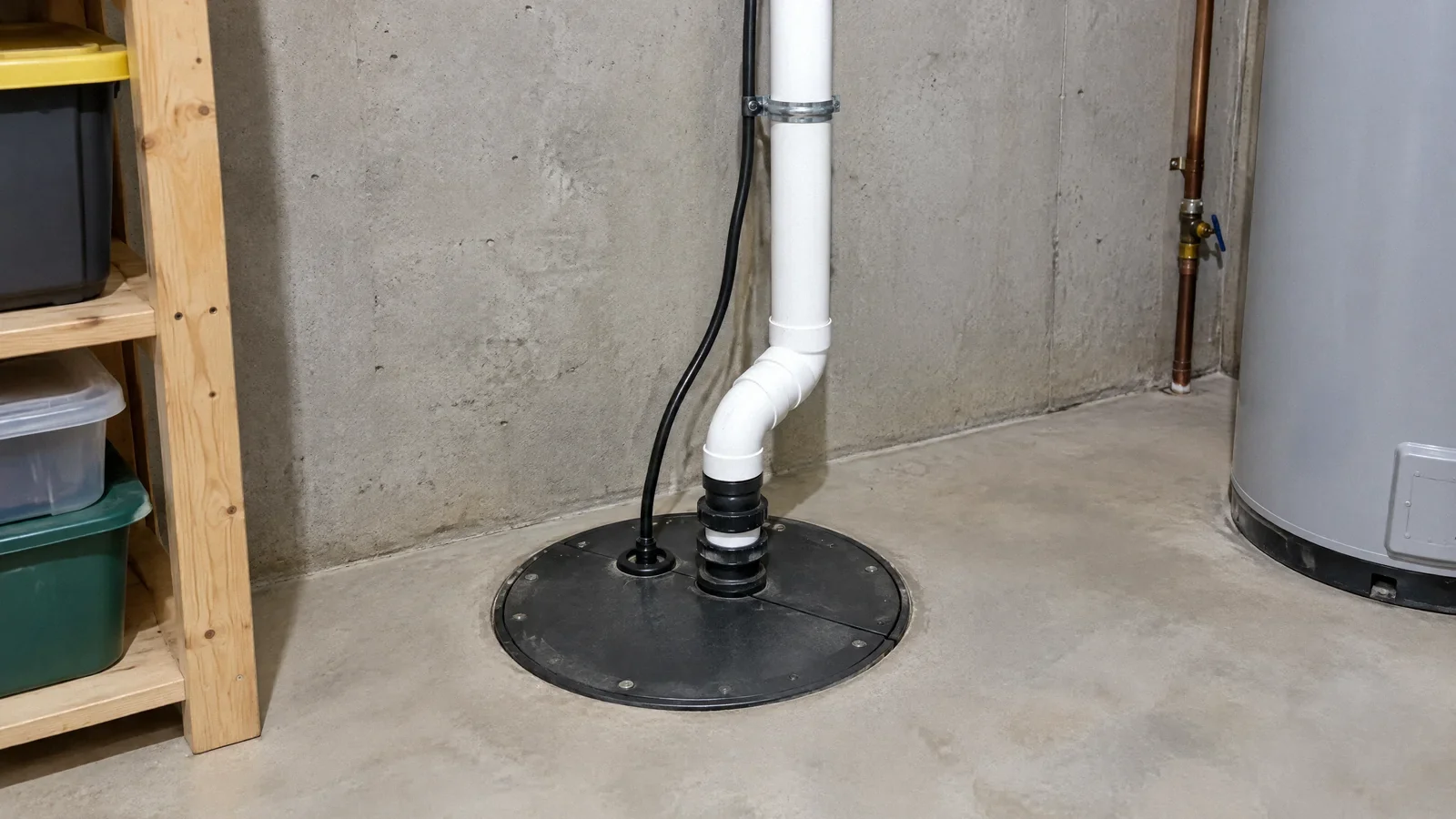
Replace a failing sump pump only after the electrical supply and site conditions are safe. A qualified installer should size the pump for the actual inflow
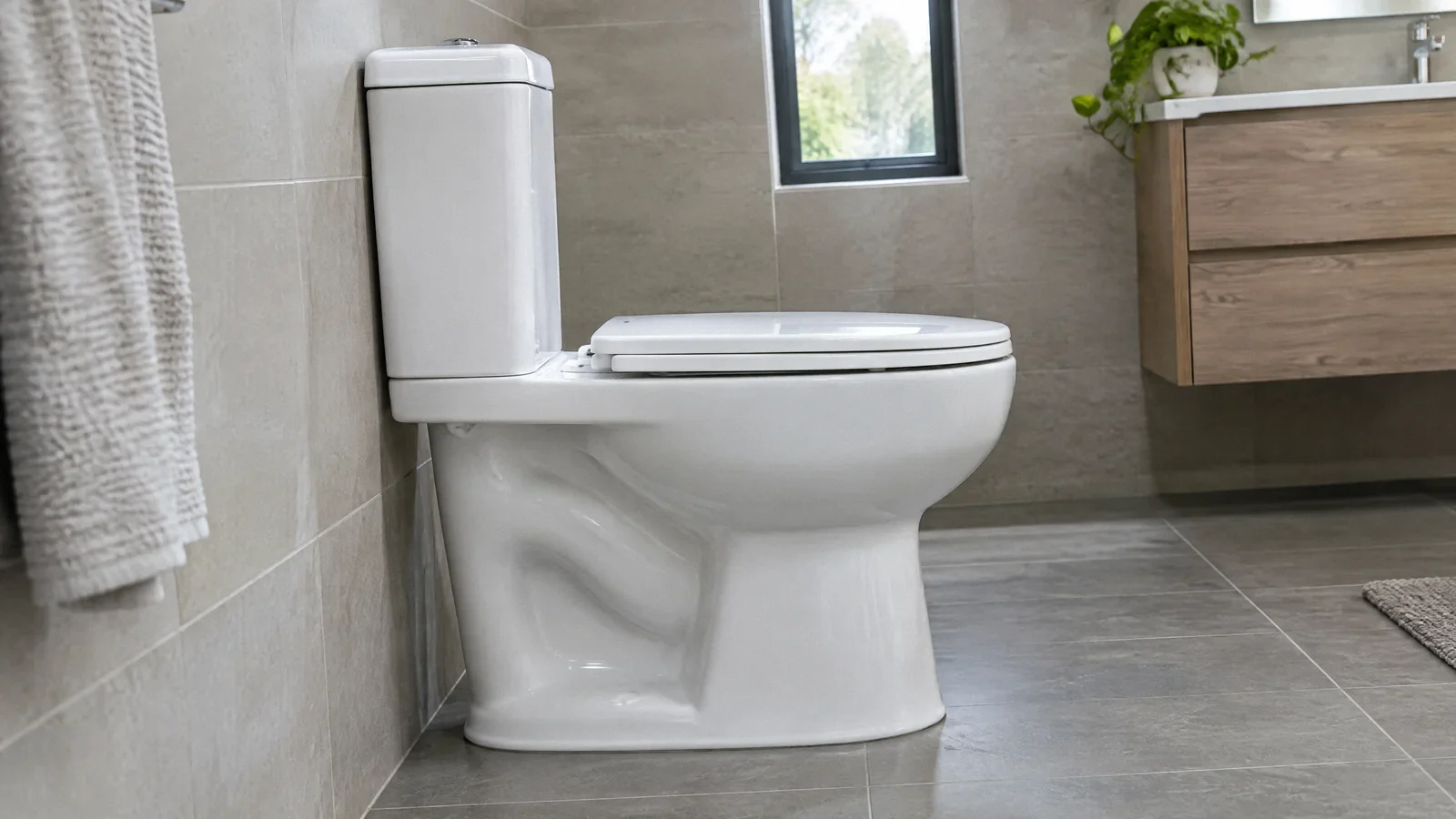
The toilet trapway is the curved passage built into most toilet bowls between the bowl and outlet. Water retained in the bend forms a seal against sewer ga
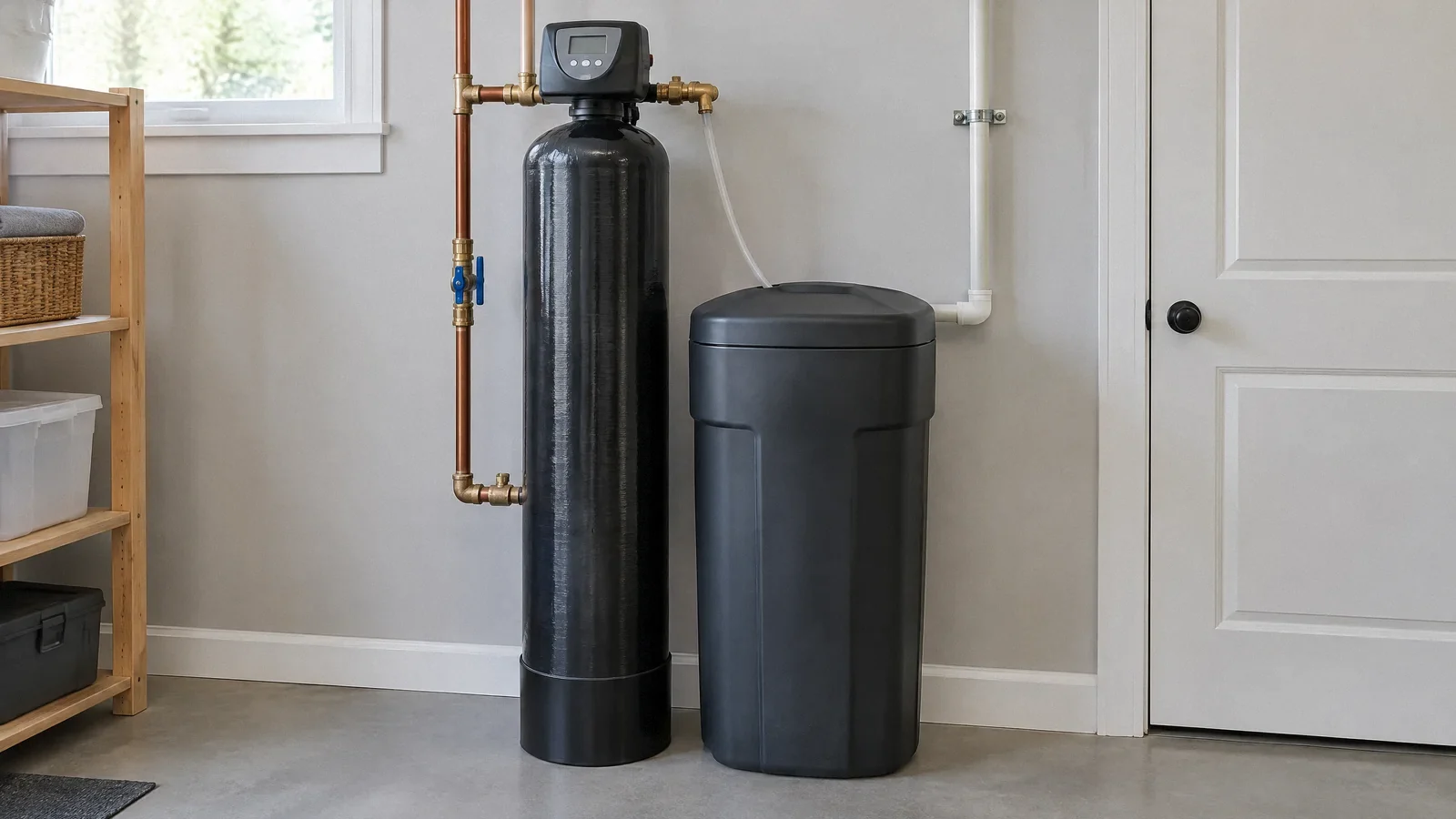
Compare scale reduction with sodium, chloride discharge, maintenance, and water chemistry before installing a softener.
Estimate required sump pump flow and head, read a performance curve, and check practical installation constraints.
Try a material, “insurance”, “mold”, or a shorter phrase.