An alarm, backup or unusual pump behavior warrants reduced water use and prompt professional service. A silent alarm does not prove the pump works; safe diagnosis requires testing the pump, controls, floats and related components.
Recognize symptoms and their limits
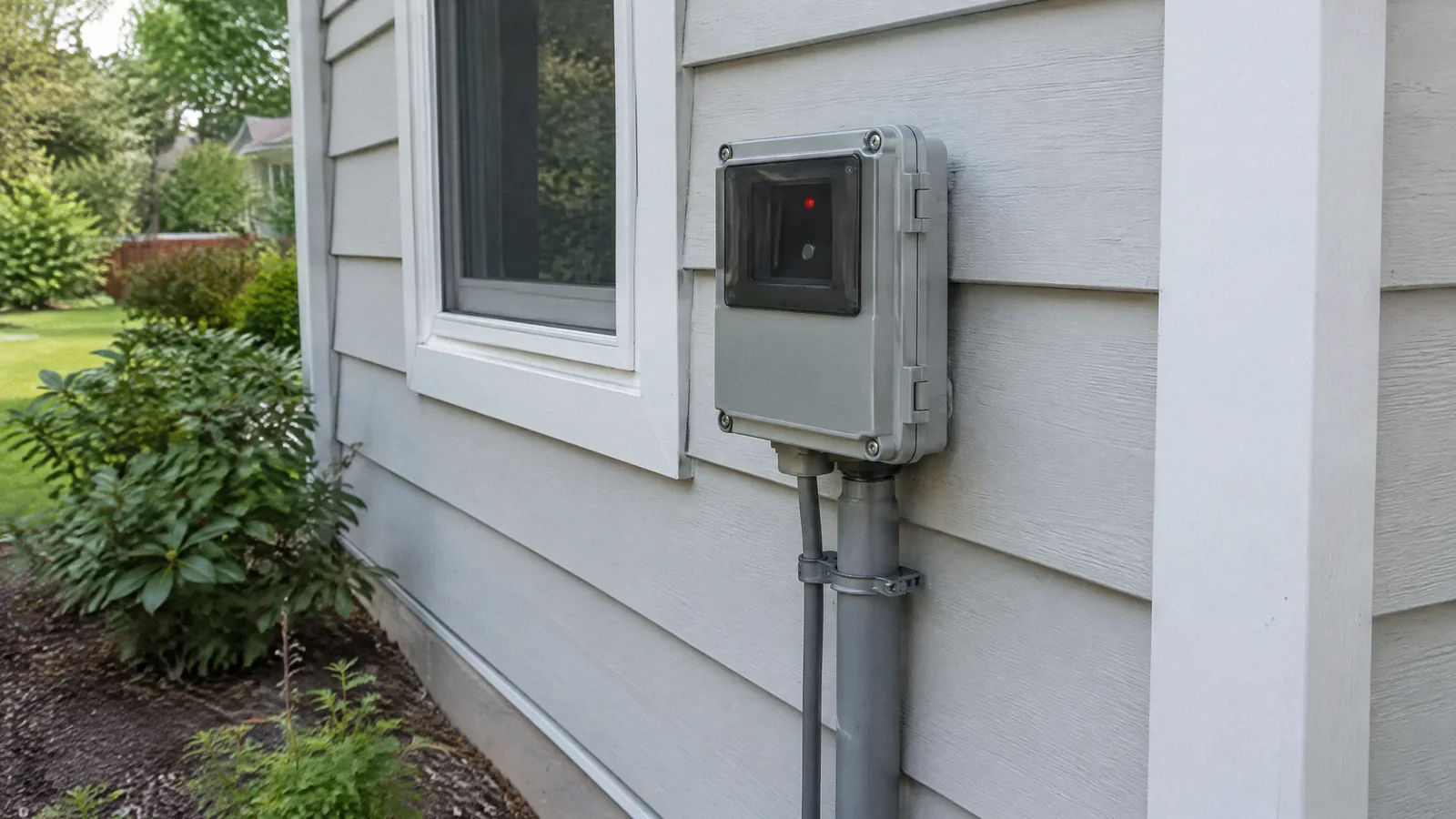
A pump system may have a high-water alarm, audible or visual, but not every problem produces an alarm. Slow drains, a backup, wet ground, an odor or a pump that seems to run continuously can indicate trouble. A pump that is quiet between cycles may be operating normally because it does not necessarily run continuously. Conversely, a motor sound does not prove wastewater is moving to the drainfield. Record when the alarm began, its display or light, recent power interruptions and whether household fixtures are affected. Do not silence an alarm and assume the problem is resolved; write down the indication first and arrange service. Reduce water use to preserve any remaining storage capacity, and use a temporary sanitation plan if the professional recommends one.
Understand what a professional checks
A float switch responds to liquid level and can become obstructed, damaged or misadjusted. Similar symptoms can result from a failed pump, a tripped protective device, wiring or control faults, a blocked discharge line, a failed check valve or a saturated downstream system. A septic technician can inspect the tank and floats with proper procedures and coordinate electrical testing with a qualified electrician. Never open a tank, reach inside, bypass a float, touch wet electrical equipment or repeatedly reset a tripped circuit to force operation. The tank is a confined space and may contain hazardous gases. If the alarm follows flooding, keep clear of electrical devices until assessed and tell the contractor that the equipment may have been submerged.
After diagnosis and repair
Ask the service provider to identify the failed component and explain whether the pump, alarm and float controls were tested as a system. Request the findings and any recommended follow-up, including whether a high level requires pumping and whether the drainfield can accept the discharge. Pumping can temporarily lower the level without correcting a pump, line or field problem. If sewage entered living space, have affected areas cleaned and dried by a contractor experienced with sewage; the equipment repair alone does not restore the room. Keep inspection and service records, the system model and alarm instructions accessible. After normal use resumes, watch for a recurring alarm or slow drains and report them promptly. Schedule inspections according to system design, use and applicable local requirements.
Use the alarm as information, not a diagnosis: An alarm can indicate a high level even when the pump itself is functional, because a float, electrical supply or downstream restriction may be involved. Conversely, a failed alarm circuit may give no warning. If the panel has instructions for acknowledging an audible alarm, follow them only from a dry, safe location and do not treat silence as a repair. Record the time and any displayed indication for the technician. Avoid repeatedly cycling power or opening electrical enclosures. A professional can assess the power supply, controls and discharge conditions with the appropriate tools.
Use the alarm as information, not a diagnosis: Discuss a contingency plan with the provider if parts are unavailable. Remaining capacity depends on the system and current level, so there is no universal safe number of flushes. Reduce water use and ask whether temporary sanitation or pumping is needed. If the problem occurred during a storm, explain whether water reached the control panel or pump equipment. Once repaired, ask how the alarm function was checked and keep the instructions where the household can find them. Recurrent alarms deserve investigation even if wastewater has not yet appeared indoors.
Your next-step checklist
- Keep people away from immediate hazards and avoid disturbing damaged or contaminated materials.
- Record when the problem began, where it appeared, and any change after rain or water use.
- Arrange an assessment by a qualified professional when the cause or extent is uncertain.
- Keep photographs, inspection findings, repair details and receipts together.
- Confirm the cause has been corrected and follow up if the same signs return.
Related questions
Can the visible signs identify the exact cause?
No. The location and timing are useful clues, but similar symptoms can arise from different causes. An inspection and, when appropriate, testing are needed before selecting a repair.
When should I call a professional?
Call promptly when there is sewage, an electrical hazard, significant water intrusion, recurring symptoms, a damaged structure, or work that requires access to a roof, septic tank, excavation or electrical equipment.
What information should I keep after the repair?
Retain the written scope, observations, photographs, test or moisture findings where applicable, dates, invoices and any inspection or permit records. These details help identify a recurrence and support a claim if you decide to make one.
Sources & context
Public guidance supports the principles in this article. The practical questions and examples are editorial interpretation, not a site assessment or a coverage decision. State-specific rules apply only where identified.