Before buying a home, ask a qualified inspector what plumbing is visible and included, and consider a separate plumber or sewer inspection where appropriate. The inspection can identify observable problems but cannot guarantee the condition of every concealed pipe. Review the purchase contract and deadlines with your real estate professional.
Start with the purchase agreement
The California Department of Real Estate recommends professional evaluation of systems including plumbing. Inspection rights, access, deadlines and any contingencies depend on the signed agreement. Review the terms with your agent or attorney before scheduling work or making a decision.
Obtain the seller’s disclosures and available records, and note reported leaks, repairs or sewer work. A disclosure and a professional inspection answer different questions. Neither should be treated as proof that an inaccessible component is free of defects.
What a general inspection may cover
Ask the home inspector what fixtures, accessible supply and drain pipes, water heater and visible signs of leaks are included. Inspectors generally have access and scope limitations. They may recommend a specialist if a problem needs further evaluation.
Do not operate valves or equipment without permission, remove covers or disturb suspected hazardous materials. The inspector should identify areas not accessed and explain observations that need follow-up. An ordinary visual inspection is not the same as a complete plumbing evaluation.
Supply lines, shutoffs and fixtures
A plumber can assess accessible supply piping, connections, fixtures and shutoff valves within an agreed scope. Stains, corrosion or a drip may warrant further investigation, but appearance alone does not reveal the remaining life of every pipe.
Ask where the main shutoff is, whether it was safely operated during the inspection and what limitations apply. Check the type and age of visible materials where known, and request available repair or permit records rather than relying on a general lifespan chart.
Drains, sewer and septic systems
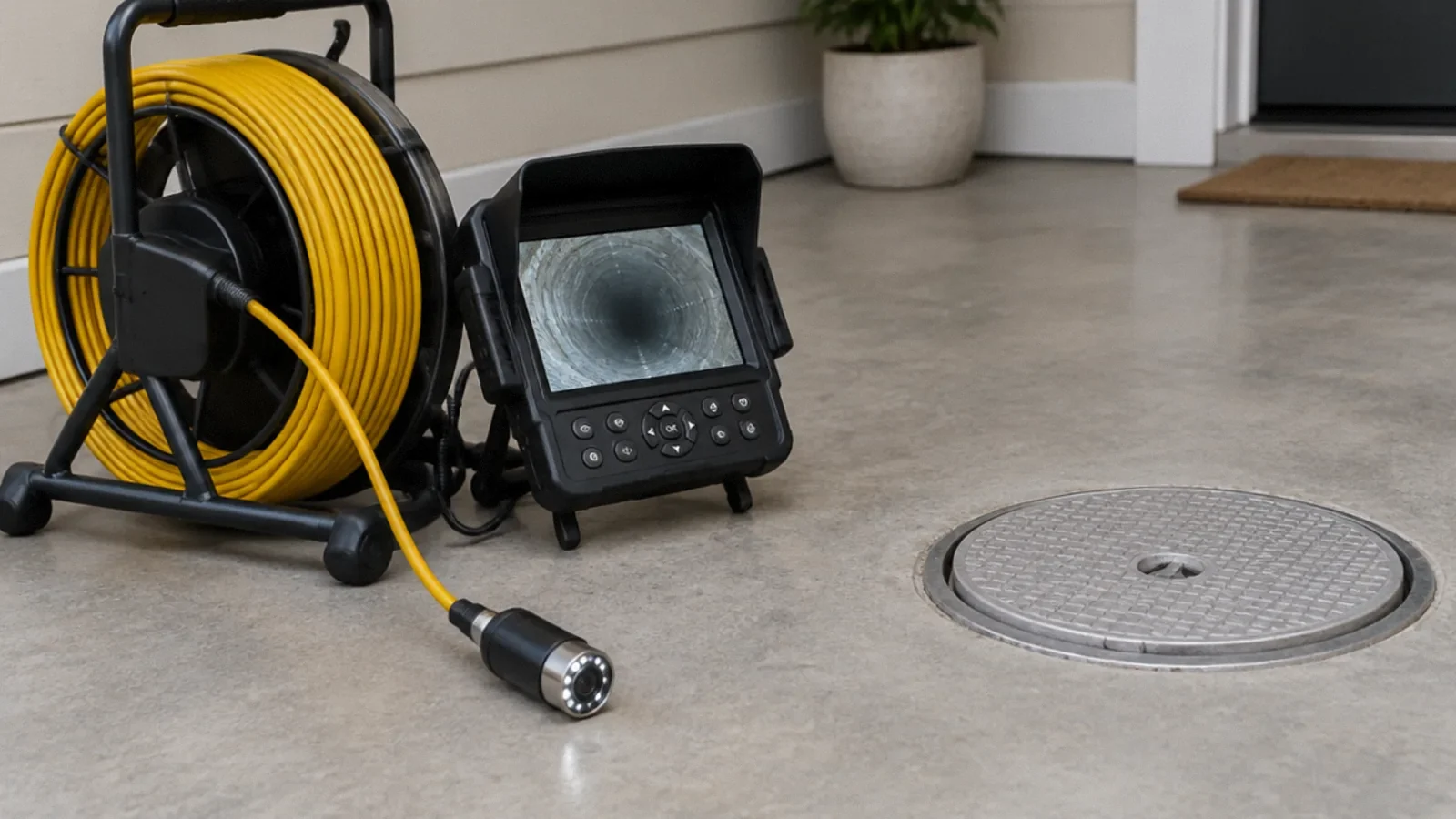
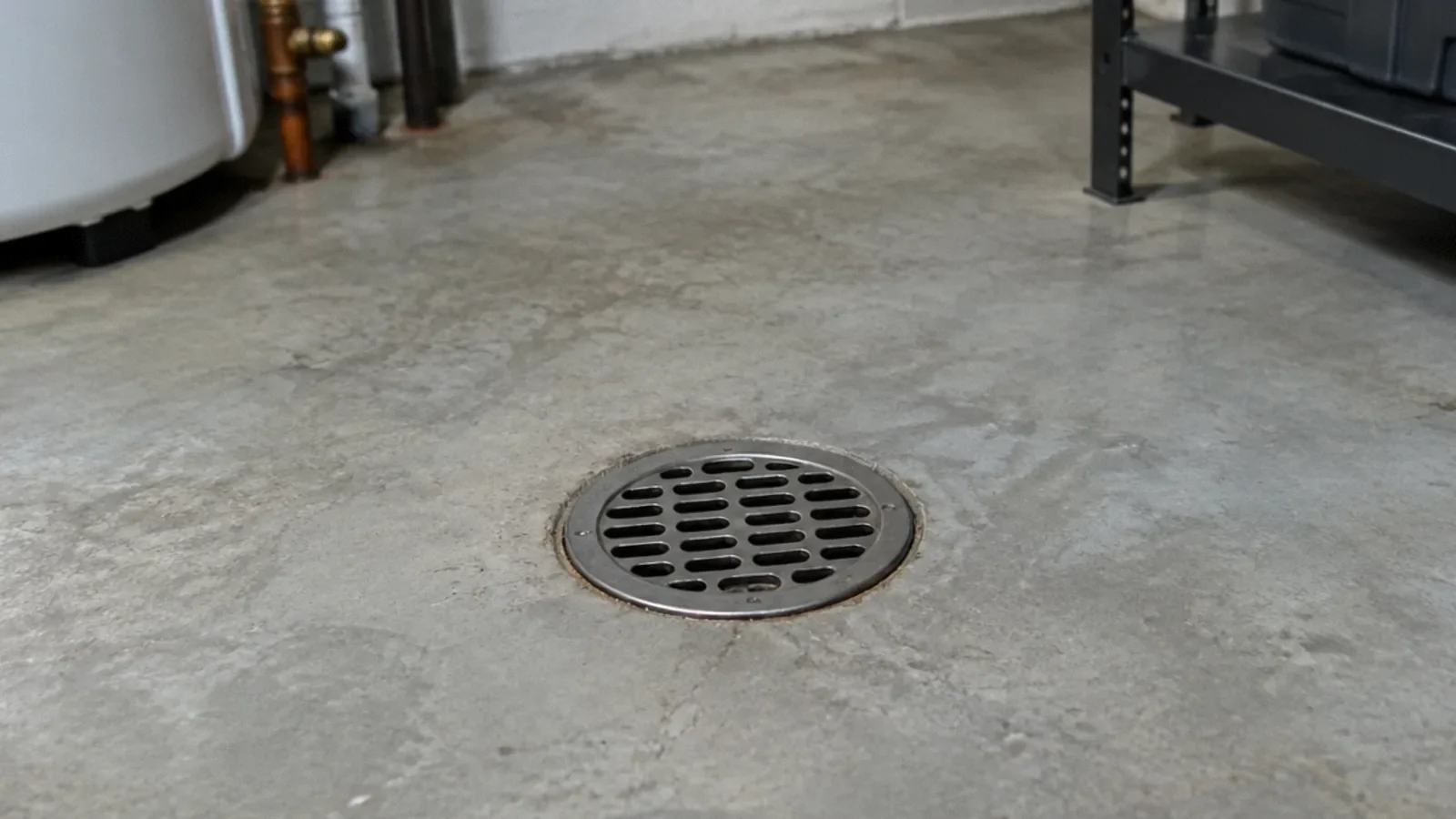
Slow drains or several fixtures backing up may suggest a drainage problem, but the cause and location require investigation. A sewer camera inspection can show visible conditions in accessible portions of a line. Ask whether the complete relevant line can be reached and request a copy of the recording and report.
A camera cannot see through every blockage or establish future performance. If the property has a septic system, consider a separate qualified septic assessment and request available service records and local health department information. Sewer and septic evaluations are different scopes.
Water heaters and past water damage
Review visible water heater condition, manufacturer information and service records, and ask who will evaluate gas, electrical, venting and safety components. Installation and permit requirements vary by jurisdiction. Do not approach damaged equipment or operate a relief device yourself.
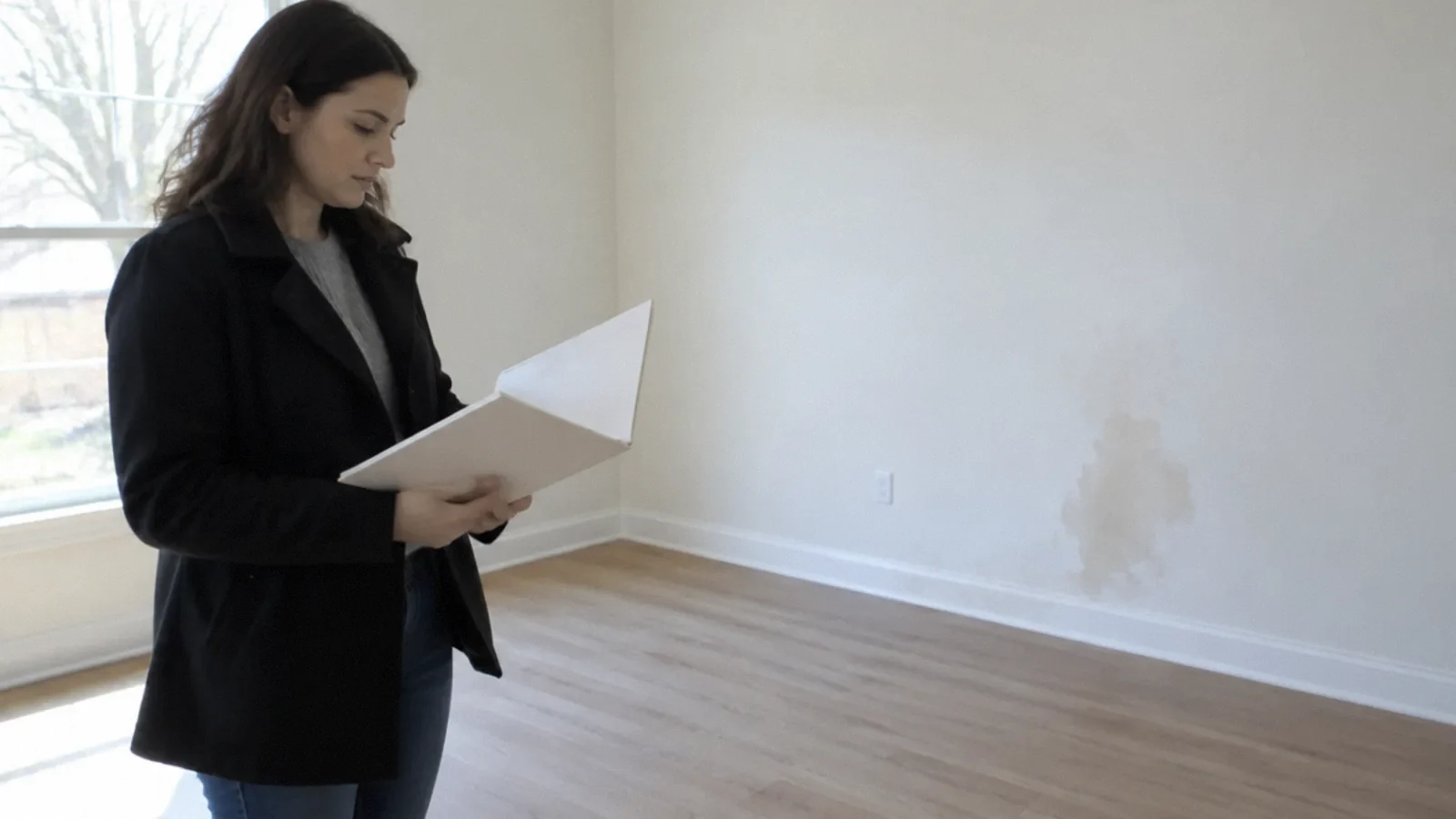
Water stains under fixtures, in cabinets or around floors can have several causes. Ask whether moisture is currently present, what areas were accessible and whether a repair or further assessment is recommended. A dry surface today does not prove no leak occurred previously.
Turn findings into a decision
Obtain written reports and, where needed, itemized repair estimates from qualified professionals. Distinguish urgent safety concerns, active leaks, maintenance and conditions requiring further investigation. Ask what each estimate includes, which permits may be required and what could change after opening a wall.
Discuss any requested repairs, credits or other contractual options with your real estate professional before deadlines expire. Do not assume a seller must repair every defect or that an inspection automatically permits cancellation; the agreement and applicable law matter.
Questions to ask before ordering
Confirm the inspector’s scope, fee, access requirements, timing and report format. Ask whether the sewer line, water heater, irrigation, private well or septic system is included or requires a separate provider. Verify contractor licensing when required for the work.
Plan enough time for follow-up inspection and estimates within the contract schedule. Keep reports and seller responses for future maintenance. Even a thorough inspection cannot eliminate the possibility of concealed defects or later failures.
Your next-step checklist
- Review contract access and inspection deadlines.
- Read seller disclosures and available repair records.
- Confirm what the general inspection includes.
- Consider a separate sewer or septic evaluation when appropriate.
- Obtain written findings and discuss options before deadlines.
Related questions
Is a plumbing inspection included in a home inspection?
A general inspection may cover visible plumbing, but the scope and access limitations vary. Ask the inspector what is included.
Should I get a sewer camera inspection?
It can be useful when evaluating an accessible sewer line, but it has limits. Discuss the property and inspection scope with a qualified professional.
Does an inspection guarantee there are no leaks?
No. Concealed areas and future failures may not be observable during the visit.
Can I cancel a purchase because of a plumbing issue?
Your options depend on the signed agreement, deadlines and applicable law. Discuss them with your real estate professional or attorney.
Sources & context
Public guidance supports the principles in this article. The practical questions and examples are editorial interpretation, not a site assessment or a coverage decision. State-specific rules apply only where identified.
- California DRE: First-time homebuyersCalifornia consumer guidance
- California DRE: Information for homebuyersCalifornia consumer guidance
- California CSLB: Check a contractor licenseCalifornia consumer resource